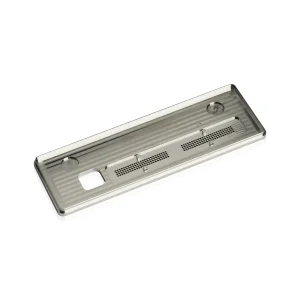
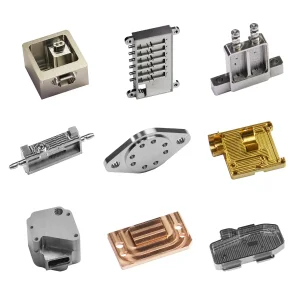
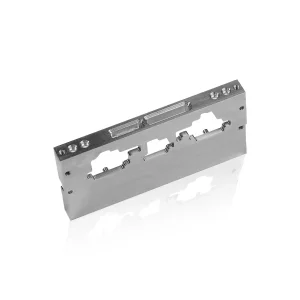
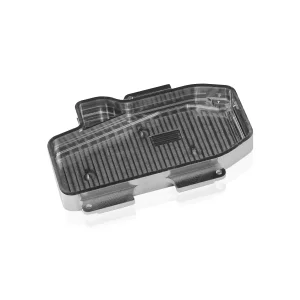
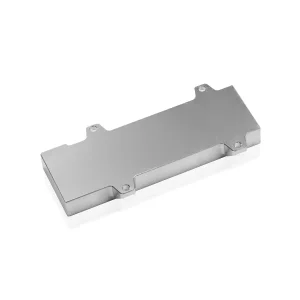
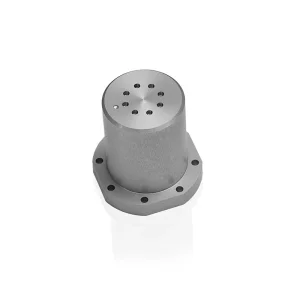
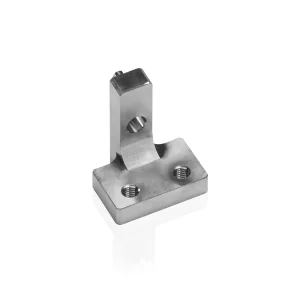
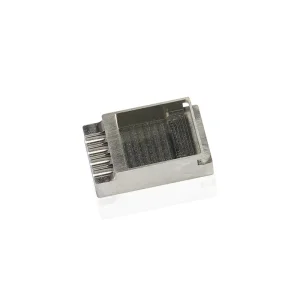
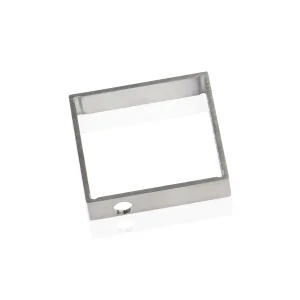
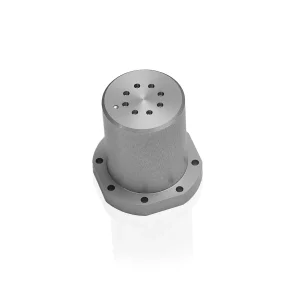
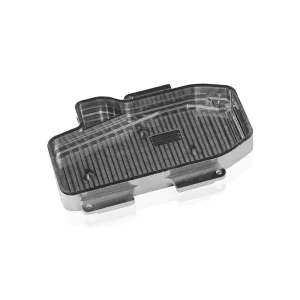
Explore our premium industrial-grade hardware, manufactured with the highest dimensional accuracy and optimized through deep should-cost analysis methodologies.
In modern industrial manufacturing, especially within high-barrier sectors like semiconductors, advanced optoelectronics, aerospace, and new energy, traditional quote comparison techniques (RFQ processing) no longer provide a competitive advantage. Today's procurement paradigms demand absolute transparency, predictability, and scientific validation. Should-Cost Analysis represents a quantitative, physics-based framework that breaks down any custom-engineered hardware into its absolute foundational components: raw materials, net cycle times, setup overheads, energy inputs, and regional tooling amortization.
By leveraging advanced thermodynamic, mechanical, and material-scientific equations, our Should-Cost Analysis Services empower enterprise procurement directors to negotiate from a position of peer-level technical authority. Rather than accepting opaque markups, our clients receive granular calculations of raw ingot cost indexes, localized power grids, complex multi-axis CNC feeds and speeds, and real-world yield fluctuations. This scientific approach ensures that your high-end hermetic package lids, custom Kovar housings, and high-precision automation subsystems are procured at optimal rates, balancing commercial efficiency with uncompromising quality standards.

We deploy robust bottom-up engineering models and metallurgical simulations to uncover cost drivers and production bottlenecks.
We calculate volumetric material extraction rates, true spindle speeds, cycle-by-cycle tooling wear indexes, and micro-machining tolerances. This eliminates arbitrary supplier overhead surcharges and exposes hidden process inefficiencies.
Track real-time global commodity fluctuations for nickel, cobalt, titanium, and specialized alloys like Kovar (Fe-Ni-Co). Our dynamic models adjust material costs to reflect spot prices and scrap reclamation yields.
We evaluate localized manufacturing ecosystems, including energy tariffs, municipal environmental compliance costs, logistical hubs, and specialized technician compensation benchmarks.
Efficiency Gain
Expert Technicians
R&D Engineers
Industry Benchmark
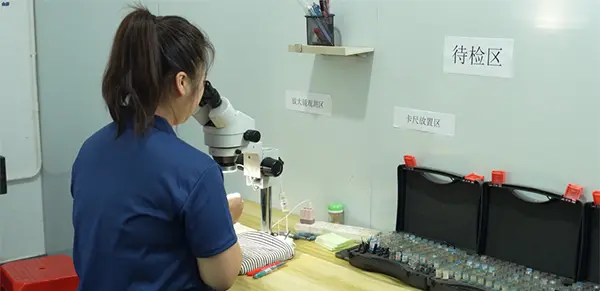
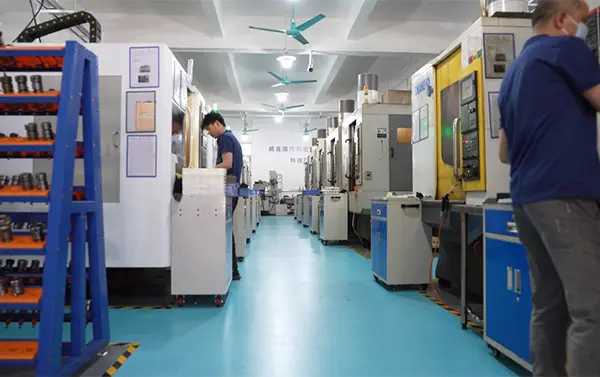
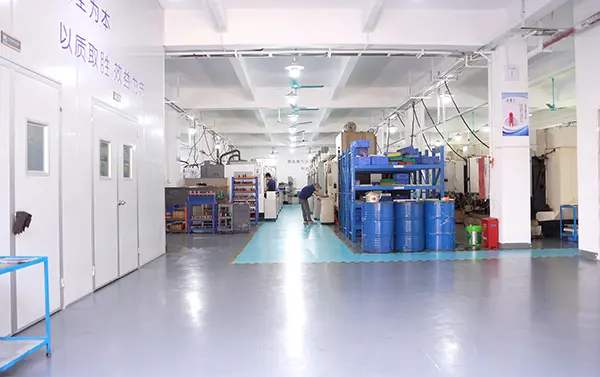
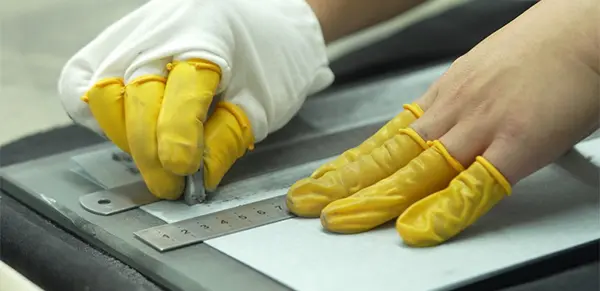
The global precision components sector depends heavily on China’s manufacturing networks. In advanced alloys like Kovar (4J29) and titanium, our facility combines downstream CNC milling with upstream metallurgical control. This structural integration allows us to achieve unparalleled efficiencies in our should-cost projections.
Western procurement strategies often underestimate China's ecosystem agility. When analyzing costs, it is vital to account for localized value-chain synergies. In China's premium technology hubs, specialized processing plants for heat treatments, hermetic sealing, gold plating, and wire EDM are co-located. This proximity minimizes inter-facility transport times and reduces work-in-progress inventories, driving down structural costs relative to isolated production facilities.
Founded in November 2014, Xinyunyang is an industry leader in precision machining and high-reliability hermetic packaging.
From its founding, Xinyunyang has adhered to core business principles of **Integrity, Innovation, Cooperation, and Sharing**. We focus on **Kovar precision processing technology** as our core competency, deeply cultivating fields such as **semiconductors, optical communications, aerospace, medical devices, and new energy**. We are dedicated to providing miniaturized, customized, and highly reliable metal packaging solutions to global customers.

Sub-micron tolerances across complex geometries.
Multi-axis machining centers and vacuum packaging systems.
ISO 9001 quality systems and traceablity controls.
Agile prototyping and adaptive scaling setups.
The company maintains a dedicated workforce of over 100 specialists, with professional technical engineers accounting for more than 30% of our staff. This guarantees deep engineering support and rapid iteration for custom projects.
Our core engineering members have worked in precision metal machining for more than ten years. We specialize in processing challenging materials like Kovar and titanium alloys, staying ahead of requirements in 5G, artificial intelligence, and aerospace sectors.
Supported by our ISO 9001-certified quality management system and advanced production planning tools, we have boosted order delivery times by 15% to 20%. This establishes Xinyunyang as a dependable high-end manufacturing partner.
Analyzing key technologies driving high-precision components and hermetic packaging.
Thermal expansion matching is critical for high-power semiconductor packaging. Our Kovar alloy lids and bases prevent stress-induced cracks under wide thermal cycles, ensuring high component yield.
5G and AI optical transceivers demand reliable long-term hermetic packages. We supply precise sub-micron metal housings to prevent moisture ingress and support consistent signal transmission.
Aerospace components must withstand extreme environments. Using high-grade stainless steels, Invar, and Kovar alloys, we machine light yet durable housings for flight instruments and guidance systems.
The high-precision manufacturing landscape is changing rapidly. Modern sourcing managers face strict sustainability requirements alongside traditional quality and cost targets. In response, we have introduced ESG-validated, conflict-free raw material tracking across our entire metal supply chain.
Additionally, the industry is shifting toward predictive digital twin cost models. By analyzing component CAD models directly in virtual environments, we simulate manufacturing workflows to identify potential defects before production begins. This shortens prototype development times and reduces material waste, supporting efficient, reliable scaling.
Clear answers to technical, commercial, and operational questions from global OEMs.
Should-Cost Analysis is an engineering-driven approach to cost modeling. Instead of relying solely on supplier quotes, it calculates the target manufacturing cost of a component by breaking it down into raw material weight, machining cycle times, hourly machine rates, tooling amortization, labor, and a fair profit margin.
This process provides procurement teams with a data-driven basis for vendor discussions. It shifts negotiations from simple price bidding to collaborative discussions focused on improving efficiency and reducing waste.
Kovar is a specialized iron-nickel-cobalt alloy engineered to have a thermal expansion coefficient of approximately 5.5 x 10^-6/°C between -70°C and 450°C. This closely matches the thermal expansion of borosilicate glasses and alumina ceramics.
Using Kovar prevents stress and cracking along glass-to-metal and ceramic-to-metal interfaces during thermal cycling, ensuring reliable hermetic seals for sensitive electronics in aerospace, optical networks, and semiconductor applications.
China's key manufacturing advantages stem from **highly integrated industrial clusters**. Materials processing, precision machining, surface finishing (such as gold or nickel electroplating), and quality inspections are often located within the same industrial zones.
This close proximity reduces transportation times and logistics costs. Combined with skilled engineering teams and advanced machining systems, it allows us to offer competitive, high-quality manufacturing solutions compared to fragmented supply networks.
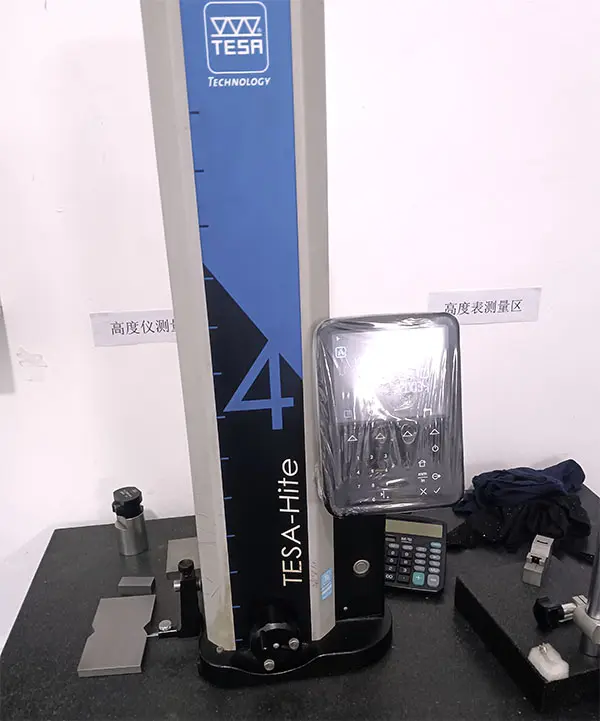
We maintain an **ISO 9001 certified quality management system** and implement rigorous inspection protocols. Our quality laboratory uses high-precision measuring systems, coordinate measuring machines (CMM), and optical comparators to confirm dimensions match technical drawings.
For demanding applications, we offer vacuum leak testing, helium mass spectrometry, thermal shock testing, and surface roughness verification, ensuring full compliance with technical specifications.
We source our raw materials exclusively from certified smelters that provide full chemical traceability and RoHS/REACH compliance. We actively track carbon intensity across our operations and prioritize scrap metal recovery to minimize raw material waste.
Explore our full range of manufactured components, from aerospace-grade structural armor to high-conductivity thermal solutions.
 Xinyunyang Precision