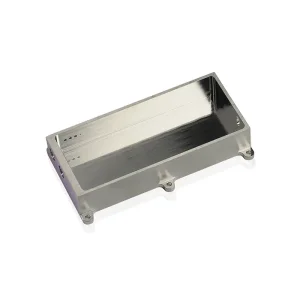
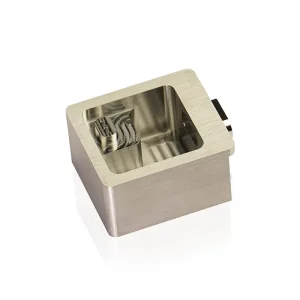
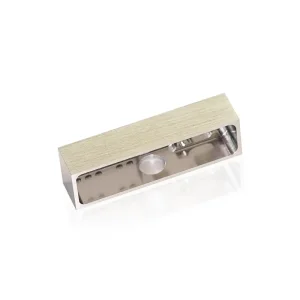
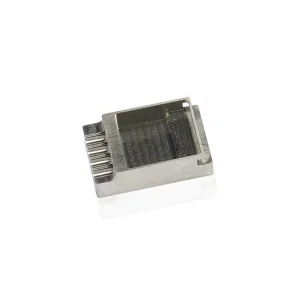
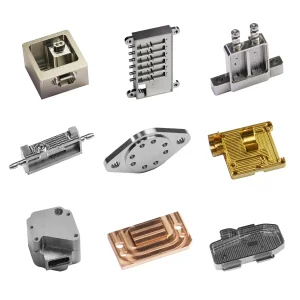
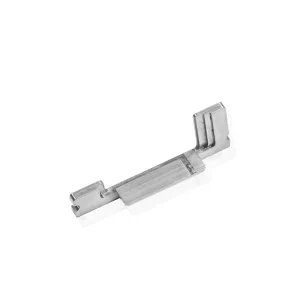
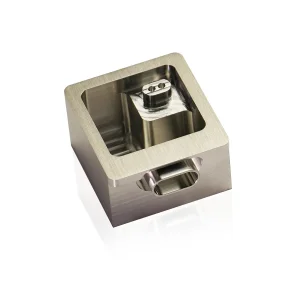
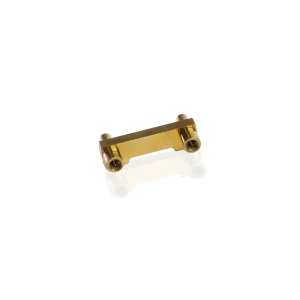
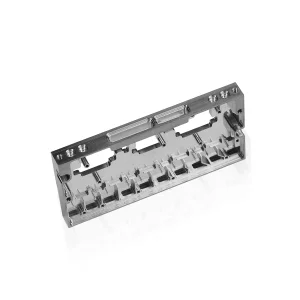
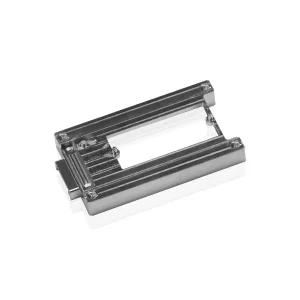
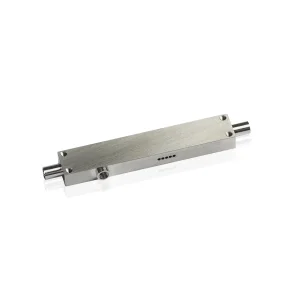
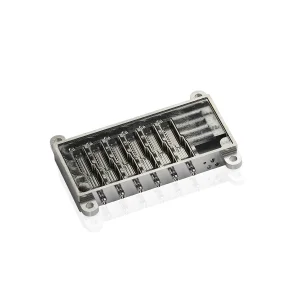
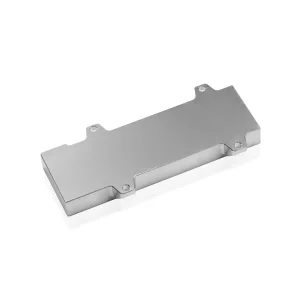
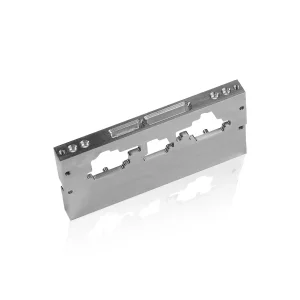
Explore our top-tier catalog engineered for high-reliability military, aerospace, and semiconductor applications.
Leading the Future of Kovar (4J29) Package Shell Manufacturing with Uncompromising Quality
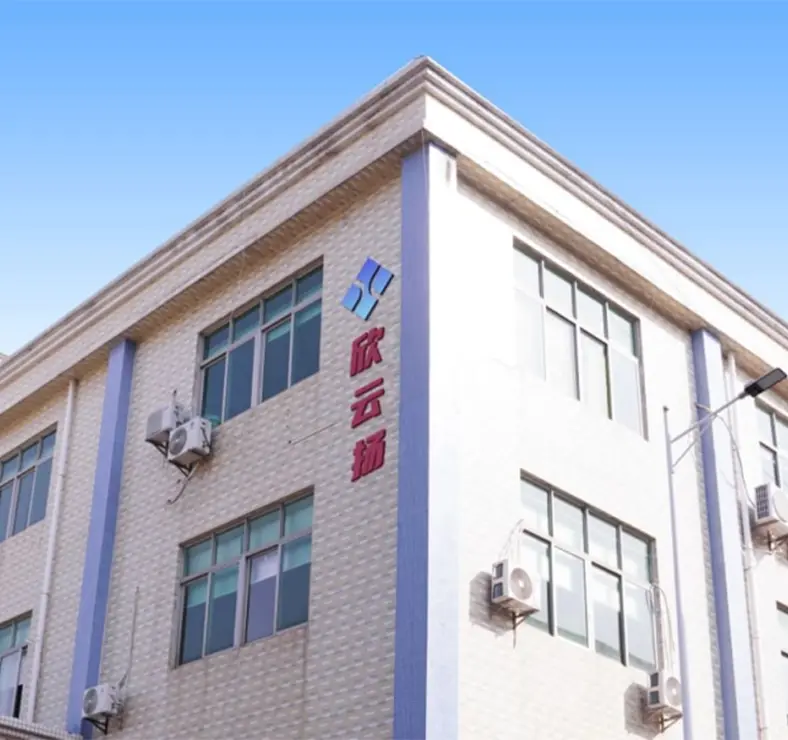
Established in November 2014, Xinyunyang Precision Technology Co., Ltd. has steadfastly adhered to its initial industrial calling, operating under the core principles of Integrity, Innovation, Cooperation, and Sharing. Specializing in Kovar precision processing technology, we have deep-rooted expertise in semiconductors, optical communications, aerospace, medical devices, and military/new energy sectors. Our mission is to deliver miniaturized, customized, and high-reliability metal packaging solutions globally.

High-precision processing capability
Advanced technology and equipment
Strict quality control
Flexible customized services
Driving technological excellence through elite engineering teams, benchmark expertise, and strict certifications.
The global demand for high-reliability hermetic packaging has skyrocketed alongside exponential growth in satellite communications, quantum computing, and advanced avionics. Kovar (UNS K94610, Fe-Ni29-Co17), renowned for its thermal expansion coefficient matching hard borosilicate glass and ceramics, remains the gold standard for package shells. While global manufacturing hubs concentrate heavily in East Asia, emerging industrial ecosystems like Ngozi are increasingly recognizing the necessity of integrating advanced material science into local infrastructural frameworks.
In Ngozi, localized industrial development is progressively pivoting toward telecommunications expansion, renewable energy microgrids, and precision agricultural telemetry. Although Ngozi's direct fabrication facilities for specialized Fe-Ni-Co alloys are nascent, regional engineering projects frequently require import-grade Kovar package shells to withstand harsh equatorial climates, thermal cycling, and high electromagnetic interference (EMI). Partnering with elite Chinese manufacturing infrastructure allows local enterprises in Ngozi to bridge the gap between global-standard component availability and localized deployment needs.
China continues to command a dominant position in the precision CNC machining of specialty alloys. The efficiency advantage stems from a fully integrated supply chain—ranging from raw alloy smelting to multi-axis CNC milling, photochemical etching, laser sealing, and rigorous hermeticity testing (helium leak detection). Factories in Shenzhen and surrounding industrial zones utilize high-speed automated machinery and proprietary tool fixtures to achieve micron-level tolerances on complex 4J29 geometries.
For international buyers, particularly procurement directors in aerospace and defense, sourcing from vetted Chinese factories guarantees cost-effectiveness without compromising on quality compliance (RoHS, REACH, and MIL-STD standards). Furthermore, advanced ERP-driven scheduling ensures rapid prototyping cycles and scalable mass production, mitigating global supply chain vulnerabilities.
Kovar (4J29) package shells are critical in numerous high-tech verticals:
Industry trends emphasize miniaturization, green manufacturing practices (ESG-validated processes), and the seamless integration of AI-assisted automated optical inspection (AOI) to guarantee zero-defect delivery.
A glimpse into our state-of-the-art manufacturing floors, advanced CNC machining centers, and strict inspection laboratories.
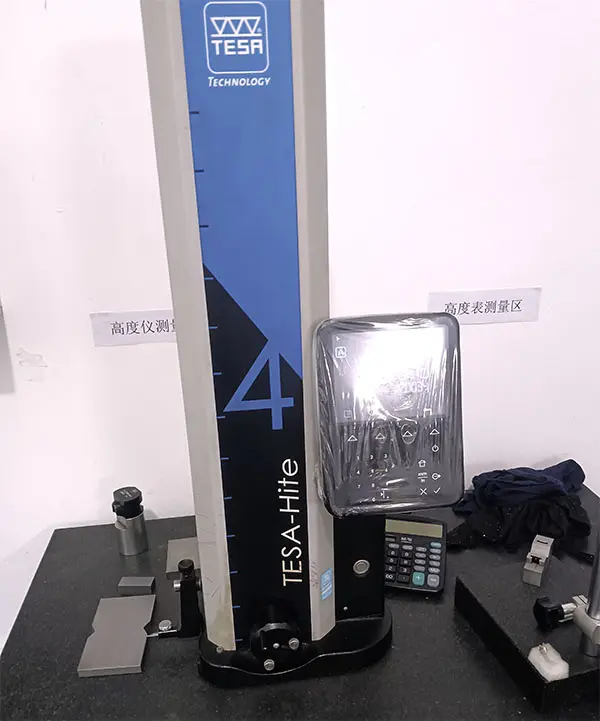
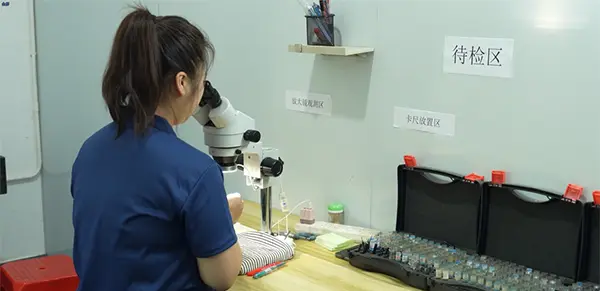
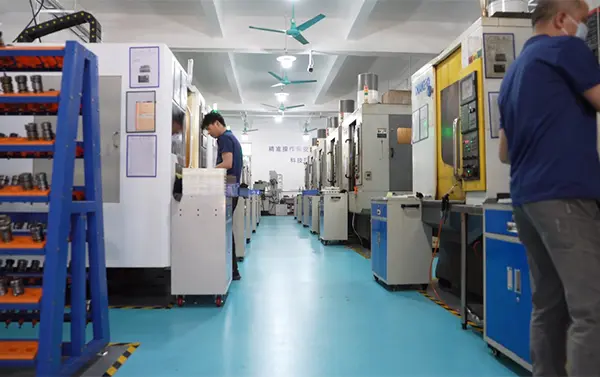
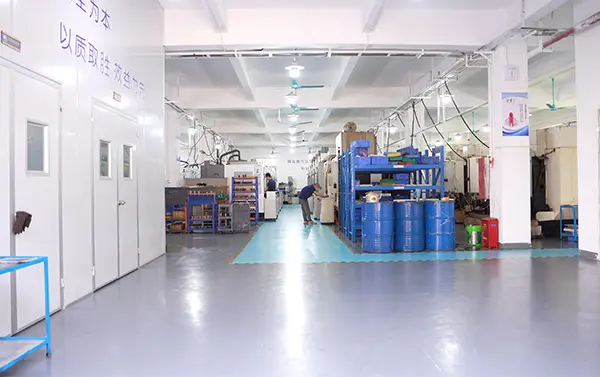
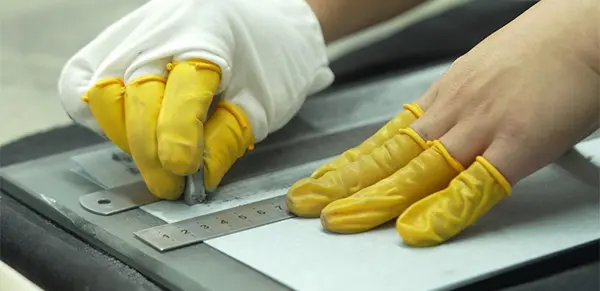
Expert insights on Kovar (4J29) package shells, procurement, and technical specifications.
Comprehensive engineering hardware designed for mission-critical industrial automation and electronic systems.
 Xinyunyang Precision