In the realm of advanced manufacturing, the transition from conventional three-axis machining to continuous five-axis computer numerical control (CNC) represents a critical evolutionary leap. Three-axis routers operate along standard Cartesian coordinates (X, Y, and Z axes). While ideal for flat components, they fail to deliver when confronted with complex, non-planar geometries, deep undercuts, and compound organic curves. A 5-axis CNC router machine addresses these physical boundaries by incorporating two additional rotational axes—historically designated as A (rotates around the X-axis) and B (rotates around the Y-axis), or B and C (rotates around the Z-axis).
This kinematic versatility allows the cutting tool to maintain an optimal perpendicular or angled orientation relative to the workpiece throughout the entire operation. Modern manufacturing facilities depend on continuous five-axis machines for complex tasks. It eliminates multiple physical setups, prevents human positioning errors, minimizes fixture configurations, and improves the overall surface finish (Ra) of complex aerospace, automotive, and semiconductor components.
The technological soul of any high-tier 5-axis CNC router is its RTCP (Rotary Tool Center Point) tracking system. Without RTCP, the controller operates blindly regarding tool length and pivot coordinates, forcing programmers to calculate rotary offsets manually. With continuous RTCP enabled, the machine's controller automatically compensates for the pivot offsets of the rotary axes in real-time. This guarantees that the tool tip maintains its precise position and velocity on the programmed path, irrespective of spindle head tilt or rotation.
Exploring the core mechanical frameworks, toolpath controls, and architectural layouts that define industrial-grade 5-axis routers.
Both rotary axes (B/C or A/C) reside in the milling head. Designed for processing large, heavy structural materials without shifting workpiece inertia.
Both rotary axes are housed within the worktable structure. Offers superior rigid support, high chip evacuation, and tight angular positioning tolerances.
One rotational axis sits in the spindle head, while the second rotational axis is built into the rotary table. Well-balanced versatility for hybrid workflows.
Equipped with HSK or ISO electro-spindles reaching 24,000+ RPM. Incorporates liquid chiller jackets to prevent structural thermal expansion.
When sourcing standard or custom 5-axis CNC platforms, the distinction between "3+2 positioning" and "continuous 5-axis interpolation" must be verified. 3+2 axis machining locks the two rotary axes in place before initiating tool movements in X, Y, and Z. True continuous 5-axis machining interpolates all 5 axes simultaneously. This ensures the tool tip maintains its precise orientation on highly contoured, complex volumetric shapes. Insist that manufacturers present their controller specifications—such as FANUC 31i-B5, Siemens SINUMERIK 840D SL, or high-tier Syntec packages—along with evidence of absolute feedback systems containing high-precision linear encoders.
How macro-level 5-axis systems rely on specialized sub-assemblies, precision housings, and CTE-matched electronics.
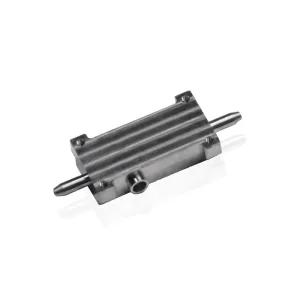
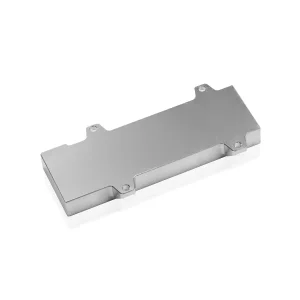
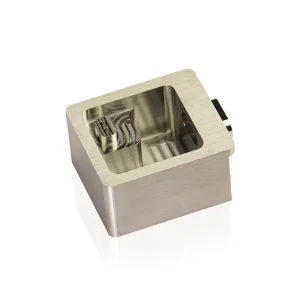
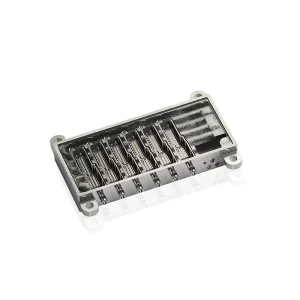
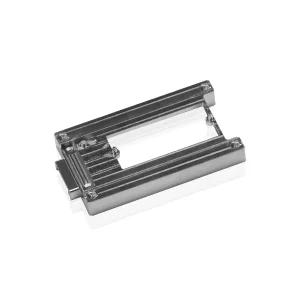
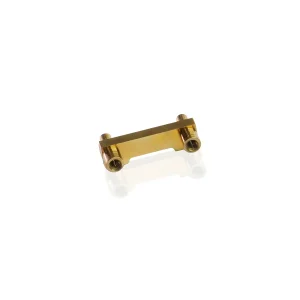
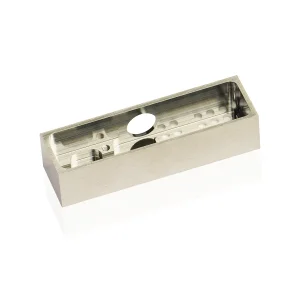
A 5-axis CNC router's performance depends on the reliability of its control systems, linear scale tracking, laser interferometers, and feedback encoders. These high-tier electronics operate under high temperatures and harsh industrial vibrations. The internal circuitry, signal transceivers, and optical modules must be insulated using materials with extremely low Coefficient of Thermal Expansion (CTE). This is where advanced metallurgical structures—specifically Kovar alloy (Fe-Ni-Co)—become highly essential.
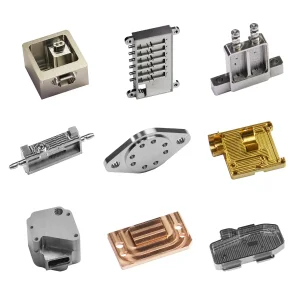
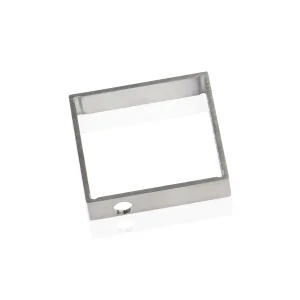
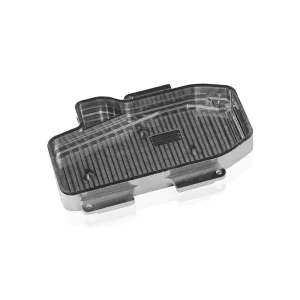
Xinyunyang Precision Technology Co., Ltd. specializes in precision Kovar alloy manufacturing. They produce sub-micron packaging and hermetic casings that safeguard high-performance controller sensors, 5G-grade transmitter modules, and dynamic absolute encoders. Our deep integration with high-end material engineering sets us apart. Xinyunyang ensures that the critical internal sensors driving the 5-axis feedback loops remain impervious to thermal fluctuations. This guarantees repeatable accuracy down to < 2 μm.
Industrial application profiles dictate the mechanical specifications, torque curves, and envelope requirements of the chosen 5-axis CNC router. By understanding localized use-cases and global production challenges, manufacturers can configure systems that optimize material yield and minimize production bottlenecking.
Continuous machining of composite structural elements, Carbon Fiber Reinforced Polymers (CFRP), glass fibers, and honeycomb aerospace panels. Standard routing is replaced by continuous contouring to eliminate delamination risks and produce complex aerodynamic curvatures.
Direct fabrication of oversized EPS foam models, polyurethane tooling boards, epoxy tooling blocks, and soft metal casting molds (aluminum/brass). 5-axis kinematics allow deep cavity milling with shorter, more rigid cutters, preventing tool deflection and chatter.
High-velocity trimming of wind turbine blade hulls, marine hulls, deck superstructures, and large composite components. Machine configurations often deploy massive gantry structures and dual-spindle arrays to manage high-volume throughput requirements.
In regions like Silicon Valley, California, and Baden-Württemberg, Germany, high-precision electronic equipment and optical communication arrays are developed under strict quality constraints. A critical failure point in high-frequency signal processing within automated machinery is the thermal drift of sensor housings. Xinyunyang's hermetic packaging (Kovar alloy components) is used inside the closed-loop feedback systems of localized precision instruments. By maintaining stable CTE-matching with silicon chips, local high-tech developers achieve zero-drift signal transmissions, stabilizing high-precision robotic positioners even when operational environments exceed 70°C.
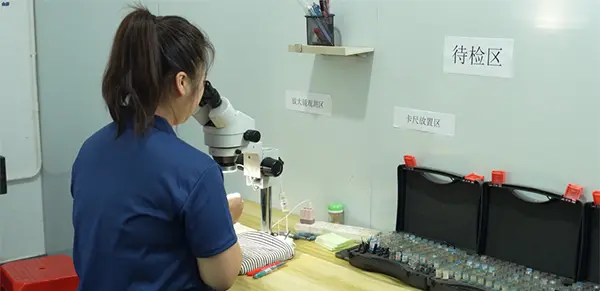
Global buyers sourcing from China-based 5-axis CNC router manufacturers gain access to a highly integrated industrial ecosystem. The Pearl River Delta and Yangtze River Delta manufacturing corridors provide rapid access to raw structural components, high-stress cast-iron frames, linear guideways, precision servo motors, and absolute feedback encoders. This cluster-based concentration drastically reduces material transportation lag, enabling unmatched lead times and cost efficiencies.
Furthermore, companies like Xinyunyang Precision Technology Co., Ltd. leverage advanced intelligent production scheduling systems and strict ISO 9001 quality audits. This integration has improved order delivery efficiency by 15% to 20%. Our composite metal processing techniques ensure that even complex customized components, such as high-reliability 5G optical module housings and CTE-stable Kovar alloy enclosures, are manufactured and delivered on tight industrial schedules.
By controlling everything from casting-stress relieving to real-time laser interferometer inspections under one roof, China's premium factories ensure that structural integrity and long-term positioning accuracy match or exceed western standards, but at a highly competitive total cost of ownership (TCO).
Selecting the optimal mechanical layout requires an objective analysis of kinematic behaviors, maximum structural loads, volumetric accuracies, and speed. The following technical matrix compares standard three-axis, 3+2 positioning, and continuous 5-axis configurations:
| Kinematic Parameter | Standard 3-Axis | 3+2 Positional (Indexed) | Continuous 5-Axis (Simultaneous) |
|---|---|---|---|
| Tool Path Interpolation | Linear X, Y, Z axes simultaneously | Interpolates X, Y, Z with A, B, C locked | X, Y, Z, and rotational axes together |
| Volumetric Accuracy (Typical) | ±0.05 mm / meter | ±0.02 mm / meter | ±0.005 mm to ±0.015 mm / meter |
| Maximum Undercut Capability | Impossible (Requires remounting) | Limited to preset index angles | Infinite contouring undercuts |
| Surface Roughness (Ra) | ≥ 1.6 μm (step-over marks present) | ≥ 0.8 μm (indexed seam marks) | ≤ 0.3 μm (smooth continuous tool contact) |
| Fixture Configurations Required | Multiple setups (4 to 6 setups) | Reduced setups (1 or 2 setups) | Single setup (1 setup, complete processing) |
| Optimal Feedrate Control | Constant linear velocity | Constant linear velocity | Dynamic RTCP-driven feed rate adjustment |
Deploying heavy industrial machinery into North American, European, or APAC factories requires careful attention to regulatory frameworks, safety protocols, and post-installation technical services. A premium manufacturer is not just a supplier; they must serve as an active engineering partner providing robust compliance documentation.
Ensure that any imported 5-axis system carries native certifications corresponding to your regional regulatory authorities. Machining systems must be fully compliant with the **EU Machinery Directive 2006/42/EC**, **Low Voltage Directive 2014/35/EU**, and carry verified **CE and UL listings** for electrical enclosures. All high-frequency circuitry, linear controllers, and internal components must adhere to **RoHS and REACH environmental regulations**, guaranteeing hazardous-free component architectures and long-term recycling compatibility.
Xinyunyang guarantees that all outsourced precision metal housings, hermetic transceivers, and connection arrays are built in ISO 9001 certified facilities. Each part undergoes strict quality testing, including 100% helium leak testing and salt spray durability tests, ensuring maximum reliability under demanding conditions.
Modern 5-axis systems rely on digital twin configurations and secure cloud diagnostics. In the event of geometric deviations or toolpath issues, off-site software engineers can remotely access the controller's log files. By tracking encoder feedback, linear axes telemetry, and thermal sensor responses, engineers can diagnose anomalies without waiting for on-site visits.
For physical service needs, premium manufacturers collaborate with regional Field Service Engineering (FSE) networks. These local partners provide emergency repairs, guide periodic spindle recalibrations using Renishaw ballbar systems, and maintain local wear-and-tear parts inventories to keep client production lines running smoothly.
Expert answers regarding calibration, configuration selection, material processing, and industrial compliance.
Rotary Tool Center Point (RTCP) compensation works by feeding the precise physical dimensions of the pivot length (the distance from the rotation center to the tool tip) directly into the controller's kinematic algorithms. During combined translational and rotational motion, the controller dynamically calculates and compensates the linear X, Y, and Z movements in real-time. This keeps the tool tip positioned exactly relative to the workpiece, even when the rotary axes tilt at high speeds.
Kovar alloy (composed of roughly 54% iron, 29% nickel, and 17% cobalt) features a Coefficient of Thermal Expansion (CTE) of 4.7±0.2×10⁻⁶/℃ from 30℃ to 400℃, which matches the expansion rates of borosilicate glass and silicon. Inside CNC high-frequency optical encoders and 5G communication packages, temperature shifts generate thermal stress. Using Kovar alloy prevents optical drift, maintains hermetic sealing, and stops mechanical micro-cracking, preserving system feedback calibration.
A Trunnion (Table-Table) system tilts and rotates the workpiece, providing high rigidity and large undercut angles. However, it is limited by workpiece weight and size. A Swivel-Head (Head-Head) tilts and rotates the spindle around a stationary workpiece. This accommodates exceptionally heavy and long components, like aerospace structural beams, because it isolates the dynamic load from workpiece mass.
Achieving Ra < 0.3μm on Kovar without wet lubricants requires precise feedrate optimization, specialized tool geometry, and rigid machinery. Kovar's tough, gummy nature causes tool sticking and burr formation. Utilizing high-speed continuous toolpaths, specific carbide coatings (like TiAlN), and controlled thermal micro-geometry allows the material to sheer clean, leaving a pristine finish that resists oxidation and passes salt spray testing.
Dynamic accuracy is validated using ISO 230-1 through ISO 230-4 standards. This includes laser interferometer tests to evaluate linear pitch errors and Renishaw ballbar circles to measure circularity and check for backlash. Volumetric accuracy is further mapped using 3D laser trackers across the entire working envelope.
As the machine operates, heat from the spindle bearings, motors, and axis friction causes the structural frame to expand. Modern systems use real-time thermal compensation, placing thermal sensors throughout the machine frame. The controller monitors these sensors and applies real-time micro-offsets to the axis coordinates, neutralizing thermal drift.
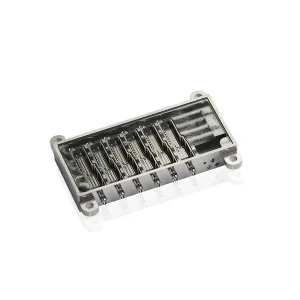
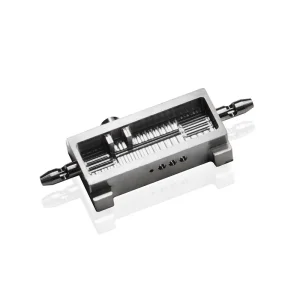
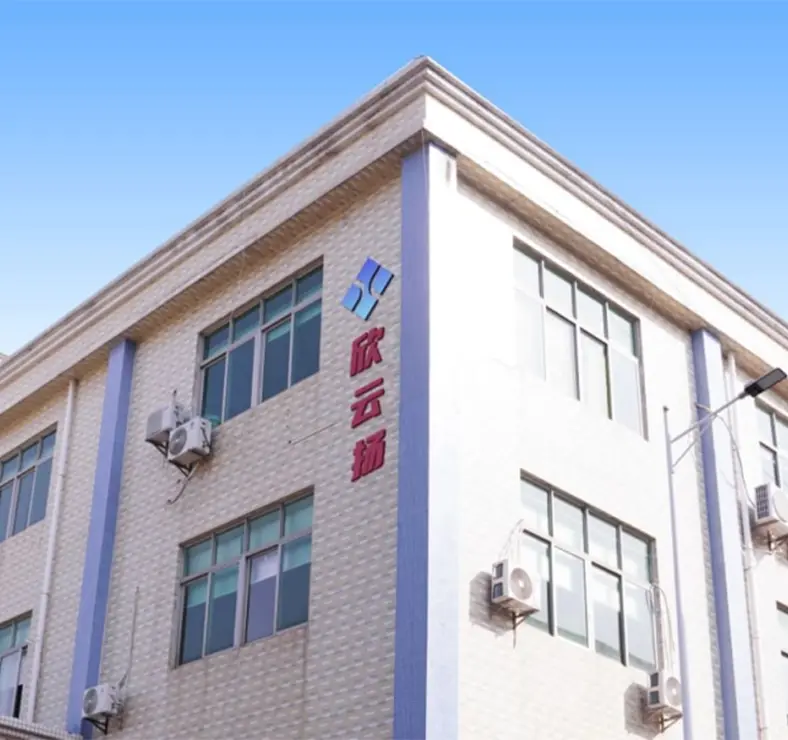
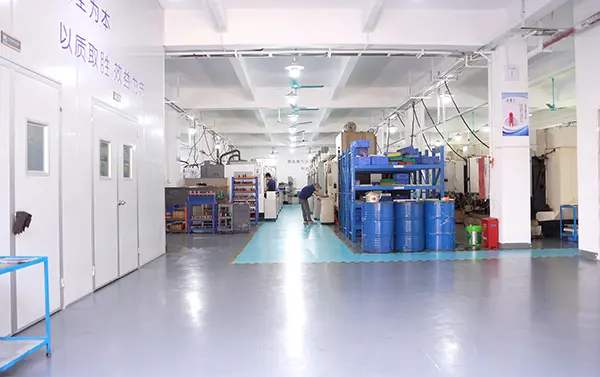
Founded in November 2014, Xinyunyang Precision Technology Co., Ltd. has established itself as an industry leader by prioritizing Integrity, Innovation, Cooperation, and Shared Success.
Specializing in high-precision Kovar alloy processing, we provide custom, high-reliability hermetic packaging solutions for high-demand industries worldwide. Our core capabilities serve the semiconductor, optical communications, aerospace, medical device, and defense sectors.
 High-precision processing capability
Advanced technology and equipment
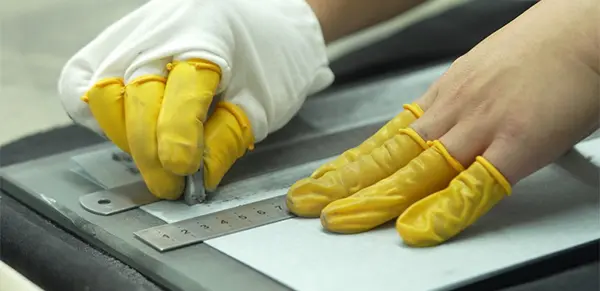
Strict quality control
Flexible customized services
High-precision processing capability
Advanced technology and equipment
Strict quality control
Flexible customized services
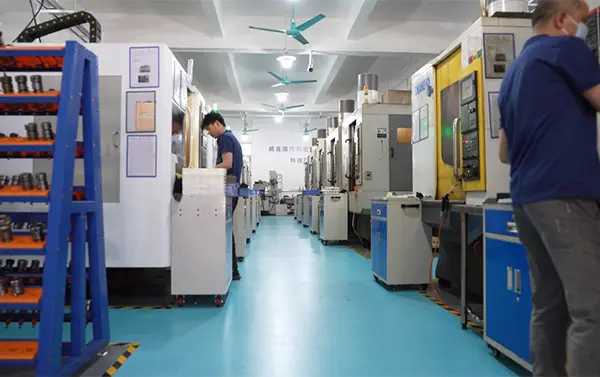
Our professional team includes over 100 dedicated specialists, with engineers making up 30% of our workforce. The core engineering team brings over a decade of hands-on experience in precision metallurgy, actively developing advanced processing workflows for complex alloys like Kovar and titanium.
Through ISO 9001 quality management and intelligent production scheduling, we have successfully optimized delivery efficiency by 15% to 20%. This makes Xinyunyang a highly reliable and strategic manufacturing partner in the global high-precision supply chain.
 Xinyunyang Precision