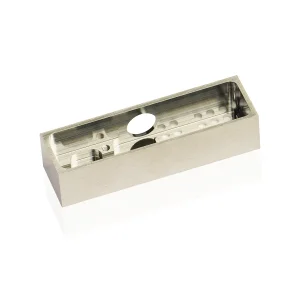
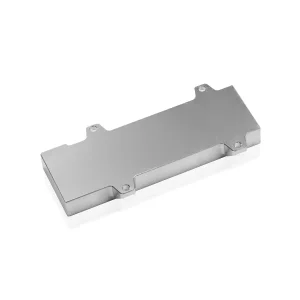
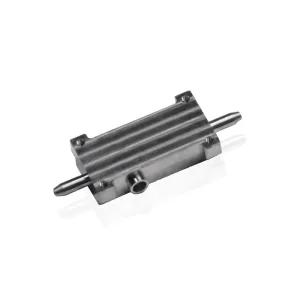
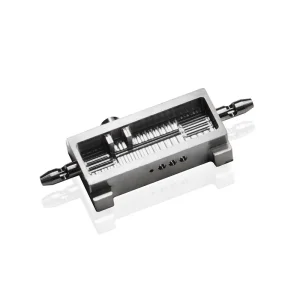
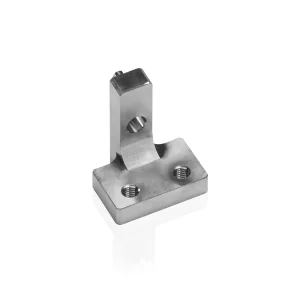
Discover our industrial-grade, certified components designed for extreme environments, aerospace, and high-frequency communication.
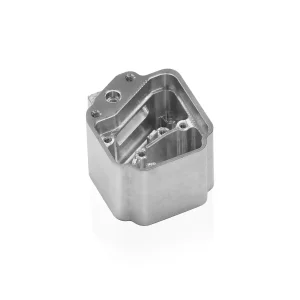
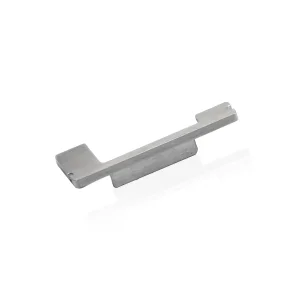
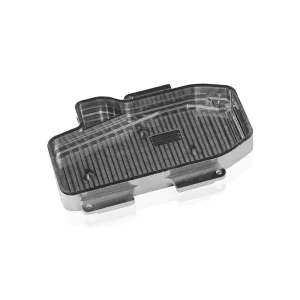
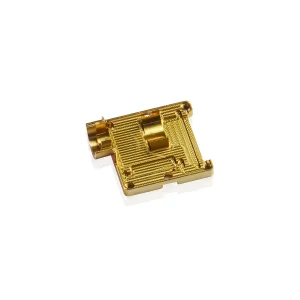
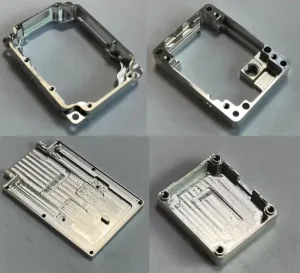
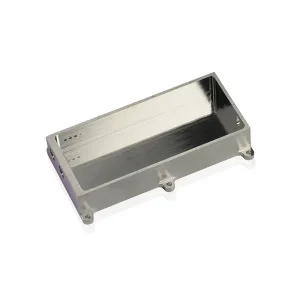
Anodized aluminum has transitioned from a standard structural metal to a foundational component of modern high-tech engineering. The electrochemical process of anodization converts the metal surface into a decorative, durable, corrosion-resistant, anodic oxide finish. Globally, as industries demand lighter materials with superior mechanical and thermal properties, the market for anodized aluminum has surged dramatically.
In aerospace, automotive manufacturing, consumer electronics, and medical devices, anodized aluminum provides crucial structural integrity without the heavy burden of steel or the fragility of untreated alloys. Modern manufacturers are not just surface-finishing metals; they are engineering high-performance surface layers with exact microscopic properties, controlled porosity, and custom dielectric profiles. The global supply chain relies on premium manufacturers who can maintain absolute consistency across vast production volumes.
SEO Information Gain Insight: Anodization is not a coating. It is a transformation of the underlying aluminum substrate. Our specialized processes, including Type II (sulfuric acid anodizing) and Type III (hardcoat anodizing), create custom microscopic hexagonal structures that integrate directly with the base alloy, preventing peeling, flaking, or thermal degradation.
Strict adhesion to MIL-A-8625 specifications. Our processes yield highly dense, hard coats designed to withstand atmospheric friction, corrosive salts, and rapid thermal cycling in space and military applications.
Custom structural casings and optical module housings built with localized thermal dissipators. Optimized dielectric thresholds block interference while ensuring reliable heat escape routes.
Ultra-clean surfaces that feature zero outgassing properties under vacuum environments. Our anodized components provide critical corrosion protection against aggressive fluorinated plasma chemistries.
Providing miniaturized, customized, and high-reliability metal packaging solutions to global clients since 2014.
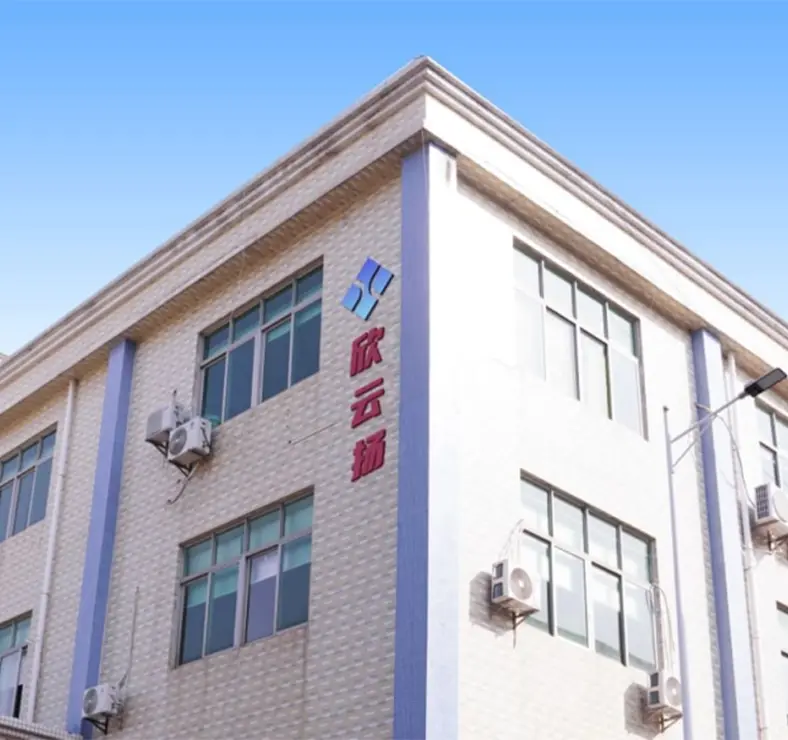
Founded in November 2014, Xinyunyang Precision Technology Co., Ltd. has steadfastly adhered to its core values of Integrity, Innovation, Cooperation, and Sharing. Over years of development and industrial application, we have grown into an industry-leading specialized provider of micro-machined systems and Hermetic structures.
With Kovar precision processing technology as our core competency, we deeply cultivate and deliver solutions in semiconductors, optical communications, aerospace, medical devices, new energy, and high-spec industrial sectors. Our focus on both structural reliability and chemical finish consistency makes us a prime partner for global supply chains seeking custom precision parts.
 High-precision processing capability Advanced technology and high-end equipment Strict E-E-A-T quality control protocols Flexible, customer-first customization services
Our industrial excellence is built on rigorous execution, expert knowledge engineering, and certified control workflows.
The company has a professional team of more than 100 people, of which technical engineers account for 30%. This structure guarantees that every engineering challenge receives expert analytical oversight and solid process design.
Our core members have been deeply engaged in precision metal processing for more than ten years, and continue to explore the composite processing technology of special metals such as Kovar, titanium alloys, and high-grade structural aluminum, proactively positioning themselves to meet high-end packaging needs in 5G, artificial intelligence, and new energy.
With the ISO 9001 certified quality management system and intelligent production scheduling system, Xinyunyang has increased the delivery efficiency of regular orders by 15%-20%, becoming a key supplier with both technical depth and service breadth in the global high-end manufacturing industry chain.
Step inside our high-tech workshop, where advanced production meets stringent quality controls.
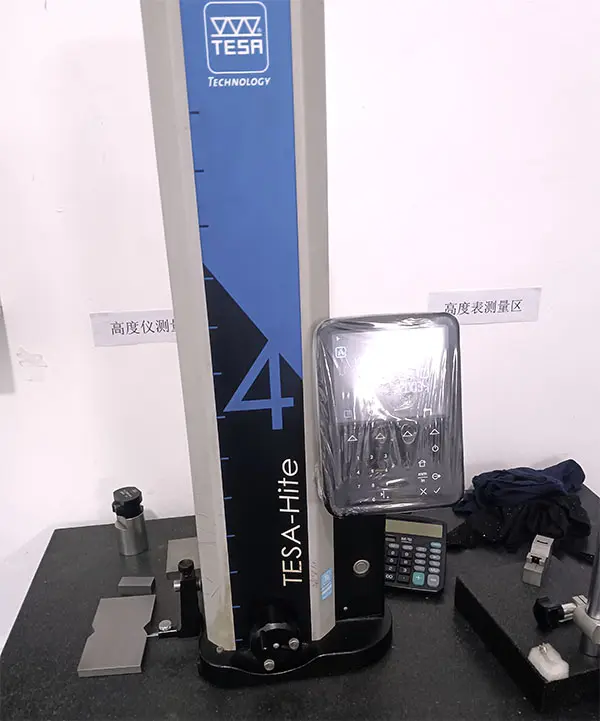
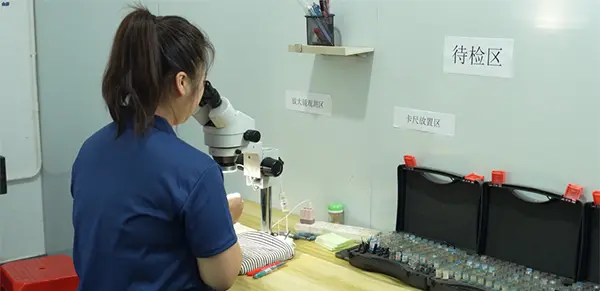
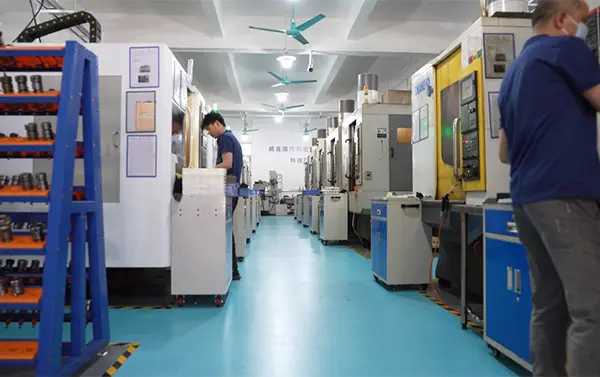
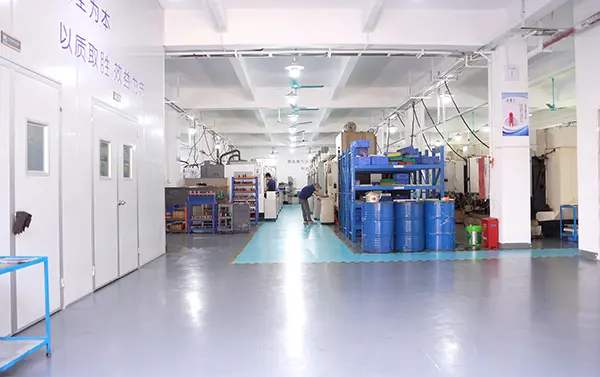
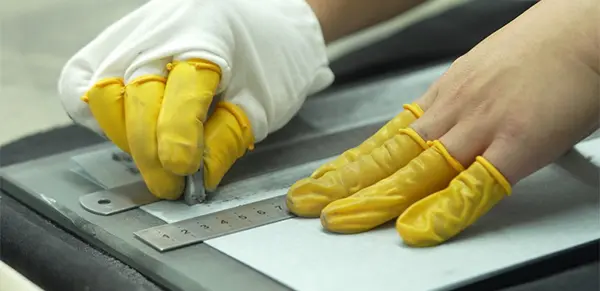
When global buyers search for "Anodized Aluminum Manufacturers", the question of efficiency, yield rate, and supply chain speed is always at the forefront. China's precision manufacturing ecosystem offers an unmatched comprehensive advantage that extends far beyond simple cost reduction. It represents a complex, fully integrated industrial cluster where design-for-manufacturability (DFM), rapid tooling prototyping, automated chemical lines, and localized testing are tightly localized.
At Xinyunyang, our advanced workflow integration enables a seamless transition from raw extrusion to chemical bath processes and final multi-axis CNC micro-machining. Our proprietary planning systems decrease total turnaround time by 15% to 20% compared to traditional standalone plants. By consolidating tooling setup and post-treatment anodization under unified technical oversight, we eliminate structural delays and guarantee a zero-defect processing cycle.
The applications for anodized aluminum and specialized hermetic materials are incredibly vast and vary greatly based on localized industrial environments. Understanding these unique environments is essential to choosing the proper electrochemical thickness and substrate composition.
Untreated aluminum quickly succumbs to galvanic corrosion and pitting in salt-laden coastal air. Marine-grade Type III hard anodizing produces a dense 50μm outer layer, allowing aluminum housings to replace heavy brass and bronze components seamlessly.
For electric vehicles (EVs), keeping weight low is vital. Anodized aluminum battery enclosures and heat sinks provide crucial weight reduction, superior structural protection, and vital electrical insulation to prevent high-voltage system shorts.
Autoclave chemical exposure and aggressive cleaning cycles destroy typical finishes. Highly inert, dense anodized coatings provide a clean, biocompatible surface that resists chemical wear, ensuring reliable performance in operating rooms and diagnostic labs.
As modern technology becomes smaller and more compact, the anodization industry is evolving rapidly. We are seeing a major shift from simple protective finishes to active functional surfaces. The integration of nanotechnology into anodizing baths allows for the creation of self-lubricating finishes by filling the natural porous structure of the aluminum oxide layer with fluoropolymers like PTFE. This development dramatically reduces friction coefficients in moving mechanical systems without requiring external wet lubricants.
Furthermore, sustainability has become an absolute necessity. Modern global enterprises mandate strict adherence to green regulations, including RoHS and REACH compliance. The industry is moving rapidly away from traditional chromic acid anodizing (CAA) towards safer sulfuric acid and tartaric-sulfuric acid systems (TSA). These new processes deliver excellent anti-corrosion properties and paint adhesion with a fraction of the environmental footprint.
Evaluating potential global manufacturing partners requires analyzing their specific engineering capabilities alongside standard commercial metrics. To ensure high-quality and reliable deliveries, procurement teams should utilize the following assessment checklist:
Expert technical insights to help engineers and procurement specialists make informed manufacturing and finishing decisions.
The differences lie in the operating temperature, current density, and resulting oxide layer thickness. Type II anodizing operates at warmer temperatures and yields a thinner oxide layer (typically 1.8μm to 25μm), making it ideal for decorative, color-dyed, and light industrial parts. Type III (Hardcoat) is processed near freezing temperatures with much higher voltage. This yields a dense, highly wear-resistant oxide coating (typically 50μm or thicker), perfect for demanding aerospace, military, and extreme friction applications.
While aluminum oxide itself has lower thermal conductivity than pure metal, the incredibly thin, chemically integrated nature of the anodized layer minimizes total thermal resistance. It offers an excellent path for heat dissipation while providing a high dielectric breakdown voltage. This makes it an ideal surface finish for high-power LED arrays, optical transceivers, and electric vehicle battery casing systems.
Yes, modern sulfuric-based anodizing processes are fully RoHS and REACH compliant. The anodic layer consists entirely of aluminum oxide and contains no heavy metals or hazardous chemicals. By using advanced sealing techniques that avoid toxic chromate sealants, manufacturers can provide clean, safe, and environmentally friendly components suitable for medical, household, and food-grade systems.
Yes, but it requires highly precise design calculations. The anodization process grows into the metal surface by about 50% of its total thickness and builds outward by the remaining 50%. A skilled engineering team must calculate this dimensional growth beforehand, machining the raw parts to a slightly smaller size to ensure the finished, anodized parts fall exactly within the final blueprint specifications.
Browse our selection of hermetic packages, high-vacuum seals, and CNC precision structural connectors.
 Xinyunyang Precision