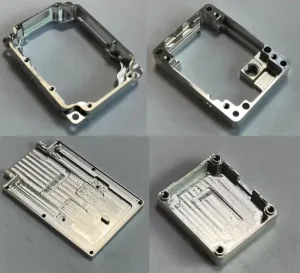
Explore our top-tier precision-engineered elements designed for extreme operating environments and heavy industrial applications.
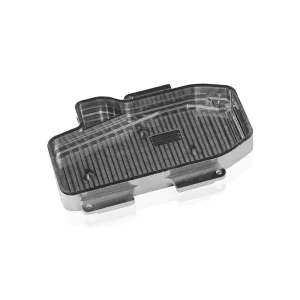
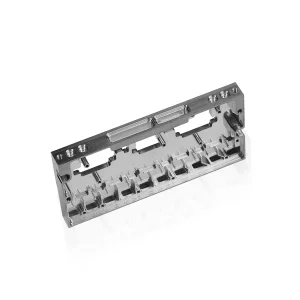
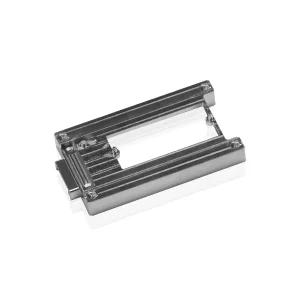
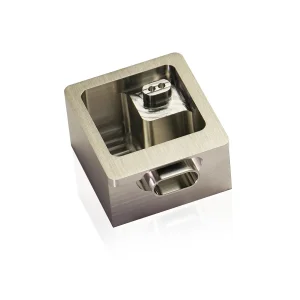
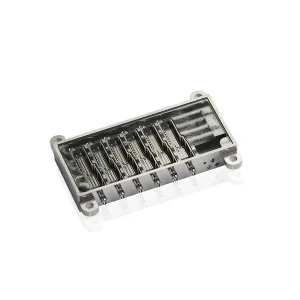
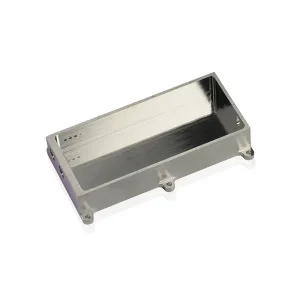
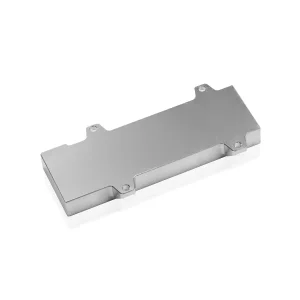
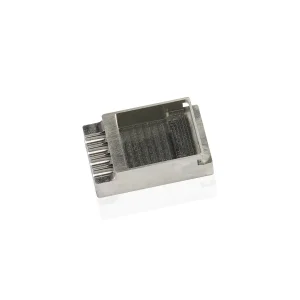
Cast aluminum alloys are fundamental to modern manufacturing, bridging the gap between design freedom and extreme physical stability. Unlike wrought aluminum, which undergoes intensive deformation processing, cast alloys achieve their complex shapes through precision casting techniques such as high-pressure die casting (HPDC), sand casting, and investment casting. The addition of alloying elements, mainly Silicon (Si), Copper (Cu), and Magnesium (Mg), gives cast aluminum its unique performance characteristics.
The properties of cast aluminum depend directly on the structural configuration of its grains. High silicon levels (ranging from 7% to 12% in alloys like A380 and A356) improve melt fluidity and wear resistance. In high-precision components like hermetic optical enclosures, these metallurgical qualities are crucial. Silicon forms an active eutectic system that minimizes shrinkage during cooling, preventing structural micro-cracks and ensuring high hermeticity.
Through advanced grain refinement and thermal treating (e.g., T6 tempering), suppliers can achieve a significant increase in tensile strength, making cast aluminum an excellent choice for thermal-shock environments.
Typical values for leading global structural casting systems (such as A380 and A356):
Understanding how macroeconomics, supply chain localization, and technical integration shape the sourcing of high-precision cast aluminum parts.
Global industrial supply chains are transitioning from raw cast output to high-precision, post-machined structural assemblies. High-performance computing, aerospace systems, and automated defense structures require enclosures that are strong, reliable, and precise. Manufacturers can no longer rely on simple castings; they need specialized post-casting treatments and micron-level CNC machining.
In regions like East Asia, advanced manufacturers have set new standards for CNC integration. Complex cast blanks undergo dry-machining, precision milling, and surface treatment to meet strict tolerances. By combining regional raw material advantages with highly automated machinery, these factories offer high-volume production with excellent quality control, making them key partners in critical global supply chains.
From optical networks and aerospace systems to energy distribution, cast aluminum alloys provide vital mechanical support.
Active 5G MIMO antennas and high-frequency optical transceivers rely on precision cast-aluminum chassis to dissipate heat and protect sensitive electronics. By combining these housings with low-expansion CTE Kovar components, engineers achieve excellent structural stability even during rapid temperature shifts.
In aerospace and extreme military applications, electronic subsystems must be sealed against moisture and dust. Specialized manufacturing setups use laser-weldable cast materials with integrated Kovar alloy components to ensure long-term, gas-tight seals in harsh environments.
Equipment housings in hospital diagnostics and cleanrooms require materials that resist corrosion, remain structurally stable, and support precise alignments. Precise machining of cast structures guarantees strict tolerances, satisfying both medical and cleanroom standards.
Founded in November 2014, Xinyunyang has built its business on the core values of Integrity, Innovation, Cooperation, and Sharing. Over the years, we have focused on Kovar precision processing technology, building a strong reputation as a reliable global supplier of miniaturized, customized, and highly dependable metal packaging solutions.
Our expertise covers critical industries, including semiconductors, optical communications, aerospace, medical devices, new energy, and defense systems. Leveraging advanced machining, we help customers integrate complex assemblies, bridging the gap between heavy structural components and delicate micro-electronic packaging elements.
 Certified Quality Excellence
Our core capabilities support high-precision manufacturing, helping global partners streamline their supply chains, reduce assembly errors, and ensure reliable thermal and mechanical performance across different environments.
More than 100 dedicated employees, with technical engineers making up 30% of our workforce.
Our core members bring over 10 years of experience in advanced precision machining, working with special metals like Kovar and titanium alloys.
Our ISO 9001 certified facilities and modern scheduling systems improve delivery times for standard orders by 15% to 20%.
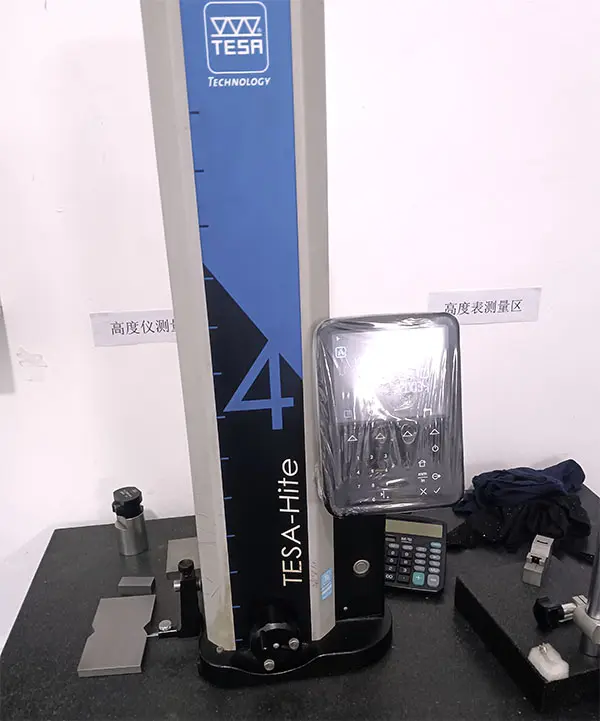
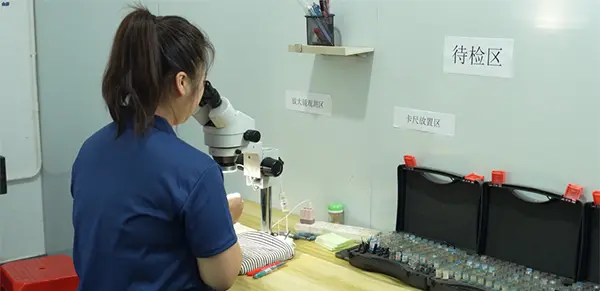
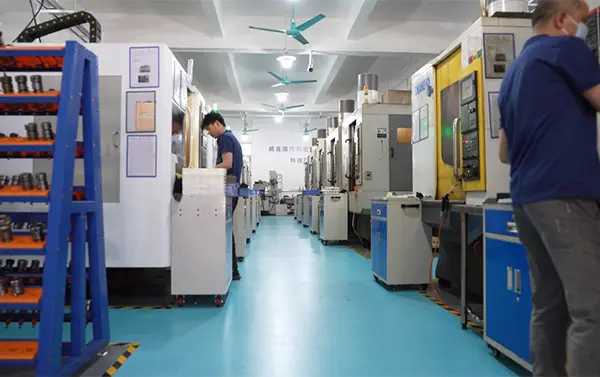
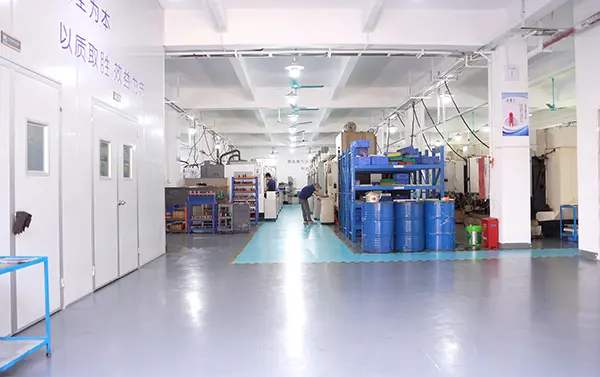
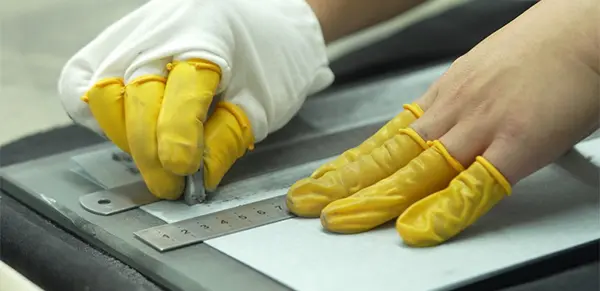
A look inside our advanced manufacturing facility, showing where high-precision castings and hermetic elements are made, post-processed, and verified.
Get professional answers to common questions about sourcing high-precision cast aluminum components and managing interface materials.
Cast aluminum alloys offer exceptional design flexibility, allowing you to cast complex, near-net-shape internal structures like cooling channels and structural ribs in a single step. This reduces assembly times, cuts down on mechanical fastening steps, and saves on raw material costs. Wrought materials, though strong, often require extensive and expensive CNC milling, especially for complex designs.
Silicon (Si) is added to improve the flow of molten aluminum, making it easier to fill intricate molds and reducing shrink-related defects. However, silicon particles are abrasive and can accelerate tool wear during machining. At Xinyunyang, we use specialized diamond-coated tooling and optimize our feed rates to achieve clean, precise cuts on silicon-heavy alloys, maintaining tight tolerances without compromising the surface finish.
To achieve reliable hermeticity, we control porosity during casting and perform precision surface milling afterwards. For critical electronic enclosures, we integrate low-expansion Kovar alloys into our designs. We use precise micro-laser welding and high-quality nickel/gold plating to ensure strong metal-to-metal and metal-to-glass seals. This setup provides long-term protection, keeping out dust and moisture even in harsh, volatile environments.
We provide complete material transparency and traceability for every batch. Our processes are ISO 9001 certified, and we supply material test reports, dimensional inspection certificates, and RoHS/REACH compliance documentation. This ensures all components meet international standards and conform to your exact engineering drawings.
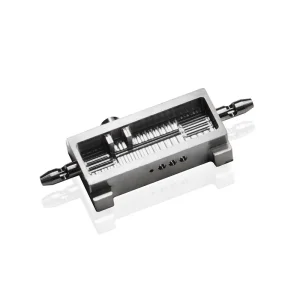
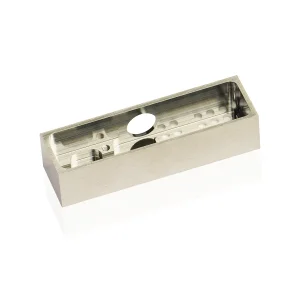
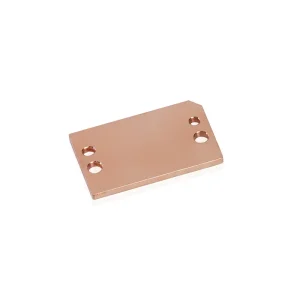
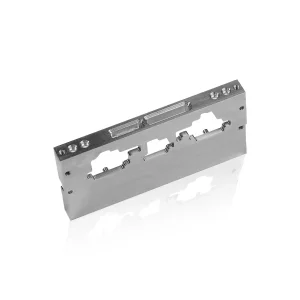
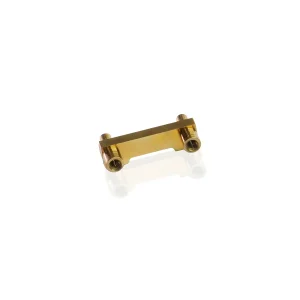
Review our second grouping of advanced components, highlighting specialized alloys, high-performance connectors, and precision-machined assemblies.
 Xinyunyang Precision