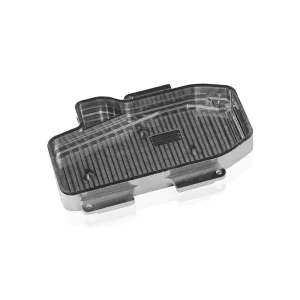
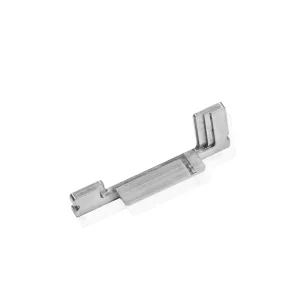
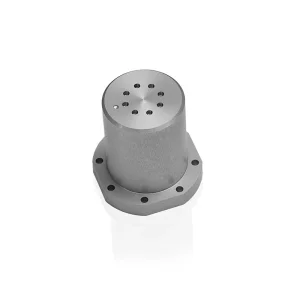
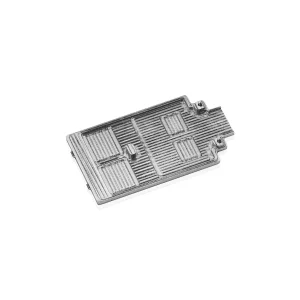
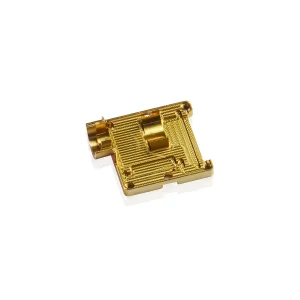
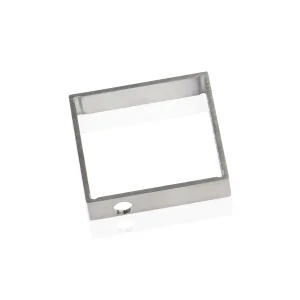
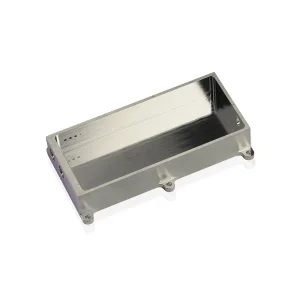
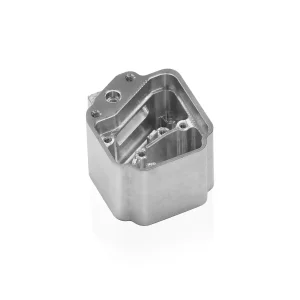
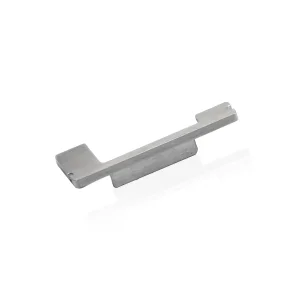
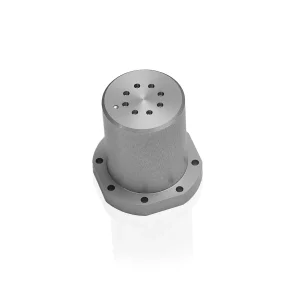
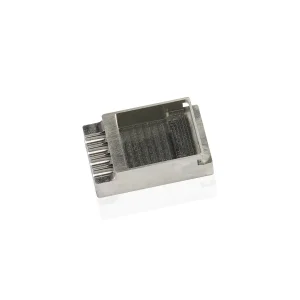
Explore our elite lineup of high-precision machined solutions tailored for the semiconductor, aerospace, and electronics sectors.
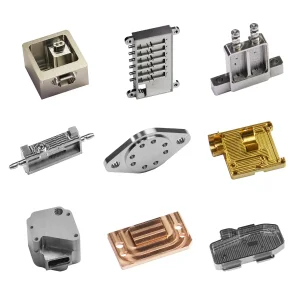
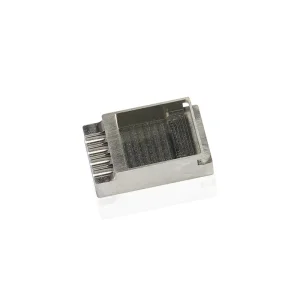
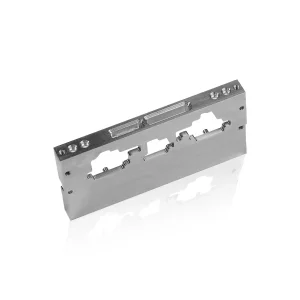
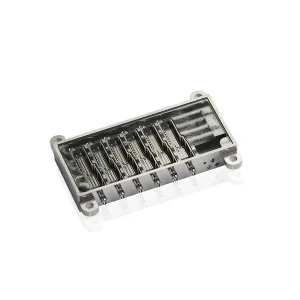
In the hyper-competitive global manufacturing landscape, purchasing managers and industrial engineers are no longer searching merely for individual machines; they are actively seeking complete dynamic processing ecosystems. The modern CNC Turning and Milling Center (frequently called a Mill-Turn Center) represents the pinnacle of multi-axis machining technology. By combining standard lathe turning capabilities with high-speed secondary milling spindles, these complex setups allow high-complexity parts to be produced under a singular program structure. The main industrial imperative driving this transition is the "Done-in-One" process methodology—where raw bars or blanks enter the machine envelope and emerge as finished, highly complex geometric products.
For materials such as Kovar (ASTM F15), high-grade titanium, and specialized stainless steels, multiple setups on traditional separate CNC mills and lathes create compounding tolerances. Each manual re-fixturing introduces minute alignment deviations (often between 10µm to 50µm). A integrated multi-axis CNC Turning and Milling Center bypasses this spatial error accumulation entirely, delivering dimensional and geometric tolerances at sub-micron levels (< 3µm). When sourcing custom components, partner companies rely on this integrated setup to optimize production costs while ensuring defect-free hermetic seals, connectors, and aerospace housings.
Multi-axis simultaneous systems integrate C-axis, Y-axis, and B-axis controls, enabling cross-drilling, angular milling, and off-center threading on a singular platform.
Single-clamp execution dramatically mitigates stack-up errors, guaranteeing strict compliance with challenging Geometric Dimensioning & Tolerancing (GD&T) targets.
Eliminating WIP buffer zones and transfer times allows precision factories to speed up typical lead times by 15% to 20%, resulting in dynamic supply-chain resilience.
Founded in November 2014, Xinyunyang Precision Technology Co., Ltd. has established itself as an innovative industrial benchmark in precision processing. Operating with absolute commitment to our founding core principles—Integrity, Innovation, Cooperation, and Sharing—we offer specialized advanced manufacturing architectures built to serve the global high-tech tier-1 supply chain.
Our technological footprint focuses primarily on Kovar precision processing technology as our foundational asset. Over years of intensive engineering R&D, we have strategically aligned our production capabilities to address strict demands within semiconductors, optical communications, aerospace, medical devices, new energy, and defense segments.
We specialize in designing and delivering customized, highly reliable metal hermetic packaging lids, Kovar alloy components, and specialized multi-axis CNC parts. Through intensive capital investments in five-axis machining structures, high-performance turn-mill centers, and state-of-the-art CMM metrology, Xinyunyang remains positioned to satisfy your micro-scale manufacturing needs.
Professional Team Members
Technical Engineers & Metallurgists
Industry Benchmark Leadership
Quality Management Certified System
Machining challenging alloys like Kovar (4J29) demands profound metallurgical expertise. Kovar is an iron-nickel-cobalt alloy designed with a thermal expansion coefficient that closely matches that of borosilicate glass. This feature makes it highly prized for hermetic sealing applications in semiconductor optoelectronics, military-grade sensors, and optical transceivers.
However, Kovar behaves poorly under conventional high-speed milling. Its high ductility, low thermal conductivity, and work-hardening nature lead to immediate tool wear, surface tears, micro-burring, and structural deformation. Our advanced CNC Turning and Milling Centers utilize custom carbide cutting geometries, pressurized through-spindle coolant delivery (above 70 Bar), and optimized cutting speeds (Vc) to suppress thermal accumulation at the tool-chip interface. By integrating milling and turning passes, we eliminate manual part repositioning, preventing micro-stress fractures and guaranteeing airtight seals.
| Alloy Grade | Primary Industrial Use Case | Machining Challenge | Xinyunyang Mill-Turn Solution |
|---|---|---|---|
| Kovar Alloy (4J29 / ASTM F15) | Glass-to-metal seals, fiber optic modules, sensor housings | Extreme work hardening, high ductility, micro-burr generation | Coated micro-grain tools, synchronized multi-axis deburring cycles |
| Titanium Alloys (Ti-6Al-4V Grade 5) | Aerospace structural assemblies, medical orthopedic implants | Low heat dissipation, severe tool-workpiece adhesion at high feed rates | Pressurized chip evacuation, variable helix end mills, adaptive toolpath strategies |
| Alloy Tool Steels (D2, H13) | Ultra-precision tooling fixtures, durable stamping dies | Severe abrasiveness, extreme hardness properties post heat-treatment | High-rigidity machine beds, hard milling setups, thermal-fit tooling sleeves |
| Stainless Steel 316L / 304 | Fluid-control assemblies, offshore subsea connectors, medical frames | Unpredictable chip breakage, localized heat accumulation | High-speed dynamic trochoidal milling, constant surface-speed turning adjustments |
Global buyers frequently assess the strategic pros and cons of localizing production vs sourcing from premium overseas precision centers. China's Southern manufacturing hubs present a uniquely dense network of suppliers, integrating tool design, metallurgical refinement, surface finishing, and quality verification within tight geographic clusters.
At Xinyunyang, our advanced material-handling procedures and computerized ERP systems translate this cluster efficiency into direct economic benefits for our international partners. When you buy from a specialized Chinese manufacturer like Xinyunyang, you gain key business advantages:
We source premium, certified raw Kovar and specialty metals directly from leading domestic and international mills, complete with full SGS/chemical composition testing records.
Our intelligent production scheduling and flexible machinery workflows allow us to ship custom-made samples 15% to 20% faster than standard European or domestic US workshops.
By combining multi-axis turning and milling operations in a single production stage, we minimize manual scrap rates, reduce energy consumption, and lower operational overheads.
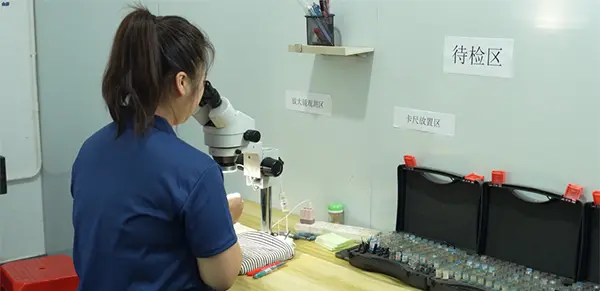
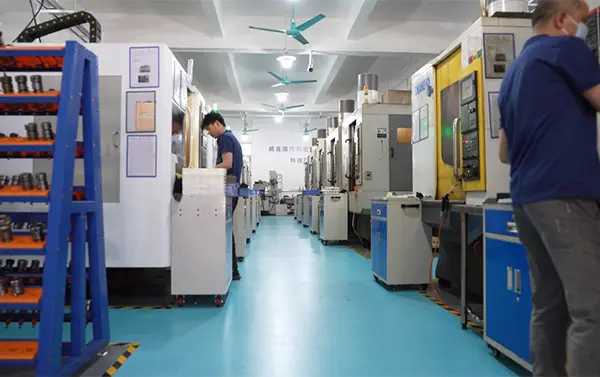
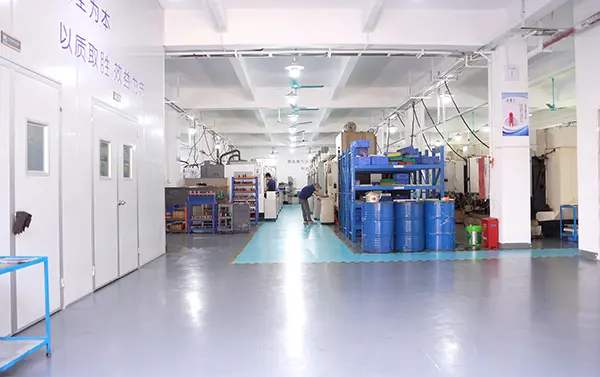
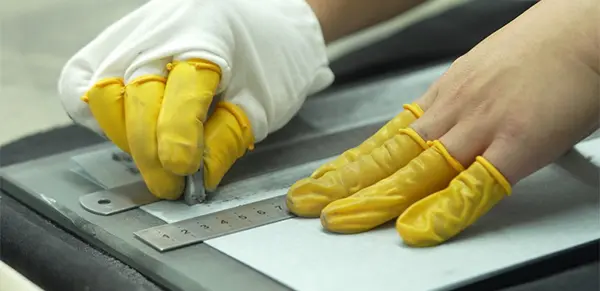
Take a closer look at our advanced cleanroom, CNC production lines, and high-precision testing facilities.
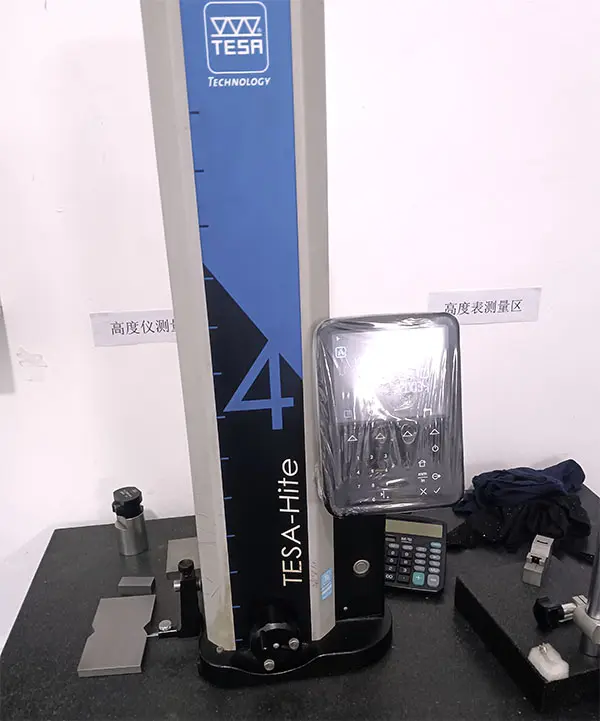
Expert technical answers to key questions about sourcing and manufacturing custom components with CNC Mill-Turn systems.
Browse additional specialized parts and systems engineered to the highest international tolerance standards.
 Xinyunyang Precision