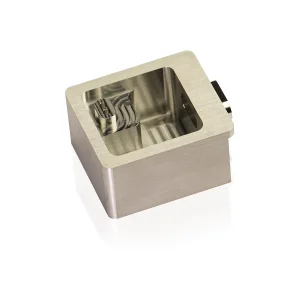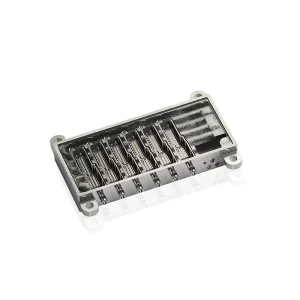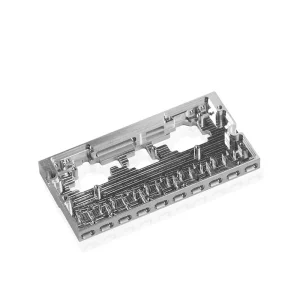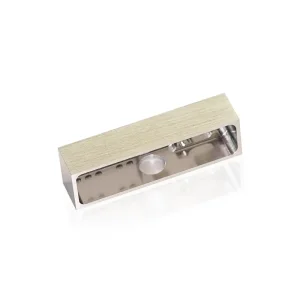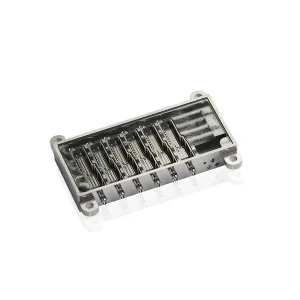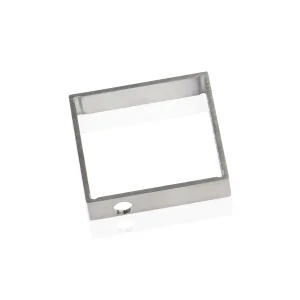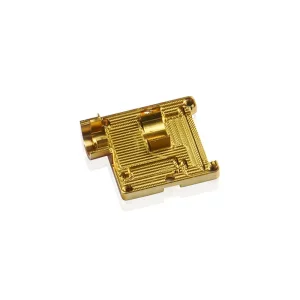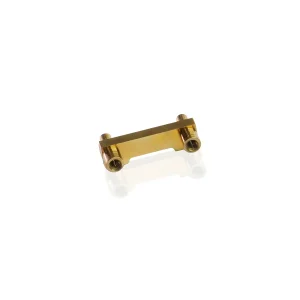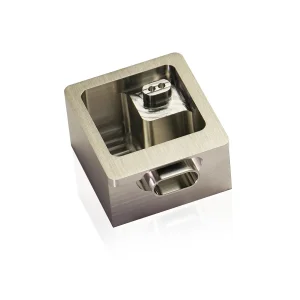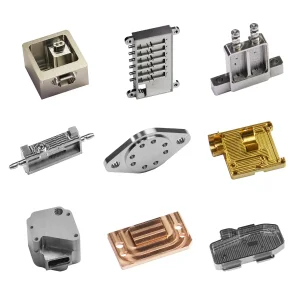
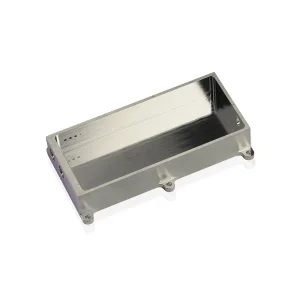
In modern precision engineering, the production of complex components for safety-critical systems often begins with a casting process to establish the near-net shape. Whether it is investment casting, sand casting, or pressure die casting, these initial methods offer unparalleled freedom of geometry and high material yields. However, as advanced industries progress, the limits of raw casting become highly apparent. For sectors such as aerospace avionics, semiconductor packaging, medical devices, and high-frequency 5G telecommunication arrays, standard casting tolerances are simply inadequate. This is where machining after casting becomes an absolute metallurgical and geometric necessity.
"Raw casting provides the skeletal structural morphology; post-casting precision CNC machining imparts the functional soul. Combining both techniques balances structural density, thermal dissipation profiles, and sub-micron scale dimensional compliance."
Casting processes, by their thermal nature, are subject to shrinkage, surface porosity, uneven grain structures, and rough finish characteristics. To bridge the gap between casting limitations and strict system-level specifications, modern manufacturers must utilize complex multi-axis CNC milling, turning, grinding, and electro-discharge machining (EDM) procedures. This integration of methodologies allows engineering teams to optimize mechanical load transmission, achieve hermetic levels of sealing, and maintain crucial thermal contact surface compliance.
Enabling sub-micron coplanarity on housing lids and thermal planes, critical for long-term hermeticity in extreme vacuum environments.
Processing specialty alloys such as Kovar (4J29) and titanium to withstand high vibrations, cosmic radiation, and aggressive thermal cycling.
Delivering absolute flatness for optimal signal integrity in optical module housings and active antenna array structures.
On a macro-industrial scale, the market for post-casting machining has transitioned from local service networks to complex global supply systems. This evolution is driven by the rise of complex aerospace assemblies, localized electric vehicle chassis integrations, and high-frequency communication structures. According to recent industrial data, the demand for precision post-cast finishes is growing at a CAGR of 6.8% globally, with high-performance alloys and multi-axis CNC services leading the sector.
| Industry Attribute | Conventional Raw Casting | Post-Casting CNC Machining | Typical Target Applications |
|---|---|---|---|
| Dimensional Tolerance | ±0.1 mm to ±0.5 mm | ±0.005 mm to ±0.01 mm | High-reliability military connectors, Avionics |
| Surface Finish (Roughness) | Ra 3.2 μm – 12.5 μm | Ra 0.4 μm – 0.8 μm (or finer) | Hermetic packaging, RF shield chambers |
| Metallurgical Integrity | Susceptible to micro-voids at surface | Exposes and eliminates weak layers | Vacuum enclosures, Cryogenic vessels |
| Geometric Complexity | Limited draft angles and deep channels | Unlimited vertical structures, undercut channels | Multi-layer cooling blocks, optical housings |
Furthermore, modern manufacturers are facing strict environmental mandates. Sustainability structures, carbon footprint reductions, and circular economy protocols are shaping the global market. Leading factories, such as Xinyunyang Precision Technology Co., Ltd., have proactively adapted by validating conflict-free sourcing routes (such as ESG-Validated Kovar) and implementing circular coolant reuse systems. This commitment ensures compliance with strict regulatory regimes such as RoHS, REACH, and domestic defense standards.
Transitioning a cast part into a high-precision aerospace or semiconductor component requires a rigorous sequence of engineering phases. The roadmap below outlines the process required to eliminate residual casting stress, protect physical metallurgy, and produce sub-micron details.
During the casting process, non-uniform cooling rates introduce internal mechanical stresses. Prior to CNC tooling, parts undergo precisely controlled thermal annealing to prevent distortion during subsequent metal removal.
Unlike raw bar stock, casting geometries have variations. Using 3D blue-light laser scanners, the cast parts are measured to generate adaptive coordinate systems, aligning optimal toolpaths to the physical centers of each piece.
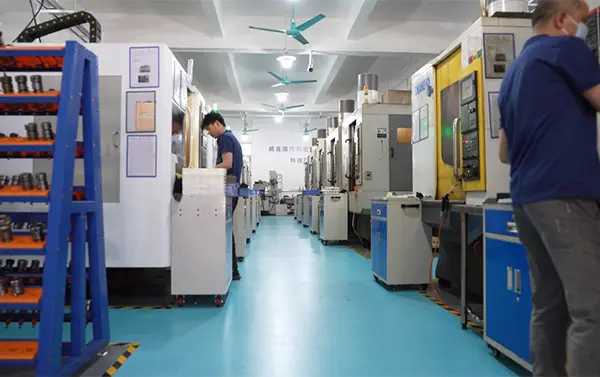
High-speed, multi-axis machining centers perform critical feature generation. Threaded interfaces, sealing grooves, and micro-cavities are milled with exact coolant control to maintain local material temperatures.
For alloys like Kovar (4J29), custom surface treatments are applied. Electrolytic or electroless plating with nickel and gold creates corrosion-resistant barriers that facilitate reliable soldering or wire bonding.
In high-vacuum microelectronics and optical communications, sealing electronic circuits against outer environments is crucial. Many common engineering metals, like aluminum or copper, exhibit high coefficients of thermal expansion (CTE). When subjected to thermal variations, these materials expand and contract rapidly, fracturing glass or ceramic insulators and causing hermetic seal failures.
To prevent these failures, Kovar Alloy (4J29) is widely used. Kovar is an iron-nickel-cobalt alloy whose coefficient of thermal expansion matches that of borosilicate glasses and alumina ceramics. This matching ensures stable interfaces across wide temperature ranges (from -80°C up to 450°C), making it a key material for military and aerospace hermetic packages.
However, machining Kovar after casting is a challenging process. Kovar's cobalt content makes it highly abrasive, leading to rapid tool wear. The material also work-hardens quickly during cutting, which can distort delicate geometries. Overcoming these challenges requires specialized CNC knowledge, rigid setups, and precise feed rates. Xinyunyang Precision Technology Co., Ltd. has developed dedicated tooling systems and machining strategies to manufacture thin-walled, multi-cavity hermetic Kovar components without compromising their sealing capabilities.
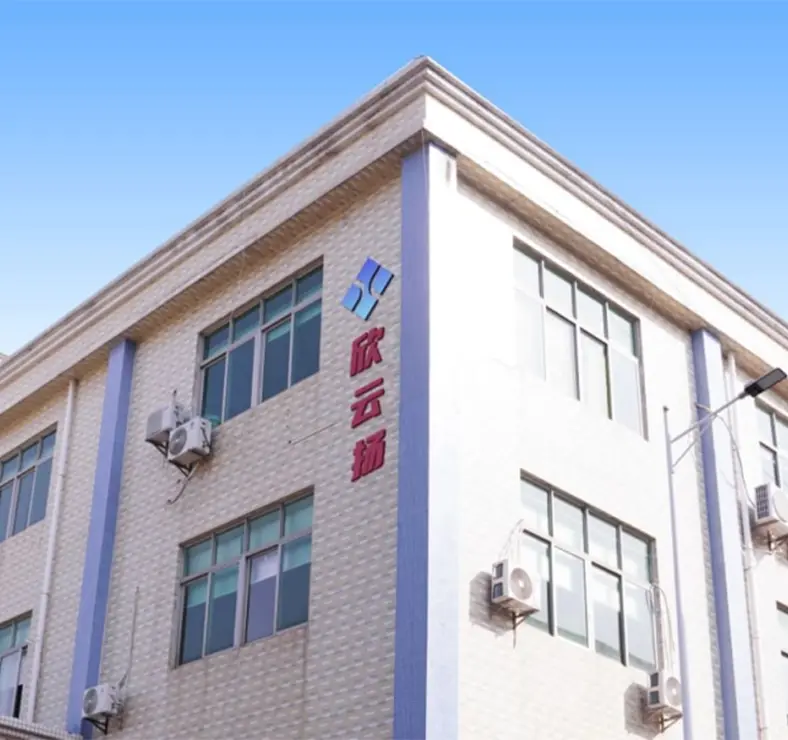
Founded in November 2014, Xinyunyang Precision Technology Co., Ltd. has grown to become a recognized leader in precision processing technologies. From the beginning, the company has adhered to its initial intention of industry, sticking to the core business principles of Integrity, Innovation, Cooperation, and Sharing.
The company focuses on Kovar precision processing technology as its core competitiveness, deeply cultivating the fields of semiconductors, optical communications, aerospace, medical devices, and new energy / military industries. We are committed to providing miniaturized, customized, and highly reliable metal packaging solutions to global customers. Our goal is to remain a significant hermetic package lid, Kovar alloy component, and precision parts supplier in China and worldwide through continuous technical evolution.
 High-precision processing capability
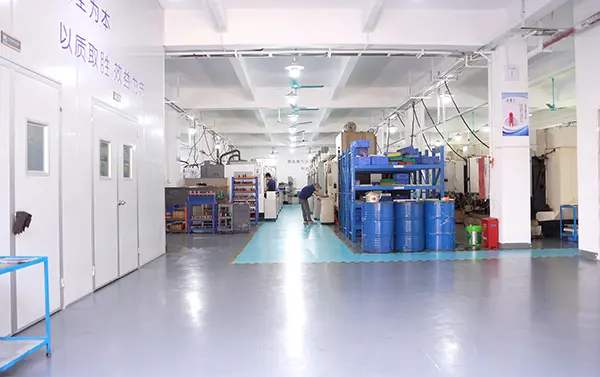
Advanced technology & equipment
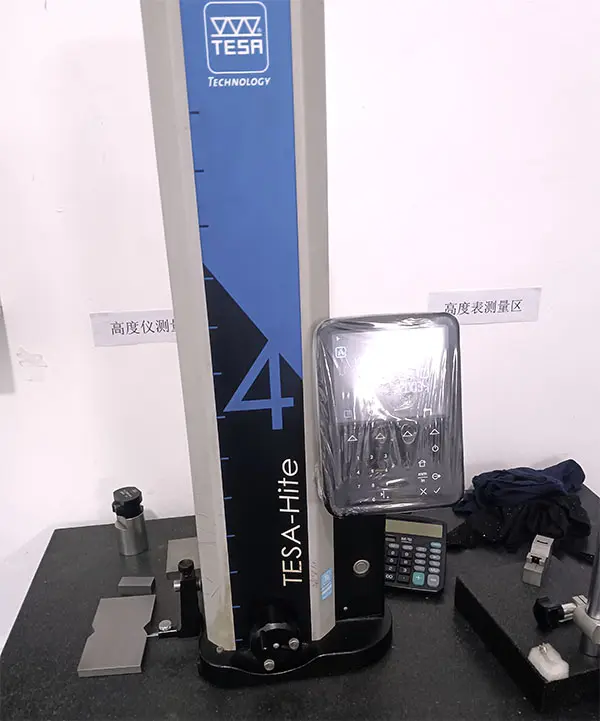
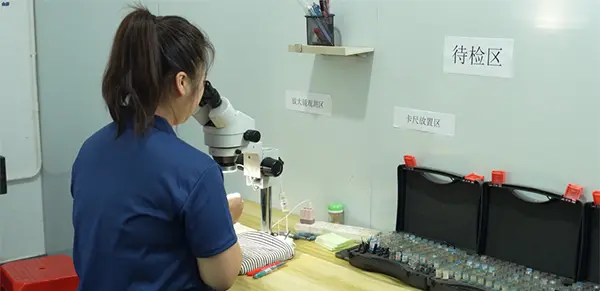
Strict quality control
Flexible customized services
High-precision processing capability
Advanced technology & equipment
Strict quality control
Flexible customized services
Our focus on precision engineering is backed by dedicated human capital, continuous research into special alloys, and an integrated manufacturing management framework.
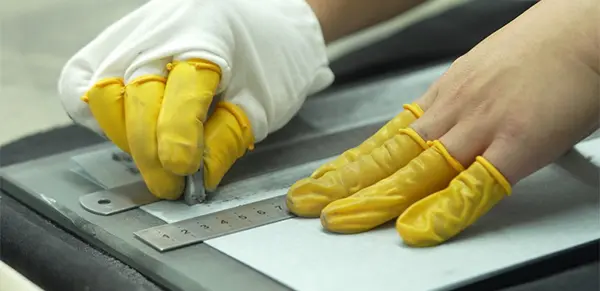
Sourcing machined cast products globally requires balancing supply chain visibility, component quality, and delivery schedules. The modern procurement officer must evaluate potential manufacturers not just by price, but by their overall manufacturing capability, material traceabilities, and capacity to handle post-casting complexities.
At Xinyunyang Precision Technology, we address these challenges through a unified approach. By managing both the raw casting supply and the final high-precision CNC finishing under a single ISO 9001:2015 quality control system, we eliminate common supply chain delays. Our process ensures clear coordinate datums, controls internal mechanical stresses, and applies final electroplated finishes within the same facility.
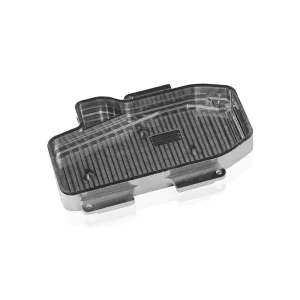
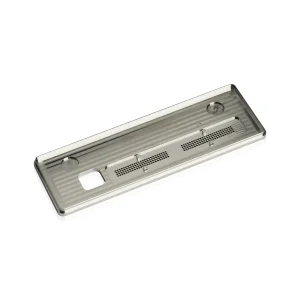
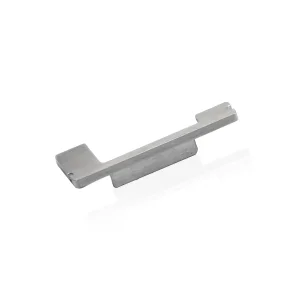
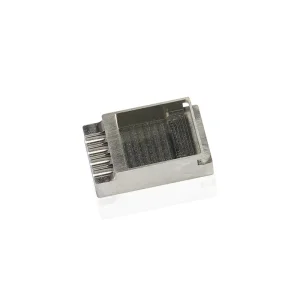
 Xinyunyang Precision