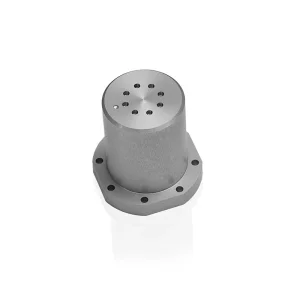
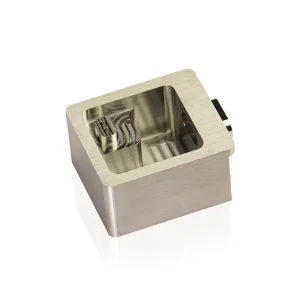
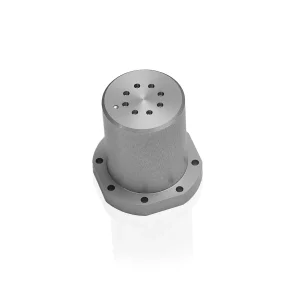
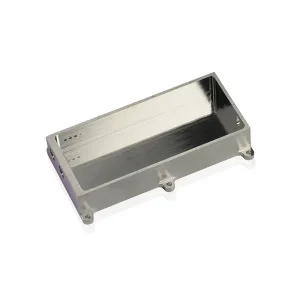
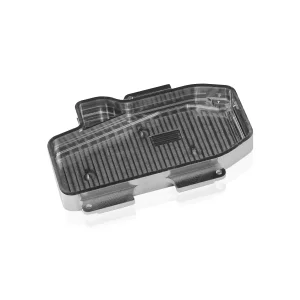
Explore our signature range of precision processed components, specialized alloys, and hermetic packaging designs manufactured to global industrial standards.
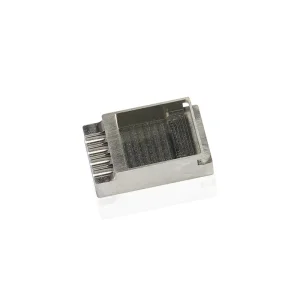
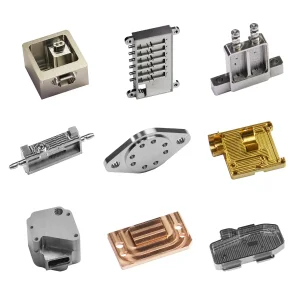
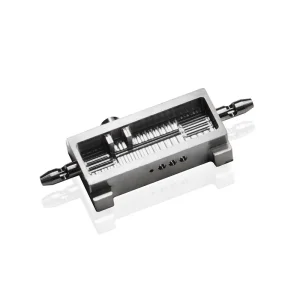
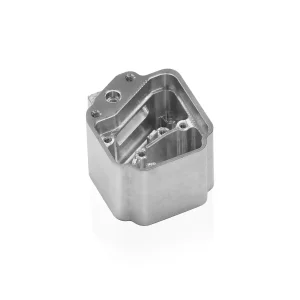
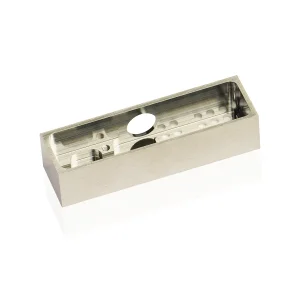
In the fields of microelectronics, optoelectronics, aerospace, and semiconductor manufacturing, environmental isolation is critical. High-value electronics must be sealed inside rugged enclosures that protect delicate components from moisture, atmospheric gases, and pressure differentials. Kovar alloy (UNS K94610 / ASTM F15 / 4J29), a vacuum-melted iron-nickel-cobalt alloy, stands as the premier material for these challenging applications.
Kovar's global dominance is defined by its thermal performance. Its Coefficient of Thermal Expansion (CTE) is engineered to precisely match that of hard glasses (such as borosilicate glass) and alumina ceramics over a wide temperature range (-70°C to 500°C). When glass-to-metal seals (GTMS) or ceramic-to-metal junctions are heated during production, or subjected to deep-space thermal cycling, they expand and contract in perfect synchrony. This eliminates thermal stresses that otherwise cause mechanical fracturing, seal degradation, and catastrophic vacuum leaks.
For systems operating in deep space, high-frequency telecommunications (5G/6G microwave systems), or critical defense hardware, a hermetic envelope is not optional—it is the line between long-term operational success and sudden systemic failure.
Why modern hardware innovators can no longer afford high minimum order requirements when selecting custom hermetic packaging factories.
 Accelerated R&D Iteration
Early-stage engineering prototypes require physical form factors for vibration, thermal dissipation, and RF validation. Rigorous Low MOQ protocols allow design teams to order between 5 and 50 custom Kovar cavities, modify the blueprints based on physical telemetry, and re-order in real time without massive capital commitment.
Mitigated Financial Exposure
Traditional metal forming factories demand thousands of units to offset set-up expenses and tool wear. By leveraging dynamic tooling setups, digital manufacturing architectures, and advanced CNC scheduling, our agile factory structures allow tier-1 space enterprises and innovative silicon valley startups alike to order exactly what they need, minimizing inventory carry costs.
Seamless Bridge to Volume
Choosing a Low MOQ partner that possesses high-volume scale capabilities guarantees that your early prototypes are processed under the exact same structural parameters, tooling regimes, and quality-control standards as your ultimate production runs. This alignment significantly decreases validation cycle durations.
Kovar is notoriously difficult to machine due to its work-hardening properties and thermal conductivity. Here is how our specialized factory controls the process.
Because of its high nickel and cobalt content, Kovar is highly ductile and work-hardens rapidly during cutting operations. If the cutting tool dwells or rubs against the metal without proper chip clearance, it creates a hardened glaze on the workpiece surface, leading to imminent tool breakage and dimensional deviations.
Our specialized CNC machines utilize ultra-sharp carbide or ceramic tooling with negative rake angles, maintaining heavy, consistent feed rates and positive chip loads. This pushes the tool edge beneath the work-hardened layer, preventing friction and ensuring smooth material displacement.
For critical applications, such as deep-space optoelectronics and high-vacuum feedthroughs, the presence of residual sulfur-based or chlorine-based cutting fluids can cause microscopic contamination. These organic compounds can outgas when placed under deep vacuum, clouding mirrors, shorting electrical pins, and ruining optical sensors.
Xinyunyang employs advanced Dry-Machining protocols to achieve surface roughness indices of Ra < 0.3μm without the use of liquid coolants. Instead, we use micro-dose compressed gas cooling alongside diamond-like carbon (DLC) coated tooling, yielding exceptionally clean parts ready for immediate vacuum deployment.
A machined Kovar enclosure is only as good as its hermetic seals and corrosion resistance. In raw form, Kovar is susceptible to oxidation in humid or marine environments. To prevent this, housings must be plated with precise layers of Electrolytic Nickel and High-Purity Gold (conforming to MIL-DTL-45204).
Our post-machining process features rigorous chemical de-greasing, acid pickling to remove embedded carbon elements, and decarburization heat treatment in wet hydrogen atmospheres. This ensures flawless adhesion of the nickel/gold layer, preventing micro-blistering during glass-to-metal sealing temperatures that often exceed 1000°C.
For high-frequency microwave applications, cavity walls must be incredibly thin (often down to 0.2mm) to reduce weight, while maintaining perfect flat surfaces across sealing flanges. Our multi-axis machining centers utilize active thermal compensation systems, retaining machining tolerances within ±0.005mm (5 microns) to ensure failure-free glass-to-metal feedthrough matches.
Deeply Rooted in High-Precision Metal Packaging Solutions Since 2014
Founded in November 2014, Xinyunyang Precision Technology Co., Ltd. has established itself as an industry-leading specialist in advanced metal processing. From the beginning, the company has adhered to its initial intention of industry, sticking to the business principles of Integrity, Innovation, Cooperation, and Sharing.
We focus on Kovar precision processing technology as our core competitiveness, deeply cultivating the fields of semiconductors, optical communications, aerospace, medical devices, and new energy/military industries. We are fully committed to providing miniaturized, customized, and highly reliable metal packaging solutions to global customers.
Through continuous effort, collaboration with global R&D labs, and investments in cutting-edge manufacturing equipment, our goal remains clear: to be the most reliable hermetic package lids, Kovar alloy components, and precision parts supplier in China and worldwide.
How Xinyunyang translates engineered theory into highly repeatable industrial realities.
Our company boasts a dedicated, highly trained professional team of more than 100 people, with veteran technical engineers accounting for 30% of the entire workforce. This deep engineering concentration allows us to troubleshoot challenging glass-to-metal expansion profiles and design optimization issues directly with your R&D team.
Xinyunyang's core members have been deeply engaged in precision metal processing for more than ten years. We continue to explore composite processing technologies for specialized metals like Kovar, Invar, Titanium Alloys, and Copper-Tungsten. We proactively lay out production capability for the cutting-edge packaging needs of 5G, artificial intelligence, and new energy.
Operating under an ISO 9001 certified quality management framework paired with an intelligent production scheduling system, Xinyunyang has successfully increased the delivery efficiency of regular orders by 15% to 20%. This makes us a highly responsive, key supplier with both outstanding technical depth and service breadth in the global high-end manufacturing industry chain.
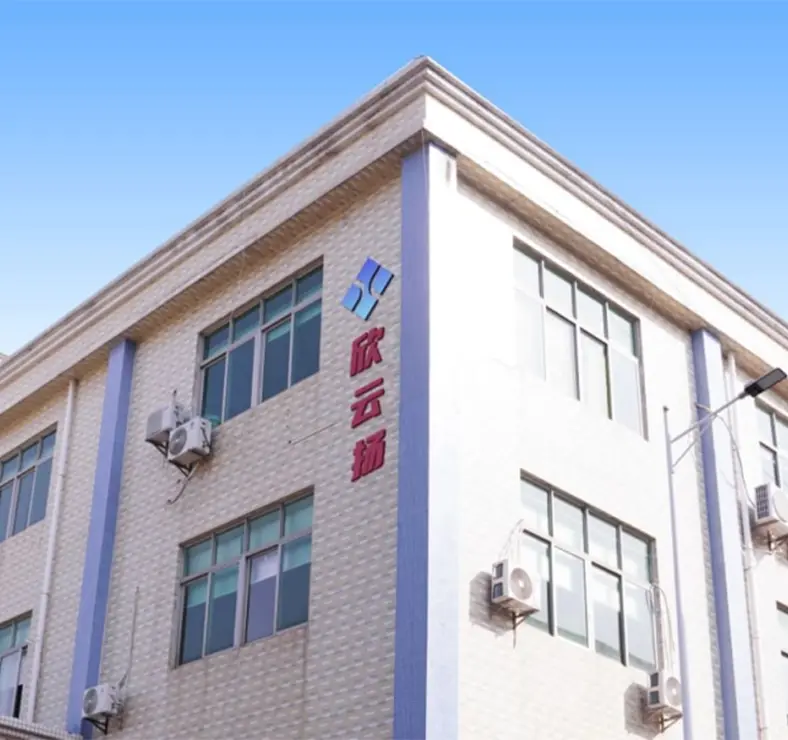
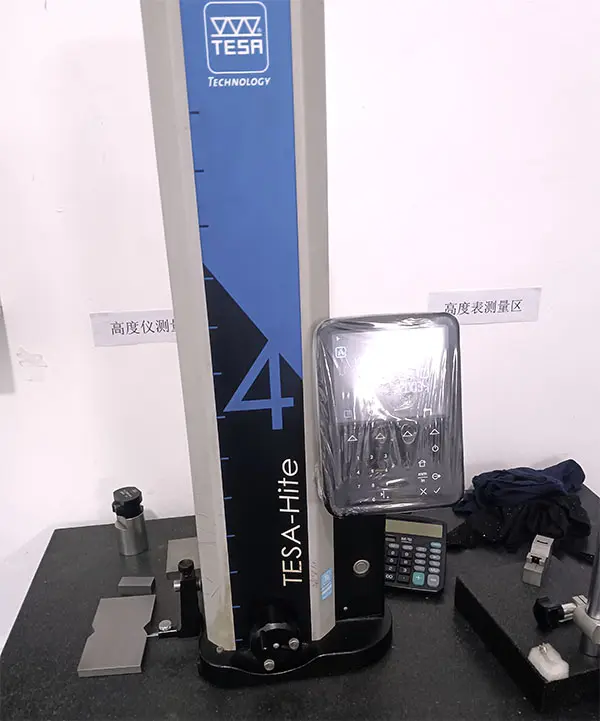
An inside look at our state-of-the-art manufacturing campus, cleanrooms, and high-precision inspection centers.
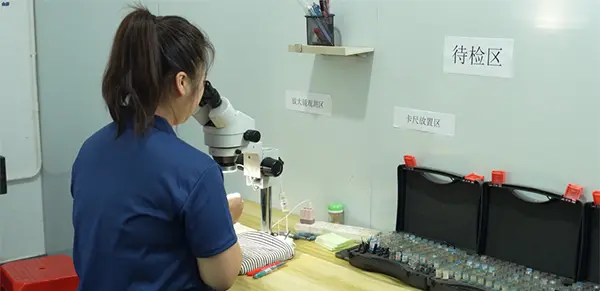
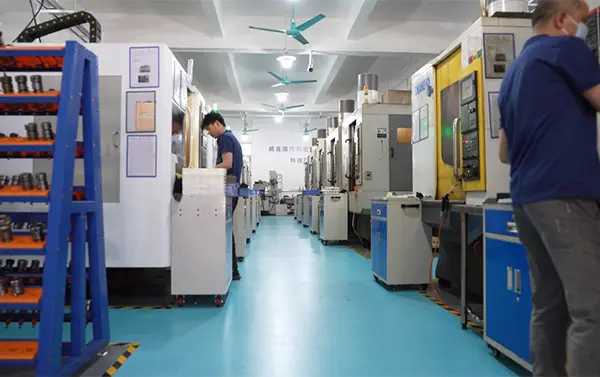
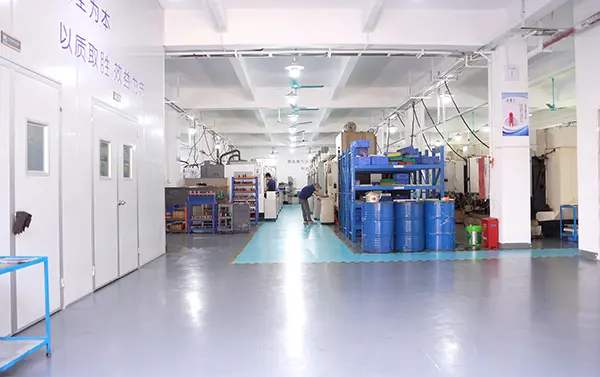
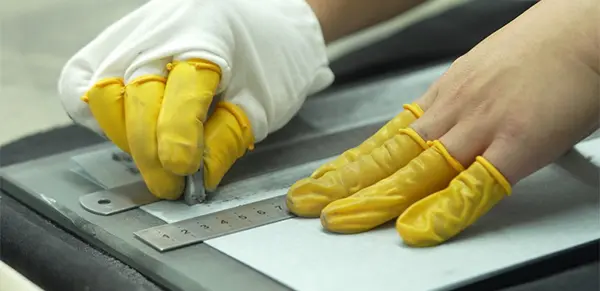
Addressing key compliance metrics, supply security, and macro-level industry requirements for international technical buyers.
For defense contractors, aerospace companies, and tier-1 system integrators, components must meet strict material traceability metrics. Sourcing raw materials from verified ASTM F15 melt sources with full chemical analysis reports is mandatory. We provide certificate analysis sheets detailing precise iron, nickel, and cobalt fractions down to the PPM scale.
Additionally, all our manufacturing processes are optimized to align with REACH and RoHS environmental protocols, ensuring hazardous heavy metals and chemical elements are excluded from our surface finishes. This supports frictionless regulatory audits and easy localization transitions.
A key issue for global procurement directors is single-source supplier vulnerabilities. To counter this, Xinyunyang acts as a highly resilient primary or secondary manufacturing partner. By holding extensive stock of raw 4J29 Kovar plates, bars, and pre-formed blocks, we insulate our global clients from bulk market fluctuations and logistics disruptions.
Our intelligent inventory management system, combined with flexible CNC setup processes, allows us to transition from initial CAD prototypes to volume production without missing a single delivery deadline.
How Xinyunyang continues to pioneer advancements in hermetic sealing materials and micro-cavity manufacturing.
As AI processors and optoelectronic transceivers pack higher power densities into ever-smaller footprints, thermal management is key. Our engineering team is developing toolpaths to machine structural cavity walls down to 0.15mm thickness while retaining full structural stiffness and seal plane flatness.
To solve extreme heat-flux issues, we are researching hybrid manufacturing technologies. By bonding high-conductivity copper or copper-tungsten thermal paths directly inside a matched-expansion Kovar perimeter, we can offer custom packages with localized thermal-sink targets without compromising hermetic seal boundaries.
Implementing machine-learning tool wear prediction and adaptive milling control systems. Real-time vision scanners inside the CNC cabinet will monitor live tool deflection to dynamically adjust spindle coordinates, ensuring zero defects and sub-micron repeatability across massive manufacturing volumes.
Detailed technical answers to common questions about Kovar housing sourcing, processing, and application.
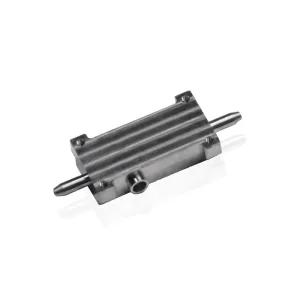
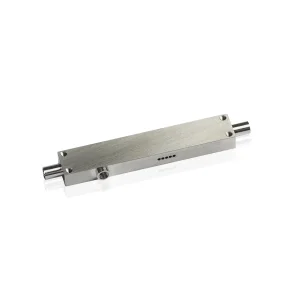
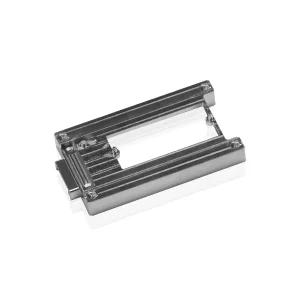
Complete your design with our high-reliability micro-machined connectors, specialized actuator components, and heat dissipation structures.
 Xinyunyang Precision