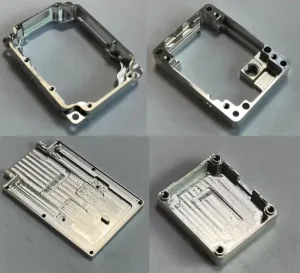
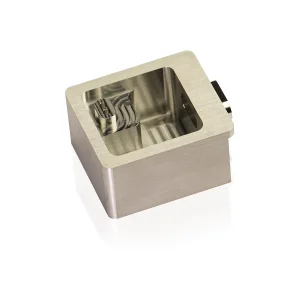
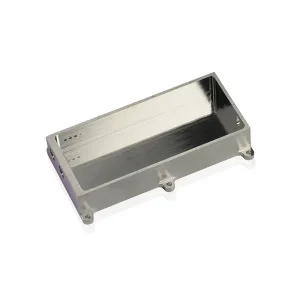
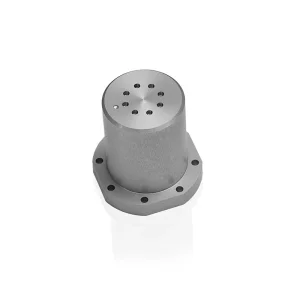
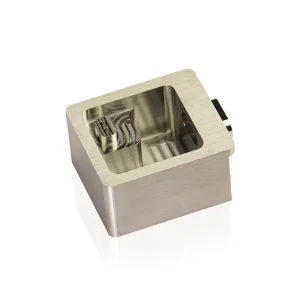
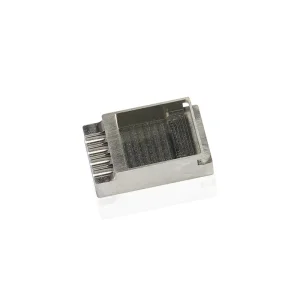
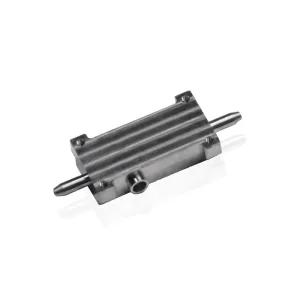
In modern industrial manufacturing, the demand for geometry-focused, tight-tolerance components has expanded exponentially. As aerospace structures, semiconductor microelectronics enclosures, and medical implants achieve ever-greater structural density, traditional 3-axis or 4-axis subtractive methods encounter critical barriers. Multiple setups introduce microscopic stacking errors, driving down spatial repeatability and inflating waste metrics.
Deploying a 5-Axis CNC configuration provides the terminal solution. By rotating and tilting the tool or workpiece across the X, Y, Z, A, and B axes, complex undercuts, compound angles, and complex curved surfaces are processed in a single, continuous clamping setup. For high-growth enterprises and precision factories, purchasing a second-hand 5-axis CNC machine represents an optimized approach to acquisition. This strategy scales up technical processing capabilities while preserving critical capital layout for system integration, engineering R&D, and specialized materials sourcing.
The contemporary international market for high-tier capital equipment is characterized by a structural supply gap. Advanced industries are bottlenecked by lead times for brand-new multi-axis centers, which often exceed 10 to 14 months. Conversely, the secondary marketplace offers immediate physical access to systems manufactured by tier-1 brands, including DMG Mori, Mazak, Hermle, Okuma, and Grob.
However, securing a pre-owned machine requires more than simple broker intermediation. Sophisticated factories require systematic recalibration, structural geometry validation, controller unit software adaptation, and integration into existing shop floors. The table below represents the core parameters analyzed by seasoned engineers prior to purchasing a pre-owned 5-axis unit:
| Assessment Protocol | Key Parameters Tested | Target Standards (Aerospace Grade) | Relevance to Special Alloys |
|---|---|---|---|
| Kinematic Calibration | Swivel axis center offsets, pivot lengths, dynamic alignment | ± 0.002 mm across full stroke | Critical for matching sealing planes in CTE-matched Kovar housings. |
| Spindle Runout Check | Dynamic radial and axial deviation at maximum RPM, taper geometry | < 0.003 mm at 18,000 RPM | Prevents micro-chipping on titanium alloys and Kovar 4J29. |
| Backlash & Pitch Analysis | Ballscrew axial wear, linear scale position feedback loop | Zero backlash via dynamic feedback | Guarantees high interpolation fidelity for optical waveguide components. |
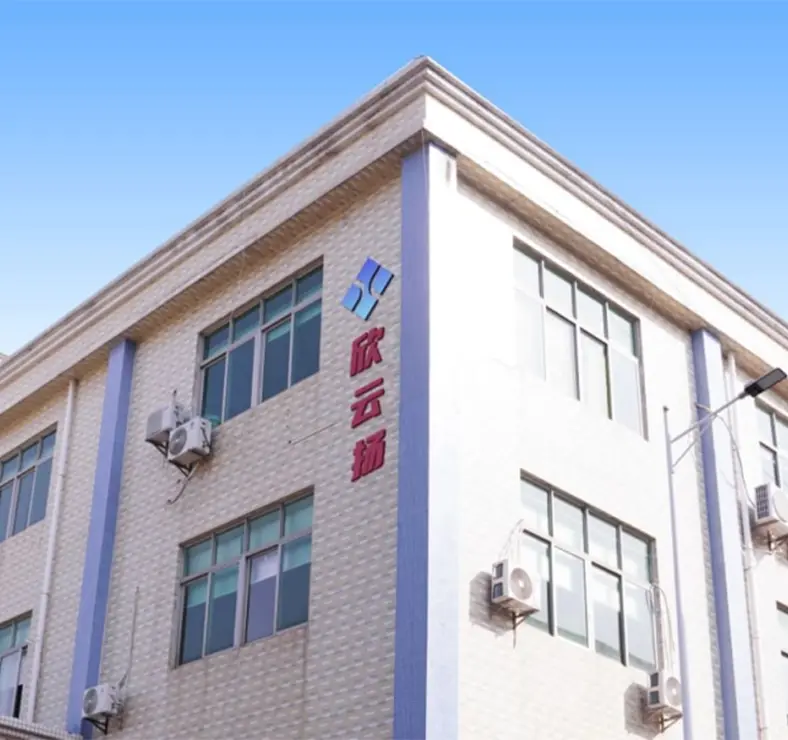
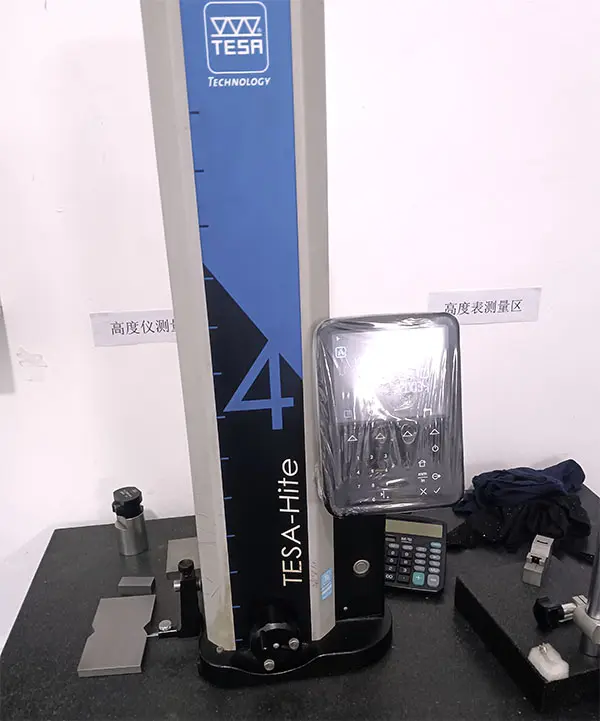
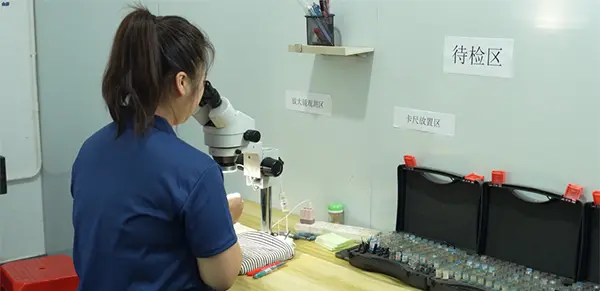
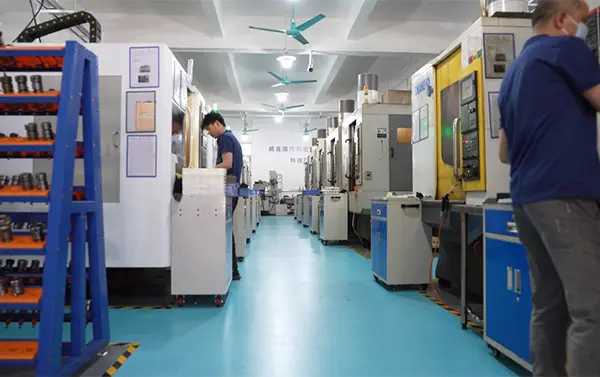
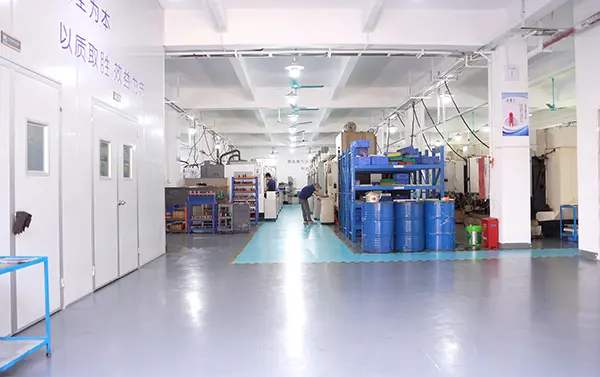
To evaluate a manufacturer's capacity to deliver elite-tier CNC machining and multi-axis performance, one must look at proven industry execution. Xinyunyang Precision Technology Co., Ltd., founded in November 2014, stands as a prime example of an advanced processing enterprise. Sticking to the business principles of Integrity, Innovation, Cooperation, and Sharing, the organization has spent a decade refining its high-precision metalworking capabilities.
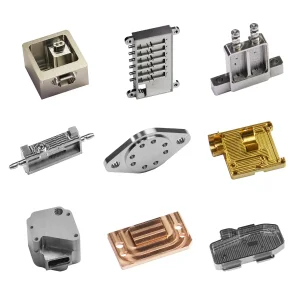
By leveraging advanced hardware arrays and proprietary composite processing technologies, Xinyunyang has emerged as a globally recognized supplier of miniaturized, customized, and high-reliability metal packaging solutions. Their expertise is deeply integrated into sectors demanding zero-failure tolerance: semiconductors, optical communications, aerospace, medical devices, and new energy military applications.
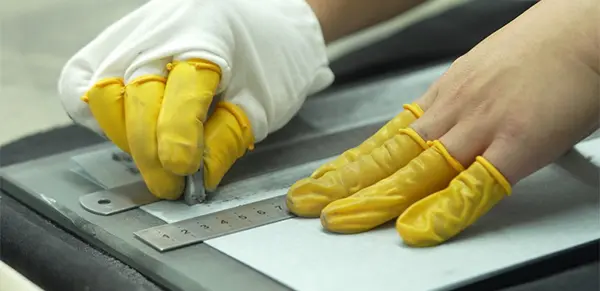
Integrating pre-owned 5-axis manufacturing systems involves navigating complex international trade requirements. Dual-use exports (often applying to advanced five-axis centers capable of machining strategic military, aerospace, or nuclear components) fall under strict export control regulations, such as the Wassenaar Arrangement, European Union dual-use regulation, or US ITAR/EAR rules.
Securing a qualified machinery provider guarantees that all export clearance procedures, customs classifications, and documentation are properly executed. A reliable supplier ensures complete compliance with local directives, including CE validation, UL electrical certifications, and environmental regulations. These safety measures prevent cross-border supply chain friction and protect buyers from regulatory liability.
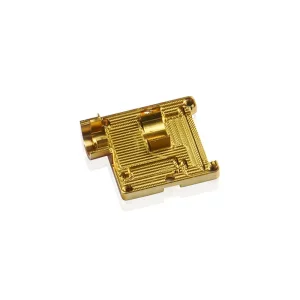
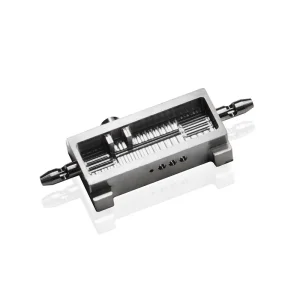
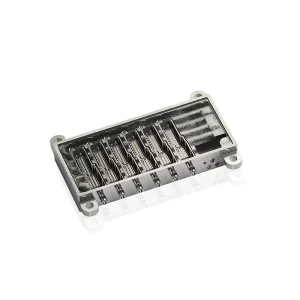
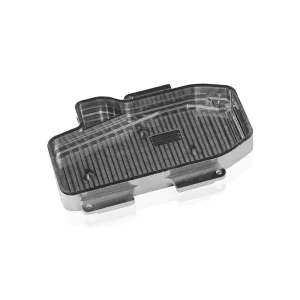
By pairing 5-axis equipment with advanced materials like Kovar, factories can unlock specialized production capabilities for high-demand components:
A machine is only as good as its uptime. Purchasing second-hand 5-axis equipment requires structured, localized technical support. This includes having regional field engineers ready to perform geometric corrections, laser interferometer checks, and spindle rebuilds. By using local spare part hubs and digital monitoring systems, factories can keep repair times to a minimum. Regular diagnostic checks prevent mechanical failures before they cause unexpected downtime.
The manufacturing industry is evolving toward dynamic, self-optimizing systems. The technology roadmap for advanced multi-axis centers highlights the convergence of physical machining processes with real-time digital intelligence. When sourcing pre-owned equipment, forward-looking operations prioritize systems capable of being upgraded to these modern digital standards.
Integrating thermal sensor arrays on key axes. Real-time controller feedback dynamically corrects coordinate offsets, keeping dimensional drift within 2 microns during long machining cycles.
Transitioning to Dry-Machining or Minimum Quantity Lubrication (MQL). Advanced tool geometries allow dry-cutting of specialized alloys like Kovar, achieving surface roughness (Ra) values under 0.3μm without heavy chemical waste.
Upgrading older tool heads to smart, active-magnetic bearing spindles. This configuration reduces vibration and extends tool life when working with demanding aerospace and medical-grade alloys.
Our lead engineers address key technical questions to help you make informed decisions when procuring pre-owned 5-axis machines and integrating advanced alloys.
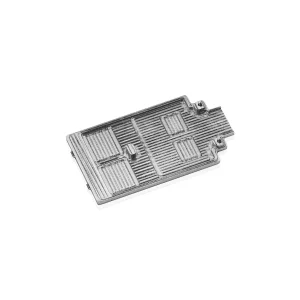
 Xinyunyang Precision