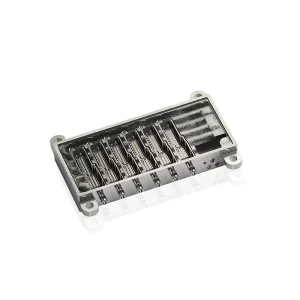
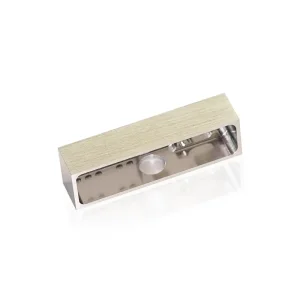
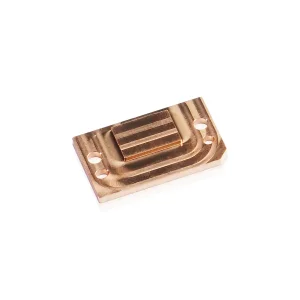
Direct supply paths from certified engineering centers for high-frequency telecommunications and aerospace assemblies.
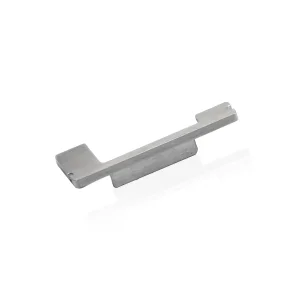
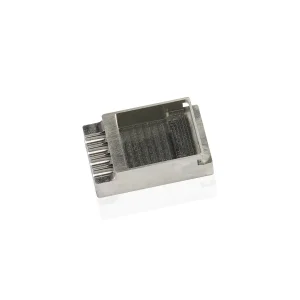
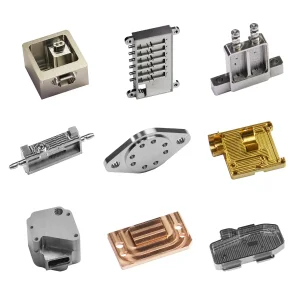
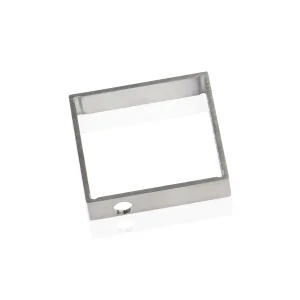
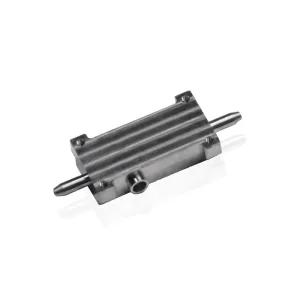
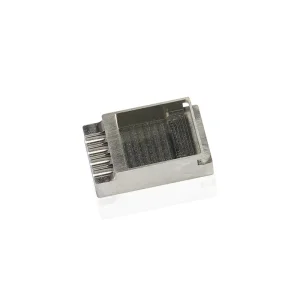
An in-depth look into the mechanical tolerances, thermal management systems, and specialized metal alloy processes powering industry 4.0 applications.
The global high-precision component industry is currently undergoing a massive structural transformation. Driven by the demands of next-generation microelectronics, deep space aerospace platforms, 5G-Advanced communication grids, and advanced semiconductor packaging, the specifications for the typical **CNC machine parts list** have shifted from standard dimensional tolerances to extreme physical and thermal operational criteria. Modern procurement pipelines no longer simply request "milled metal components"; they demand materials configured to thrive under high-vacuum conditions, intense thermal cycling, and high-frequency environments up to 40 GHz.
To address these strict needs, engineers must target the physical limitations of specialized metals. Material classifications like **Kovar (4J29)**, Titanium (Grade 5), and high-purity Oxygen-Free Copper (OFC) are becoming critical elements of micro-assembly programs. Achieving high precision with these materials requires deep knowledge of metallurgical behavior during ultra-high-speed material removal processes.
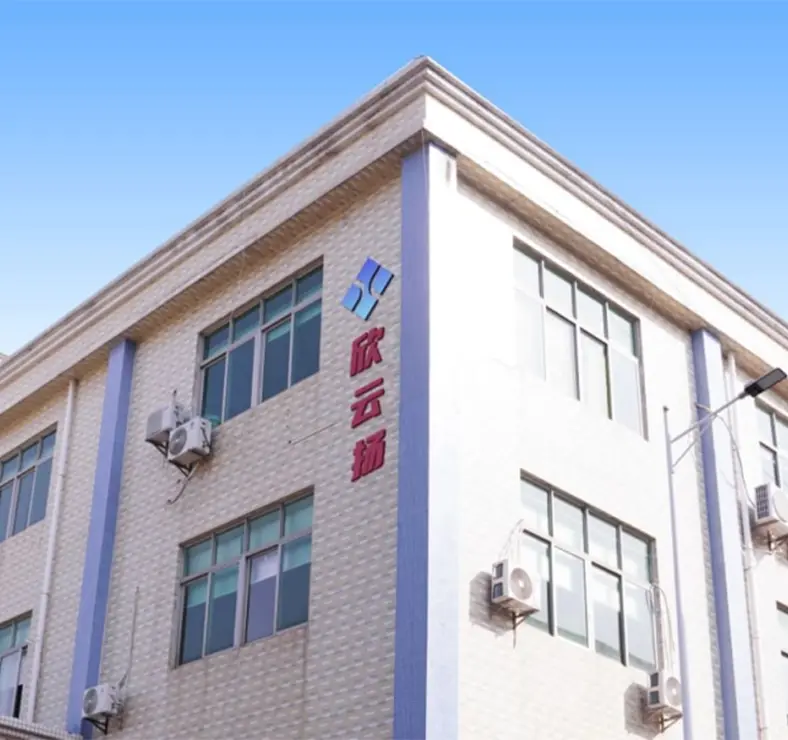
Founded in **November 2014**, Xinyunyang Precision Technology Co., Ltd. has established itself as an industry pioneer built on the principles of **Integrity, Innovation, Cooperation, and Sharing**. Focusing on Kovar precision processing technology as its core competitiveness, Xinyunyang deeply cultivates the fields of semiconductors, optical communications, aerospace, medical devices, and new energy/military applications. Our long-term mission is to serve as a reliable hermetic package lids, Kovar alloy components, and precision parts supplier across China and the global technology market.
 High-precision processing capability
Advanced technology and equipment
Strict quality control (ISO 9001)
Flexible customized services
High-precision processing capability
Advanced technology and equipment
Strict quality control (ISO 9001)
Flexible customized services
In microelectronics packaging, managing thermal expansion is critical. When electronic systems operate, they generate significant heat. Standard materials like Aluminum or Stainless Steel expand rapidly at high temperatures. In contrast, fragile optical elements, silicon ICs, and glass-to-metal seals expand at a much lower, more controlled rate.
This disparity in expansion behavior creates mechanical stress, leading to fractured solder joints, micro-cracks in glass window assemblies, and loss of hermetic seals.
**Kovar Alloy (4J29)** solves this challenge. Composed of approximately 29% Nickel, 17% Cobalt, and 54% Iron, Kovar is engineered to exhibit a Coefficient of Thermal Expansion (CTE) that closely matches that of borosilicate glasses and alumina ceramics.
| Material Class | CTE (×10⁻⁶/℃, 20–400℃) | Primary Industrial Application | Machining Challenge Index |
|---|---|---|---|
| Kovar (4J29) | 4.7 ± 0.2 | Hermetic Packaging, 5G Transceiver Cases, Optoelectronic Housings | High (Sticky, work-hardens rapidly) |
| Alumina Ceramic (Al2O3) | 6.8 - 7.2 | Substrates, Insulators, Microwave Circuits | Extreme (Requires diamond grinding) |
| Borosilicate Glass | 3.2 - 4.6 | Optical windows, Fiber Optic Feedthroughs | Extreme (Brittle, thermal stress sensitive) |
| Stainless Steel (316L) | 16.0 - 17.5 | General Structural Frames, Liquid Fluid Manifolds | Medium (High torque required) |
| Oxygen-Free Copper | 17.0 | Thermal sinks, High-power electrical conductors | Medium-High (Extremely soft, high burr formation) |
By maintaining a precise CTE matching parameter of **4.7±0.2×10⁻⁶/℃**, Kovar prevents physical deformation and maintains hermetic integrity across a broad temperature range of **-70℃ to 450℃**. This performance is critical for optical communication systems, deep-space satellites, and military transceivers where moisture or gas ingress can lead to system failures.
Three core competencies that allow Xinyunyang to deliver high-precision parts with industry-leading efficiency.
Our facility houses a specialized engineering and operational team of more than 100 people, with technical and quality-assurance engineers making up 30% of the total staff. This ensures expert supervision at every stage of production.
Our core technical members have focused on precision metal machining for more than ten years, leading the industry in tooling geometry, tool path generation, and cutting fluids optimized for demanding materials like Kovar and Titanium.
Using an ISO 9001 certified quality management pipeline and automated production scheduling software, we have increased the delivery efficiency of regular customer orders by 15% to 20%.
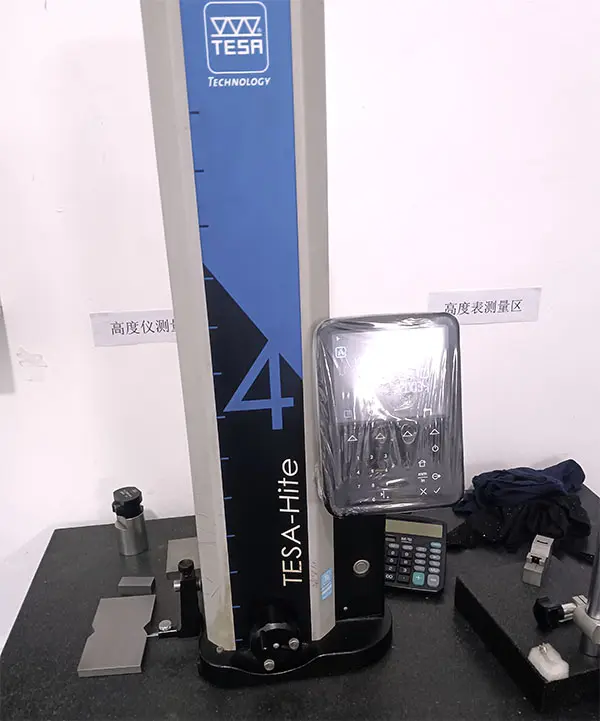
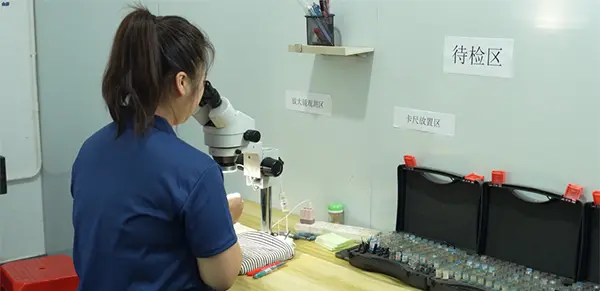
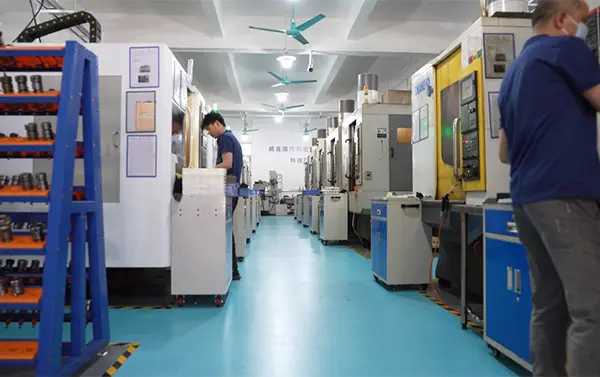
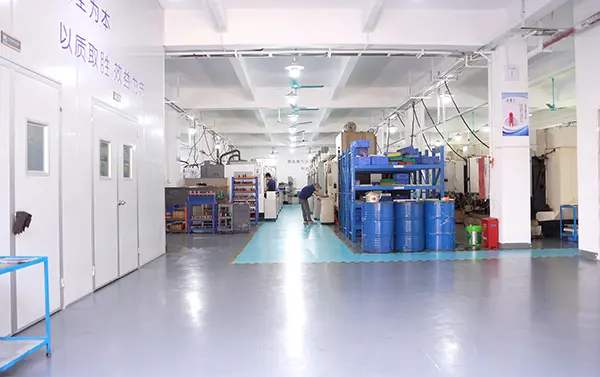
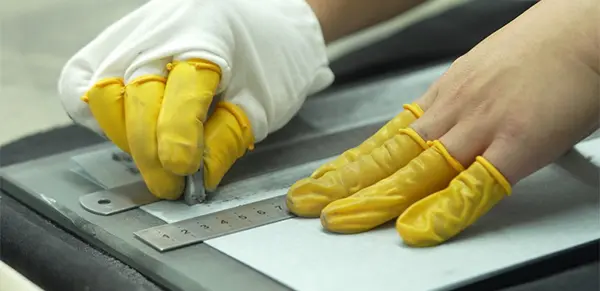
The global electronics supply chain demands both absolute precision and rapid commercial scalability. Chinese CNC manufacturing centers, led by specialized clusters like those in Shenzhen and Dongguan, offer significant advantages. This is not just a matter of lower labor costs, but of deep supply chain integration, advanced machinery, and high-speed prototype iteration.
High-precision machined parts serve in a variety of challenging operating environments:
Procuring components from a global **CNC machine parts list** requires robust risk mitigation strategies. To protect mission-critical programs from quality issues or supply disruptions, procurement teams should evaluate potential partners using several key criteria:
Expert answers addressing the design, material properties, and manufacturing challenges of high-precision CNC components.
Using our high-precision multi-axis machining platforms, Xinyunyang regularly achieves dimensional tolerances within < ±1μm (0.001mm) for high-end microelectronics and optoelectronic assemblies. For volume production, standard dimensional tolerances are consistently held between ±0.005mm and ±0.01mm, depending on material properties and geometry.
Optoelectronic systems require robust, hermetic protection for laser diodes and optical fibers. Because Kovar (4J29) has a Coefficient of Thermal Expansion (CTE) of 4.7±0.2×10⁻⁶/℃, it closely matches the expansion rate of borosilicate glass and alumina ceramics. This matching prevents mechanical stress, micro-cracks, and seal failures during operational temperature swings—a reliability standard that standard stainless steel cannot meet.
Yes, sustainable practices are built into our operations. We offer green manufacturing options for 4J29 Kovar and other special metals. This includes closed-loop coolant reclamation, raw metal chip recycling, and strict compliance with global RoHS and REACH directives, ensuring that your supply chain meets international environmental standards.
Every high-frequency enclosure undergoes rigorous testing. We inspect the final dimensions to match 3D CAD blueprints, check surface roughness (Ra) down to sub-micron levels, and verify that high-frequency performance supports 40 GHz transmissions with an insertion loss of less than 0.26dB. Products can also be supplied with full material traceability and test certification reports.
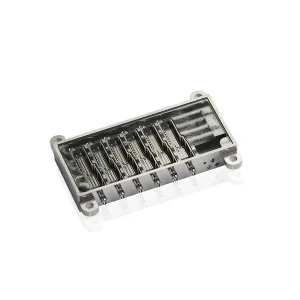
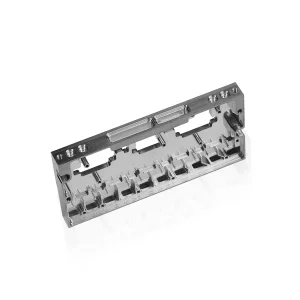
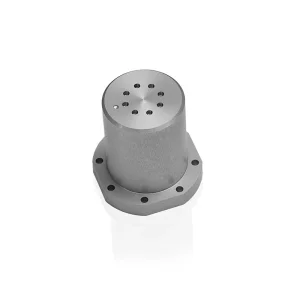
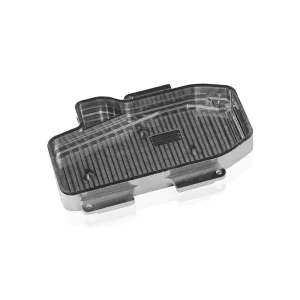
High-reliability housings and custom connector systems engineered for aerospace and semiconductor applications.
 Xinyunyang Precision