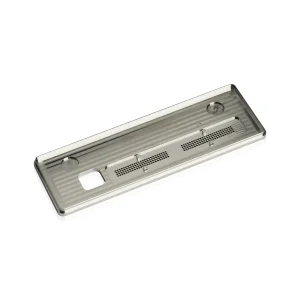
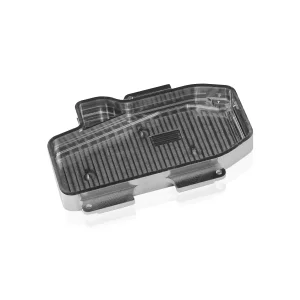
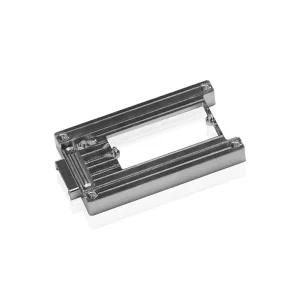
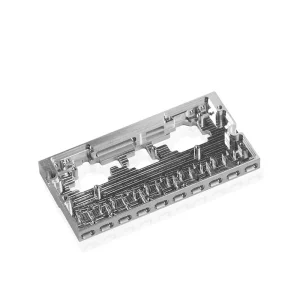
High-Quality CNC Turning Machine Axis Suppliers & Factory

Precision Engineering, Advanced Materials, and Enterprise-Level Manufacturing Integrity for the Next Generation of Global Heavy Industries

Engineering CNC Turning Machine Axis: An Industrial Overview

Delving into Sub-Micron Dynamics, Kinematic Stiffness, and Metallurgical Standards for Precision Manufacturing Processes

The manufacturing architecture of a modern multi-axis CNC machine relies completely on the integrity of its turning axes. The CNC turning machine axis functions as the foundational kinematic system, dictating structural rigidity, thermal stability, and rotary precision. Whether handling simple 2-axis turning operations or complex 5-axis simultaneous mill-turn operations, the dimensional tolerance of high-speed components depends directly on the spindle and axis assemblies.

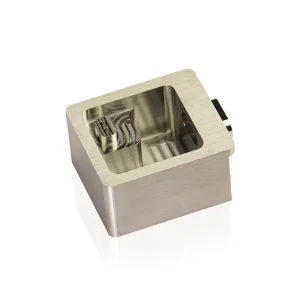
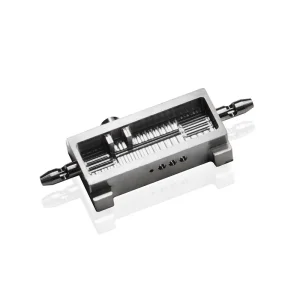
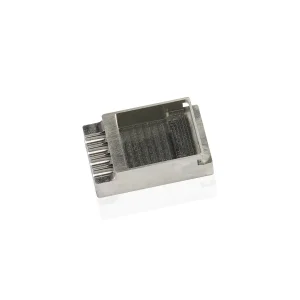
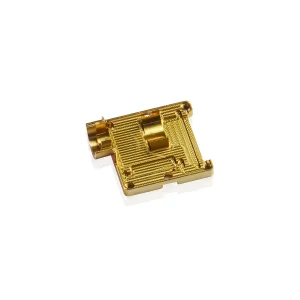
For demanding industries like optoelectronics, aerospace structures, and semiconductor manufacturing, standard machining tolerances fall short. To prevent mechanical failure under cyclic thermal loads, components like Kovar alloy housings, precise micro-connectors, and aviation filters require machining on highly calibrated systems. Our factories utilize high-rigidity guide rails, thermal compensation sensors, and dynamic balancing systems to ensure axis runout stays below 1 micrometer.

"True precision is not merely a measurement of static metrics; it is the absolute stability of a dynamic kinematic system under continuous structural, vibrational, and thermal stresses. Our CNC turning axis design ensures zero-backlash feedback and extreme torsional stiffness."

Understanding Spindle Kinematics and Multi-Axis Configuration

A CNC turning machine's capabilities are determined by its axis configuration. In precision environments, axes must coordinate seamlessly to maintain cutting feedrates, minimize geometric errors, and optimize tool paths:

  • Z-Axis: Runs parallel to the spindle rotation line, governing longitudinal turning. Any deflection here introduces taper errors in long shafts.
  • X-Axis: Manages radial movement, directly controlling workpiece diameters. High-resolution feedback systems are vital to prevent thermal drifting.
  • C-Axis & Y-Axis: Adding a Y-axis and an indexable C-axis turns a standard lathe into a high-capacity mill-turn system. This configuration allows off-center drilling, keyway slotting, and complex profiling without multiple setups.
  • B-Axis: Allows the tool spindle to tilt, facilitating full 5-axis contoured machining on specialized nickel-iron-cobalt substrates like Kovar.

Advanced Metallurgy and Material Choices for Precision Turn Axes

To resist deflections caused by cutting forces and thermal loads, high-quality turn axes are made from high-strength alloys. Manufacturers typically use chrome-moly steels (e.g., 42CrMo) or tool-grade structural steels, refined through vacuum degasification and deep induction hardening. Bearing seats and critical surfaces undergo precision grinding to meet ISO IT2 tolerances, keeping residual stress to a minimum and preventing deformation over years of operation.

Xinyunyang Precision Technology Co., Ltd.

A leader in micro-machining and advanced Kovar alloy sealing packaging solutions since November 2014

Founded in November 2014, Xinyunyang Precision Technology Co., Ltd. has developed specialized expertise in high-precision metal manufacturing. We design and deliver custom, micro-engineered components tailored for demanding operating environments. Our business is built on core principles: Integrity, Innovation, Cooperation, and Sharing.

We focus on Kovar precision processing technology to support high-tech sectors like semiconductor packaging, optical communications, aerospace structures, high-performance medical devices, and clean energy systems. Our goal is to provide global industrial partners with reliable, highly customized metal packaging and structural components.

High-precision processing capability High-precision processing
Advanced technology and equipment Advanced technology
Strict quality control Strict quality control
Flexible customized services Flexible customized services
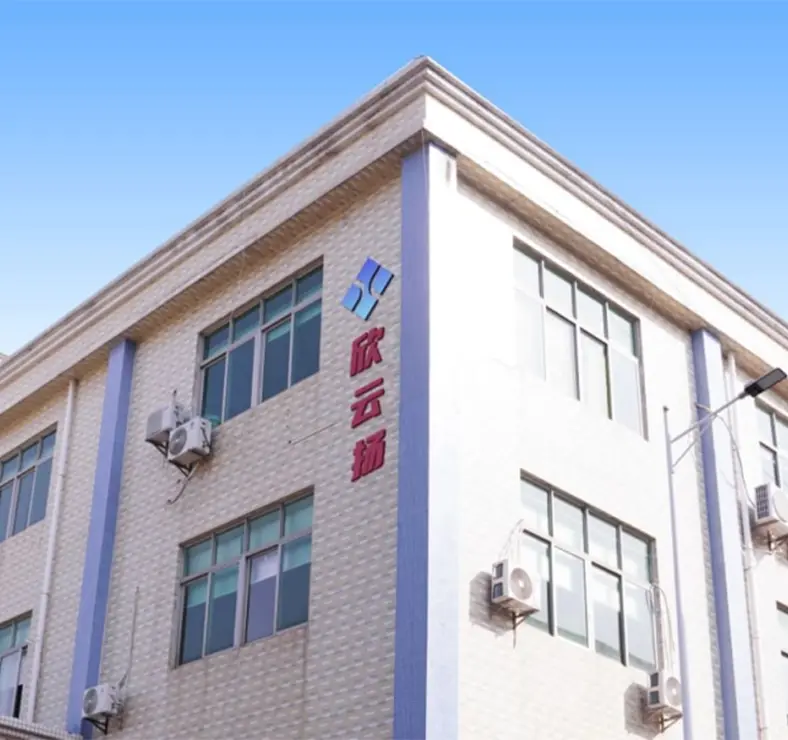
Xinyunyang Factory Overview
2014
ESTABLISHED YEAR
100+
PROFESSIONAL STAFF
30%
R&D ENGINEERS
15-20%
DELIVERY EFFICIENCY INCREASE

Production Competitiveness Supported by 3 Core R&D Capabilities

How we ensure technical depth, high supply chain resilience, and rapid project turnaround times

01
Professional Team
We maintain a team of over 100 professionals, with dedicated research and application engineers making up 30%. This concentrated expertise enables rapid turnaround from design phase to full-scale production.
02
Industry Benchmark
Our senior engineers have over a decade of hands-on experience in precision machining. We specialize in processing challenging materials like Kovar and titanium alloys, supporting emerging needs in 5G communications, artificial intelligence, and green energy infrastructure.
03
Certificate Patent & Efficiency
Operating under an ISO 9001 certified quality management system and using an active production scheduling platform, we have improved delivery times for regular orders by 15%-20%. This makes Xinyunyang a highly reliable supply chain partner.

Localized Applications & Global Support Networks

Deploying specialized components in key international industrial regions while maintaining strict regulatory compliance

Localized Application Scenarios

Precision components must meet different standards and operational demands depending on the region. Our products are engineered to comply with localized technical protocols:

  • North American Aerospace & Defense: Parts feature high vibration resistance and tight tolerances, machined on rigid axes to withstand high-altitude thermal cycles without micro-cracking.
  • European Semiconductor Manufacturing: Ultra-precise components optimized for high vacuum environments. These housings feature controlled degassing properties and zero-defect seals, designed for use in next-generation lithography and deposition systems.
  • East Asian 5G Optoelectronic Backbone: Mass-produced precision components with highly polished finishes and thermal expansion matching, ideal for rapid deployment in high-density telecommunication infrastructure.

Global Compliance, RoHS & ESG Integrity

We work closely with global procurement teams by providing fully documented raw materials. Our Kovar (4J29) components are certified conflict-free and fully compliant with the latest RoHS and REACH environmental regulations. Additionally, we provide full material traceability through material test reports (MTRs) and metallurgical analysis, ensuring trouble-free integration into Western assembly operations.

Technical Roadmap & Future Outlook (2025-2035)

A strategic look at technologies shaping precision manufacturing and multi-axis turning applications

Phase I: 2025-2027
Active Error Compensation

Integrating real-time thermal monitoring sensors directly into the CNC turning spindle. Deep software integration helps correct positioning deviations caused by heat expansion, keeping tolerances stable to within 0.5 micrometers.

Phase II: 2028-2030
Hybrid Machining

Combining precise laser cladding tools directly into multi-axis CNC machines. This allows for rapid material addition and finish machining in a single setup, saving production time on specialized alloys like Kovar and titanium.

Phase III: 2031-2035
Autonomous Quality Tracking

Using in-process, non-contact optical inspection. Each finished workpiece is measured in real-time, matching dimensions against the CAD file to automate quality control and ensure near-zero defect rates.

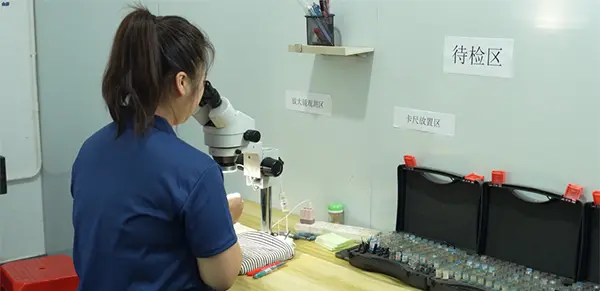
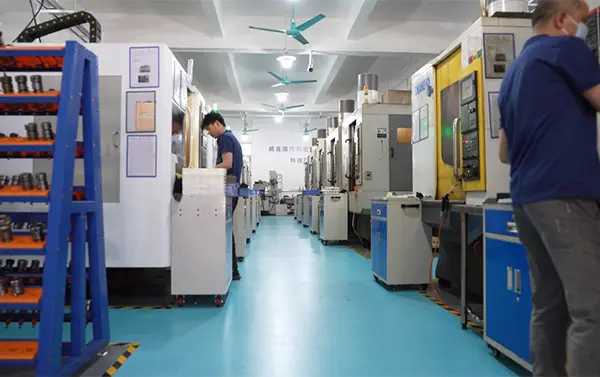
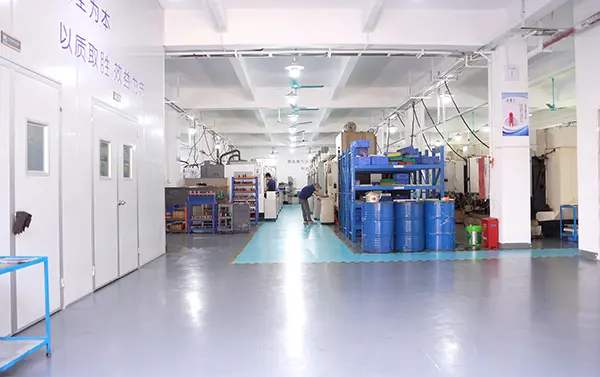
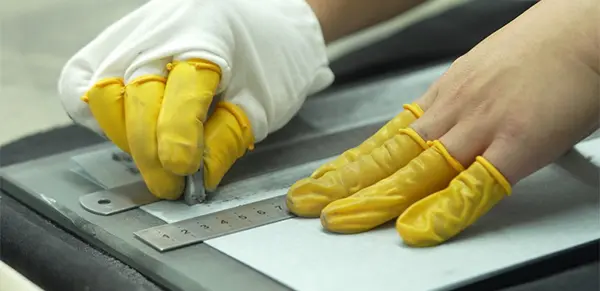
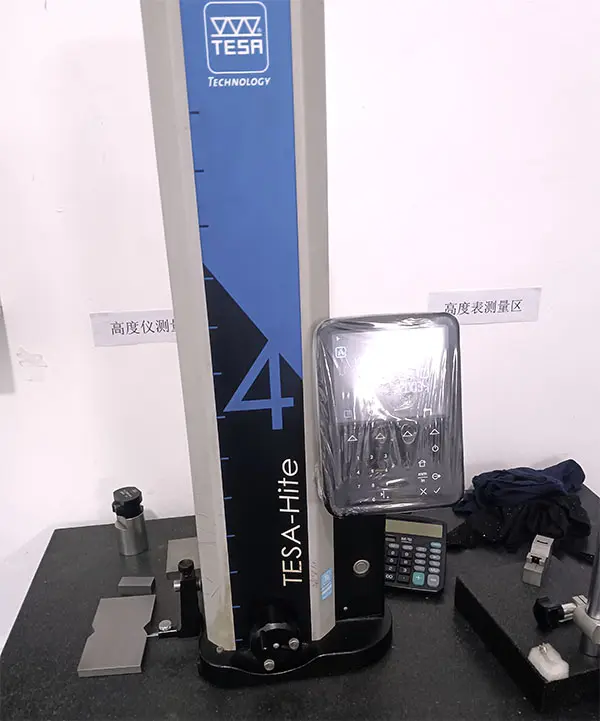
Enterprise Internal Display

Inside our modern precision production facilities and inspection labs
Technical Q&A: CNC Turning & Material Logistics

Answers to common questions from procurement managers and design engineers

Why is dynamic balance in a CNC turning axis critical for Kovar alloy machining?
Kovar (4J29) is a nickel-iron-cobalt alloy known for its tough, work-hardening characteristics. If there is even minimal vibration or runout in the turn axis, the tool edge will experience micro-chattering. This quickly dulls the tool and work-hardens the Kovar surface. Highly balanced spindles operating under 1.2 G-grade balancing are essential to maintain stable cutting forces, prevent tool wear, and achieve clean finishes.
How does Xinyunyang achieve a 15% to 20% improvement in production delivery times?
We improve efficiency by using an integrated ERP scheduling system that connects with our multi-axis CNC machines. By planning setups, scheduling tool paths, and maintaining a steady stock of raw Kovar and titanium materials on-site, we reduce idle times between production runs. This structured workflow helps us process and complete high-precision orders faster than traditional job shops.
What specific dimensional tolerances and geometries can your manufacturing facility sustain?
Our CNC turning centers consistently achieve dimensional tolerances down to ±0.005 mm (and sub-micron ranges under controlled setups). We regularly work with concentricity tolerances of 0.01 mm and maintain surface finishes as smooth as Ra 0.4. This level of precision is ideal for medical instrumentation, RF connectors, and optical fiber alignment packages.
Do your metal components comply with Western environmental and material sourcing mandates?
Yes. All materials we process, including our 4J29 Kovar alloys, are sourced from conflict-free suppliers and meet RoHS and REACH standards. We can provide full chemical composition analysis, hardness data, and heat treatment certifications to support your standard quality audits.
How does Xinyunyang handle custom engineering prototyping compared to volume production?
Our team is built to support both development stages. For R&D phases, our engineers work from your CAD files to produce initial prototypes. Once the design is validated, our production planning system scales up to support large-volume runs, maintaining the same precision across thousands of units.