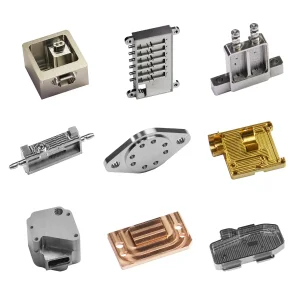
Explore our industrial-grade special alloy components and high-precision CNC custom solutions designed to meet the toughest tolerance standards.
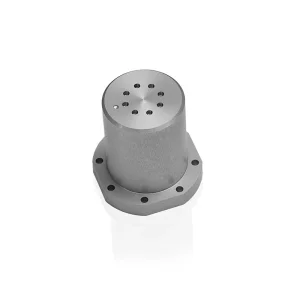
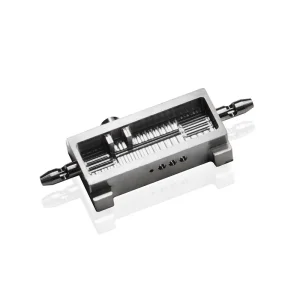
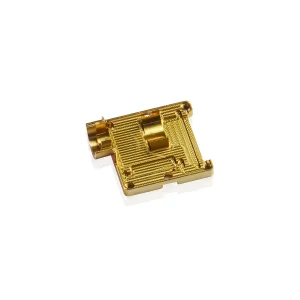
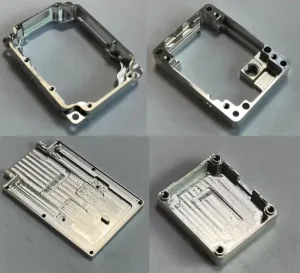
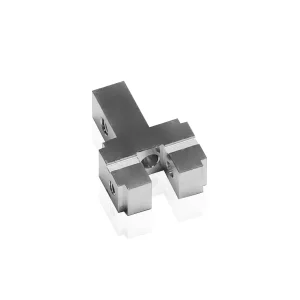
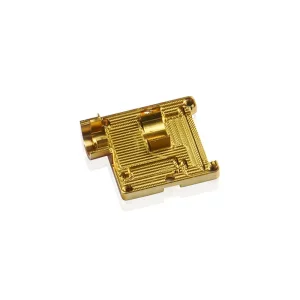
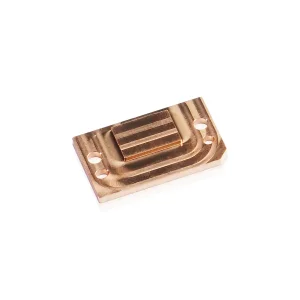
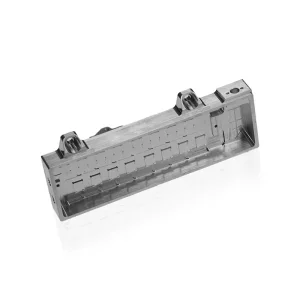
Kovar (commonly cataloged under ASTM F15, Werkstoff No. 1.3981, and UNS K94610) is a specialized vacuum-melted, iron-nickel-cobalt alloy engineered specifically for high-reliability sealing applications. Its chemical configuration is meticulously balanced, containing approximately 29% Nickel, 17% Cobalt, and a remaining balance of Iron. The brilliance of Kovar lies not in its resistance to wear or extreme tensile capacity, but in its thermal physics: its Coefficient of Thermal Expansion (CTE) mimics that of borosilicate glasses and alumina ceramics perfectly from sub-zero atmospheres up to roughly 450°C (842°F).
In high-frequency communication modules, high-altitude optical electronics, and deep-space telemetry housings, assemblies are consistently subjected to vast thermal fluctuations. A standard steel, aluminum, or copper housing would expand rapidly during thermal cycles, fracturing the brittle glass insulators or ceramic packaging protecting the sensitive semiconductor circuitry. This expansion mismatch initiates micro-cracking, resulting in the immediate ingress of atmospheric moisture, loss of vacuum integrity, and ultimate system failure. By selecting high-precision Kovar as the foundation substrate, engineers assure a matched contraction and expansion envelope, retaining a zero-leakage hermetic seal through extreme shifts in operating conditions.
The performance of Kovar relies entirely on the precise distribution of trace elements. Slight variations in cobalt or nickel weight fractions can permanently alter the thermal expansion behavior. Below is the chemical balance matrix utilized by our partner factories to guarantee standard compliance:
| Element | Nickel (Ni) | Cobalt (Co) | Manganese (Mn) | Silicon (Si) | Carbon (C) | Chromium (Cr) | Copper (Cu) | Iron (Fe) |
|---|---|---|---|---|---|---|---|---|
| % by Weight | 28.5 - 29.5 | 16.8 - 17.8 | ≤ 0.50 | ≤ 0.30 | ≤ 0.04 | ≤ 0.20 | ≤ 0.20 | Balance |
Understanding the mechanical limitations and physical properties is vital for downstream processes such as high-tolerance CNC milling, dry machining, brazing, and electrochemical plating. The following physical parameters are controlled during vacuum induction melting (VIM) and vacuum arc remelting (VAR):
| Property Parameter | Metric Values (SI Units) | Imperial Values (US Units) |
|---|---|---|
| Density | 8.36 g/cm³ | 0.302 lbs/in³ |
| Melting Point (Approximate) | 1450 °C | 2640 °F |
| Curie Temperature | 435 °C | 815 °F |
| Thermal Conductivity (20°C / 68°F) | 17.3 W/m·K | 120 BTU·in/ft²·h·°F |
| Electrical Resistivity (20°C / 68°F) | 0.49 μΩ·m | 294 ohms/cir mil foot |
| Tensile Strength (Annealed) | ≥ 450 MPa | ≥ 65,000 psi |
| Yield Strength (0.2% Offset) | ≥ 275 MPa | ≥ 40,000 psi |
| Elongation in 50mm | ≥ 30% | ≥ 30% |
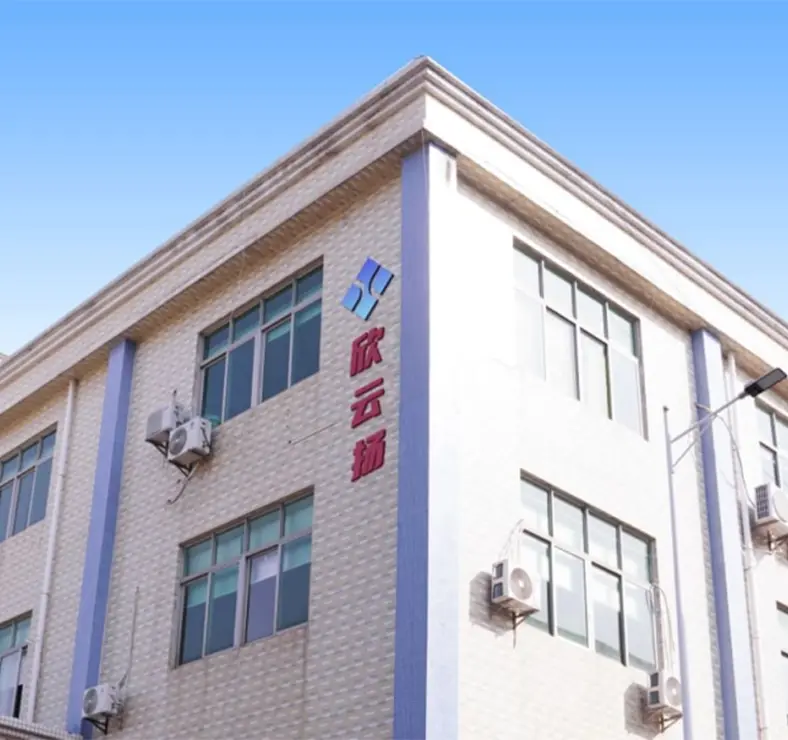
Founded in November 2014, Xinyunyang Precision Technology Co., Ltd. has established itself as an industry pioneer in special metal manufacturing. From the beginning, our company has adhered to its initial intention of industry, sticking to the business principles of Integrity, Innovation, Cooperation, and Sharing.
We focus on Kovar precision processing technology as our core competitiveness, deeply cultivating the fields of semiconductors, optical communications, aerospace, medical devices, and new energy/military industries. We are committed to providing miniaturized, customized, and high-reliability metal packaging solutions to global customers.
Our ultimate goal is to become a significant hermetic package lids, Kovar alloy components, and precision parts supplier in China and even worldwide after years of continuous effort, with the support of our partners and customers.
Quality Standard
ISO 9001 Certified System
Deploying next-generation processes and professional execution strategies to deliver unmatched engineering quality globally.
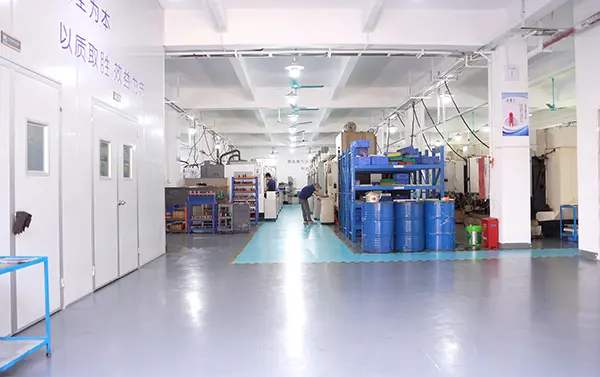
The company has a professional team of more than 100 people, of which technical engineers account for 30%. This composition ensures rapid processing of engineering sheets, toolpath optimization, and strict metallographical review of our Kovar materials.
The core members have been deeply engaged in precision metal processing for more than ten years, and continue to explore the composite processing technology of special metals such as Kovar and titanium alloys, and proactively layout the cutting-edge packaging needs in the fields of 5G, artificial intelligence, and new energy.
With the ISO 9001 certified quality management system and intelligent production scheduling system, Xinyunyang has increased the delivery efficiency of regular orders by 15%-20%, becoming a key supplier with both technical depth and service breadth in the global high-end manufacturing industry chain.
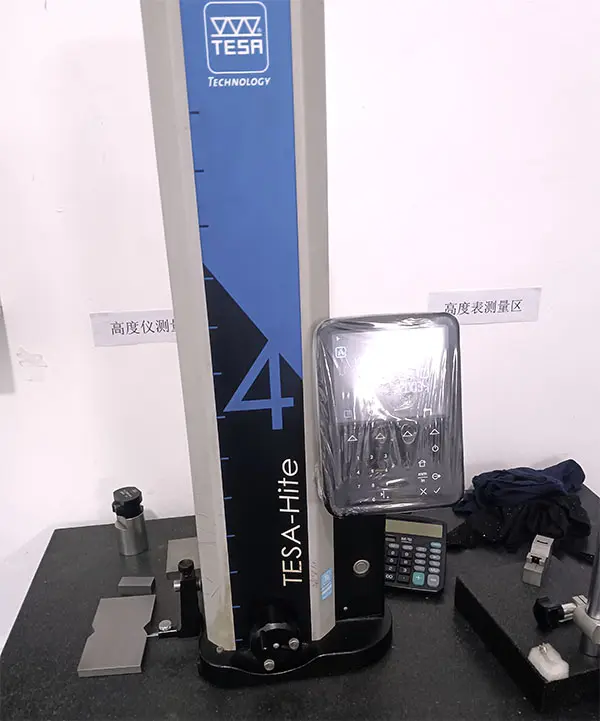
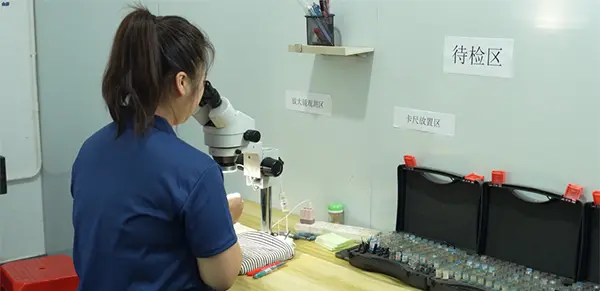
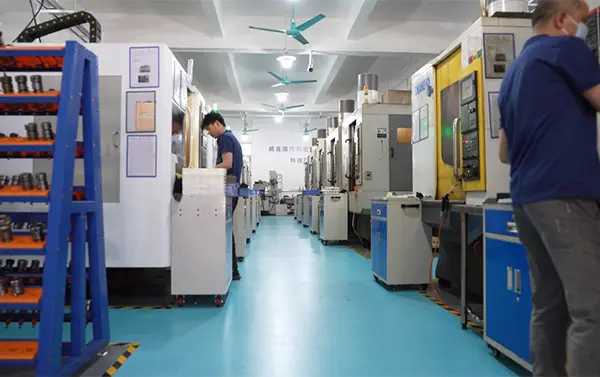
On a global scale, the requirement for ultra-high-reliability sealing is expanding rapidly. Driven by the mass integration of optoelectronic modules in cloud data centers, deep-space exploration payloads, satellite constellations (LEO), and medical electronic implants, high-quality Kovar sheets and components are no longer niche materials. They are a pillar of structural engineering. Regions like the USA, Germany, Japan, and China are seeing high compound annual growth rates (CAGR) in the demand for ASTM F15 certified materials.
In Europe and North America, strict environmental regulations (such as REACH and RoHS) challenge manufacturers to supply alloys that are compliant yet maintain flawless machining tolerances. Xinyunyang is leading this space by utilizing advanced raw sourcing to ensure completely compliant materials that do not sacrifice machinability. This effort directly addresses the modern "Beyond REACH" mandate, helping defense contractors and aerospace engineers design for a sustainable, green supply chain without losing seal structural integrity.
Kovar's application is not restricted to standard component housings; it is highly tailored to specific localized environments:
One of the primary roadblocks in processing Kovar is its inherent toughness and work-hardening character. In standard milling or turning operations, excessive heat and tool pressure will cause micro-deformations on the finished part surface, leading to structural micro-faults. In the worst scenarios, it leads to salt-spray testing failures because microscopic pockets collect corrosive deposits.
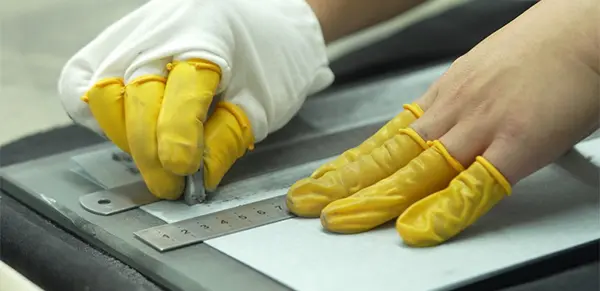
Xinyunyang solves this problem through dry machining strategies combined with ultra-rigid Swiss-type lathe setups. This approach yields a surface roughness profile of Ra < 0.3μm. This ultra-smooth mirror finish is critical for high-end gold-plated electronics (like D-Sub RF connectors) because it guarantees complete plating uniformity, preventing the formation of micro-voids under the gold layers. The resulting components pass 96-hour and 168-hour ASTM B117 salt spray tests, maintaining low contact resistance in marine and defense environments.
Surface Roughness (Ra) Limit
Hermetic Seal Verification
Average R&D Engineer Experience
The roadmap for controlled expansion materials is highly tied to the rise of sub-nanometer semiconductor packaging and ultra-miniaturized chipsets (chiplet architectures). Standard glass-to-metal seals are evolving into glass-to-silicon and direct-ceramic-bonded structures. Xinyunyang's future-oriented strategy relies on:
Answering the most critical engineering queries regarding Kovar machining, thermal behaviors, and application strategies.
Deeply integrated with our state-of-the-art manufacturing plants to support your high-end technological supply chain.
 Xinyunyang Precision