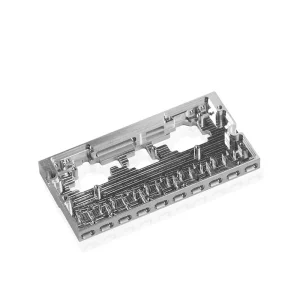
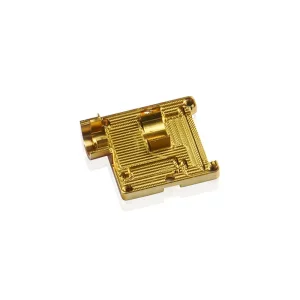
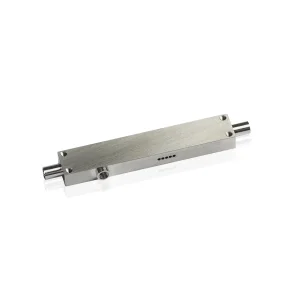
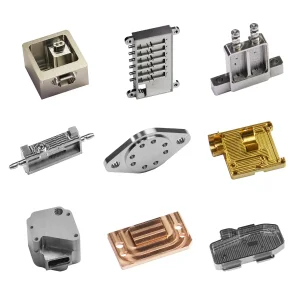
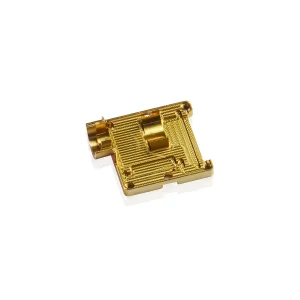
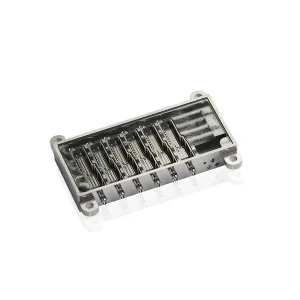
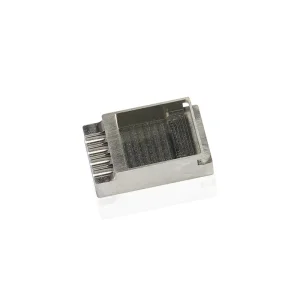
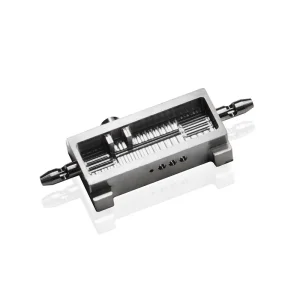
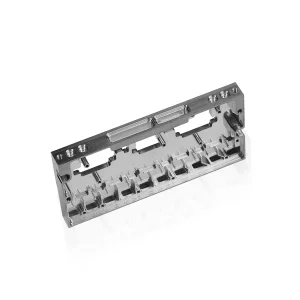
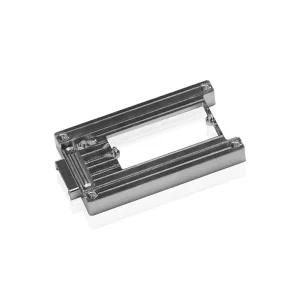
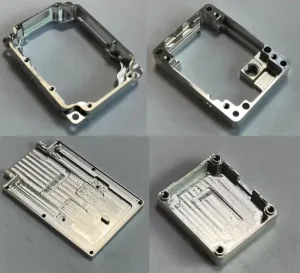
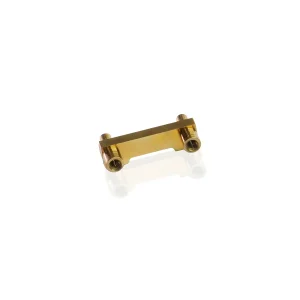
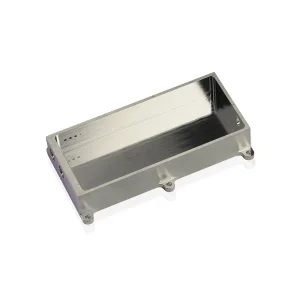
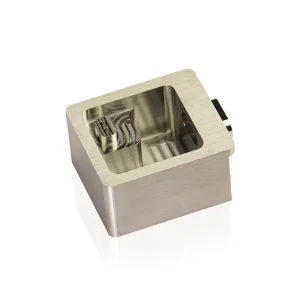
Explore the first half of our world-class inventory of components. Every part is produced using cutting-edge multiaxial machining technology, meeting micro-tolerances and severe environment standards.
The modern industrial epoch relies fundamentally on components that can survive the vacuum of space, the highly corrosive environments of chemical processing, and the nanoscale parameters of semiconductor cleanrooms. Globally, the supply of high-quality machined components has shifted from low-cost mass fabrication to ultra-precise, materials-specific custom machining. This evolution is driven by the rapid rise of optoelectronics, hypersonic technologies, quantum computing modules, and integrated medical machinery.
As hardware systems decrease in size and increase in power density, component interfaces must withstand high thermal loads without cracking. Today, global supply chains are heavily focusing on specialized manufacturers capable of working with complex refractory alloys, low-expansion alloys like Kovar (ASTM F15), Invar, and Titanium. Sourcing strategies are now optimized based on rigorous E-E-A-T assessments, checking if suppliers possess valid certifications, integrated raw material provenance tracking, and deep metallurgy knowledge.
A critical bottleneck in manufacturing advanced transceivers, space cameras, and high-frequency military microwave modules is the structural junction where metal housings meet silicate glasses or ceramics. Traditional metals like aluminum or copper expand rapidly under high heat, cracking glass and destroying the sealed internal vacuum. This is where Kovar alloy (UNS K94610 / ASTM F15 / 4J29) becomes indispensable.
Kovar is a vacuum-melted, iron-nickel-cobalt alloy designed specifically to feature a thermal expansion coefficient closely matching that of borosilicate glass (such as Pyrex or Corning 7052) and alumina ceramics. This precise thermal match is maintained up to the alloy's Curie point (approximately 435°C), ensuring secure, leak-free, long-term performance under deep space, deep sea, or inside high-power circuitry systems.
| Material Designation | Nominal Composition | CTE (30°C – 400°C) x 10-6/K | Primary Industrial Use Cases |
|---|---|---|---|
| Kovar / 4J29 / ASTM F15 | 29% Ni, 17% Co, Bal Fe | 4.6 – 5.2 | Glass-to-Metal Hermetic Seals, Micro-electronic Packaging, RF Transceivers |
| Invar 36 / 4J36 | 36% Ni, Bal Fe | 1.2 – 1.5 | Optical Instruments, Laser Cavity Spacers, Cryogenic Tanks |
| Stainless Steel 304 | 18% Cr, 8% Ni, Bal Fe | 16.2 – 17.5 | General Structural Automation Components, Corrosive Liquid Transport |
| Titanium Grade 5 (Ti6Al4V) | 90% Ti, 6% Al, 4% V | 8.6 – 9.2 | Aerospace Structurals, Surgical Tools, Deep Sea Instrument Shells |
However, machining Kovar is notoriously difficult. Its high cobalt content and austenitic crystal structure make it highly abrasive, causing fast tool wear, heavy burrs, and intense work hardening. Overcoming these mechanical hurdles requires robust engineering competence, advanced machine tools, specialized tooling paths, and customized cooling strategies. Only specialized, high-tier suppliers can successfully deliver flawless surface finishes and tight dimensional control on Kovar components.
The global high-precision machining sector is navigating an intense technological paradigm shift. Driven by Industry 4.0 and global sustainability commitments, top-tier suppliers are integrating cyber-physical production structures, advanced surface processing, and green metallurgical standards. Below is the technical timeline outlining modern advancements in machining capabilities:
Using advanced synchronized mill-turn centers dramatically reduces fixture swaps. By completing multi-face micro-structures in a single setup, suppliers eliminate positioning errors, achieving positioning accuracies down to single-digit microns.
High-performance plating techniques, including ultra-thin sulfamate nickel barriers and dense gold-plating, prevent internal component oxidation. This ensures maximum solderability and keeps electrical contacts robust over decades of service.
Today's buyers expect high E-E-A-T validation, requiring fully traceable raw materials. Adhering to conflict-free sourcing protocols, particularly for cobalt and nickel in 4J29 Kovar alloys, is now standard for Tier-1 supply chains.
The application of high-precision machined components spans several critical, high-technology sectors. In each field, the component acts as a key failure point if thermal expansion parameters, mechanical resilience, or surface finishing fail to meet stringent operational expectations:
Inside automated lithography chambers and high-vacuum ion-implantation systems, structural stability is paramount. Multi-material frame assemblies must resist continuous temperature shifts without emitting trace gases. Kovar alloy packages ensure high hermetic sealing for delicate silicon wafers and optical sensors, preventing dust or humidity ingress.
As telecom standards shift to 800G optical transceivers and coherent optics modules, maintaining precise laser alignment is crucial. Any thermal deformation in the housing shifts the laser path, causing signal attenuation. High-stability machined enclosures maintain reliable connection interfaces, supporting global optical internet backbones.
Military transceivers, satellite communications, and high-precision missile control housings operate in extreme thermal cycles ranging from -65°C to over +200°C. Glass-to-metal seals made from ASTM F15 Kovar guarantee permanent hermeticity, shielding vital electronics from extreme atmospheric and thermal changes.
Components used in CT scanner electronics, high-energy X-ray diagnostic grids, and surgical robotics require high corrosion resistance and biocompatibility. Precision machining of titanium, high-grade stainless steels, and select gold-plated assemblies meets these demands, ensuring reliable patient outcomes.
Xinyunyang Precision Technology Co., Ltd. was established in November 2014. From our founding, we have focused on micro-machining and advanced metallurgy, operating under our core values of Integrity, Innovation, Cooperation, and Sharing.
By focusing on high-precision Kovar processing as our core strength, we serve the semiconductor, optical communications, aerospace, medical devices, and clean energy sectors. Our mission is to deliver compact, highly customized, and ultra-reliable metal packaging solutions to high-tech clients worldwide. With the support of our engineering partners and global customers, we strive to remain a significant provider of hermetic package lids, Kovar alloy components, and custom precision parts.
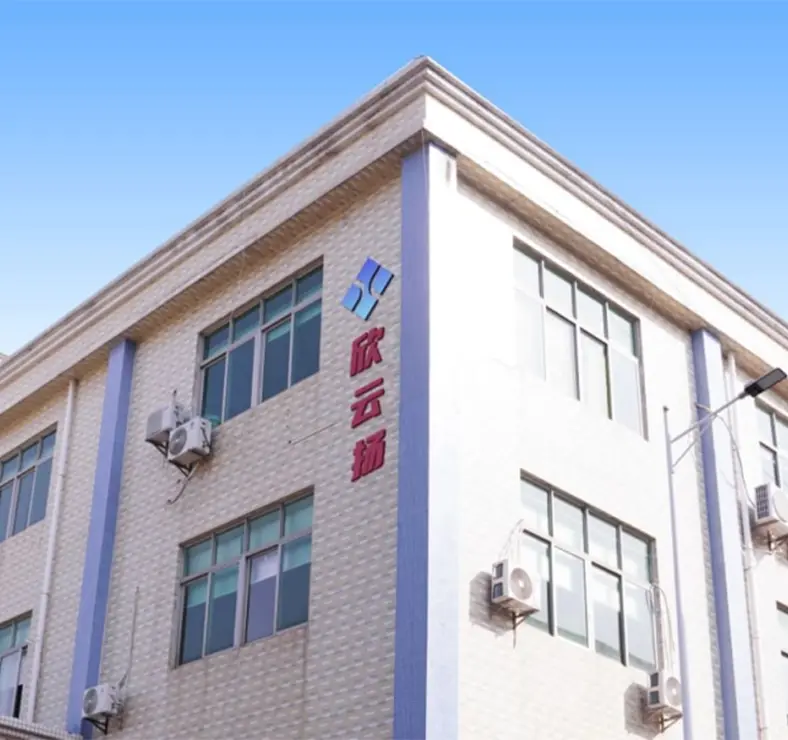
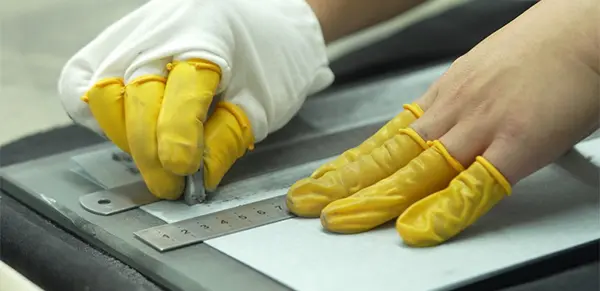
 High-precision processing capability
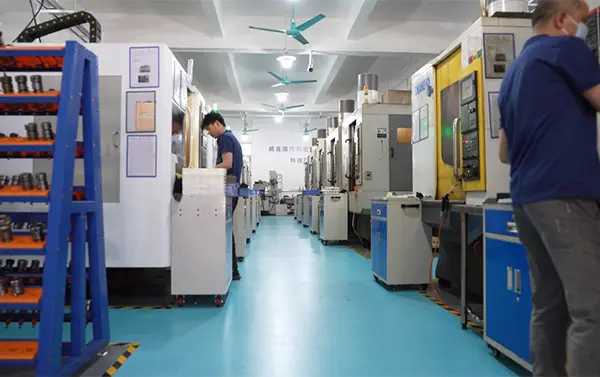
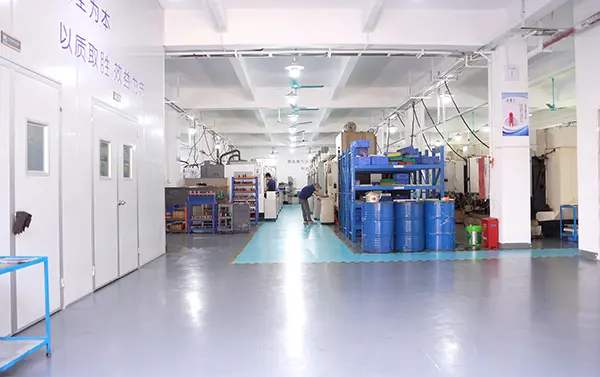
Advanced technology and equipment
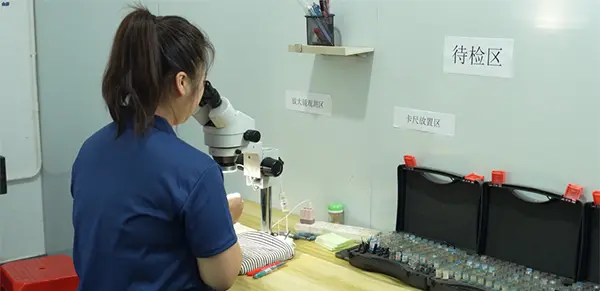
Strict quality control
Flexible customized services
High-precision processing capability
Advanced technology and equipment
Strict quality control
Flexible customized services
Our highly focused team includes over 100 professionals, with dedicated R&D and application engineers accounting for 30% of our total workforce.
Our core team brings over a decade of deep precision metal processing expertise, driving advancements in composite machining for challenging alloys like Kovar and titanium, tailored for 5G, AI, and new energy needs.
Backed by an ISO 9001 certified quality management system and intelligent digital scheduling, we have increased regular order delivery efficiency by 15%-20%, establishing a responsive global supply chain.
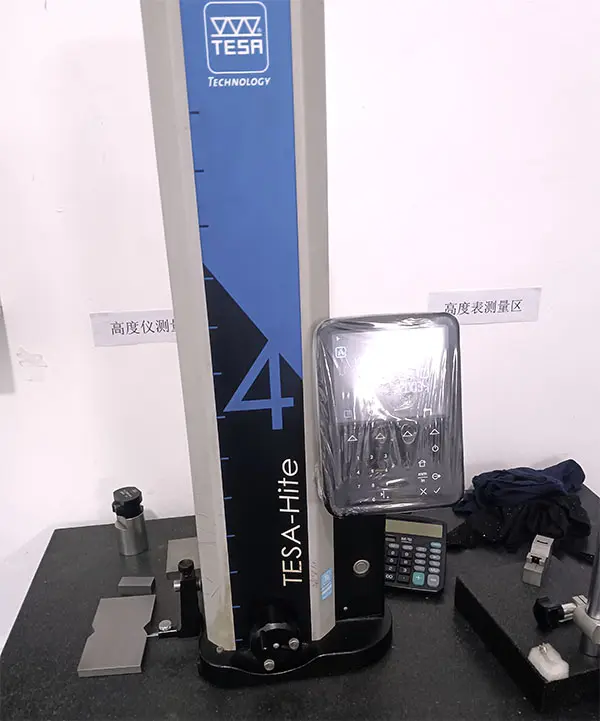
Deep dive technical answers regarding controlled expansion alloys, plating chemistry, and glass-to-metal sealing dynamics.
Explore the second half of our specialized inventory, featuring our core Kovar CNC components, high-efficiency casings, and green-certified metal solutions.
 Xinyunyang Precision