Select premium precision aerospace-grade and industrial solutions manufactured under strict three-axis standard parameters.
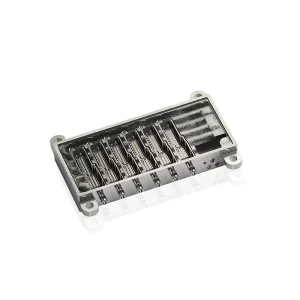
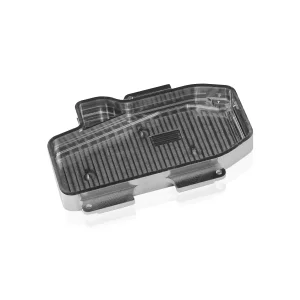
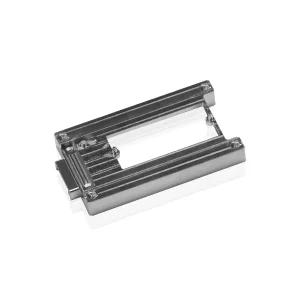
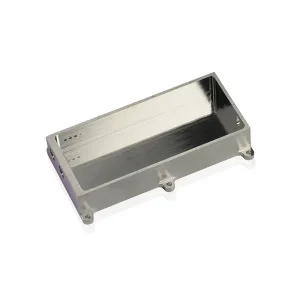
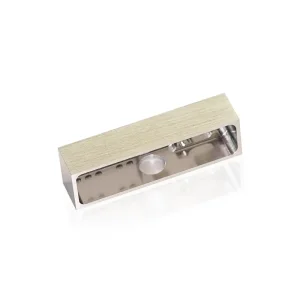
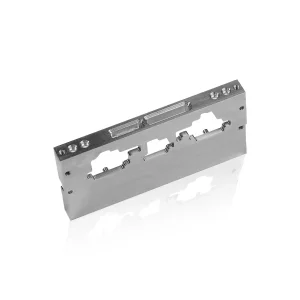
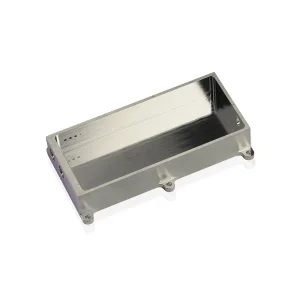
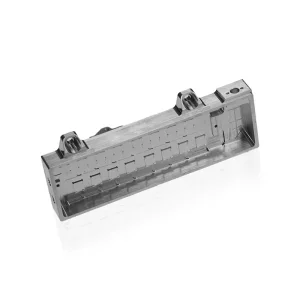
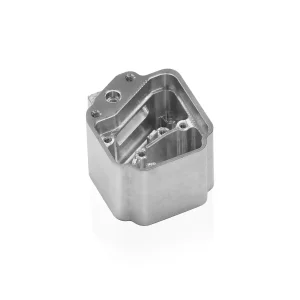
Three-axis milling machines represent the bedrock of modern subtractive manufacturing. Operating along the fundamental spatial axes—X (longitudinal), Y (transverse), and Z (vertical)—these machineries utilize rotative cutting tools to precisely carve material blocks into highly detailed specifications. In the globalized arena of high-tech hardware, from custom communication modules to structural electronics housings, three-axis CNC machining centers remain irreplaceable due to their exceptional rigidity, predictable tool paths, and incomparable cost efficiency for flat, prismatic, and cavity-based structural geometries.
Historically, the shift toward complex geometry led to the development of 5-axis systems; however, three-axis milling machines have secured their place in large-scale production. Modern three-axis setups leverage advanced servo motors, high-speed linear guide rails, and intelligent controller units. They handle up to 90% of structural housing, heat sinks, shielding boxes, and precision brackets. Industrial operations optimize three-axis machining to reduce fixture setups and cycle times, creating a highly efficient path for sub-micron surface finishes on materials as diverse as standard aircraft-grade 6061-T6 aluminum, high-toughness alloy steels, pure brass, and low-expansion nickel-iron formulations.
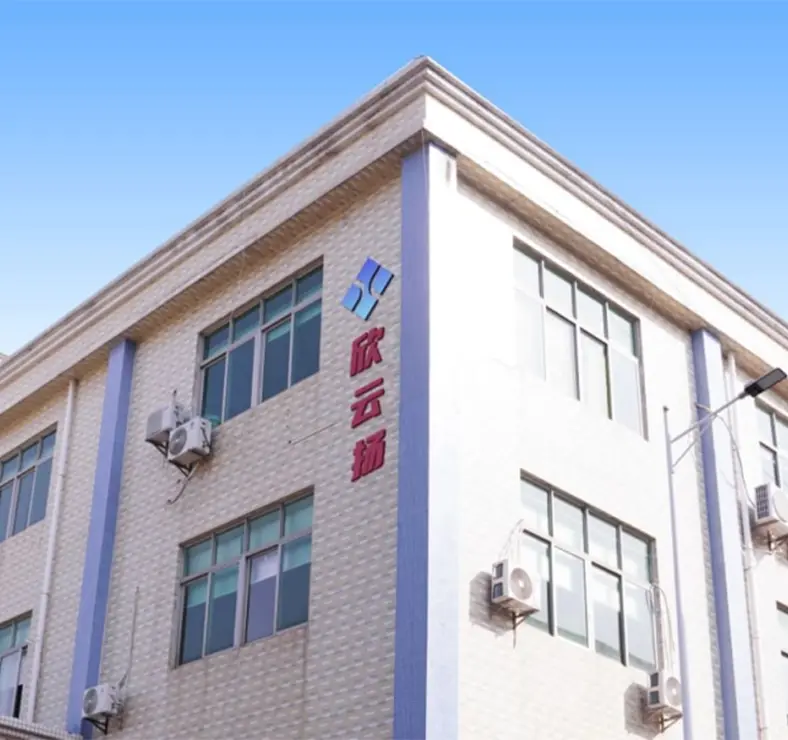
Founded in November 2014, Xinyunyang Precision Technology Co., Ltd. has steadfastly adhered to its founding principles of Integrity, Innovation, Cooperation, and Sharing. We have cultivated an industry-leading position by establishing specialized Kovar precision processing technology as our core competitiveness.
We deeply cultivate high-requirement applications across semiconductors, optical communications, aerospace, medical devices, new energy systems, and defense electronics. Our mission is clear: to provide miniaturized, customized, and exceptionally high-reliability hermetic packaging and mechanical hardware solutions to global engineering giants.

Successfully operating 3-axis milling machinery on high-reliability alloys like Kovar (ASTM F15) or Titanium demands specialized knowledge of cutting mechanics. A standard milling machine will encounter rapid tool wear, localized heat zones, and massive work-hardening issues. To prevent these failures, Xinyunyang uses a highly systematic, proprietary cutting tool profile, feed optimization, and high-pressure liquid flood cooling technologies.
Kovar alloy features a low and uniform coefficient of thermal expansion (CTE) matching borosilicate glass. However, its high ductility and low thermal conductivity mean that during conventional machining, heat is not efficiently carried away with the chips. Instead, it localizes at the tool interface. By optimizing three-axis processing coordinates, balancing cutting parameters, and utilizing specialized carbide tool coatings, we achieve a breakthrough surface roughness (Ra) of less than 0.3μm.
| Material Category | Common Industrial Grades | 3-Axis Milling Challenges | Xinyunyang Production Method | Target Applications |
|---|---|---|---|---|
| Low Expansion Alloys | Kovar (4J29), Invar 36 | High tool wear, work hardening | Carbide tooling, optimized feed rate | Hermetic optoelectronic packages, CTE matched lids |
| Lightweight Alloys | Aluminum 6061-T6, 7075 | High burr formations, soft buildup | High-speed spindle speeds, mirror milling | 5G communication cavities, electronic housings |
| Copper & Brass | C36000, Oxygen-free Copper | Sticky chip removal, high ductility | Specialized chip-breaker tool profiles | Precision connectors, high conductivity structures |
| Alloy Steels | 4140, 8620, Tool Steels | Extreme cutting resistance | Rigid dampening systems, heavy duty spindle feeds | Fixtures, structural tooling blocks |
This strict control over mechanical metrics extends to all high-precision aerospace and RF communication shielding enclosures. Proper spindle RPM control paired with fine-pitch cross-feeds eliminates microscopic burrs that could compromise hermetic sealing or disrupt high-frequency (e.g., 40GHz) signals.
An overview of why major aerospace, medical, and semiconductor companies choose Xinyunyang.
The company boasts an elite team of over 100 dedicated specialists, where highly experienced technical engineers account for 30% of the total workforce, directing quality execution at every layer.
Core members have been deeply engaged in precision metal processing for over a decade. We continue to explore the composite processing of special metals, proactively adapting to cutting-edge needs in 5G, artificial intelligence, and new energy.
Backed by an ISO 9001 certified quality management system and intelligent digital production scheduling, we have increased the delivery efficiency of regular orders by 15%-20%, streamlining the global high-end supply chain.
In the modern industrial paradigm, supply chain resilience is as critical as physical manufacturing tolerance. The Chinese precision industrial network—specifically situated within the Pearl River Delta industrial cluster—offers unmatched ecosystem density. For a complex piece of equipment requiring a three-axis milled base, a Kovar packaging shell, nickel-gold electroplating, and helium mass spectrometer leak detection, all raw materials, secondary surface treatments, and testing processes are located within a 50-kilometer radius.
This localized density allows Xinyunyang to dramatically compress standard lead times. Furthermore, our direct relationships with high-grade raw material smelters mean we maintain a buffer inventory of premium Kovar, Titanium, and specialty copper alloys, shielding our global clients from volatile raw material fluctuations. Our intelligent manufacturing management software links raw material sourcing directly with CNC machine load levels, enabling real-time production flexibility.
Precision component needs vary dynamically by region and sector. Understanding these specialized environments allows us to design and execute components that deliver perfect performance under real-world stress.
High-altitude, high-pressure environments demand ultra-reliable safety armor and filter components. Precision-milled Kovar housings match the thermal expansions of optical windows and structural ceramics perfectly, preventing vacuum seal degradation at -65°C to 125°C.
High-frequency microwave cavities and optical communication shells processed by 3-axis CNC milling achieve micro-level planar flatness. This flatness prevents transmission reflections, keeps insertion loss (IL) below 0.26dB at 40GHz, and ensures optimal thermal dissipation.
Advanced lithography tools and laser diodes require micron-level alloy steel tooling and fixtures. These components keep structural drift minimal over millions of cycles, ensuring perfect physical positioning during chip-testing phases.
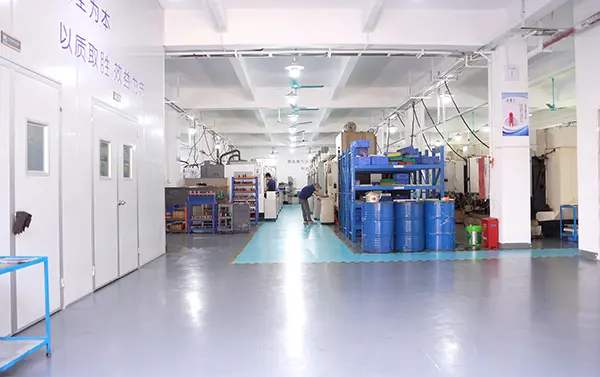
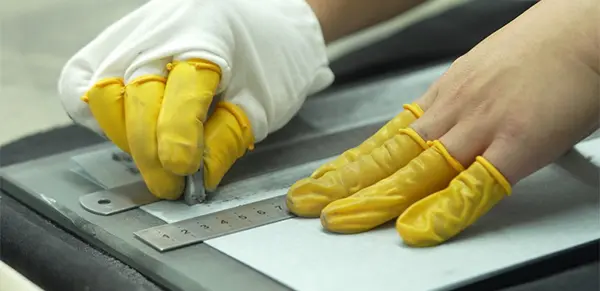
A glimpse inside our production floors, high-end CNC facilities, and rigorous inspection hubs.
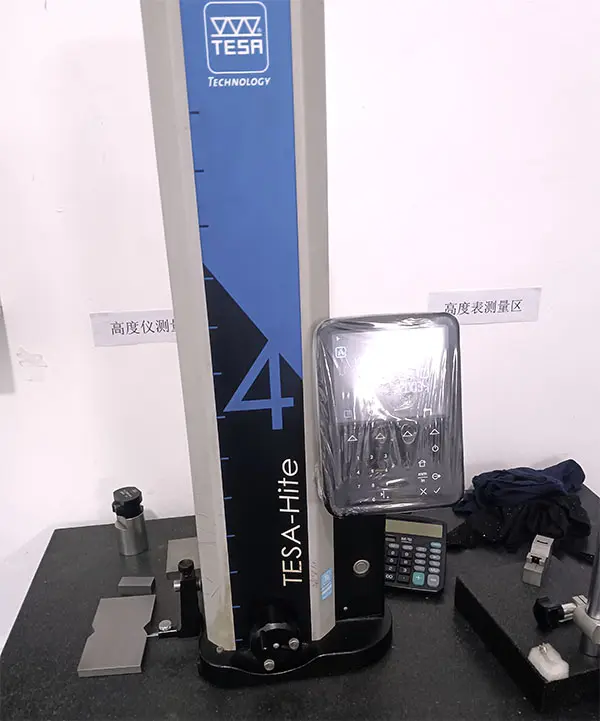
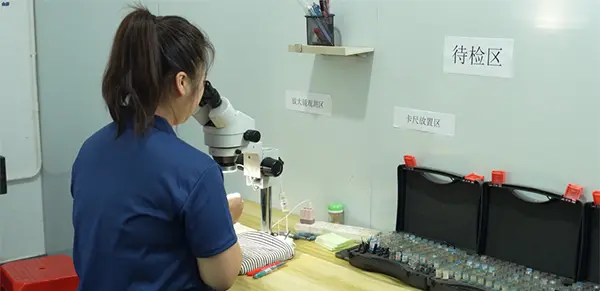
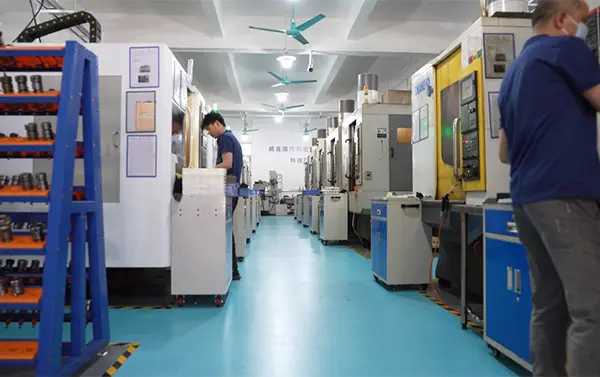
As industrial demands edge closer to sub-micron accuracy, the roadmap of three-axis milling is evolving. Future configurations will increasingly rely on artificial intelligence for real-time tool wear prediction and adaptive vibration control. By embedding accelerometers and acoustic emission sensors directly within the spindle assembly, modern systems can instantly adjust feed speeds and spindle rotation, mitigating harmful resonant frequencies before they manifest as micro-scratches on the workpiece.
Furthermore, sustainability has become an integral design parameter. Dry machining, minimal quantity lubrication (MQL), and high-efficiency chip extraction systems are replacing standard flood-cooling setups wherever feasible. In the production of aerospace devices and semiconductor packaging shell components, dry-milling methodologies prevent chemical residues from contaminating delicate surfaces, ensuring subsequent glass-to-metal sealing procedures proceed without interface voids.
Entering the international supply chain requires a deep commitment to regulatory frameworks. For aerospace structures, medical instruments, and automotive sub-systems, component traceability is non-negotiable. Xinyunyang operates in strict alignment with global standards, ensuring every batch of raw alloy—be it Kovar, Titanium, or high-purity oxygen-free copper—is accompanied by verified Material Test Reports (MTR), heat treatment logs, and chemical composition charts.
To support clients in North America, Europe, and the APAC region, we offer comprehensive engineering consultation during the initial design-for-manufacturability (DFM) phase. Our technical representatives ensure that three-axis path tolerances are optimized before metal is cut. This proactive verification process minimizes costly design revisions, accelerates time-to-market, and guarantees that every delivered part fits perfectly into its final assembly.
Technical clarifications regarding three-axis milling processes, Kovar alloys, and supplier selection parameters.
Kovar features high ductility, slow heat dissipation, and a strong tendency to work-harden. Without optimized spindle feeds, appropriate carbide tool coatings, and high-pressure lubrication, the alloy can quickly dull cutting edges, leading to surface tearing and thermal deformation.
We maintain strict micro-flatness tolerances (typically within 0.01mm) on structural mating surfaces. Additionally, we minimize micro-burrs and control surface roughness (Ra < 0.3μm), which prevents vacuum leaks and ensures perfect glass-to-metal or ceramic co-firing outcomes.
Our manufacturing facilities operate under the ISO 9001 quality management framework. Every component batch is fully traceable from initial raw material smelting to final dimensional inspection via CMM.
By combining local supply networks with our advanced digital production scheduling system, we regularly deliver custom production components 15% to 20% faster than traditional manufacturing timelines.
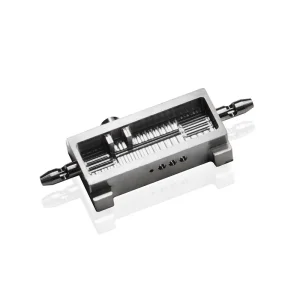
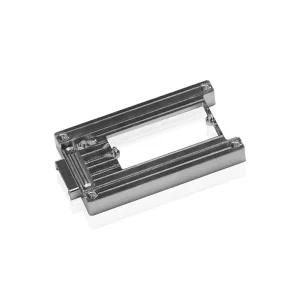
Discover premium micron-level fixtures, CTE-matched enclosures, and sub-micron tolerance components.
 Xinyunyang Precision