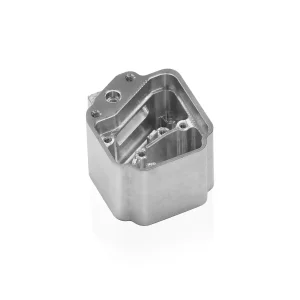
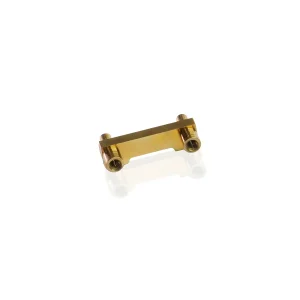
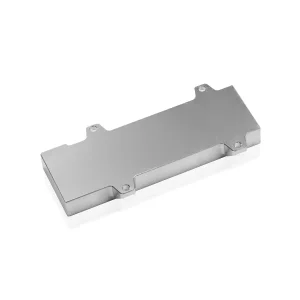
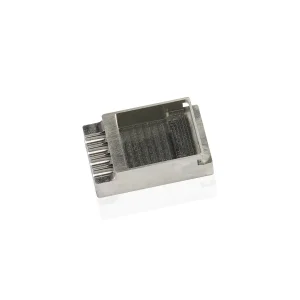
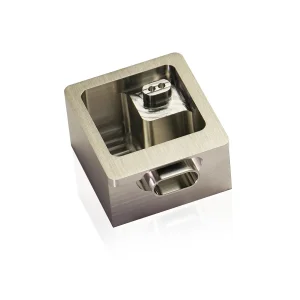
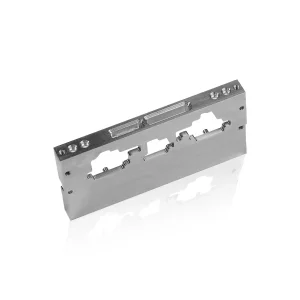
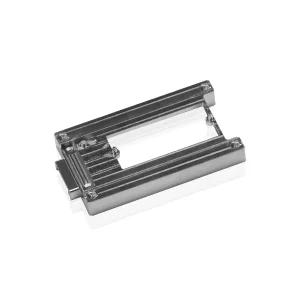
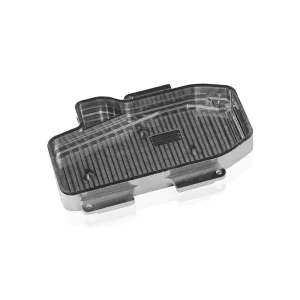
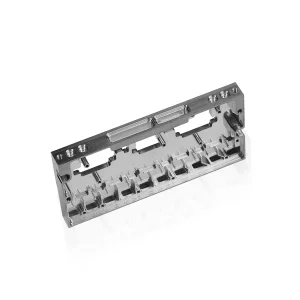
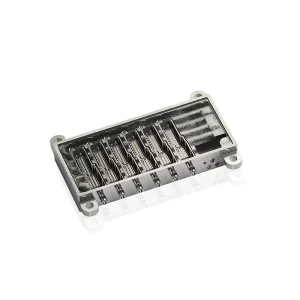
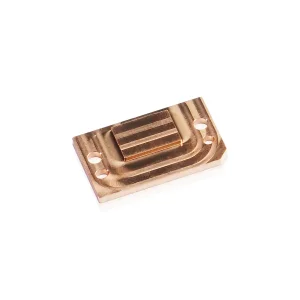
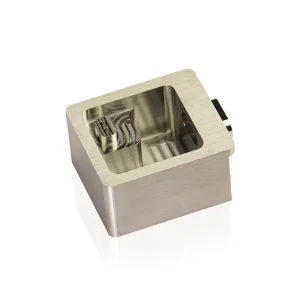
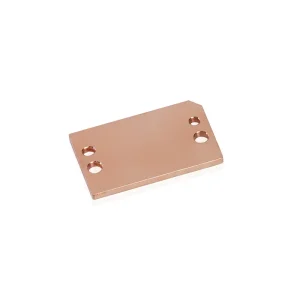
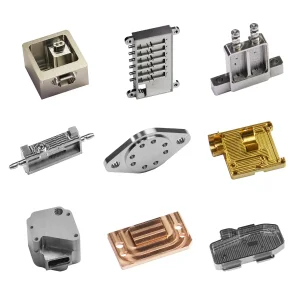
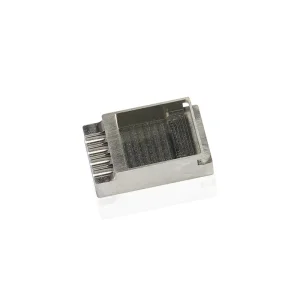
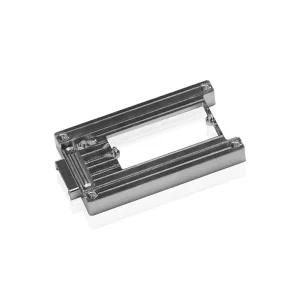
Ultra-precise aerospace alloys, Kovar hermetic casings, and CNC structural architectures crafted for multi-industry compliance.
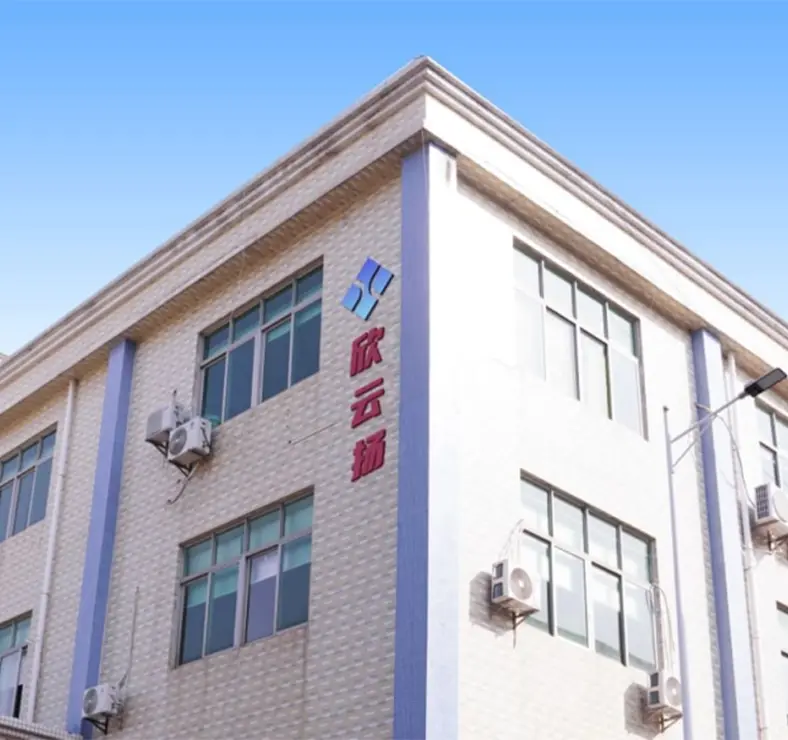
Established in November 2014, Xinyunyang Precision Technology Co., Ltd. represents the absolute zenith of precision metallurgy and structural component manufacturing. Founded on structural integrity, cutting-edge innovation, cross-border cooperation, and mutual value sharing, our focus is the creation of specialized metal packaging and hard-wearing surface solutions that excel in extremely high-vacuum, cryogenic, and load-bearing microelectronic environments.
By integrating advanced CNC machining with robust surface treatments, such as aerospace-grade anodizing processes, we deliver components that perform flawlessly in the most hostile environments. We cater aggressively to high-reliability applications in semiconductors, optical communications, medical equipment, new energy, and aerospace technology.
 High-precision processing capability
Advanced technology and equipment
Strict quality control (ISO 9001)
Flexible customized services
High-precision processing capability
Advanced technology and equipment
Strict quality control (ISO 9001)
Flexible customized services
How Modern Electrochemical Layer Engineering Protects Substrates, Improves Thermal Dissipation, and Eliminates Particulate Outgassing in Harsh Semiconductor and Aerospace Deployments.
Aluminium anodizing is not simply a coating applied to the surface; it is an electro-chemical conversion process that transforms the external layer of the aluminum alloy substrate into a highly ordered, hard, and porous aluminum oxide (Al₂O₃) structure. The anodizing process begins by submerging the precisely milled aluminum component into an acidic electrolytic bath (typically sulfuric acid, H₂SO₄) and passing an electrical current through it. The aluminum part serves as the anode (+), and a cathode (-) is positioned inside the tank.
Oxygen ions are released from the electrolyte and combine with surface aluminum atoms, creating a barrier layer that deepens progressively into the metal. The standard process can be finely tuned to yield two distinct structural outcomes:
Typically yields a coating thickness ranging from 5µm to 25µm. Highly receptive to organic and inorganic dyes, it provides exceptional corrosion resistance, surface uniformity, and visual aesthetics, making it perfect for electronic casings, thermal blocks, and structural frames.
Conducted near freezing temperatures (0°C to 5°C) with higher voltage levels, producing a dense layer between 50µm and 100µm. Type III coatings possess immense wear resistance, reaching up to 65 Rockwell C, rendering them highly resilient against abrasion and chemical erosion.
Post-anodizing, the hexagonal micro-pores must be sealed to maximize corrosion protection. Standard methods include hot deionized water hydration, nickel acetate sealing for maximum salt-spray resistance, and specialized PTFE impregnation for exceptionally low sliding friction.
The choice of alloy significantly impacts the anodized outcome. While 6061-T6 offers outstanding post-anodizing aesthetics and excellent structural strength, high-strength aerospace alloys like 7075-T6 contain high concentrations of zinc and copper. These secondary elements alter the electrical resistance during the electro-chemical process, requiring highly customized voltage ramping profiles to prevent surface burning, micro-cracking, or incomplete barrier layer development.
Precision-milled and anodized aluminum parts serve as the vital components across several leading-edge industries. As an integrated manufacturer, Xinyunyang engineers custom surface solutions to withstand highly specialized operating conditions:
| Industry Sector | Target Component Application | Critical Performance Standard Required | Xinyunyang Optimized Engineering Response |
|---|---|---|---|
| Semiconductor & High-Vacuum | Chamber Cavities, Gas Distribution Plates, Showerheads | Extreme chemical resistance against fluorine/chlorine plasmas; Zero outgassing; Zero particle shedding. | Ultra-pure Type III hardcoat anodizing with customized high-temperature deionized water sealing to eliminate residual ions. |
| Aerospace & Avionics | Electronic Enclosures, Gyroscope Housings, Structural Frames | Salt-spray corrosion endurance; High vibration tolerance without coating cracking; Thermal emissive coatings. | Strict compliance with MIL-A-8625 standard. Dynamic bath tracking preventing micro-fissuring under heavy loads. |
| 5G Telecommunications | Kovar-Aluminum Composite Shells, Transceiver Cavities | Perfect CTE (Coefficient of Thermal Expansion) alignment; RF attenuation control; Efficient heat dissipation. | Precise masking and selective anodizing interfaces combined with high-precision CNC multi-axis milling for mechanical grounding. |
| High-End Medical Systems | Surgical Tool Housings, Diagnostic Equipment Bezels | Resistance to repeated autoclave sterilization cycles, aggressive enzymatic cleaners, and biological staining. | High-density chemical sealing using non-toxic nickel-free hot-water sealing techniques, retaining color integrity and chemical inertness. |
The modern anodizing landscape is shifting rapidly. Simple, passive oxide layers are being replaced by highly active, structured nanotechnologies. Xinyunyang is actively investing in research across three principal technical areas:
Empowering global OEM/ODM partners with high-speed manufacturing pipelines, automated raw material integration, and robust risk-mitigation systems.
In today's highly volatile global trade landscape, reliability is not just about keeping dimensions in spec—it is about supply chain stability and agility. Located in the heart of China’s most advanced precision manufacturing cluster, Xinyunyang has pioneered the transition to a fully realized **China Factory 4.0 model**. This combines automated, high-precision machining with digital supply chain management to deliver unmatched speed, value, and resilience.
Our Manufacturing Execution System (MES) continuously optimizes setup times and machine loads in real-time, reducing typical industrial lead times by 15% to 20% compared to traditional CNC machine shops.
We maintain deep partnerships with leading domestic premium alloy smelters. This allows us to secure reliable access to specialized metals, such as 4J29 Kovar, titanium, and 7000-series aluminum, even during market shortages.
Using coordinate measuring machines (CMM), 3D optical profilometers, and real-time chemical bath analysis systems, we guarantee that every shipped component conforms precisely to your engineering tolerances.
Furthermore, our facility is engineered to run around the clock safely. Automated robotic tool changers and intelligent pallet systems allow for lights-out CNC machining during night shifts, doubling our output capacity without sacrificing manufacturing precision. For global procurement officers, this translates to faster turnarounds, highly scalable production, and incredibly consistent batch-to-batch quality.
Xinyunyang leverages over a decade of domain expertise, combining strict process controls with robust, dynamic production scheduling.
Facilitating seamless international transactions through rigorous standards, localized customer support, and robust logistics infrastructure.
Managing international procurement is a complex balancing act of lead times, regulatory frameworks, quality milestones, and logistical risks. At Xinyunyang, we simplify this process by offering comprehensive global localization support. We function as a seamless extension of your engineering and procurement teams, helping you manage cost targets while maintaining absolute quality compliance.
Our operations are structured around key international standards to ensure effortless cross-border collaboration:
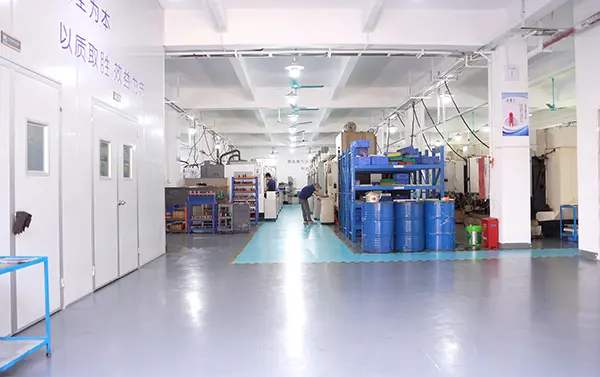
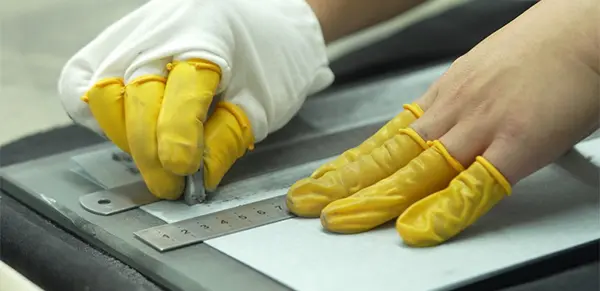
A closer look inside Xinyunyang's state-of-the-art precision CNC machining facility and surface analysis laboratory.
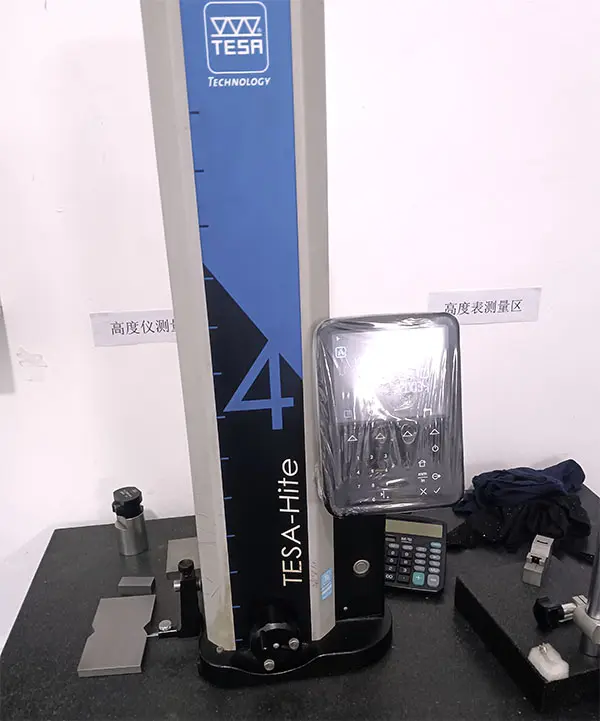
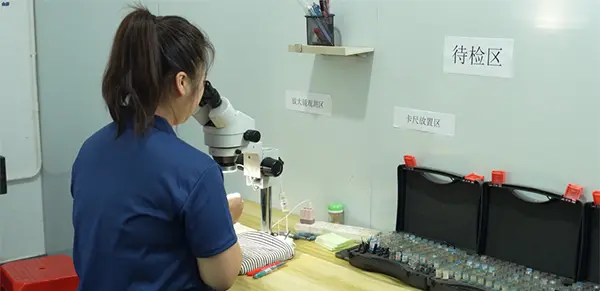
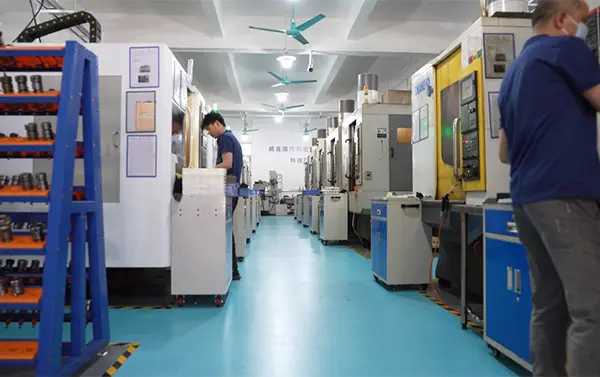
Addressing the technical, material, and logistical questions commonly faced by procurement managers and design engineers.
Premium aerospace-grade CNC machining, advanced Kovar glass-to-metal sealing enclosures, and custom conductive connectors.
 Xinyunyang Precision