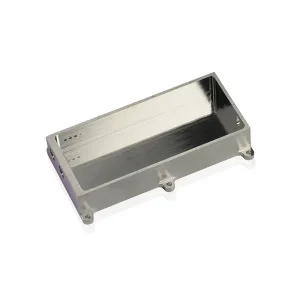
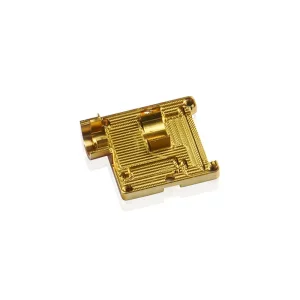
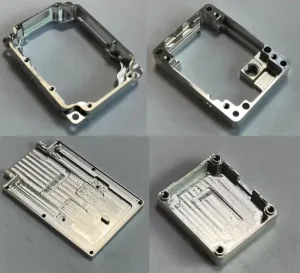
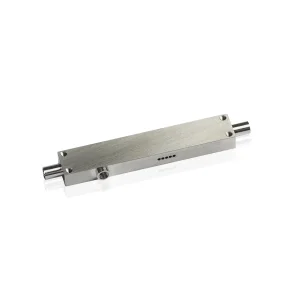
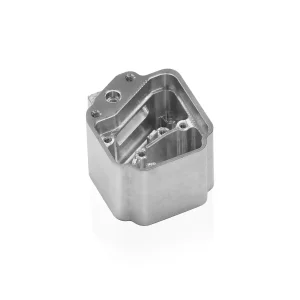
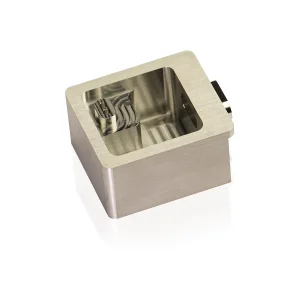
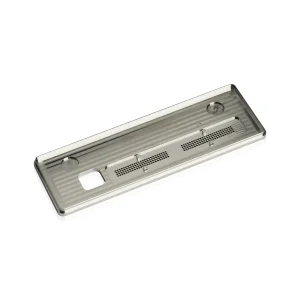
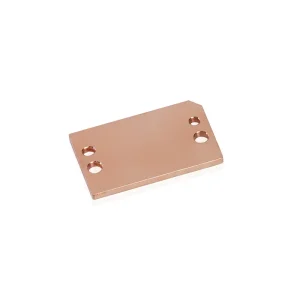
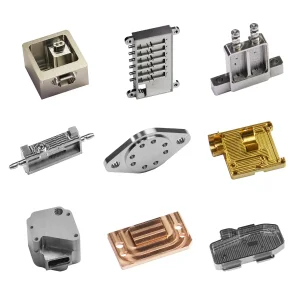
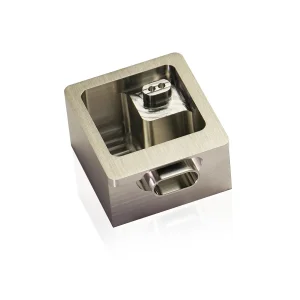
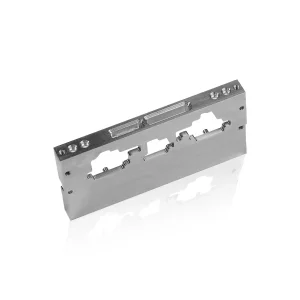
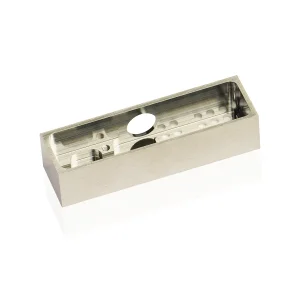
Explore our core engineering capabilities, covering heavy-duty structural components, electronic protective housings, and micro-machined thermal blocks.
The global demand for high-strength, lightweight, and thermally efficient structural materials is accelerating at an unprecedented pace. Among all metal fabrication processes, aluminum extrusion remains the absolute cornerstone of modern industrial design, serving critical sectors such as aerospace, new energy automotive, high-speed rail, telecommunications, and advanced electronics packaging. As professional wholesale extruded aluminum suppliers & manufacturers, the mandate has expanded beyond mere metal forming; today's operating environment demands atomic-level precision, dynamic thermal profiling, and seamless co-processing with specialized alloys.
Modern applications require extruded aluminum to perform under intense mechanical stress and harsh environmental criteria. This shift has necessitated a move from basic 6000-series alloy forming to complex, structural, thermal-grade assemblies that incorporate sophisticated CNC post-machining. Industries such as semiconductor manufacturing and aerospace thermal management require extruded structures to interface perfectly with low-expansion alloys like Kovar, demanding unmatched geometric accuracy, microscopic flatness, and rigorous structural integrity that only highly specialized facilities can supply.
By optimizing the chemical matrix of standard aluminum profiles and integrating state-of-the-art multi-axis extrusion dies, manufacturers can achieve profiles with ultra-thin walls, intricate internal cavities, and highly customized heat-sink fins. These advancements enable significant weight reduction in structural assemblies without sacrificing yield strength or load-bearing capacities. Consequently, Tier-1 automotive and aerospace firms are redesigning their structural platforms to leverage the dynamic benefits of customized aluminum extrusions.
A trusted global supplier of ultra-precision metal technologies, specializing in composite hermetic structures, Kovar alloys, and high-performance metallic solutions.
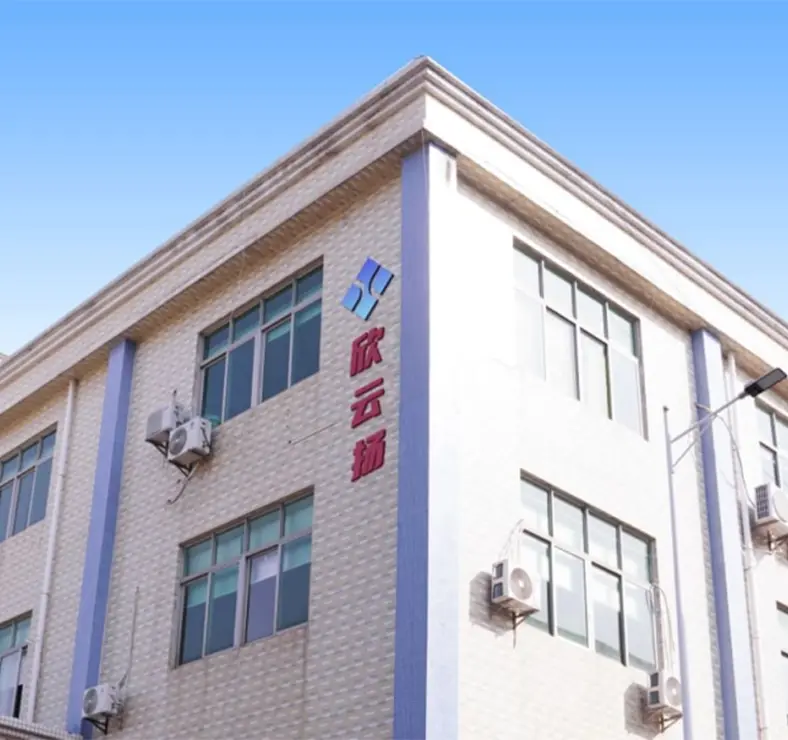
Founded in November 2014, Xinyunyang Precision Technology Co., Ltd. has steadfastly adhered to the core operational principles of Integrity, Innovation, Cooperation, and Sharing. The company has carved an industry-leading position by focusing on Kovar precision processing technology, deeply cultivating demanding global sectors including semiconductors, optical communications, aerospace, medical devices, military defense, and new energy. We are committed to providing highly miniaturized, fully customized, and ultra-reliable metal packaging and structural solutions to global enterprise clients.
Micro-level tolerances and complex geometry handling. Harnessing advanced multi-axis CNC machines and custom extrusion die designs to deliver exceptional quality parts.
Integrated manufacturing equipment using cutting-edge technologies. Optimized for multi-material thermal management and critical aerospace assemblies.
ISO 9001 certified quality management systems coupled with continuous non-destructive testing (NDT) methodologies for perfect operational reliability.
From initial design simulation to high-volume commercial production. We collaborate directly with your engineering department to match chemical specifications, thermal performance characteristics, and strict mechanical stress profiles.
Driving operational excellence through engineered solutions, structural optimization, and patent-backed workflows.
Our workforce features more than 100 highly specialized personnel, with technical and mechanical engineers comprising over 30% of our talent pool.
Core members possess over a decade of hands-on expertise in precision metal processing. We specialize in compounding high-expansion structural aluminum with specialized low-expansion alloys, laying strategic foundations for 5G, artificial intelligence, and new energy vehicle components.
Operating a fully ISO 9001 certified manufacturing facility paired with intelligent APS (Advanced Planning & Scheduling) systems, increasing order fulfillment speed by 15% to 20% over traditional lead times.
Procuring raw and semi-finished components from wholesale extruded aluminum suppliers & manufacturers requires deep visibility into supply chain logistics, metallurgy specifications, and regulatory frameworks. For procurement managers handling mega-scale infrastructure or highly sensitive military and communication systems, selecting a fabrication partner involves navigating a matrix of quality metrics:
Modern product development has surpassed the era of single-material systems. Complex electronics enclosures, high-performance battery trays for electric vehicles, and phased-array radar chassis demand hybrid material integrations. As a leading specialized manufacturer, Xinyunyang is uniquely positioned to bridge this gap. We combine heavy-duty aluminum extrusions with high-density CNC micro-machining and special alloy structures.
For instance, in 5G optical communication systems, standard aluminum housing provides structural robustness and lightweight thermal protection. However, the delicate optical core requires materials that perfectly match the low thermal expansion profile of quartz fibers. By engineering structural assemblies that combine extruded aluminum chassis with integrated Kovar alloy components and hermetic packaging lids, we deliver complete, cross-system structural stability. This macro-level industrial engineering approach effectively mitigates thermal stress fractures, maintains vacuum seals, and boosts heat dissipation efficiency by up to 35% compared to multi-part, non-optimized mechanical systems.
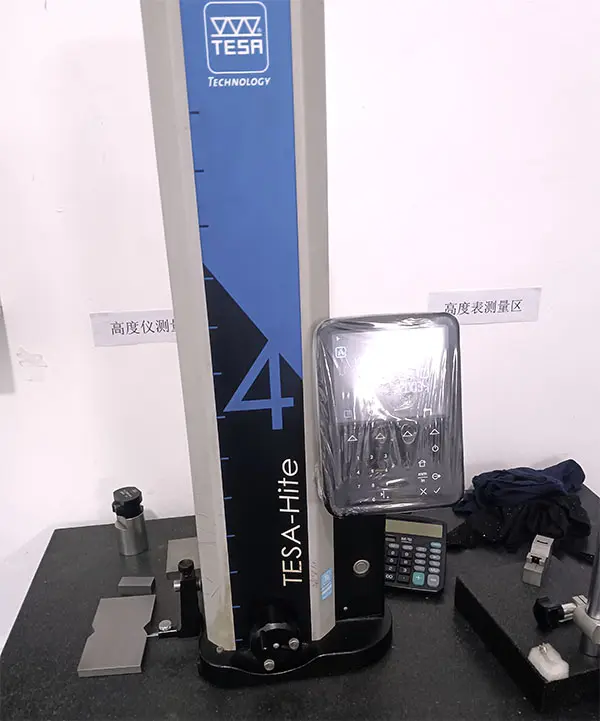
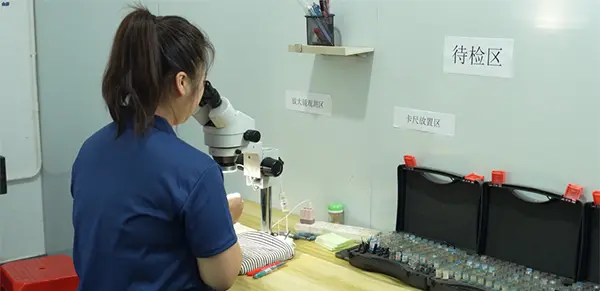
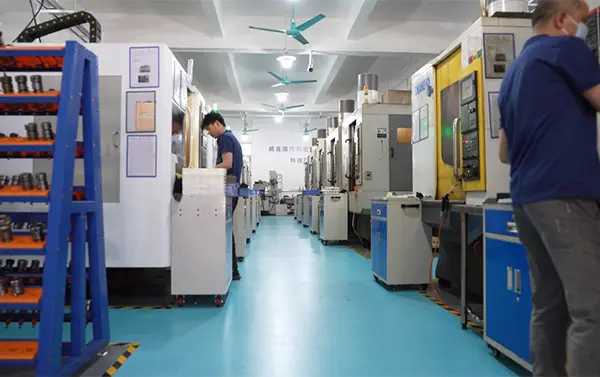
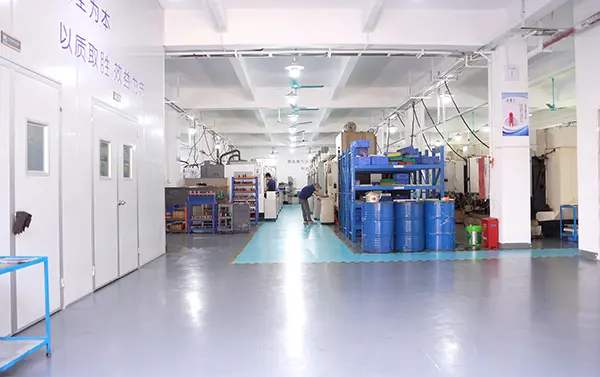
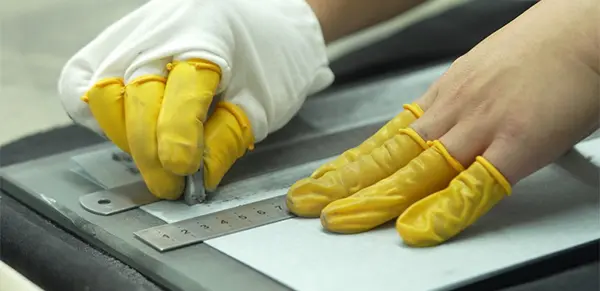
A transparent look inside our state-of-the-art production environments, precision testing facilities, and automated machining workshops.
As the industrial world pivots toward smart manufacturing and carbon neutrality, the aluminum extrusion industry is undergoing a structural transformation. Forward-thinking manufacturers are actively integrating AI-driven predictive logistics, advanced thermal simulations, and closed-loop material recycling strategies. Below is a strategic overview of the key technological pillars shaping the next generation of wholesale extruded aluminum supply lines:
Global environmental regulations, including the European Union's Carbon Border Adjustment Mechanism (CBAM), are enforcing strict carbon caps on structural materials. The future belongs to "green aluminum" produced using renewable energy sources (such as hydro or solar power) and high-ratio recycled material streams. By optimizing scrap management and refining extrusion scrap back into high-purity billets, manufacturers are drastically minimizing the carbon footprint of structural extrusions, providing key competitive advantages to global OEMs aiming for carbon-neutral operations.
By placing thermal and pressure sensors along the extrusion container and within the die structure, intelligent monitoring software can dynamically regulate press speeds in real-time. This eliminates common micro-cracking phenomena and structural flow deviations that often plague high-strength 7000-series alloys. The result is a robust, defect-free material grain structure, ensuring consistent tensile strength throughout the entire length of the profile.
As micro-electronic packaging and consumer electronics shrink in form factor, traditional extrusion sizes face severe physical limitations. Emerging technology roadmaps focus on micro-extrusion lines capable of outputting profiles with wall thicknesses under 0.3mm. Additionally, multi-material co-extrusion technology, which combines aluminum with copper or polymer channels during the primary extrusion phase, promises to revolutionize thermal management systems in EV battery packs and high-power LED array systems.
Operating a global supply chain requires robust local logistics integration, customs compliance, and deep alignment with regional certification standards. A reliable manufacturing partner must offer more than just outstanding engineering; they must assure secure trade compliance and technical certifications:
Expert answers addressing the thermal, structural, and procurement criteria crucial for engineering and supply chain managers.
Complete your design pipeline with our specialized structural elements, Kovar joints, and ultra-high precision alloy fixtures.
 Xinyunyang Precision