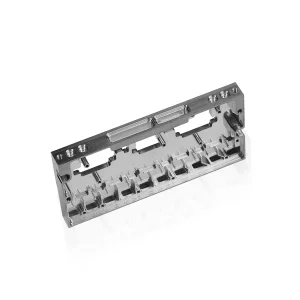
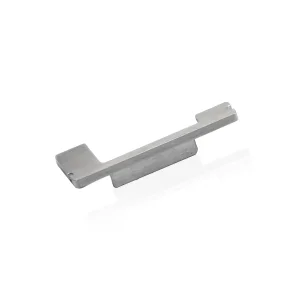
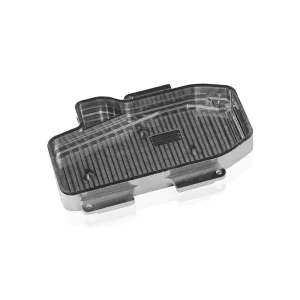
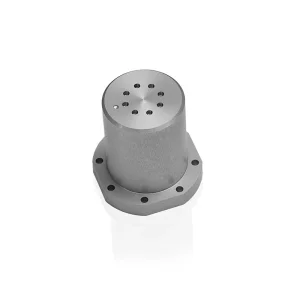
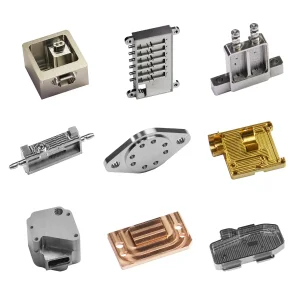
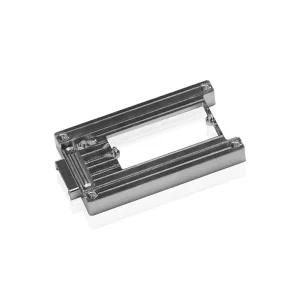
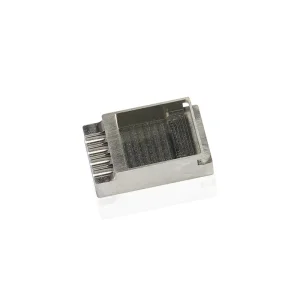
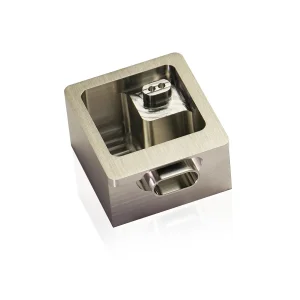
Founded in November 2014, Xinyunyang Precision Technology Co., Ltd. has established itself as an elite pioneer in the precision metal components sector. Guided by our foundational principles of Integrity, Innovation, Cooperation, and Sharing, we focus on Kovar precision processing technology as our core competitiveness. We engineer reliable and customized packaging solutions that keep global high-tech industries moving forward.
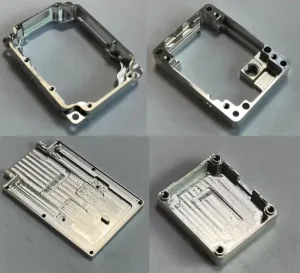
As a leading supplier of hermetic package lids, custom Kovar alloy components, and specialized high-vacuum parts, we cater to strict criteria required by standard-setting organizations. Our highly robust structural assemblies are deployed across semiconductor environments, optical communications networks, aerospace systems, medical devices, and clean energy infrastructures.
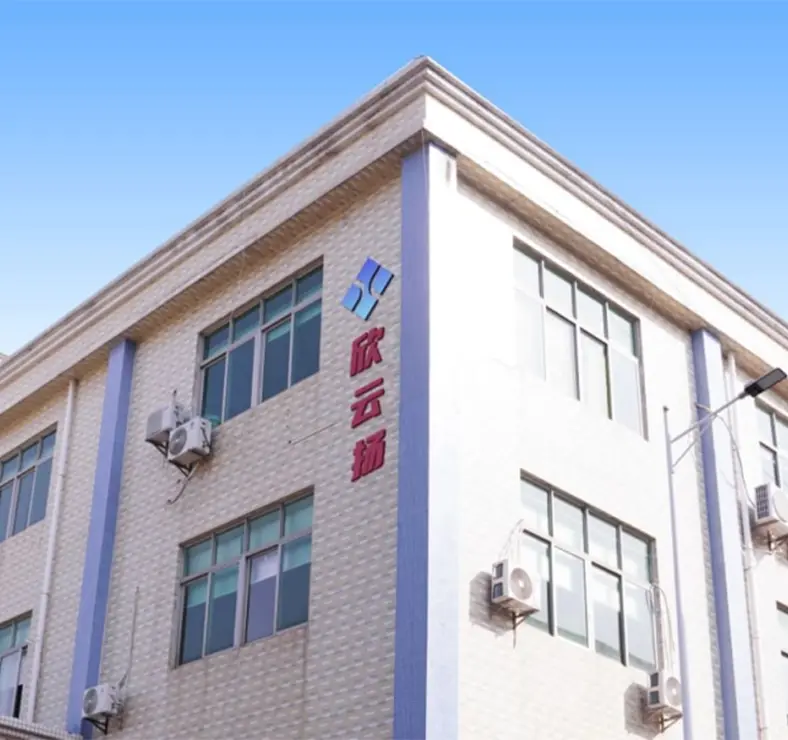
By blending technological expertise with structured manufacturing workflows, Xinyunyang Precision consistently exceeds quality requirements across critical application fields.
A rigorous examination of material science, controlled thermal expansion, and ultra-high vacuum (UHV) structural integrity.
Kovar (ASTM F15, equivalent to 4J29) is a nickel-cobalt-iron alloy formulated to provide a thermal expansion profile that closely matches borosilicate glasses and alumina ceramics. Between -80°C and 450°C, its Coefficient of Thermal Expansion (CTE) remains highly stable. This stability prevents thermal stresses during cycle changes, ensuring hermetic glass-to-metal and ceramic-to-metal seals remain airtight.
Ultra-high vacuum environments (10⁻⁹ Torr and beyond) require structural components with zero outgassing and no internal voids. In conventional machining, blind threaded holes and pocket geometries can trap air, creating "virtual leaks" that make it difficult to achieve high vacuum levels. Our vacuum-facing components feature venting pathways, polished surfaces, and specific edge radii to eliminate these outgassing sources.
Raw Kovar develops internal stresses during forging, cold rolling, or rough machining, which can cause dimensional shifting during final finishing or high-temperature brazing. We prevent this by introducing specialized intermediate vacuum annealing cycles (typically between 850°C and 1000°C in a dry hydrogen atmosphere). This process relieves internal stress and decabonizes the material to optimize subsequent glass sealing.
| Property Designation | Measurement Condition / Temperature Range | Nominal Value |
|---|---|---|
| Density | At 20°C (68°F) | 8.36 g/cm³ (0.302 lb/in³) |
| Thermal Conductivity | At 20°C to 100°C | 17.3 W/m·K (120 BTU-in/ft²-hr-°F) |
| Coefficient of Thermal Expansion (CTE) | 30°C to 400°C (86°F to 752°F) | 4.6 - 5.2 × 10⁻⁶ / °C |
| Coefficient of Thermal Expansion (CTE) | 30°C to 450°C (86°F to 842°F) | 5.1 - 5.5 × 10⁻⁶ / °C |
| Melting Point | Solidus to Liquidus Range | 1450°C (2640°F) |
| Tensile Strength | Annealed State | 450 - 550 MPa (65 - 80 ksi) |
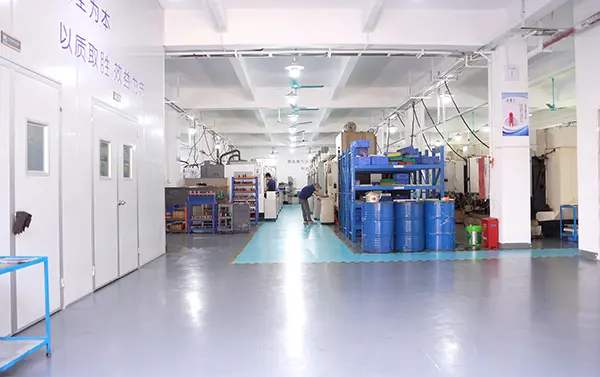
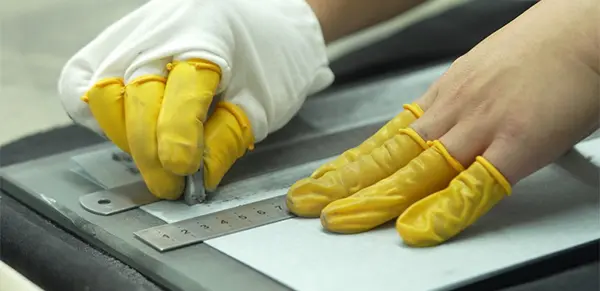
Our production floor is designed for high efficiency, quality consistency, and rigorous component inspection.
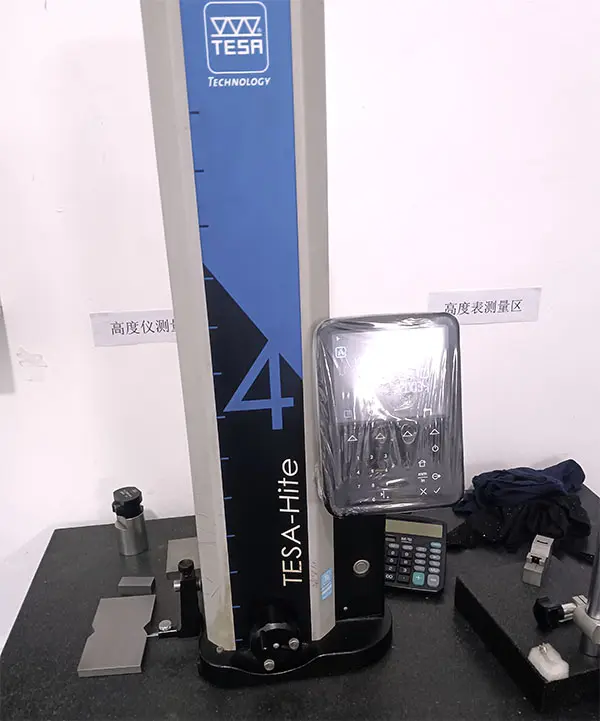
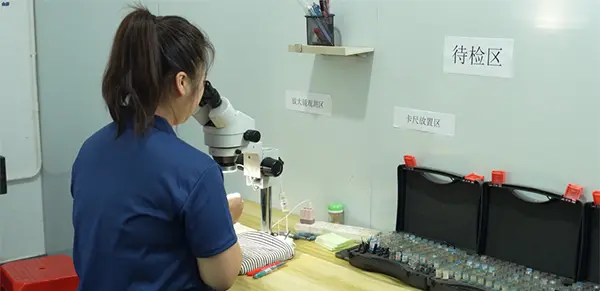
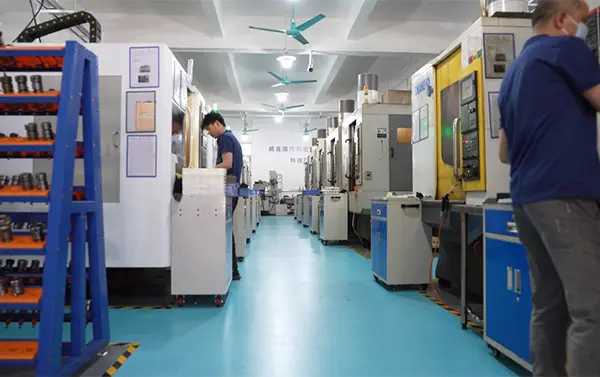
How Xinyunyang Precision customizes high-reliability sealing technologies for international deep-tech platforms.
Modern lithography, atomic layer deposition (ALD), and ion implantation require consistent vacuum chambers. Our custom Kovar feedthroughs, flanges, and optical viewport housings maintain critical seals under high heat and reactive gases, preventing contamination of silicon wafers.
Satellite communications hardware operates under extreme temperature variations in space. Our high-reliability Kovar packages protect internal components from vacuum-induced outgassing while keeping optical telemetry windows secure.
High-power clinical imaging equipment relies on vacuum tubes. We manufacture precise metal-to-glass Kovar assemblies that isolate high voltage and maintain internal vacuum conditions, helping ensure consistent, clear diagnostic imaging.

Xinyunyang Precision has implemented Industry 4.0 systems to improve output consistency and manage processing costs effectively. By integrating automated toolpaths and real-time machine monitoring, we achieve high yield rates even on complex special-alloy designs.
We work directly with domestic steel mills to secure high-quality raw Kovar (4J29) ingots, helping protect our customers from global material price fluctuations. Coupled with our in-house annealing, multi-axis milling, and cleanroom packaging facilities, we maintain tight control over the entire supply chain.
Our ongoing development goals focus on emerging demands within high-frequency 5G networks, aerospace systems, and scientific research.
We are developing automated systems to hold tolerances within ±0.001mm on production-run Kovar housings to meet the requirements of next-generation optical devices.
Developing wall thicknesses down to 0.15mm for aerospace housings, reducing structural weight while maintaining high vacuum sealing performance.
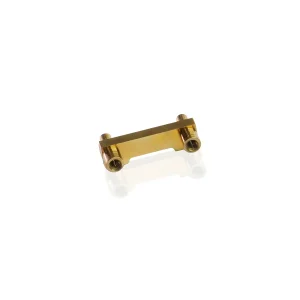
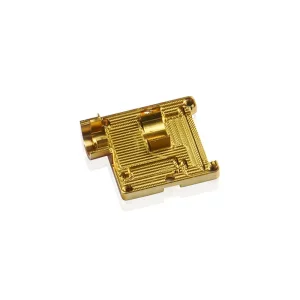
Optimizing electrolytic and electroless gold-plating processes over intermediate nickel barriers to ensure long-term corrosion resistance and clean brazing surfaces.
Supporting international supply chains with reliable shipping, compliance management, and standard-compliant documentation.
We work to meet the engineering standards required by key aerospace, semiconductor, and medical organizations. Every shipment includes certified mill test reports, coordinate-measuring machine (CMM) dimensional data, and material composition analysis.
Our operations comply with RoHS, REACH, and other common environmental directives. Our sustainable 4J29 options are manufactured with strict waste capture and low carbon emissions, helping global clients meet their sustainability goals.
Kovar can oxidize when exposed to high humidity during transport. To prevent this, all finished components undergo cleanroom ultrasonic cleaning and are vacuum-sealed in heavy-gauge, ESD-safe bags with moisture-absorbing desiccants.
Direct answers from our engineering team regarding common design, material selection, and process control questions.
If the metal and glass expand or contract at different rates as temperatures change, the internal stress will crack the joint and ruin the seal. Kovar's thermal expansion profile matches borosilicate glass from cryogenic temperatures up to the glass transition range, keeping the joint airtight through repeated temperature cycles.
We combine careful machining practices with thorough post-machining preparation. We use design layouts that avoid blind tapped holes or tight gaps that trap gas, employ non-silicone coolants, and perform cleanroom ultrasonic washes to remove hydrocarbons before final packaging.
Yes, rough machining introduces internal stresses that can warp the metal during subsequent heating, compromising the final seal. We perform stress-relief vacuum annealing at specific stages to stabilize the parts and prepare the surface for clean brazing or glass wetting.
We provide both electrolytic and electroless nickel plating (using high, medium, or low phosphorus options) as well as precision gold plating. This plating helps protect the raw Kovar from oxidation while creating a reliable surface for gold-tin or copper brazing.
Prototype runs are typically completed within 7 to 10 working days, while typical production orders take 3 to 4 weeks depending on geometry and plating requirements. We offer FOB, CIF, DDP, and door-to-door express shipping via international carriers to streamline delivery.
 Xinyunyang Precision