In high-density microelectronics, aerospace instrumentation, and semiconductor packaging, structural integrity rests entirely on managing the Coefficient of Thermal Expansion (CTE).
When engineering interfaces between metals and brittle materials like borosilicate glass or high-purity alumina ceramics, standard metallic components fail catastrophically. Under thermal cycling, excessive expansion or contraction forces generate shear stresses. This leads instantly to microscopic fissures, vacuum leakage, and system failure. Here, controlled expansion alloys become the critical engineering solution.
Among these, Kovar (conforming to international standard ASTM F15) and specialized cobalt-nickel-iron variations known commercially under brand groupings such as Vaconium (specifically Vacon alloys) represent the absolute benchmark. These alloys are uniquely engineered to maintain a highly predictable thermal expansion curve that matches inorganic substrates nearly perfectly from sub-zero cryogenic spectrums up to over 400°C.
While both metals share an iron-nickel-cobalt core, their minute chemical deviations determine their performance limits in extreme industrial applications.
| Alloy Parameter | Kovar (ASTM F15 / 4J29) | Vaconium (Vacon 10 / 70 Series Equivalent) | Engineering Impact & Context |
|---|---|---|---|
| Nominal Chemistry | 29% Ni, 17% Co, Bal Fe | 28% Ni, 18-22% Co, Bal Fe (Varied) | Cobalt levels dictate the slope of thermal expansion curves below the Curie transition point. |
| Mean CTE (30°C - 400°C) | ~4.9 - 5.3 × 10⁻⁶/K | ~4.6 - 5.0 × 10⁻⁶/K | Vaconium options offer optimized matches for high-density alumina and sapphire assemblies. |
| Curie Temperature | 435°C | Up to 460°C | High Curie thresholds extend the safe hermetic sealing temperature range. |
| Machinability Profile | Work hardens rapidly; requires specialized tooling lubricants. | Improved stability; responsive to dry-machining profiles. | Directly influences surface finish limits (Ra) and micro-profile tolerances on CNC centers. |
| Corrosion Mitigation | Requires plating (typically Gold over Nickel). | Slightly enhanced raw passivation, but plating is still standard. | Determines performance in high-humidity military and aerospace marine environments. |
Below the Curie temperature, the ferromagnetic behavior of these alloys counteracts normal lattice vibration expansion. This creates an ultra-low, linear CTE slope that mimics hard glass and ceramic.
Modern environmental standards emphasize dry-machining. Eliminating cutting fluid contamination prevents porous outgassing under deep-space vacuum environments.
Controlled oxidization of Kovar/Vaconium forms a tightly adherent monomolecular oxide layer. Glass melts wet this oxide layer to form robust, gas-tight seals.
How global high-tech sectors leverage controlled expansion alloys to safeguard critical electronics in harsh environments.
Aerospace systems operate under rapid temperature swings, transitioning from ground levels to the vacuum of space in minutes. In these systems, optical communications, sensor arrays, and safety armor assemblies rely on hermetic packages constructed from premium 4J29 Kovar and Vaconium alloys. Even a fraction of a micron of thermal drift can misalign high-precision internal lenses or crack sensitive ceramic mounting structures.
With the rise of 5G infrastructure, autonomous driving sensor suites, and high-frequency AI edge units, heat dissipation and reliable signal throughput are critical. Kovar housings, working alongside high-efficiency metal heat sinks and gold-plated components, protect sensitive laser diodes and integrated circuits from thermal stress. This ensures long-term operational stability and prevents signal degradation over years of service.
Integrating matched-expansion alloys directly translates to lower field failure rates for critical microelectronics:
*Statistical compilation based on aerospace standard glass-to-metal seal thermal cycling profiles (-65°C to 150°C for 500 cycles).
Navigating raw material constraints, vendor qualification pipelines, and strategic sourcing strategies.
Cobalt is a core constituent of both Kovar and Vaconium. Because cobalt production is geographically concentrated, the supply chain is prone to volatility. Strategic buyers must build partnerships with vertically integrated factories capable of maintaining buffer stocks of certified vacuum-melted billets. Partnering with a reliable factory helps secure stable pricing and consistent material properties, even when international markets fluctuate.
Understanding how localized compliance interfaces with global high-reliability standards to guarantee performance.
Modern global manufacturing demands clean chemistry. High-performance 4J29 Kovar and Vaconium supplies must be manufactured using sustainable practices that minimize carbon footprints and harmful processing byproducts. This compliance ensures trouble-free importation and assembly operations within European and North American jurisdictions.
Industrial factories must provide complete quality assurance documentation. This includes material test reports (MTRs), chemical composition analysis via optical emission spectroscopy, thermal expansion curves, and helium mass spectrometer leak detection records. These files ensure complete accountability for high-reliability military and aerospace contracts.
Selecting an alloy is only the first step. Proper application requires field engineering support to optimize brazing parameters, plating thicknesses, and post-machining stress-relief treatments. Experienced factories provide targeted support to match the exact requirements of your regional assembly lines.
The next decade will demand smaller, higher-density devices that operate in more challenging environments than ever before.
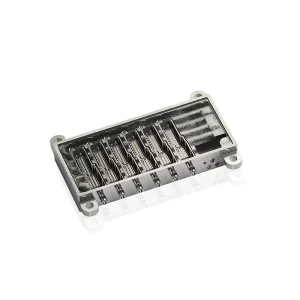
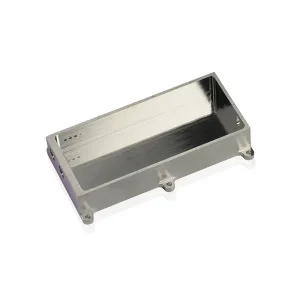
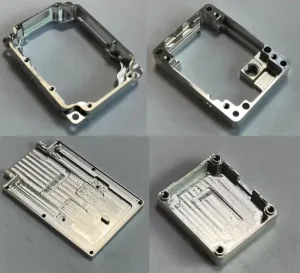
As quantum computing, space exploration, and high-frequency communication modules evolve, package sizes continue to shrink. Engineers are designing ultra-thin walled Kovar housings and complex, multi-channel rotary joints that must maintain perfect hermeticity under cryogenic conditions. Managing alloy grain structures is essential to prevent phase transitions at low temperatures, which can cause micro-dimensional changes and compromise seals.
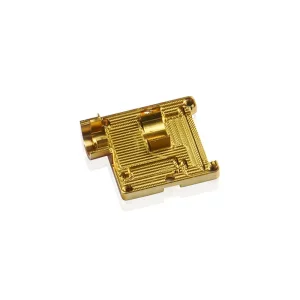
Additionally, applying ultra-precise gold plating directly to complex geometries helps prevent gold-nickel intermetallic formation, which can weaken brazed joints over time.
Future industrial manufacturing is moving toward sustainable practices. Leading factories are upgrading their melting systems to optimize energy use during vacuum induction melting (VIM) and electro-slag remelting (ESR). These practices ensure that the next generation of Kovar and Vaconium alloys meets both mechanical requirements and strict environmental standards.
This commitment to green manufacturing helps OEMs secure their supply chains and meet sustainability goals without compromising on high-reliability performance.
Answers to the most critical technical questions regarding Kovar, Vaconium, and precision machining strategies.
Vaconium alloys, including Vacon variants, are customized formulations based on the iron-nickel-cobalt system. While standard Kovar adheres strictly to ASTM F15 specifications (29% Ni, 17% Co, Balance Fe), Vaconium alloys can feature modified cobalt and nickel content. These variations are engineered to optimize thermal expansion curves for matching specific high-purity alumina ceramics or specialized glasses, and to extend the Curie point for high-temperature applications.
Achieving a surface roughness under 0.3 micrometers without cutting fluids requires highly rigid CNC machining centers, specialized tool paths, and high-performance insert coatings like Titanium Silicon Nitride (TiSiN). Dry-machining eliminates the risk of hydrocarbon contamination within the porous metal structure. This is critical for ultra-high-vacuum (UHV) applications, preventing outgassing during high-temperature bake-outs or when deployed in deep space.
Kovar and Vaconium work harden rapidly during cutting, milling, and drilling operations. This introduces internal residual stresses that can distort the component or cause micro-cracks in glass-to-metal seals. Stress-relief annealing in a protective hydrogen or vacuum atmosphere relieves these stresses, stabilizes the grain structure, and ensures consistent, predictable thermal expansion behavior during subsequent sealing processes.
Aerospace components typically require gold plating over a nickel underplate to prevent oxidation, enhance solderability, and resist salt spray environments. Common specifications include MIL-G-45204 (or ASTM B488) for gold plating and QQ-N-290 (or ASTM B689) for electroplated nickel. An intermediate diffusion barrier is essential to prevent iron and cobalt migration, which can compromise the integrity of the plating layer over time.
REACH compliance requires thorough verification of chemical formulations to exclude restricted Substances of Very High Concern (SVHC) from raw materials and production processes. Sustainable manufacturing practices ensure that 4J29 Kovar and Vaconium alloys are refined and processed safely, allowing seamless integration into global supply chains that must satisfy strict environmental and safety regulations.
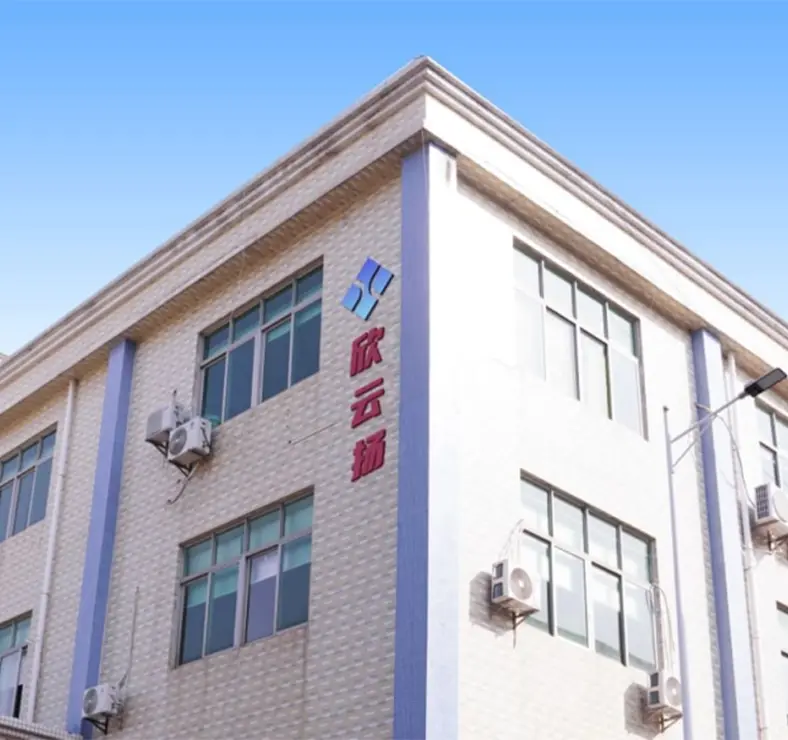
Innovative Leaders in Special Metal Machining & Hermetic Sealing Technologies
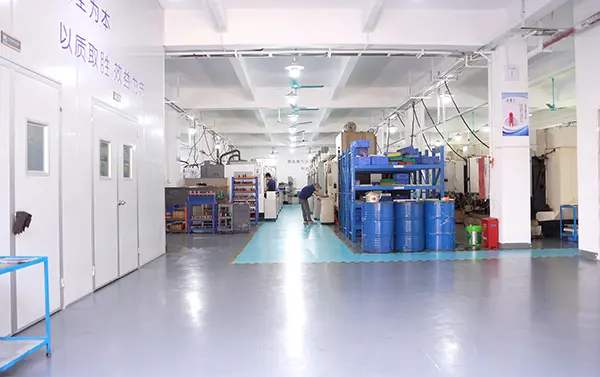
Founded in November 2014, Xinyunyang Precision Technology Co., Ltd. has grown from a specialized workshop into a recognized leader in high-precision metal processing. From the beginning, the company has adhered to its founding principles of Integrity, Innovation, Cooperation, and Sharing.
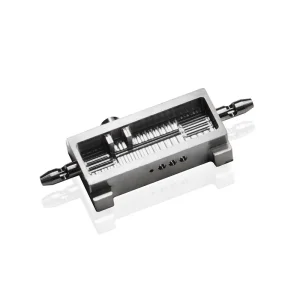
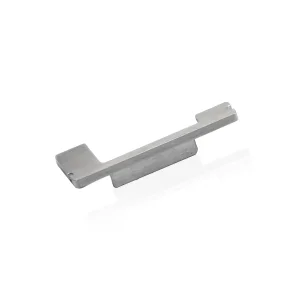
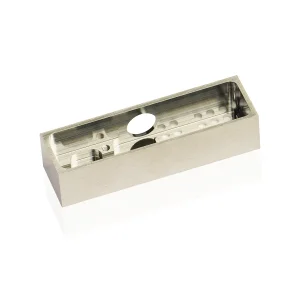
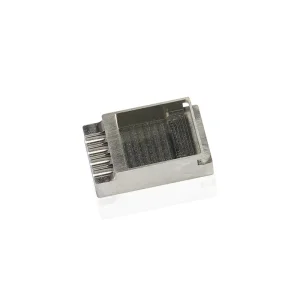
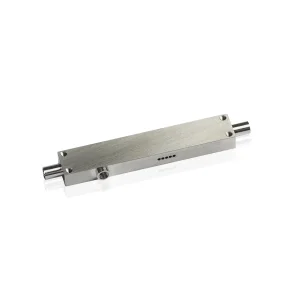
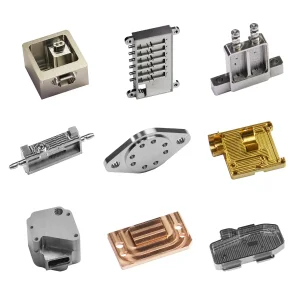
Xinyunyang focuses on Kovar precision processing technology as its core competitiveness. We deeply cultivate critical components for semiconductors, optical communications, aerospace, medical devices, and high-reliability defense applications. We are committed to providing miniaturized, customized, and high-reliability metal packaging solutions to global customers.
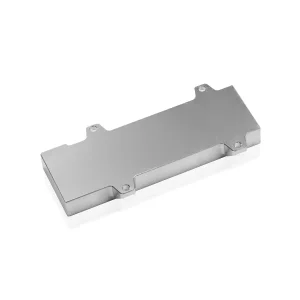
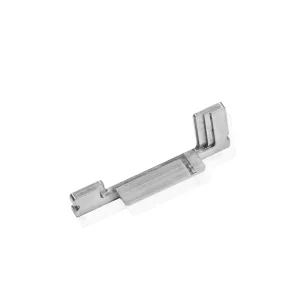
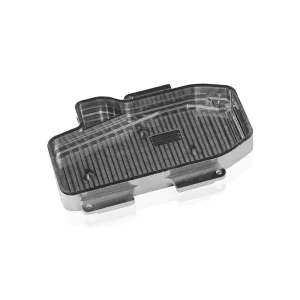
Our goal is to remain a significant supplier of hermetic package lids, Kovar alloy components, and precision parts in China and worldwide. We achieve this through continuous technical innovation, hard work, and close partnerships with our customers.
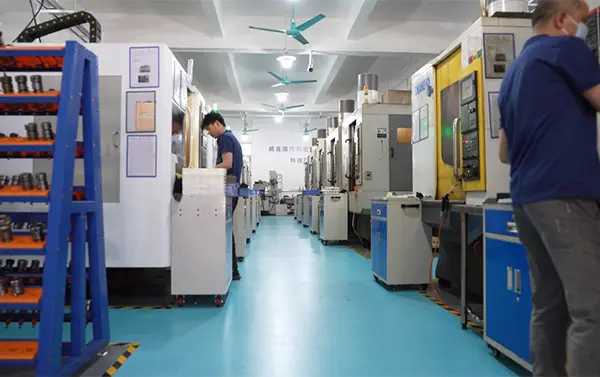
 High-precision processing capability Advanced technology and equipment Strict quality control (ISO 9001) Flexible customized services
A professional team of more than 100 people, with technical engineers accounting for 30% of our staff.
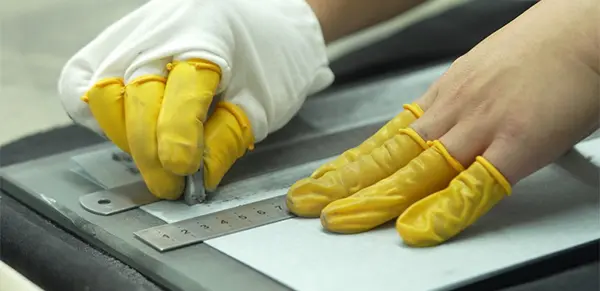
Core members have been deeply engaged in precision metal processing for more than ten years. We continue to explore composite processing techniques for special metals, including Kovar and titanium alloys, to meet cutting-edge packaging needs in 5G, AI, and new energy.
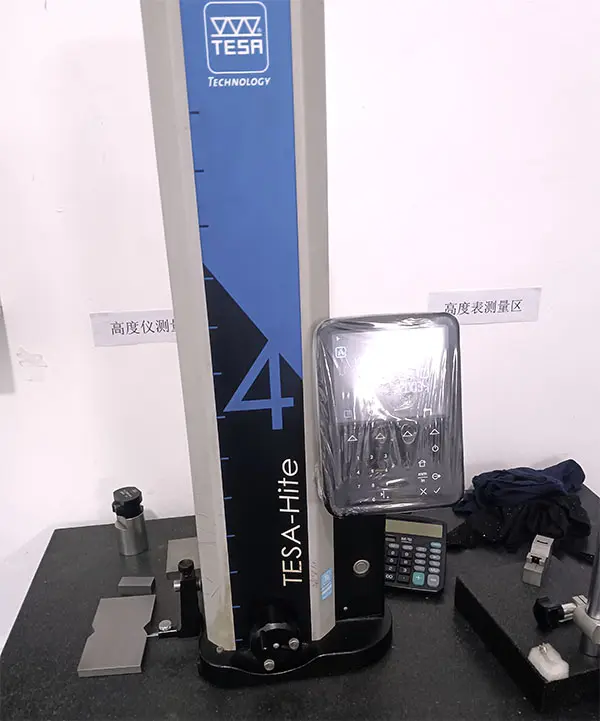
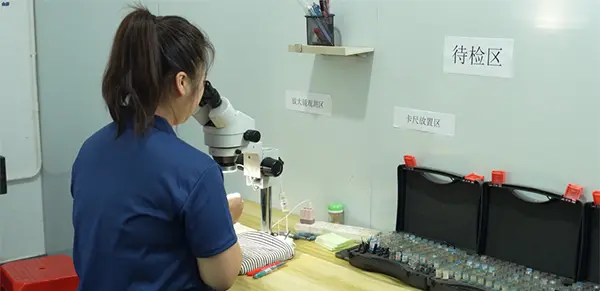
With our ISO 9001 certified quality management system and intelligent production scheduling, Xinyunyang has increased regular order delivery efficiency by 15%-20%, serving as a key supplier for high-end manufacturing global chains.
 Xinyunyang Precision