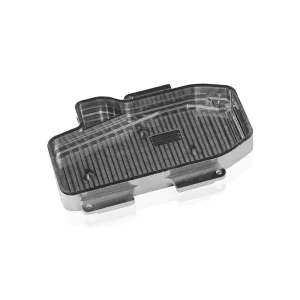
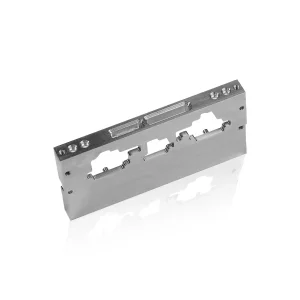
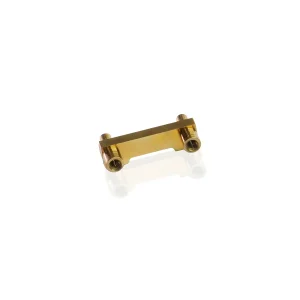
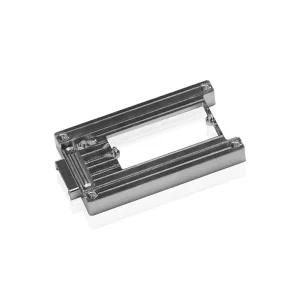
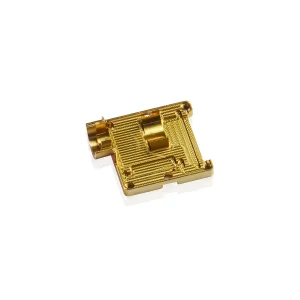
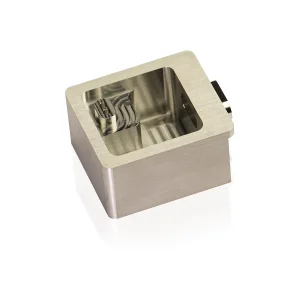
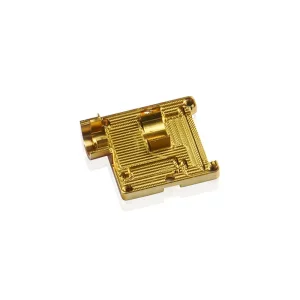
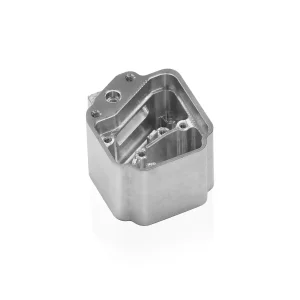
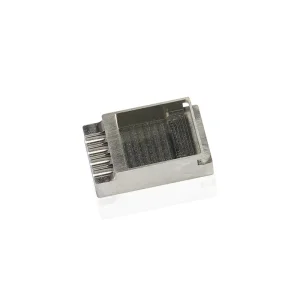
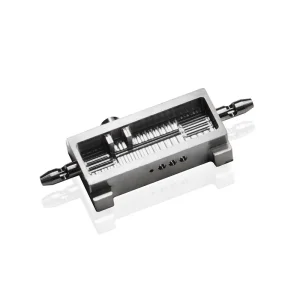
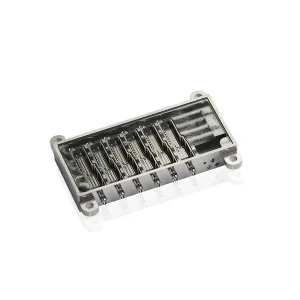
Explore our core engineering catalog designed for exceptional hermeticity, structural stability, and structural system support.
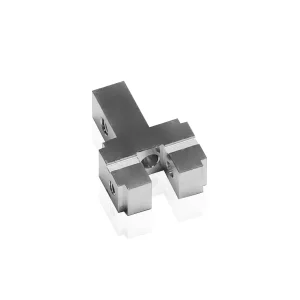
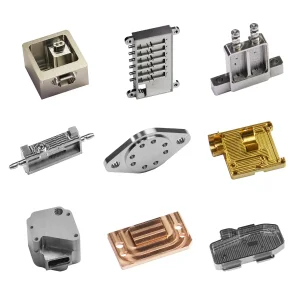
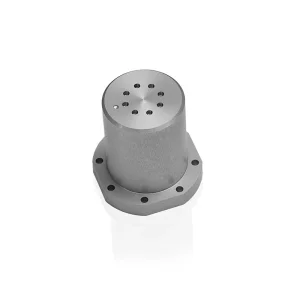
Within the hyper-demanding realms of modern microelectronics and optoelectronic packaging, matching structural interfaces across disparate materials is a critical engineering challenge. Kovar alloy (an iron-nickel-cobalt formulation conforming to ASTM F15 specifications, containing approximately 29% nickel, 17% cobalt, and a balancing percentage of iron) provides a thermal expansion profile designed to precisely track the expansion curve of borosilicate glasses and alumina ceramic structures. This exact alignment prevents residual stress failures, cracking, and loss of hermeticity over massive, cyclic temperature variations.
Value Engineering (VE) Principle: True Value Engineering goes far beyond simplistic cost-reduction. It systematically ensures necessary functionality at the lowest life-cycle cost without sacrificing performance, hermetic reliability, material purity, or traceability in high-criticality applications.
For procurement pipelines operating in Aerospace, Military, and Semiconductor systems, working directly with a vertically integrated manufacturer like Xinyunyang Precision Technology Co., Ltd. allows for advanced design phase optimization. By integrating structural features directly during precision CNC machining and specialized rapid prototyping runs, we eliminate redundant secondary assembly steps, maximize raw material yields, and drastically reduce global program lead times.
Traditional sub-optimal manufacturers frequently suffer from mechanical degradation and structural leakage owing to phase transition anomalies. Pure Kovar remains in a stable face-centered cubic (γ austenite) phase down to temperatures below -80°C. However, lower-grade alloy compositions may undergo a body-centered cubic (α martensite) phase shift at moderately low working ranges, producing permanent volumetric expansion and ruinous seal degradation. Through meticulous supplier screening and comprehensive batch analysis via glow-discharge mass spectrometry (GDMS), Xinyunyang guarantees the structural phase stability of our processed 4J29 Kovar components across critical thermal regimes.
| Element | Nominal Wt % | Role in CTE Regulation | Impact on Machining Integrity |
|---|---|---|---|
| Nickel (Ni) | 29.0% | Lowers Curie point, stabilizes austenite matrix | Highly sticky; requires specialized tooling geometries |
| Cobalt (Co) | 17.0% | Reduces thermal expansion coefficient at high ranges | Imparts hardness, limits tool wear when cooled correctly |
| Iron (Fe) | Balance | Forms standard structural base matrix | Susceptible to corrosion if not plated with Ni/Au |
| Trace Oxides | Minimal (<0.05%) | Minimizes mechanical defects in glass-to-metal bonding | High purity prevents micro-voids during fast CNC feed rates |
Optimizing Kovar production at our state-of-the-art factories hinges on three fundamental manufacturing techniques optimized by our core R&D engineering divisions:
Analyzing key structural shifts in how Tier-1 high-technology programs source, specify, and optimize Kovar and allied glass-to-metal sealing assemblies.
Exponential growth in optical transceivers requires highly stable carrier plates with thermal tolerances.
Demands extreme phase-retention capabilities to prevent catastrophic system depressurization in deep space.
Advanced hermetic packaging demands ultra-high accuracy to prevent high-pressure interface fatigue.
Full traceability and zero hazardous substances across all standard configurations.
Modern procurement strategies are increasingly focusing on reducing total cost of ownership (TCO) rather than raw material acquisition costs alone. High-precision industries realize that choosing cheaper, unstable materials leads to catastrophic seal failure downstream. During a component's lifecycle, the cost of systemic failure—especially in spaceborne platforms, military radars, and critical offshore subsea repeaters—outweighs the initial investment of standard-compliant Kovar packages by up to several thousand times.
In response, global supply networks are consolidating around ISO-accredited, vertically integrated production lines. Xinyunyang directly addresses these concerns by maintaining safety-stock inventories of raw 4J29 ingots, allowing us to insulate global clients from standard price spikes and unpredictable supply bottlenecks. Our streamlined logistics ensure custom rapid prototype tooling and large-scale manufacturing runs continue seamlessly without lead-time variability.
We engineer micro-precision components designed to resolve the most challenging physical limitations of high-stress industries.
High-altitude sensors, guidance assemblies, and radar arrays require components that withstand extreme thermal fluctuations without suffering internal micro-fractures.
We design specialized low-expansion carrier frames and highly detailed optoelectronic packages, ensuring zero-stress optical alignment over long-term operations.
From wafer-level packaging to high-power diode laser sub-mounts, our ultra-flat metal bases provide optimal thermal dissipation and highly reliable hermeticity.
A famous precision manufacturing enterprise founded in November 2014, committed to industry excellence.
From the very beginning, the company has adhered to its initial intention of industry, sticking to the business principles of Integrity, Innovation, Cooperation, and Sharing.
We focus on Kovar precision processing technology as our core competitiveness, deeply cultivating the fields of semiconductors, optical communications, aerospace, medical devices, and new energy/military industry. We are fully committed to providing miniaturized, highly customized, and exceptionally reliable metal packaging solutions to global customers.
Our long-term goal is to become a significant hermetic package lids, Kovar alloy components, and precision parts supplier in China and worldwide after years of continuous effort, supported closely by our partners and customers.
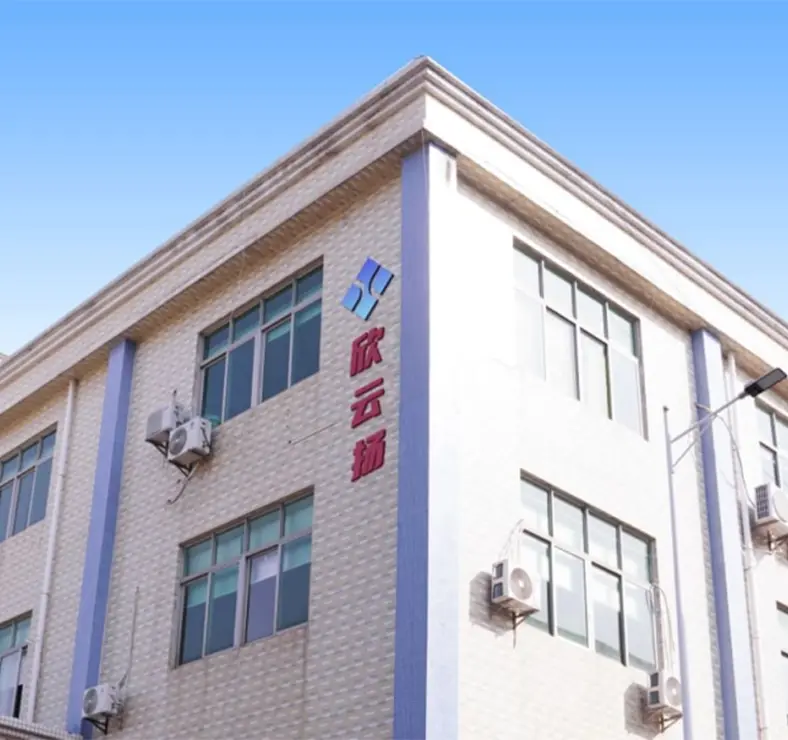

Achieving sub-micron mechanical tolerances across sophisticated, complex-surface alloy designs.
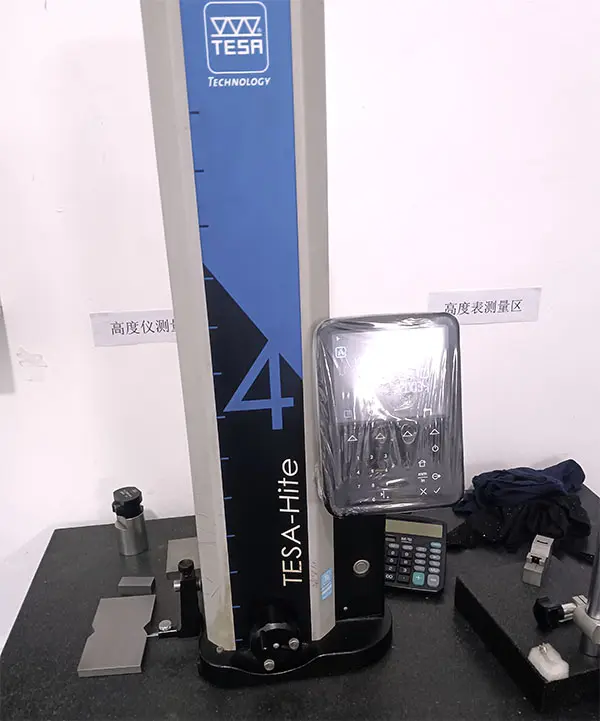
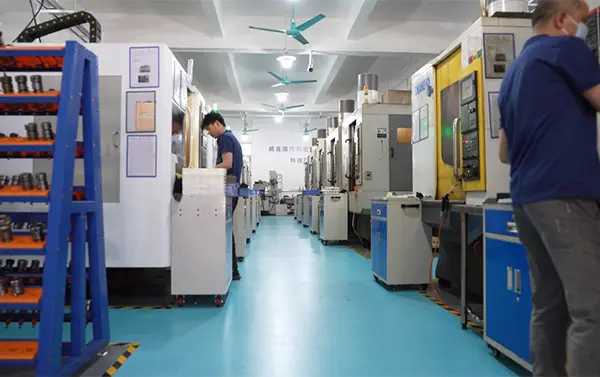
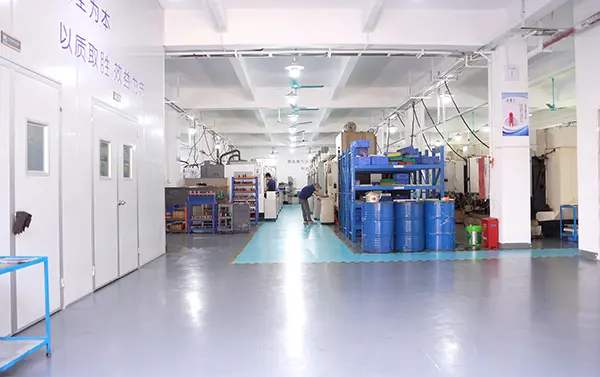
Equipped with high-performance CNC multi-axis centers, rapid tooling machines, and state-of-the-art metrology.
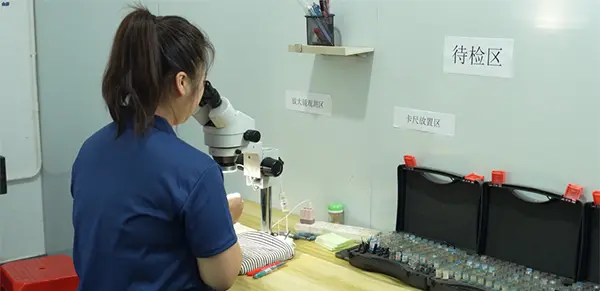
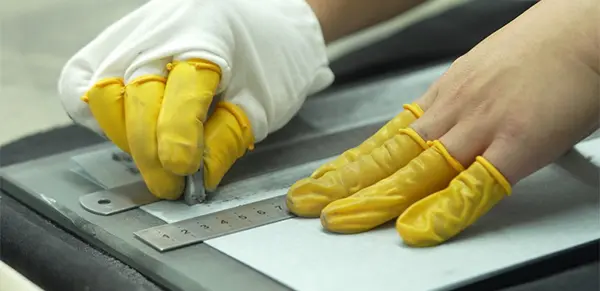
Every batch goes through rigid testing, visual optical measurement systems, and full material qualification steps.
Providing agile DFM adjustments and rapid low-volume prototyping to smooth the way for large-scale operations.
The company has a professional team of more than 100 people, of which technical engineers account for 30%.
The core members have been deeply engaged in precision metal processing for more than ten years, and continue to explore the composite processing technology of special metals such as Kovar and titanium alloys, and proactively layout the cutting-edge packaging needs in the fields of 5G, artificial intelligence and new energy.
With the ISO 9001 certified quality management system and intelligent production scheduling system, Xinyunyang has increased the delivery efficiency of regular orders by 15%-20%, becoming a key supplier with both technical depth and service breadth in the global high-end manufacturing industry chain.
As microelectronics scale down to sub-micron topologies, traditional packaging geometries face significant limitations. Future packaging will rely on multi-material integrated components where Kovar serves as a structural foundation alongside ceramic co-fired substrates (LTCC/HTCC). This composite architecture maintains exceptional flatness and thermal matching while allowing for high-density electrical interconnects.
Additionally, advanced laser powder bed fusion (LPBF) additive technologies are gradually emerging. While high-precision CNC subtraction remains the primary standard for surface finishing, hybrid printing models are currently under intensive R&D in our laboratories. This hybrid manufacturing approach enables inner cooling channels within Kovar packages, enhancing thermal management in laser diodes and radar structures.
Our Future Commitment: By actively engineering high-stability 4J29 sub-strates with customized thermal expansions, Xinyunyang is paving the path for next-generation 6G, deep-space, and optical computing packaging demands.
Comprehensive engineering clarifications on specifying, processing, and maintaining the structural integrity of low-expansion alloys.
Minimal alterations in the nickel and cobalt ratios shift the expansion curve significantly. If the nickel composition falls below 28.5%, the alloy can undergo a martensitic phase transformation at sub-zero temperatures, permanently increasing the volume and cracking the glass-to-metal seal. Xinyunyang uses only certified conflict-free ingots with documented traceability to guarantee reliable phase stability down to -80°C.
Typically, Kovar must be thoroughly degreased, acid pickled, and decarburized in wet hydrogen to remove trace carbon. This prevents gas bubbles from forming during glass sealing. A layer of high-quality electrolytic nickel or gold plating is then applied to prevent corrosion and facilitate reliable solder attachment in downstream manufacturing processes.
By integrating high-efficiency CNC rapid tooling pathways directly during the design-for-manufacturing (DFM) check, we eliminate raw material wastage and limit secondary step processing. Using pre-stressed heat treatments at structural transitions ensures the dimensional stability of finished parts, dropping overall program reject rates significantly.
Explore our highly integrated engineering catalog focusing on hermetic sealing, CNC connector components, and linear motion control systems.
 Xinyunyang Precision