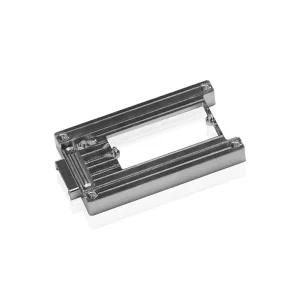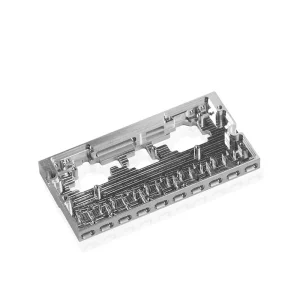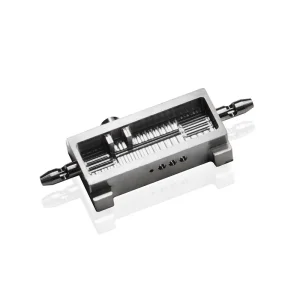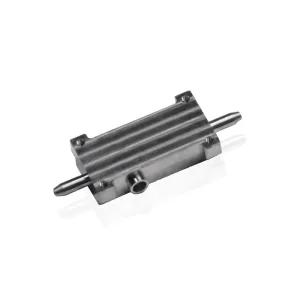
Connector Supplier & Factories serving the Busan market

High-Precision Hermetic Packaging, Custom Kovar Alloy Processing, and Advanced Micro-Machined Interconnects for Marine, Semiconductor, and Aerospace Industries

Busan's Industrial Dynamics and the Critical Demand for High-Spec Connectors

Busan, the maritime capital of South Korea and a foundational hub of Northeast Asian logistics, stands at the absolute center of global heavy industry, shipbuilding, and advanced automotive components. As industrial automation, electric vehicles (EV), and high-frequency communication protocols scale rapidly across the Yeongnam region, the structural and chemical demands on electric and fiber-optic connectors have escalated. In maritime environments where equipment faces relentless exposure to salt-fog and electrochemical corrosion, or in automated ports like the Busan New Port where high-speed gantry cranes utilize automated guided vehicles (AGVs) requiring uninterrupted sensor networks, traditional connectors fall short. The demand has systematically shifted toward high-precision, hermetic, and customized interconnect components.

Industrial applications in Busan require connectors that combine extreme environmental resilience with high-frequency signal integrity. From offshore drilling vessels to modern automotive plants transitioning to electric powertrains, the physical interface is often the single point of vulnerability. For instance, marine-grade connectors must withstand deep-water hydrostatic pressure and resist degradation under salt spray tests exceeding 1,000 hours. Meanwhile, semiconductor testing equipment located in adjacent technological corridors demands micron-level spatial tolerance and rapid dissipation of thermodynamic energy. Global procurement teams looking to supply this market require highly specialized suppliers capable of utilizing advanced metallurgy—such as dry-machining Kovar with surface roughness Ra < 0.3μm—to ensure microstructural hermeticity and prevent standard mechanical fatigue.
< 0.3μm
Dry-Machined Kovar Ra
100+
Professional R&D Team
15-20%
Higher Delivery Efficiency
ISO 9001
Certified Quality System

Metallurgical Innovation: Harnessing Kovar and Advanced Alloys for Hermeticity

In high-reliability electronics, thermal mismatches are the primary cause of interface failures. The coefficient of thermal expansion (CTE) mismatch between glass insulators, ceramic substrates, and metal housings often leads to micro-cracking and eventual seal failure. Glass-to-metal sealing (GTMS) technology addresses this through the implementation of controlled-expansion alloys like Kovar (an iron-nickel-cobalt alloy). By matching the CTE of borosilicate glasses (approximately 5.0 × 10^-6 /°C from 30°C to 400°C), Kovar hermetic packages provide a reliable structural base that remains stable during thermal cycling from cryogenic temperatures up to 400°C.

However, machining Kovar alloy presents significant engineering challenges. Due to its high ductility and low thermal conductivity, Kovar is highly prone to work hardening during CNC milling and turning operations. Achieving a surface roughness of Ra < 0.3μm without lubricants (dry machining) is essential for critical aerospace and vacuum applications, as dry-machining prevents hydrocarbon contamination that could compromise ultra-high vacuum (UHV) systems or lead to outgassing under high temperatures. Special tooling geometries, specific feed rates, and rigid machine-tool setups are required to cut the material smoothly and prevent micro-tears on the metal surface. These requirements form the baseline of industrial competitiveness for connector factories serving Busan's advanced electronics and marine industries.

Industry Development Trends

The connector industry is undergoing a structural paradigm shift driven by three primary technological factors:

  • Miniaturization & Pitch Reduction: As smart devices, automotive ECUs, and medical diagnostic machinery demand increased component density, connector contact pitches have shrunk to sub-millimeter scales. This requires CNC factories to operate under micron-level tolerance controls.
  • Material Integration: Moving beyond simple brass and stainless steel, connectors now combine ceramic packages, liquid crystal polymers (LCP), and specialty alloy shells (such as titanium and Kovar) to reduce weight while increasing chemical and thermal resistance.
  • Eco-Friendly Surface Finishes: Global regulatory compliance (REACH, RoHS) has forced the phasing out of traditional cadmium and hexavalent chromium platings. Today’s advanced factories utilize nickel-phosphorus, gold-over-nickel, or proprietary tri-metal plating formulations to achieve optimal electrical conductivity alongside salt-spray protection.

Source High-Reliability Connectors for the Busan Market

Consult with our engineering experts today for customized Kovar packages, micro-machined connectors, and certified hermetic solutions.

Send Inquiry Now

About Xinyunyang Precision Technology Co., Ltd.

Dedicated to high-precision processing technology and customized hermetic packaging solutions for global industrial supply chains.

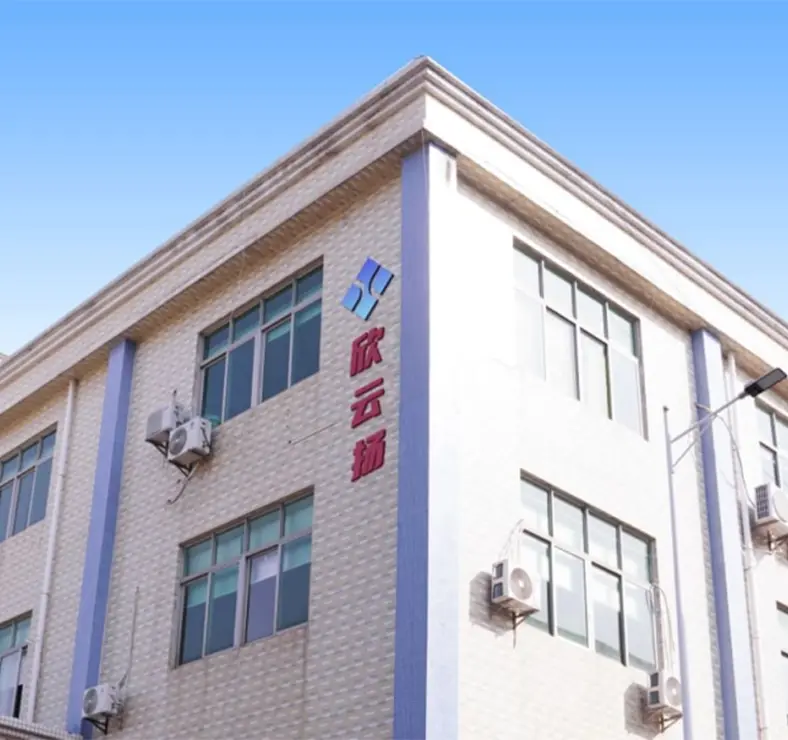
Xinyunyang Precision Technology Co., Ltd. Facility Overview

Founded in November 2014, Xinyunyang Precision Technology Co., Ltd. has adhered to its core values of Integrity, Innovation, Cooperation, and Sharing. The company focuses on Kovar precision processing technology as its core competency, serving industries including semiconductors, optical communications, aerospace, medical devices, and new energy/military sectors.

We are dedicated to providing miniaturized, customized, and highly reliable metal packaging solutions to global customers. Our goal is to serve as a leading hermetic package lids, Kovar alloy components, and precision parts supplier, supporting key markets like Busan with robust localized solutions.

  • Check Icon High-precision processing capability: Achieving sub-micron tolerance levels for complex components.
  • Check Icon Advanced technology and equipment: Multi-axis CNC milling, turning, and testing machines.
  • Check Icon Strict quality control: ISO 9001 quality management system with end-to-end traceability.
  • Check Icon Flexible customized services: Low-volume prototyping to mass production runs.

Production Competitiveness Supported by 3 Core R&D Capabilities

How Xinyunyang maintains its lead in technical depth and delivery efficiency.

01. Professional Team

The company maintains a professional team of more than 100 people, with technical engineers accounting for 30% of the total workforce, ensuring direct, expert communication for complex requests.

02. Industry Benchmark

Core members have been deeply engaged in precision metal processing for over a decade, continuously refining the composite processing technology of specialty metals like Kovar and titanium alloys, and proactively aligning with requirements in 5G, artificial intelligence, and new energy.

03. Certificate Patent

With an ISO 9001 certified quality management system and intelligent production scheduling, Xinyunyang has increased delivery efficiency for regular orders by 15% to 20%, serving as a key partner for global high-end manufacturing supply chains.

Enterprise Internal Display

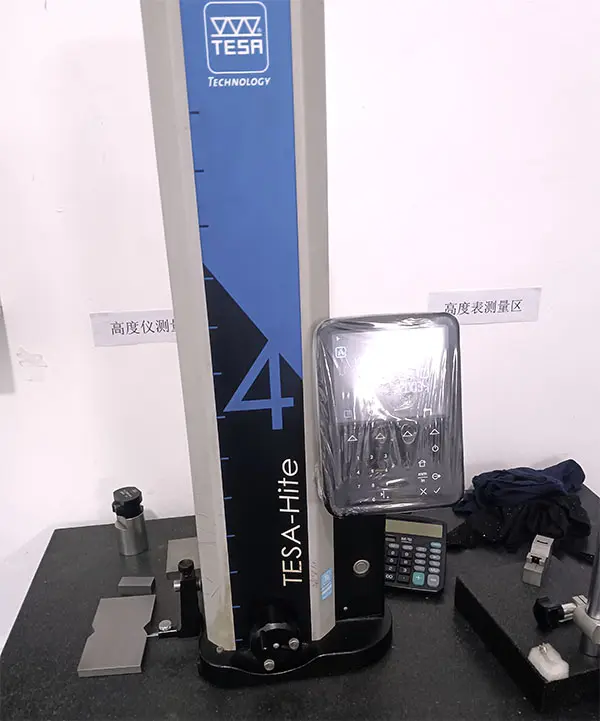
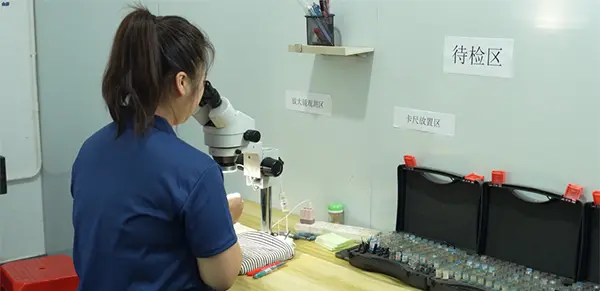
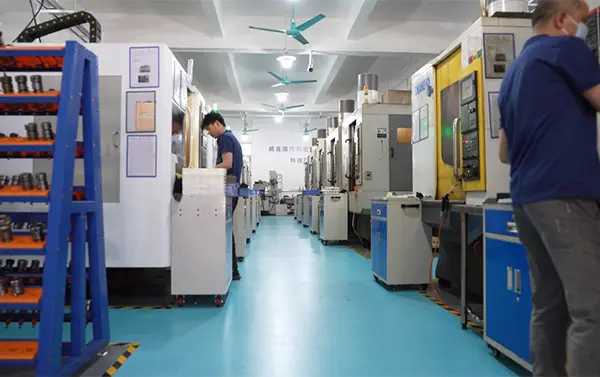
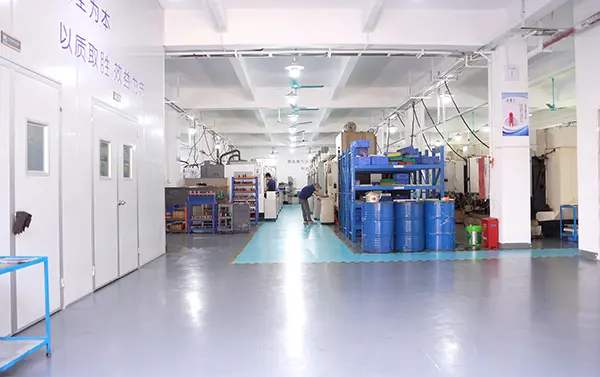
A look inside Xinyunyang’s production departments, quality testing setups, and manufacturing facility.

Macro-Level Industry Solutions & Localized Support for Busan's Logistics & Marine Sectors

Providing high-reliability connectors to Busan goes beyond delivering machined metal parts; it requires a deep understanding of marine infrastructure and industrial regulations. Our solutions are designed to support heavy marine vessels, automated shipping port systems, and next-generation automotive platforms.

1. Anti-Corrosion Marine Interconnects

Busan's shipbuilding industry relies on electrical components that can withstand long-term exposure to salt air and ocean water. Our dry-machined Kovar and copper alloys are paired with advanced plating steps (such as hard gold over electropolished nickel) to build contacts that resist oxidation and maintain low contact resistance over long periods of service. This prevents salt-mist corrosion and reduces maintenance downtime for offshore installations and naval systems.

2. Hermetic Solutions for Vacuum & Optoelectronics

For high-speed optical transceivers and semiconductor vacuum chambers, maintaining high hermeticity is critical. Our Kovar alloy housings, matched with high-grade glass-to-metal sealing (GTMS), achieve leak rates lower than 1×10^-9 Pa·m³/s. This keeps moisture and contaminants out of optical cavities, ensuring stable signal transmission for automated transport networks and fiber networks in Busan's smart ports.

3. Localized Compliance & Quality Assurance

We ensure that our components meet international quality and environmental standards. Our materials are fully compliant with RoHS and REACH regulations, eliminating restricted hazardous materials like lead and cadmium. Our ISO 9001 certified process includes complete material heat-number traceability, chemical analysis reports, and metrology inspection charts, giving procurement departments the documentation required for complex industrial and defense projects.

Technical Roadmap & Future Outlook (2025–2030)

As industry standards transition toward higher signal speeds and more compact form factors, the technical requirements for connectors continue to evolve. Our development roadmap focuses on addressable advancements in multi-layer co-fired ceramics (HTCC/LTCC) integrated directly with Kovar alloy bases. This approach reduces parasitic inductance and supports transmission speeds beyond 112 Gbps per channel—ideal for high-performance computing, artificial intelligence processing, and radar detection systems.

Additionally, we are expanding our automation capabilities by implementing AI-driven defect detection systems directly onto our CNC turning and milling centers. This will allow for real-time monitoring of tool wear and dimensional accuracy, helping to keep production tolerances within ±0.002mm for high-precision connector pins. By combining these advanced manufacturing techniques with our metallurgical research, we aim to remain a reliable supply partner for the demanding Busan industrial market.

Frequently Asked Questions (FAQ)

Technical answers for purchasing departments and design engineers in the Busan electronics sector.

What is the advantage of using Kovar alloy for connectors in optical communications?
Kovar features a coefficient of thermal expansion (CTE) that closely matches borosilicate glasses and alumina ceramics. This matching prevents micro-cracks and seal failures at the glass-to-metal interface during thermal cycling, ensuring stable performance for laser diodes and optical transceivers.
How does dry-machining Kovar achieve a surface roughness of Ra < 0.3μm?
By using custom carbide tooling with optimized geometries, along with precise cutting feed rates and rigid setups, we cut the material cleanly without lubricants. This process prevents hydrocarbon contamination, which is a key requirement for high-reliability vacuum and hermetic applications.
What plating options are available for connectors exposed to marine environments?
We offer various plating finishes, including sulfamate nickel, gold plating (per MIL-G-45204), and electroless nickel-phosphorus. For harsh marine settings, we recommend a robust nickel barrier layer under high-purity hard gold to prevent galvanic corrosion and withstand extended salt spray testing.
How do you ensure ISO 9001 quality control for global exports?
Our quality management system covers every stage of production, from raw material inspection and CNC machining to final hermetic leak testing (using helium mass spectrometers). Each batch is delivered with material certificates, RoHS/REACH compliance documentation, and physical dimension inspection reports.
What is the typical lead time for custom connector prototypes?
Using our intelligent production scheduling, typical prototype runs are completed in 2 to 3 weeks, depending on design complexity and material sourcing. Mass production lead times generally range between 4 and 6 weeks.