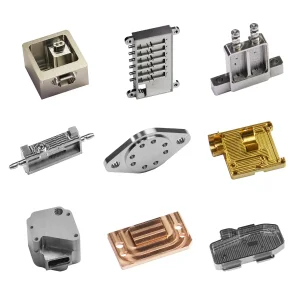
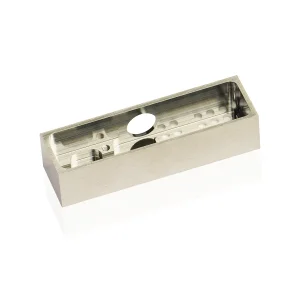
Targeted semiconductor and precision metal parts engineered for robust medical diagnostic and clinical equipment in Equatorial Guinea.
Equatorial Guinea, located on the West coast of Central Africa, is navigating a significant structural transition. Historically dependent on oil production, the government is executing its diversification blueprint, "Horizonte 2035", which prioritizes the upgrading of social services, particularly healthcare infrastructure. Modern clinical systems installed at advanced hubs such as the Hospital Policlínico Dr. Loeri Comba in Malabo and diagnostic centers in Bata require a continuous supply of highly stable, robust semiconductor packaging, sub-components, and heat management mechanisms to prevent systemic faults.
Equatorial Guinea features a tropical rainforest climate, with average humidity levels regularly exceeding 85% to 90% and temperatures hovering between 25°C and 32°C. Standard, commercial-grade electronics fail rapidly in this environment due to atmospheric oxidation and moisture ingress. Semiconductor packaging utilized in local life-support hardware, optical telemetry, and critical diagnostics must utilize advanced Kovar glass-to-metal seals (GTMS) and hermetic lids to guarantee continuous, zero-failure operations.
In equatorial conditions, the cost of equipment downtime is extremely high due to complex regional logistics. Modern medical devices—such as ultrasound machines, patient monitors, and point-of-care diagnostics—rely on miniature sensors, internal crystal oscillators, and optical couplers. If these internal assemblies are exposed to the ambient atmosphere, moisture condensation triggers dendritic growth and short circuits. By deploying hermetic packages constructed from low-expansion Kovar alloys and protected by gold-plated interfaces, manufacturers can extend the operational life of clinical assets by over 300% in tropical environments.
Hermetic Seal Rate
Moisture Ingress Risk
Upgraded Lead-Time
Certified Quality System
Xinyunyang Precision Technology Co., Ltd. addresses the challenges faced by medical device designers and procurement officers in Equatorial Guinea. The technical requirements include:
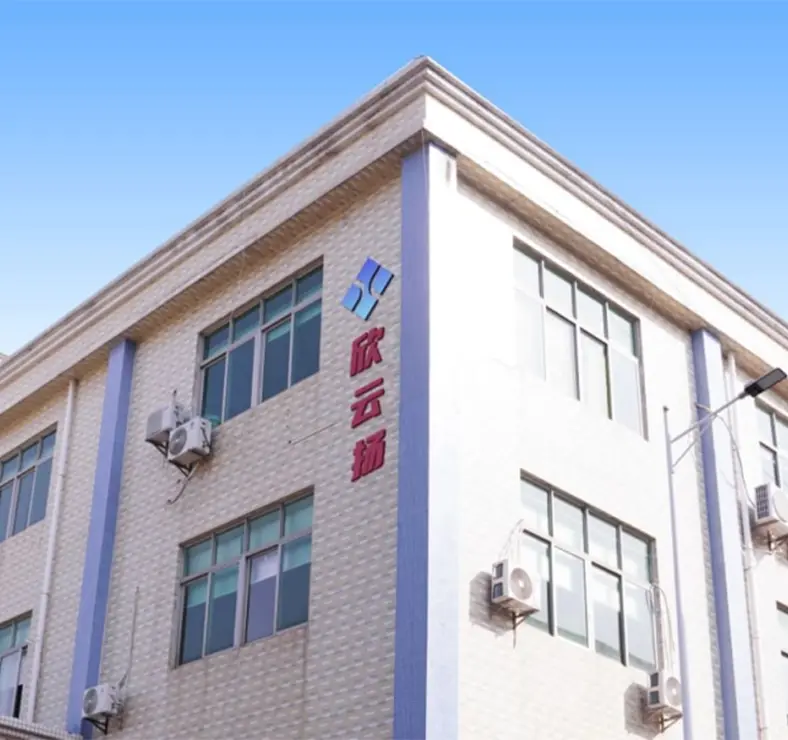
Overview of Xinyunyang Precision Technology Co., Ltd.
Founded in November 2014, Xinyunyang has adhered to its core values of Integrity, Innovation, Cooperation, and Sharing. We specialize in Kovar precision processing technology, providing miniaturized, customized, and high-reliability metal packaging solutions to global partners in the semiconductor, optical communications, aerospace, medical device, and new energy fields.
Our objective is to remain a leading supplier of hermetic package lids, Kovar alloy components, and high-precision parts. We actively support clinical hardware development and supply chains in developing healthcare ecosystems like Equatorial Guinea's.
 High-Precision Processing
Advanced Tooling & Equipment
Rigorous Quality Control
Flexible Custom Fabrication
High-Precision Processing
Advanced Tooling & Equipment
Rigorous Quality Control
Flexible Custom Fabrication
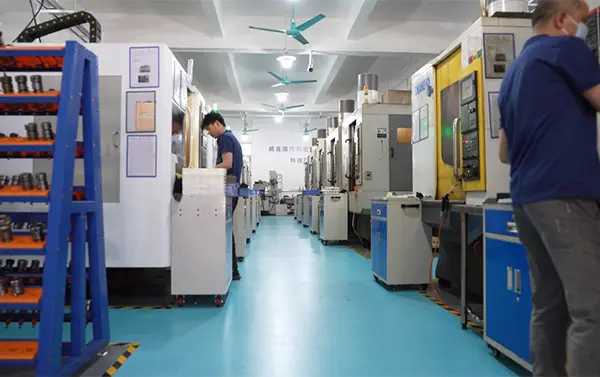
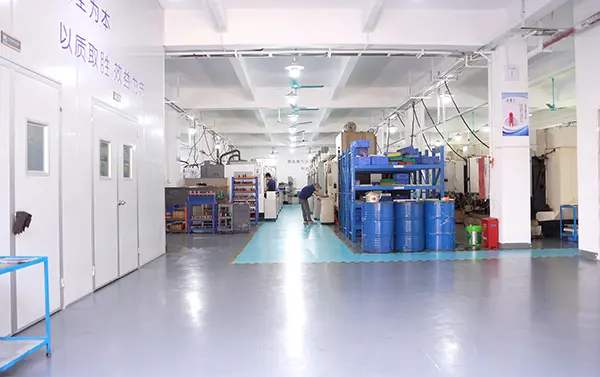
Our core capabilities ensure reliable, precision-engineered metal products for demanding operating environments.
Our team consists of more than 100 specialists, with 30% of our workforce dedicated directly to engineering and product development.
We leverage over ten years of experience in special metals (Kovar, Titanium alloys) to support next-generation medical electronics, 5G networks, and new energy storage systems.
With an ISO 9001 certified quality management system and advanced scheduling workflows, we improve order delivery timelines by 15% to 20% compared to standard manufacturers.
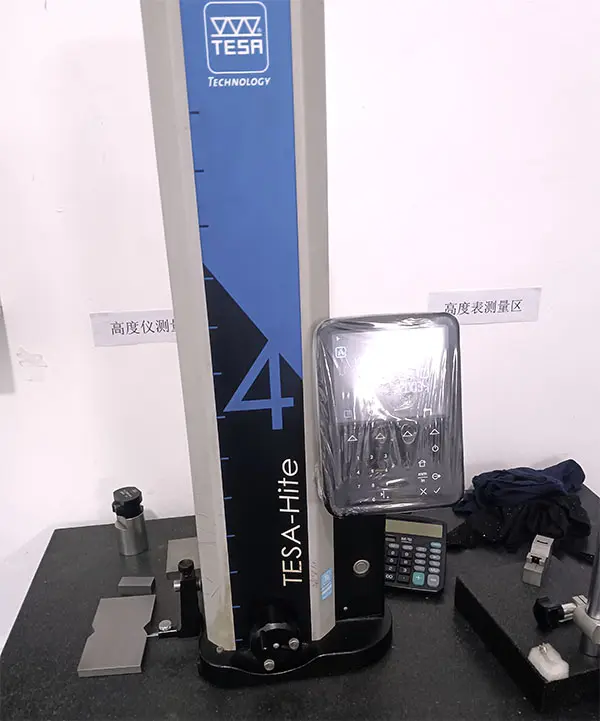
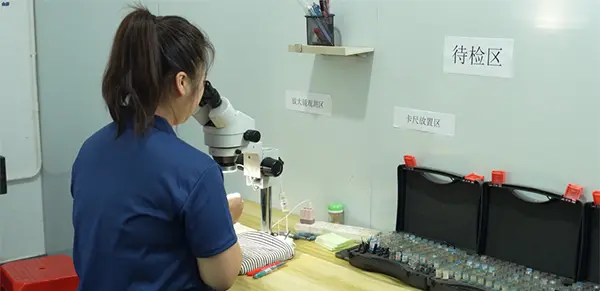
Equipped with high-precision fabrication and inspection instrumentation to ensure component reliability.
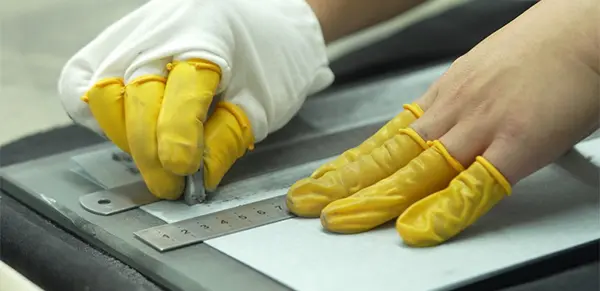
As remote healthcare and telemedicine nodes roll out in the regional hubs of Equatorial Guinea, the physical interfaces of medical machinery undergo continuous refinement. Our research and development path addresses several key industry requirements:
Modern implantable and wearable medical devices require smaller, lighter enclosures that maintain reliable physical seals. Xinyunyang uses multi-axis micro-machining and advanced laser welding setups to produce hermetic lids and Kovar housings with thickness tolerances of ±0.005mm.
For devices that contact biological tissues or fluids, our precision gold-plating processes use high-purity nickel and soft gold coatings that resist biochemical corrosion while remaining biocompatible.
We are expanding the application of titanium and specialized glass-ceramic compounds. These materials offer high strength-to-weight ratios and bio-inert properties for implantable stimulators and neuro-pacemakers.
We work closely with local logistics and administrative channels to streamline imports into Central African ports, ensuring that critical components reach their final destinations on time.
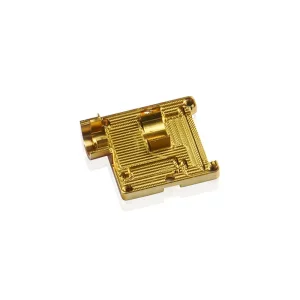
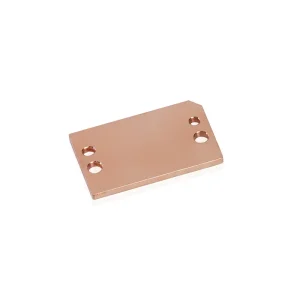
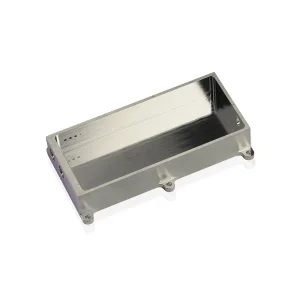
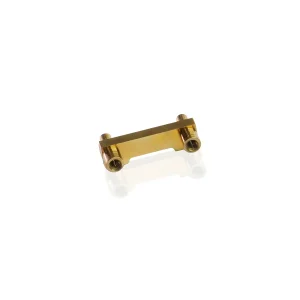
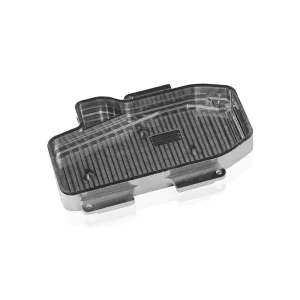
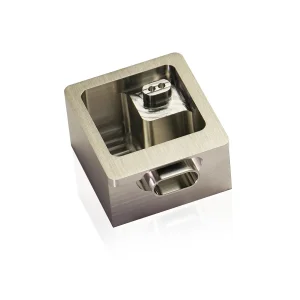
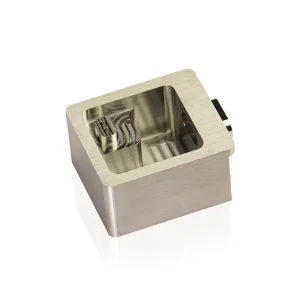
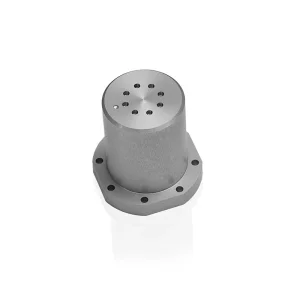
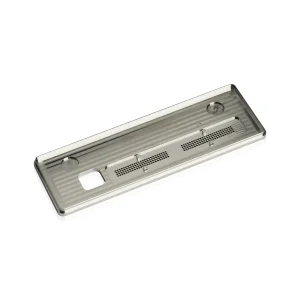
Our standard product catalog, featuring structural components, connection assemblies, and specialized enclosures for medical and industrial applications.
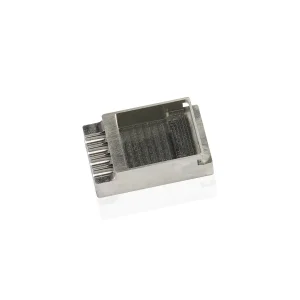
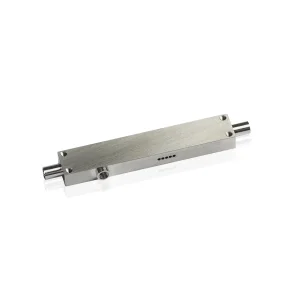
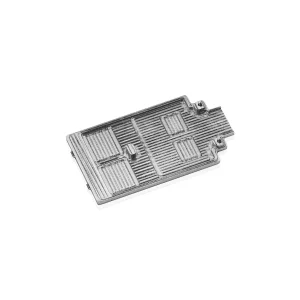
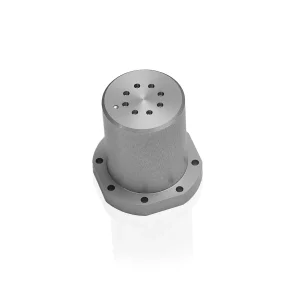
Clear answers to technical inquiries regarding medical semiconductor packaging, material specifications, and logistics in Central Africa.
 Xinyunyang Precision