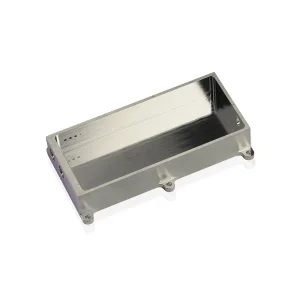
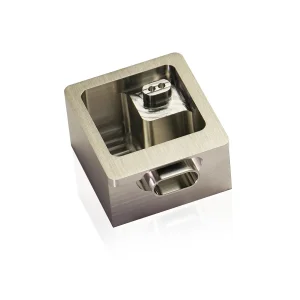
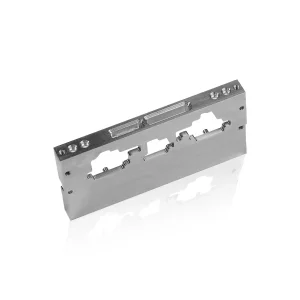
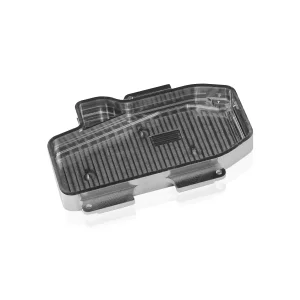
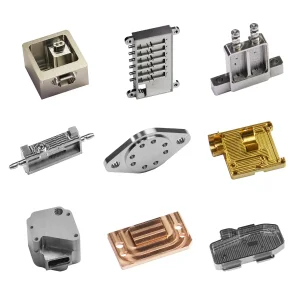
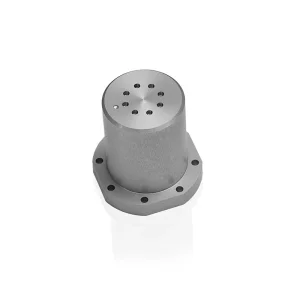
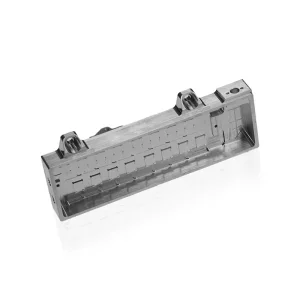
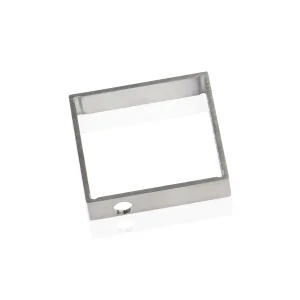
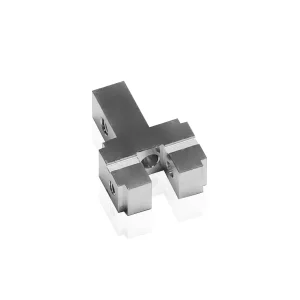
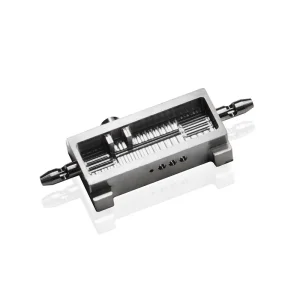
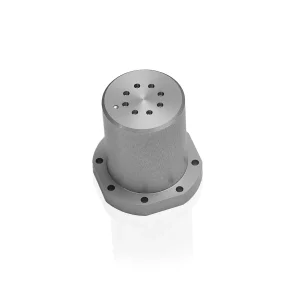
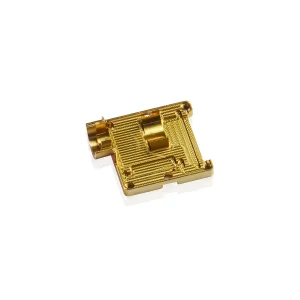
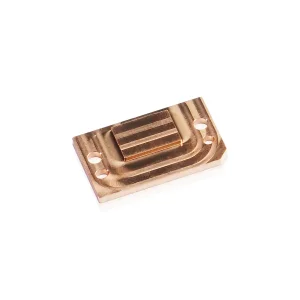
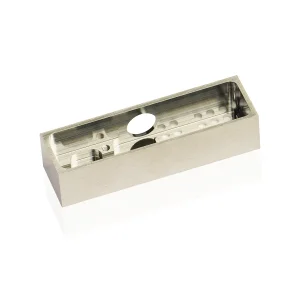
Explore our specialized metal castings, CNC components, and optoelectronic packaging prototypes manufactured to strict aerospace and semiconductor standards.
In the rapidly evolving landscape of advanced engineering, structural components demand a rigorous convergence of mechanical minimalism and high-performance physics. Aluminium casting design sits at the epicenter of this shift. Historically considered a standardized foundry process, the optimization of modern aluminium castings is now an highly analytical discipline leveraging structural topology optimization, complex thermal path mapping, and high-vacuum alloy crystallization.
When tier-1 procurement directors set out to source from an *Aluminium Casting Design Supplier or Factory*, they are no longer purchasing raw dimensional profiles. They are investing in sophisticated, custom-engineered solutions designed to withstand intensive mechanical loads, maintain strict dimensional integrity under thermal strain, and provide reliable electromagnetic interference (EMI) shielding. From complex semiconductor chambers to specialized heat sinks for modern electric drivetrains, the architectural execution of aluminium casting defines the performance bounds of the final product.
Globally, industrial OEMs are shifting away from modular multipart assemblies and moving toward unified monolithic structures. High-pressure die casting (HPDC) and thin-walled investment castings are replacing traditional multi-component weldments. By designing complex geometries directly into a single aluminum casting, factories can eliminate high-risk weld fatigue zones, decrease overall material footprints, and optimize heat transfer paths.
This macro shift requires close alignment between the structural engineer and the foundry floor. Deep design integration prevents critical structural defects such as shrinkage porosity, trapped gas cavities, and hot tearing during fast thermal solidification. Elite suppliers leverage advanced finite element analysis (FEA) and mold flow software tools to simulate molten metal behavior in real-time, validating critical gate placement, draft angles, and uniform cooling patterns prior to expensive tooling fabrication.
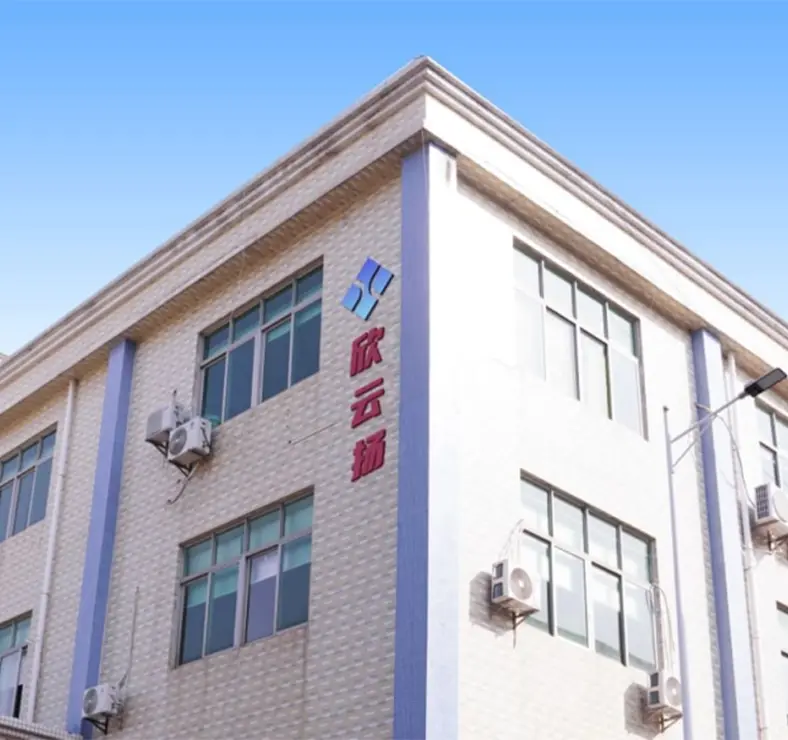
Founded in November 2014, Xinyunyang Precision Technology Co., Ltd. has established itself as an elite pioneer in extreme precision manufacturing and hermetic metal packaging solutions.
Adhering since inception to our foundational principles of Integrity, Innovation, Cooperation, and Sharing, Xinyunyang has engineered customized, high-reliability products to meet strict requirements in sectors including semiconductors, optical communications, aerospace, medical devices, and defense/new energy industries. Our specialized Kovar alloy machining, hybrid precision cast-structures, and high-frequency hermetic seal housings are engineered to survive under extreme operational duress.
Our long-term developmental goal is to be a critical partner in China and globally, offering robust end-to-end design verification, structural optimization, tooling production, and post-machining operations for challenging applications.

Micron-level control on CNC finishing lines. Perfect dimensional repeatability across complex geometric layouts.
Fully integrated multi-axis machining facilities, dynamic casting simulators, and automatic coordinate measuring (CMM).
ISO 9001 quality system certification covering standard material inspection, defect monitoring, and helium leak testing.
Rapid prototyping pathways and dynamic low-volume production lines to validate designs efficiently before scaling.
How our deep domain knowledge translates directly to client cost reduction, delivery performance, and component reliability.
We employ over 100 dedicated technical operators, with specialized engineers representing 30% of our workforce. We bridge the gap between design engineering and practical foundry manufacturing limitations.
Core members have spent more than 10 years mastering precision processing of advanced alloys. We proactively adapt to high-level micro-packaging requirements across 5G, AI platforms, and new-energy vehicle architectures.
Integrating an ISO 9001 certified workflow with an advanced, automated scheduling system enables our operations to improve lead times by 15%-20% compared to legacy competitors.
High-performance systems in optical communication networks and modern electric powertrains generate significant concentrated heat fluxes. Designing passive thermal solutions in these domains requires advanced heat-dissipation techniques. This is where modern Aluminium Casting Design provides a clear mechanical advantage over machined plate structures.
By implementing cast pin-fin arrays or customized cooling channels into the aluminum structure, engineers can significantly maximize convective surface area while minimizing aerodynamic resistance for forced cooling systems. Aluminum’s high thermal conductivity (~160 to 220 W/m·K depending on the specific cast alloy grade selected, such as AlSi10Mg or A380) allows these optimized designs to transfer heat away from sensitive electronic junctions rapidly. This eliminates the risk of local hotspots that lead to premature semiconductor failure.
Different sectors present unique operational and environments demands on structural castings. Below are standard industrial application profiles where customized aluminum castings deliver reliable results:
High-frequency transceivers and remote radio heads require tight enclosures that provide excellent EMI/RFI attenuation. By casting intricate internal partitioning walls directly into the metal casing, we achieve seamless physical channel separation, protecting critical processing circuits without adding assembly steps or increasing overall weight.
Aviation filter housings must survive harsh pressure differentials, high-frequency structural vibration, and exposure to corrosive environments. Advanced casting layouts combine dense grain structures with low overall mass, ensuring components pass strict aviation endurance qualifications without sacrificing performance.
Semiconductor vacuum environments demand low outgassing properties and tight geometric tolerances under fluctuating temperatures. Implementing custom cast sub-frames post-processed on high-precision CNC machining centers delivers the necessary dimensional control down to single-digit micron levels.
Inverter housings and onboard battery management enclosures must resist mechanical impacts while staying lightweight. Precision structural castings provide high yield strength and ductility, ensuring the protection of internal electronics during vehicle impacts or thermal runaways.
Operating across global markets requires a strict commitment to international compliance protocols. At Xinyunyang Precision Technology, our manufacturing workflows are fully aligned with ISO 9001:2015 quality systems. This ensures that every phase of production, from initial design assessment to final dimensional inspection, follows documented control protocols.
Furthermore, all raw materials, including custom aluminum alloys, pure copper, high-performance stainless steel, and low-expansion Kovar formulations, are verified for full compliance with RoHS and REACH regulations. This makes our components ready for integration into consumer, medical, and industrial systems globally.
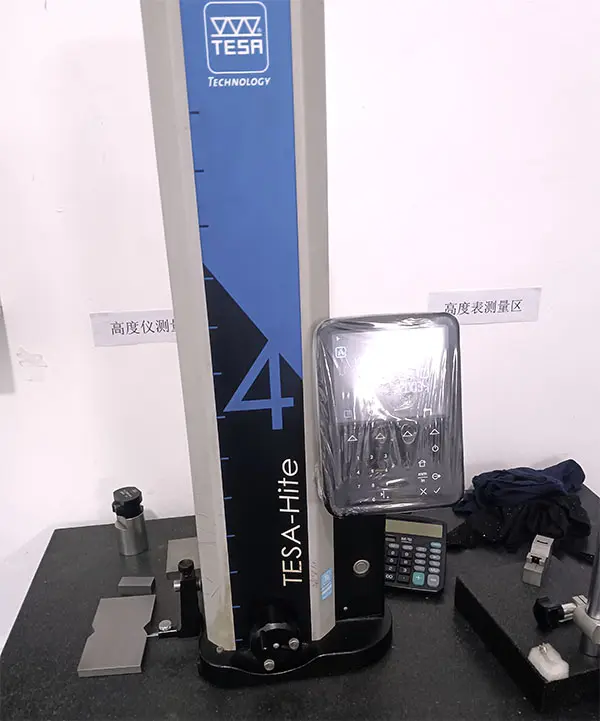
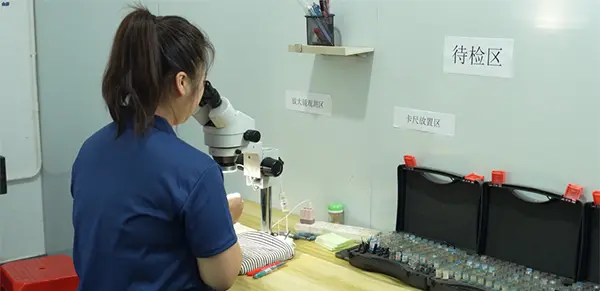
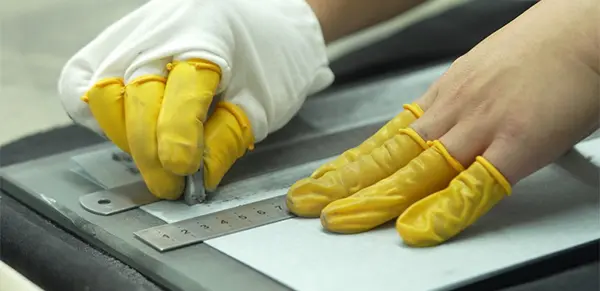
To back up our E-E-A-T (Experience, Expertise, Authoritativeness, and Trustworthiness) standards, our metrology labs use advanced inspection instrumentation to verify geometric tolerances:
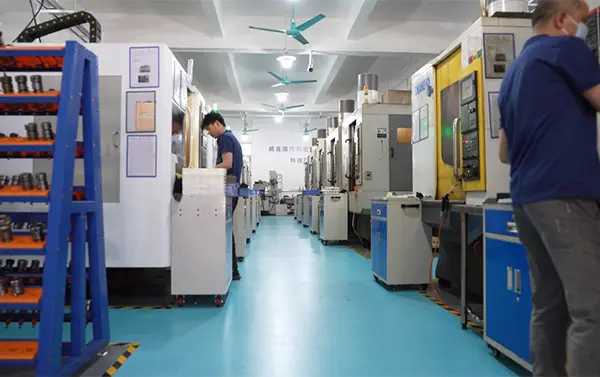
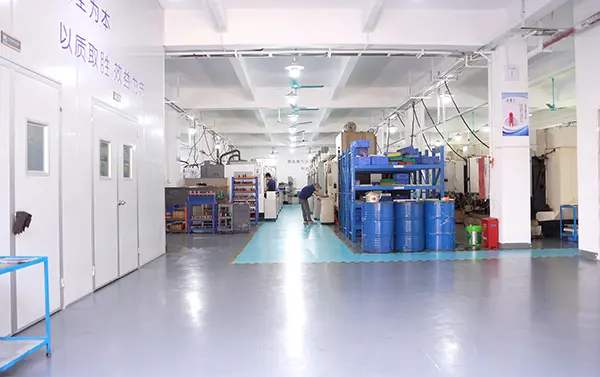
A transparent window into Xinyunyang Precision's facility, showcasing clean assembly lines, high-speed CNC systems, and advanced metrology units.
Looking forward, the fusion of advanced computational algorithms and material science is set to redefine the limits of aluminium casting design. As an industry-leading manufacturer, Xinyunyang is actively investing in technologies to help transition our customers from traditional geometries into the next era of high-efficiency hardware:
Leveraging machine learning algorithms to generate optimal internal component geometries. These designs remove unnecessary structural material while maintaining stiffness, achieving light-weight targets that traditional design processes cannot reach.
Combining 3D-printed ceramic sand cores with precision high-pressure casting processes. This hybrid approach enables casting complex internal channels and hollow undercuts that were previously impossible to manufacture.
Developing next-generation aluminum-silicon-copper matrices customized for optoelectronic and aerospace interfaces. These alloys are formulated to match the coefficients of thermal expansion (CTE) of adjacent ceramic packages.
Common technical questions regarding engineering tolerances, material selection, and custom casting production.
Browse additional custom-engineered connectors, multi-function packaging systems, and micron-level alloy steel tooling.
 Xinyunyang Precision