A technical perspective on optimizing structural integrity, shot-cycle efficiency, and thermal conductivity in global industrial programs.
In the contemporary landscape of high-pressure die casting (HPDC) and low-pressure die casting (LPDC), the procurement of an aluminium casting die represents far more than a capital equipment expense. It is a critical technological lever that directly dictates the productivity, dimensional precision, and structural integrity of the final metal components. Leading manufacturers in the automotive, aerospace, new energy, and 5G communications sectors understand that the performance of a die is intimately linked to structural thermal management, tool steel selection, and gating design. Selecting an experienced manufacturer with advanced material mastery is paramount.
Historically, toolmakers only focused on mechanical durability. However, the rise of modern lightweighting initiatives—specifically in electric vehicle (EV) chassis gigacasting and structural spaceframe designs—requires casting dies that can withstand immense pressure cycles without thermal fatigue. The search for a reliable supplier must center on engineering capability. Companies require partners who don't just process tool steels, but instead engineer complex thermal dynamics within the mold core using computational fluid dynamics (CFD) and rigorous flow simulations.
SEO Insight & Information Gain: Today's semantic search models prioritize deep structural expertise over simple commercial listings. True value in sourcing an aluminium casting die lies in the technical parameters: thermal fatigue resistance, runners optimization, shot-sleeve wear prevention, and complex parting line engineering. Below is the blueprint of how modern metallurgy and smart manufacturing are reshaping this vital global sector.
The global die casting market is undergoing an unprecedented shift toward integrated mega-casting (Gigacasting) and ultra-thin wall components. These advancements demand extreme tool rigidity, specialized vacuum systems, and superior thermal dissipation properties. Premium suppliers must utilize advanced Hot-Work Tool Steels, including Premium AISI H13 (1.2344) and proprietary ultra-high-toughness grades like Dievar or QRO 90. These materials prevent premature cracking, washouts, and heat checking—the major points of structural failure in mass-scale aluminium injection operations.
Deep engineering insights into how advanced core materials and flow physics achieve zero-defect casting production.
A high-performance aluminium casting die must successfully balance three primary engineering challenges: structural thermal cycling, high metal velocity erosion, and mechanical clamping stress. To achieve high shots count (often exceeding 100,000 to 150,000 runs without core degradation), premium manufacturers implement advanced surface treatment protocols, including multi-layer Physical Vapor Deposition (PVD) coating, liquid plasma nitriding, and specialized stress-relief tempering cycles.
Furthermore, internal fluid channel layouts represent the pinnacle of die engineering. **Conformal cooling systems**, produced through hybrid additive and subtractive manufacturing or deep gun-drilling, follow the exact 3D curves of the casting cavity. This ensures uniform cooling, dramatically reducing shrinkage voids, warping, and cycle times. An elite aluminium casting die manufacturer must possess the software and hardware integration to calculate optimal gating velocity, ensuring the molten alloy enters the cavity with minimal turbulence to avoid gas porosity.
Utilizing high-end thermo-elastic finite element analysis (FEA) to simulate thousands of casting cycles, minimizing crack propagation in the high-heat mold core.
Expertly calculated runner-to-gate ratios to control metal speed, prevent high-speed jetting erosion, and guarantee flawless microstructures inside the casting.
Integrated state-of-the-art gas evacuation valves to purge oxygen from the mold cavity before injection, securing highly dense, weldable structural components.
How digital manufacturing, automated ERP scheduling, and regional raw material integration provide deep cost and time-to-market advantages.
Global industrial procurement has moved beyond simple cost calculations. Today, the focus is on **supply chain resilience, design-to-delivery speed, and raw material security**. In this landscape, China’s Industry 4.0 manufacturing ecosystems stand out. Advanced Chinese toolmakers have shifted from traditional manual workflows to highly automated, vertically integrated systems. By utilizing advanced 5-axis high-speed CNC machining centers, EDM (Electrical Discharge Machining), and robotic tool-handling systems, production quality remains exceptionally stable.
A key factor behind this resilience is the **intelligent production scheduling system**. By digitizing workflows and automating resource management, Chinese factories reduce standard tool manufacturing cycles by 15% to 20%. When sourcing custom high-precision aluminium casting dies, this level of synchronization ensures that design changes, material preparation, and physical machining progress seamlessly without human error. Furthermore, direct local access to world-class steel forgings, custom heat-treatment facilities, and logistics centers ensures that delivery deadlines are consistently met, even in highly volatile global economic conditions.
Evaluating geometry, draft angles, wall thickness, and liquid metal flow via MagmaSoft to eliminate defects at the source.
Translating approved CAD blueprints into high-precision tool steel utilizing high-speed machining centers for optimal surface finishes.
Applying precise hardening and tempering cycles to develop maximum fracture toughness and wear resistance in core steel inserts.
Verifying all critical dimensions on a Coordinate Measuring Machine (CMM) before executing high-pressure casting trials.
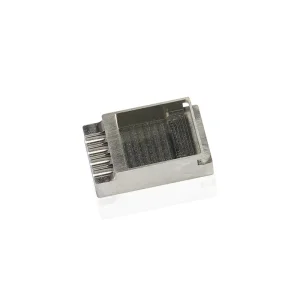
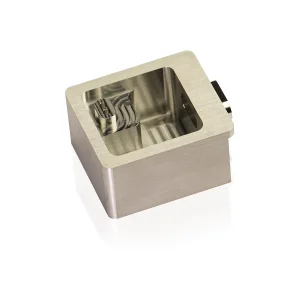
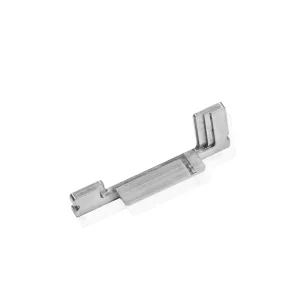
Fusing Kovar alloy, semiconductor, and special metal processing expertise to deliver ultra-high-reliability tooling structures.
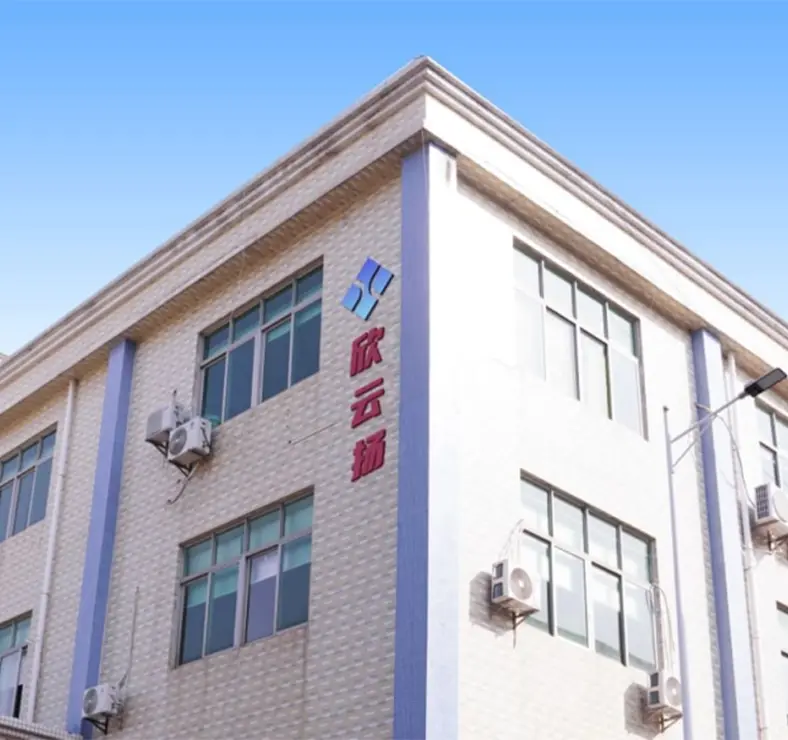
Xinyunyang Precision Technology Co., Ltd. is a leading specialist in advanced metal manufacturing. Founded in November 2014, the company has operated on the core business principles of **Integrity, Innovation, Cooperation, and Sharing**. With a strong focus on Kovar precision processing technology, Xinyunyang has established itself as an essential partner for high-reliability packaging and precision metal components worldwide.
By leveraging our deep expertise in Kovar alloy processing, we provide high-precision metal packaging solutions tailored to demanding fields such as **semiconductors, optical communications, aerospace, medical devices, and new energy**. Fusing this high-tolerance expertise with advanced tooling processes allows us to manufacture components and custom designs with exceptional thermal management and dimensional stability. Our ultimate goal is to stand as a vital, globally recognized precision parts supplier in China and beyond.
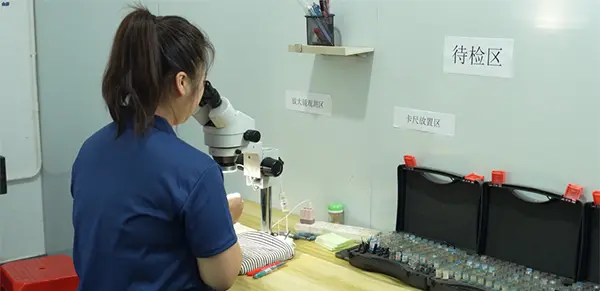
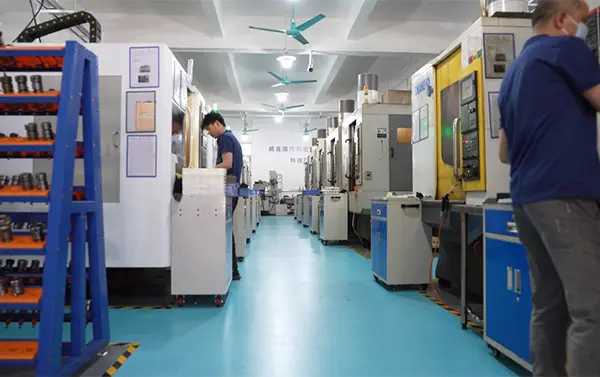
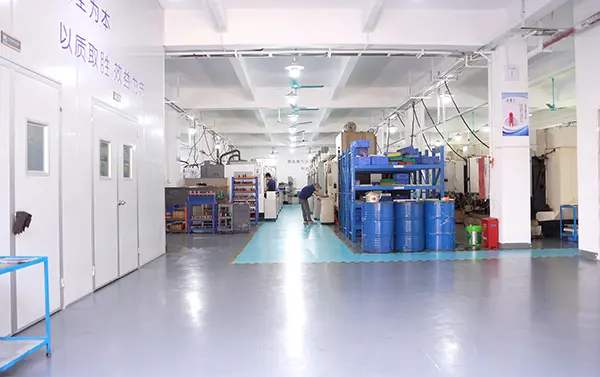
Unpacking the structural pillars that enable high-efficiency delivery and peerless quality assurance.
Our workforce features over 100 skilled professionals, with dedicated research and development technical engineers accounting for 30% of the total staff. This dense concentration of engineering talent ensures swift technical support and dynamic problem-solving during complex tool developments.
Our core members have been deeply engaged in precision metal processing and mold manufacturing for more than a decade. We continue to explore composite processing technologies for special metals like Kovar, titanium alloys, and high-performance steels, positioning ourselves at the forefront of the 5G, artificial intelligence, and electric mobility industries.
Utilizing our comprehensive ISO 9001 certified quality management system alongside an intelligent production scheduling framework, Xinyunyang has successfully increased regular order delivery efficiency by 15% to 20%, establishing a solid footprint in global high-end supply chains.
Deciding between different die technologies depending on production volume, component complexity, and structural expectations.
| Casting Die Class | Primary Industry Focus | Cycle Time & Efficiency | Material Integrity Standard | Optimized Tool Steel |
|---|---|---|---|---|
| High-Pressure Die (HPDC) | Automotive Powertrain, EV Chassis Parts, Gearbox Housings | Extremely Fast (30-90 seconds per shot) | Excellent surface finish, high structural consistency | Premium H13, Dievar, QRO 90 |
| Low-Pressure Die (LPDC) | Aluminium Alloy Wheels, Aerospace Structural Bulkheads | Medium (3-10 minutes per cycle) | Zero-porosity, outstanding mechanical properties | 1.2344, 1.2343 ESR |
| Gravity Casting Molds | Heavy Engineering Components, Manifolds, Electric Motors | Slow (Gravity pouring and cooling times apply) | Thick-walled parts, durable structural integrity | Standard H13, Heat-resistant Cast Irons |
| Vacuum-Assisted HPDC | Thin-wall Telecom Enclosures, Crash-relevant EV Parts | Fast with active gas evacuation phase | Solderable and heat-treatable casting quality | Premium ESR Hot-Work Steels |
Selecting the right casting die class is essential for optimizing tool life and keeping initial capital costs manageable. **HPDC tooling** requires supreme thermal fatigue resistance because the rapid injection of molten aluminium (at temperatures near 650°C and under high pressure) subjects the cavity surface to extreme thermal cycling. Conversely, **LPDC and Gravity Casting systems** focus on managing gravity-driven flow and preventing hot tears, making gating systems and material density the primary focus.
Essential checkpoints for procurement managers, structural engineers, and logistics heads to guarantee successful global partnerships.
When searching for a top-tier manufacturer, global procurement teams must look beyond initial unit pricing. The ultimate metric of profitability is the **Total Cost of Ownership (TCO)**, which covers the tool's purchase cost, production downtime risks, maintenance costs, and total scrap rate. To help evaluate potential suppliers, we have compiled key engineering and operational parameters to verify before committing capital:
Working with a supplier that integrates advanced manufacturing processes—such as Xinyunyang Precision Technology Co., Ltd.—ensures that the core engineering logic matches high-reliability industrial expectations. When a manufacturer maintains strict quality management standards, the resulting tools achieve consistent dimensional accuracy, long lifetimes, and highly repeatable output.
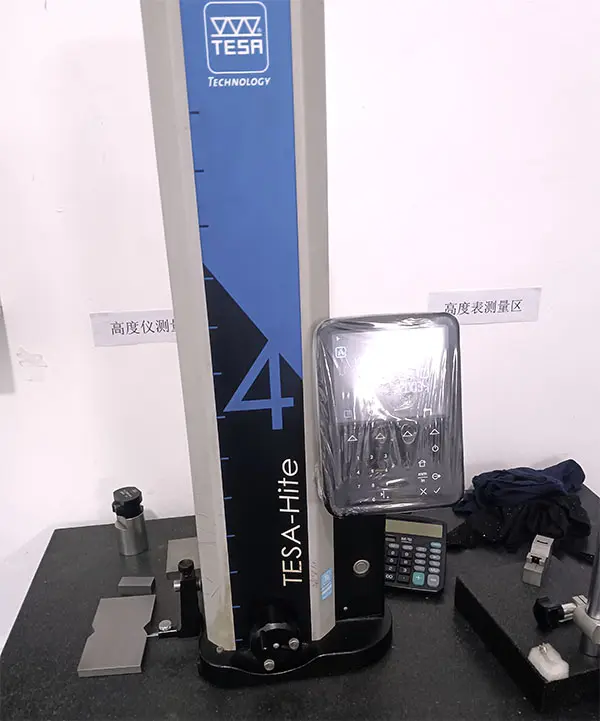
A glimpse inside our production facility and quality assurance center.
Resolving primary technical and commercial queries for professional tool procurement.
The expected lifetime is determined by the tool steel grade (e.g., premium AISI H13 vs. high-toughness Dievar), heat treatment quality, surface finishing (such as plasma nitriding or PVD coatings), and the complexity of the part geometry. Properly designed tools with conformal cooling and optimized gating systems routinely exceed 100,000 shots.
Unlike straight gun-drilled channels, conformal cooling channels follow the exact three-dimensional contours of the mold cavity. This placement guarantees uniform heat dissipation, eliminates hot spots, prevents shrinkage defects, and can reduce overall cycle times by 15% to 30%.
Chinese factories operating under Industry 4.0 standards offer high-speed 5-axis CNC machining, integrated material supply chains, and digital production scheduling. This reduces tool build times by 15% to 20% while maintaining tight geometric tolerances and highly competitive total cost of ownership (TCO).
By drawing a vacuum in the mold cavity before molten aluminium is injected, ambient air and gases are evacuated. This prevents the formation of gas porosity within the metal structure, ensuring the finished casting is dense, high-strength, weldable, and suitable for structural heat treatment.
Contact our engineering specialists today to receive a comprehensive Design for Manufacturing (DFM) assessment and flow analysis report for your industrial program.
Submit Sourcing Specification
 Xinyunyang Precision