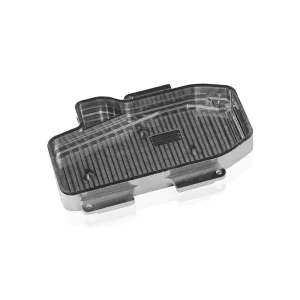
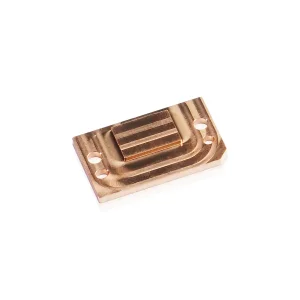
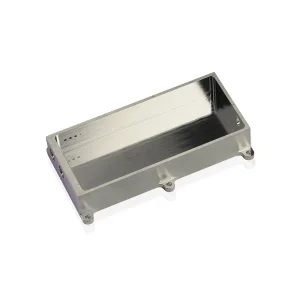
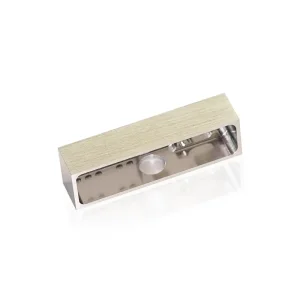
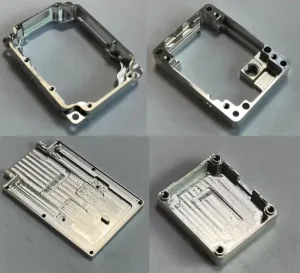
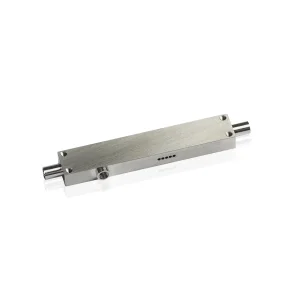
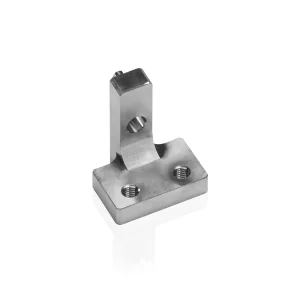
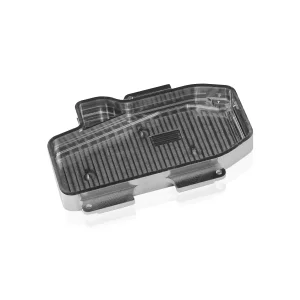
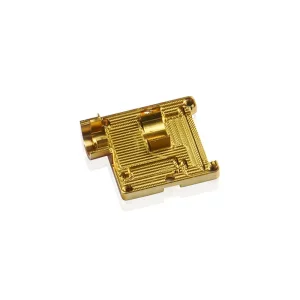
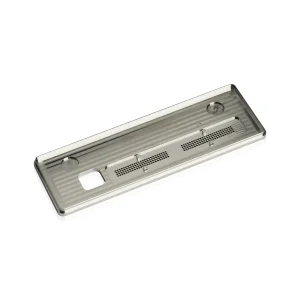
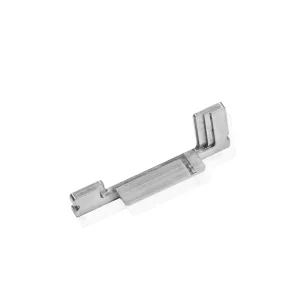
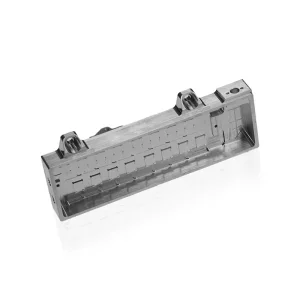
When you look to buy Aluminum 6061-T6 stock, you aren't just purchasing a commodity; you are investing in the most versatile structural aluminum alloy available today. 6061-T6 (Al-Mg-Si alloy) represents the perfect equilibrium between mechanical strength, corrosion resistance, and high-speed machinability.
The T6 temper is achieved through solution heat treatment followed by artificial aging. This process increases the yield strength of the alloy from roughly 8,000 psi (in the annealed O temper) to at least 35,000 psi. For engineers, this means a lightweight material that can withstand significant structural loads in aerospace and automotive applications.
Choosing a manufacturer in China for your 6061-T6 requirements offers more than just cost savings. It provides access to an integrated supply chain that ensures rapid prototyping and massive scalability.
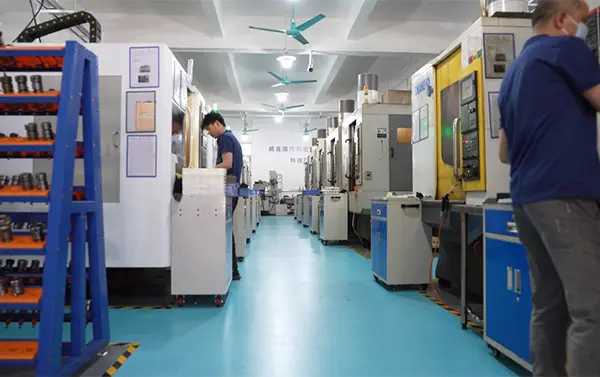
Regions like Shenzhen and Dongguan house the world's most dense concentration of 5-axis CNC machines, specifically optimized for aluminum alloys.
Leading suppliers provide full Mill Test Reports (MTRs), ensuring the chemical composition of your 6061-T6 stock meets international standards (ASTM B221).
Turnaround times for custom aluminum components are often 50% faster in China due to the immediate proximity of raw stock extruders and surface treatment facilities.
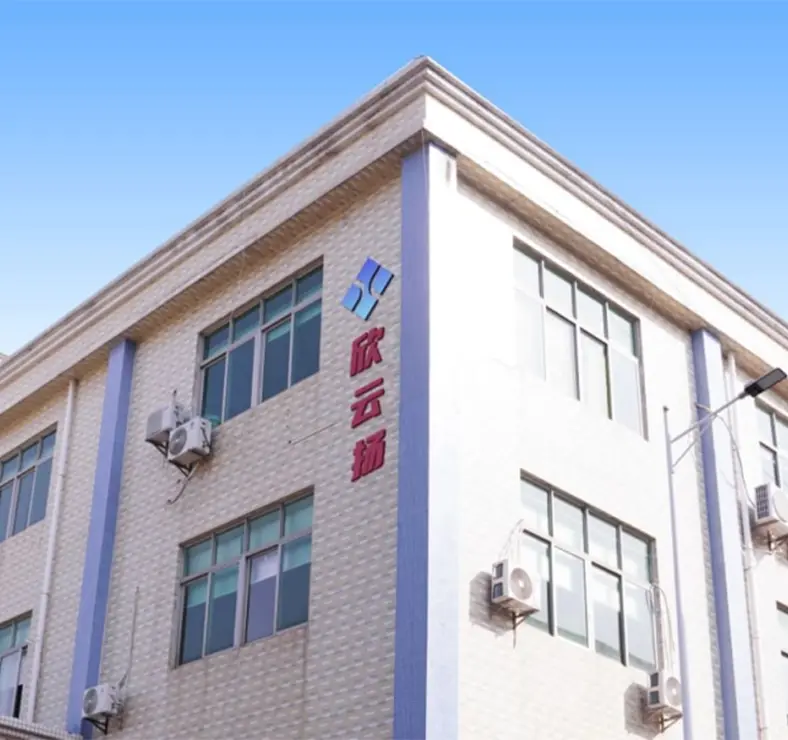
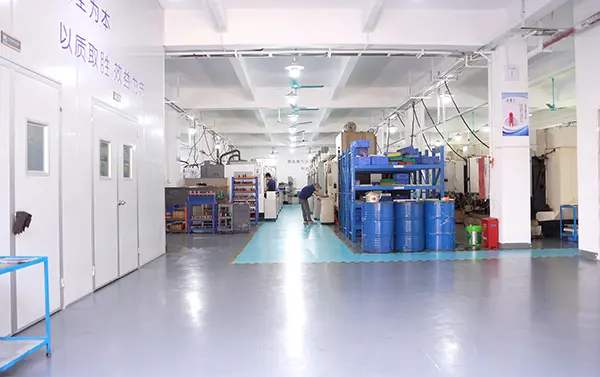
Founded in November 2014, Xinyunyang Precision Technology Co., Ltd. has established itself as an industry benchmark for precision metal processing. While focusing on Kovar alloy as a core competency, the company has expanded its expertise into Aluminum 6061-T6, titanium alloys, and high-end semiconductors.
With an ISO 9001 certified quality management system, we serve the aerospace, medical devices, and new energy sectors globally, delivering miniaturized, customized, and high-reliability metal packaging solutions.
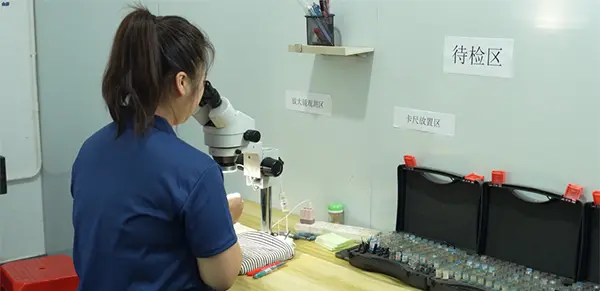
 High-precision processing capability Advanced technology and equipment Strict quality control & ISO standards Flexible customized services for global brands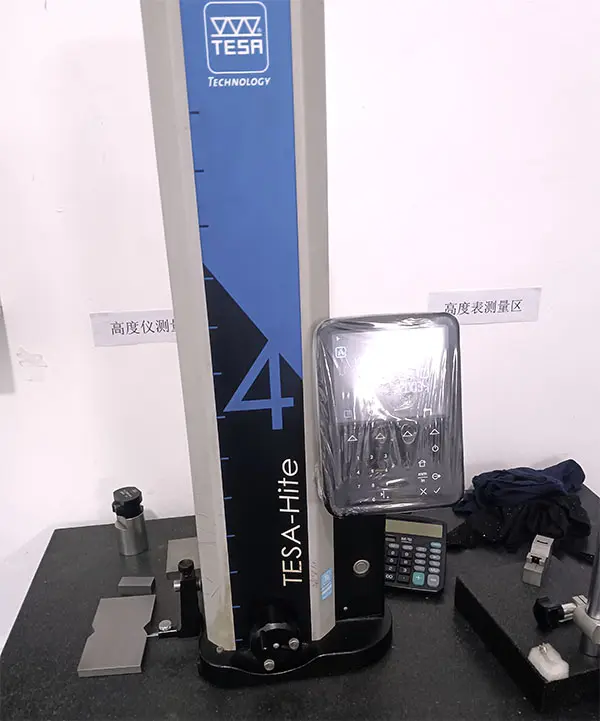
6061-T6 is the "gold standard" for aircraft structures and fittings where weldability and corrosion resistance are non-negotiable. Our components are used in flight control systems and internal armors.
With the surge in AI data centers, 6061-T6 is preferred for heat sinks and optical module housings due to its excellent thermal conductivity (approx. 167 W/m·K).
Lightweighting is key in EV (Electric Vehicle) battery enclosures. 6061-T6 provides the structural integrity needed for safety while reducing the overall vehicle mass.
Precision-machined vacuum chambers and wafer handling tools rely on the dimensional stability of 6061-T6 aluminum stock.
Professional Team Members
Senior Technical Engineers
Delivery Efficiency Increase
9001 Certified Quality
Procurement directors at Fortune 500 companies look for three primary factors when selecting an Aluminum 6061-T6 manufacturer: consistency, compliance, and cost-efficiency.
1. Material Verification: Always request a chemical analysis report. Genuine 6061-T6 must contain Silicon (0.4-0.8%) and Magnesium (0.8-1.2%) to achieve its specified mechanical properties.
2. Surface Treatment Mastery: Aluminum 6061-T6 is highly receptive to anodizing. Whether it's Type II (Decorative) or Type III (Hardcoat), a premium supplier should offer in-house finishing to reduce lead times and quality variance.
3. CNC Tolerance Precision: For high-end industries like medical devices or 5G optics, tolerances of ±0.005mm are often required. Ensure your supplier uses high-speed spindles and advanced metrology tools (CMM).
A: While 7075-T6 offers higher strength, 6061-T6 provides significantly better corrosion resistance and is easier to weld. 6061 is generally more cost-effective for general structural applications, whereas 7075 is reserved for high-stress aerospace components.
A: Welding 6061-T6 will typically result in a loss of strength in the heat-affected zone (HAZ). To restore the T6 properties, the entire part must be solution heat-treated and aged after welding, which is why precision CNC machining from solid stock is often preferred for critical parts.
A: Beyond the competitive pricing, Chinese manufacturers offer "Industrial Depth." We integrate raw material sourcing, multi-axis machining, and advanced surface treatments into a single workflow, reducing your supply chain complexity and lead times by up to 30%.
A: Anodizing (Type II or III) is the most popular for increasing surface hardness and corrosion resistance. Chem-film (chromate conversion coating) is also excellent for parts requiring electrical conductivity alongside protection.
 Xinyunyang Precision