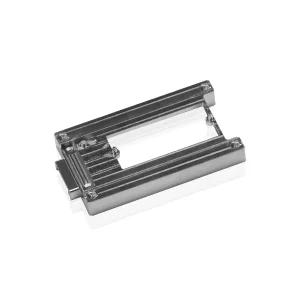
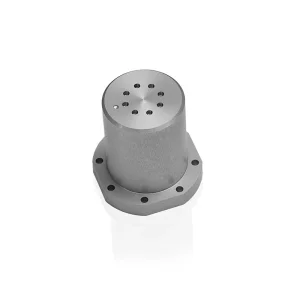
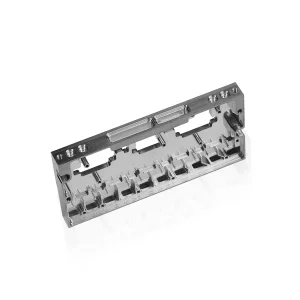
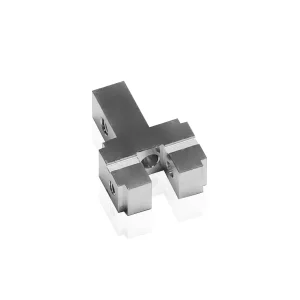
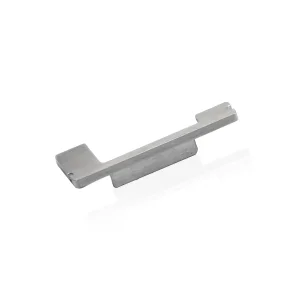
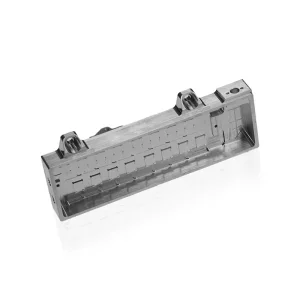
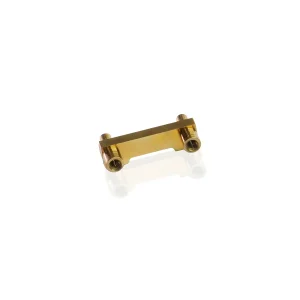
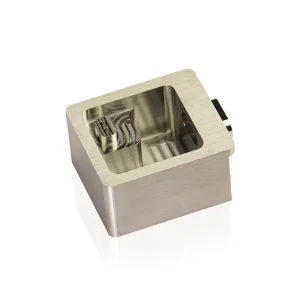
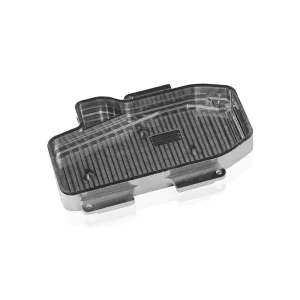
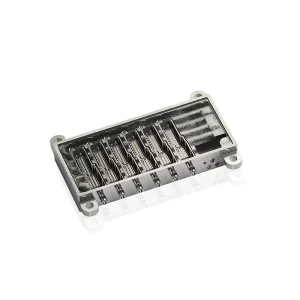
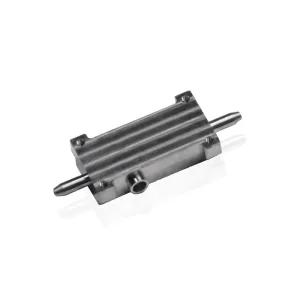
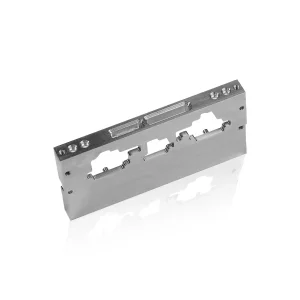
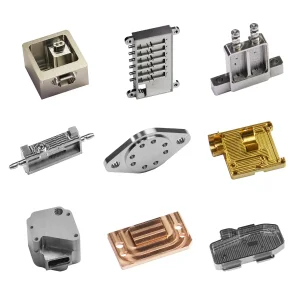
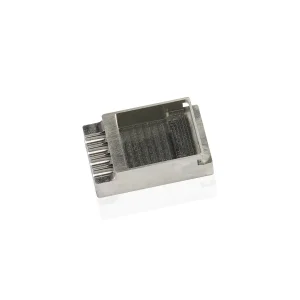
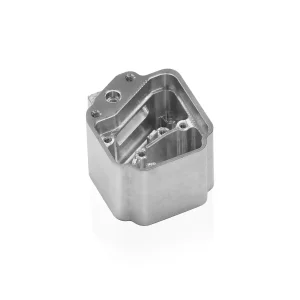
Engineered to withstand the demanding thermal and mechanical stress profiles found within macroscopic closed-loop circular systems.
Analyzing global resource vulnerability, macroeconomics, and the strategic deployment of ultra-high precision metallurgy inside modern manufacturing ecosystems.
Traditional manufacturing relies heavily on an open-loop model: harvesting raw ores, processing them into metals, machining away up to 70% of the material as scrap, and delivering a component that will eventually be discarded. Under global supply constraints, this linear model is breaking down. Critical materials such as Kovar alloys, titanium, and aerospace-grade aluminum are subject to rapid geopolitical price volatility and strict localized environmental caps.
A Closed-Loop Recycling System captures high-value metallurgical offcuts and micro-swarf at the point of manufacture, cleans and refines them without introducing atmospheric oxygen or trace elements, and immediately transforms them back into raw, high-purity inputs for ultra-precision CNC systems. Implementing this dynamic machinery inside advanced assembly lines mitigates Scope 3 greenhouse gas emissions by up to 80% while shielding supply chains from external logistics shocks.
How state-of-the-art multi-channel dynamic rotary interfaces and physical hermetic containment barriers preserve material characteristics through multiple processing phases.
When recycling high-affinity alloys like Kovar (Fe-Ni-Co) or Titanium, exposure to air during thermal recovery phases causes irreversible oxide inclusions. Integrating extreme-vacuum packaging and micro-machined seals guarantees reliable atmospheric containment below 10⁻⁶ Torr.
Fluids used in cooling and lubrication cycles within the recycling loop must be completely isolated from high-temperature active zones. Multi-channel rotary joints enable simultaneous transmission of structural coolants, inert gas blankets, and hydraulic power across rotating axes.
Smart closed-loop setups feed precise physical dimension data directly back to real-time manufacturing cells. Micro-adjustments are processed continuously, ensuring recycled material undergoes custom path planing that accounts for structural changes, minimizing scrap generation.
This dataset outlines physical stability metrics of structural alloys processed through closed-loop extraction loops compared to primary mined alternatives.
| Alloy Matrix Profile | Primary Yield Strength | CTE Stability (4.7±0.2×10⁻⁶/℃) | Atmospheric Impurity Level | Net Lifetime Cycle Output |
|---|---|---|---|---|
| Standard Kovar (Primary) | 340 MPa | 100% Nominal | <0.01% O₂ | 1x (Standard baseline) |
| Closed-Loop Recycled Kovar | 338 MPa | 99.98% Nominal | <0.012% O₂ | 5.8x (With minimal loss) |
| Titanium Grade 5 (Recycled) | 880 MPa | 100.0% Nominal | <0.005% N₂ | 8.4x (High structural return) |
| Aluminium 6061-T6 | 276 MPa | 99.92% Nominal | <0.02% Impurity | 12.0x (Optimal circularity) |
Providing custom, high-reliability hermetic packaging and micro-precision components essential to secure closed-loop fluidic and atmospheric recovery hardware.
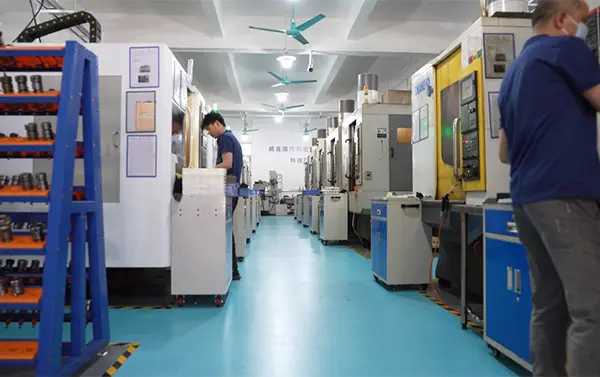
Founded in November 2014, Xinyunyang Precision Technology Co., Ltd. has established a leading reputation for advanced engineering, developing precision metal packaging, hermetic lids, and complex high-reliability structural components for semiconductors, optical communications, aerospace, and medical fields.
While closed-loop systems require sophisticated software and sensor packages, their physical reliability rests on high-tolerance structural elements. Systemic leaks, thermal deviations, and micro-contaminants can ruin an entire batch of recycled material. Xinyunyang's core competency in Kovar alloy processing and composite machining provides critical components that make these systems robust enough for daily factory operations.
Guarantees rigorous structural control and batch-to-batch tracking across production lines.
Complemented by a dedicated engineering team comprising 30% of total personnel.
Our highly specialized team continuously optimizes mechanical tolerances and develops custom strategies for working with refractory and inert metal alloys.
Over a decade of hands-on experience allows our core team to design packaging solutions ready for 5G, micro-electronics, aerospace, and high-frequency communication applications.
Integrating digital workflow scheduling into our lines yields a 15% to 20% increase in manufacturing delivery efficiency for complex custom specifications.
Closed-loop systems must adapt to varying regional regulations, compliance standards, and utility profiles across key economic regions.
Driven by the strict demands of the EU Circular Economy Action Plan and digital product passport directives. High-end manufacturing facilities must demonstrate traceable waste reduction pathways.
Xinyunyang Solution: Integrating ultra-reliable hermetic packaging and custom CNC components inside European recycling nodes ensures verifiable traceability and compliance with strict environmental standards.
Driven by supply chain security initiatives and federal strategic metal stockpiling mandates. The objective is to retain precious critical metals like cobalt, nickel, and titanium within local manufacturing borders.
Xinyunyang Solution: Providing robust domestic manufacturers with precision-machined Kovar and structural components designed to run reliably under heavy continuous loads without leaking.
Driven by the search for raw production efficiency, rapid throughput scaling, and localized cost advantages. Closed-loop setups here must process high volumes of scrap while maintaining low cost per cycle.
Xinyunyang Solution: Smart production scheduling delivers high-volume hermetic lids and connectors, maintaining short lead times and supporting uninterrupted high-rate production.
Analyzing the custom structural and processing layouts required to achieve zero-waste outcomes in high-stress, high-value fields.
In semiconductor fab operations, processing tools run around the clock in chemically aggressive environments. Recyclable fixtures and structural metal packages must feature matching thermal expansion characteristics to protect sensitive internal electronics. Xinyunyang designs components utilizing premium Kovar alloy matrices that feature matching coefficients of thermal expansion (CTE 4.7±0.2×10⁻⁶/℃). This ensures hermetic stability, preserving optical connectivity even under extreme cyclic thermal stress.
Maintains atmospheric separation down to trace mechanical tolerances, preventing environmental cross-contamination of sensitive internal wafer arrays.
Provides reliable thermal operating limits from cryogenic levels up to 400°C, maintaining micro-structural dimensions without creep.
Aerospace components require absolute reliability. When recycling materials like high-grade titanium and high-purity aluminum alloys, micro-impurities can lead to fatigue fractures over time. Our advanced structural parts undergo strict ultrasonic cleaning and magnetic particle inspections. This guarantees that recycled and virgin raw materials show identical mechanical profiles when entering high-precision 5-axis CNC machining centers.
Additionally, custom tooling and micro-toleranced jigs align part placement precisely, enabling high-rate production cycles without introducing structural defects or dimensional variations.

Addressing engineering, materials, and logistical considerations raised by procurement managers and circular integration engineers.
Kovar alloys (composed primarily of iron, nickel, and cobalt) are unique in that their coefficient of thermal expansion closely matches that of borosilicate glasses and ceramic materials. Inside a closed-loop system operating under deep vacuum or elevated heat, mismatched thermal expansion rates can cause joints to leak. Kovar components maintain physical dimensions and hermetic isolation across dynamic thermal fluctuations, preserving the process atmosphere.
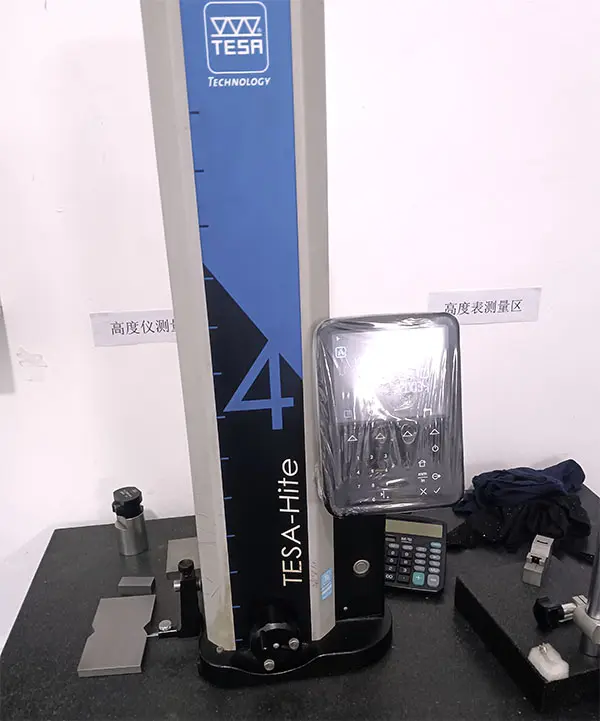
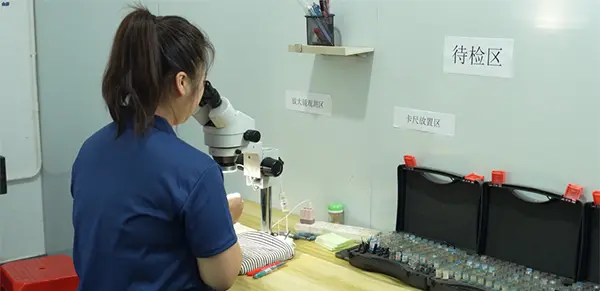
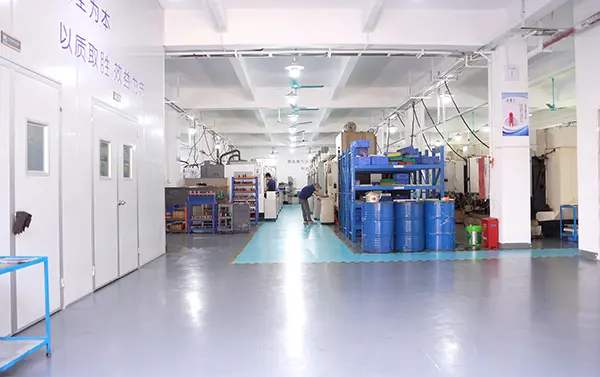
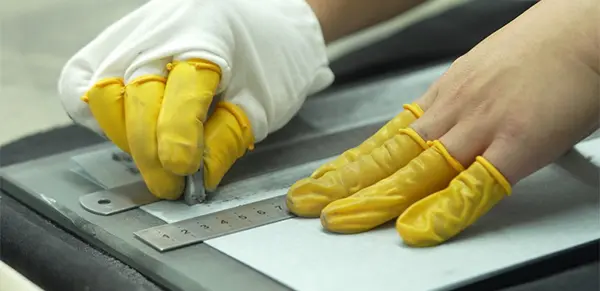
We achieve these tolerances through a combination of multi-axis CNC machining, optical inspection systems, and ISO 9001-certified operational controls. By regulating environmental conditions like temperature and humidity in our machining zones, we minimize thermal drift during production, consistently holding tolerances within the sub-micron range.
None, provided the material is processed in an inert, oxygen-free system. Micro-inclusions or gases absorbed during recycling can compromise fatigue life. Our high-vacuum, sensor-monitored process prevents oxidation, delivering recycled titanium with physical properties and structural performance matching primary metals.
Most facilities recover their investment within 14 to 26 months. ROI is driven by reducing raw material expenditures—especially for high-value metals like Kovar, titanium, and specialized copper—along with lower waste transport fees and decreased energy usage compared to open-loop manufacturing.
Our complete catalog of advanced communication shells, precision tooling, and hermetically sealed component housings.
 Xinyunyang Precision