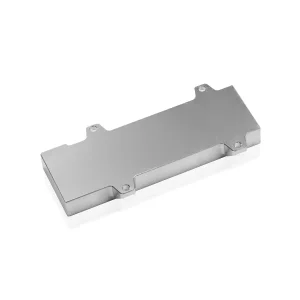
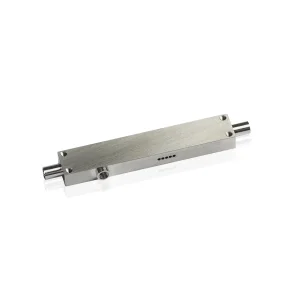
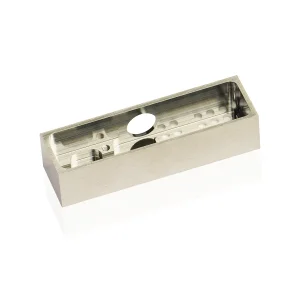
Explore our premium factory-direct CNC machined parts and metal hardware engineered to micron-level accuracy.
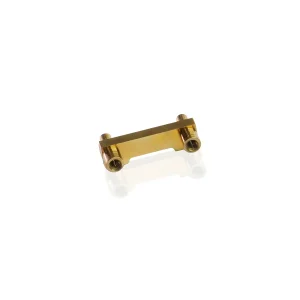
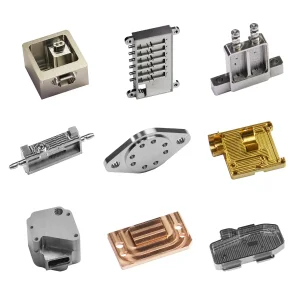
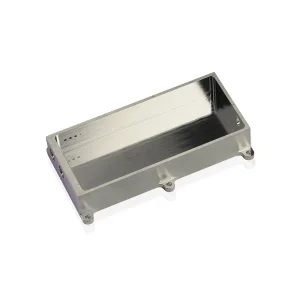
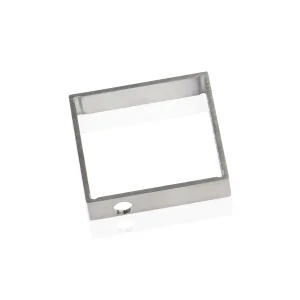
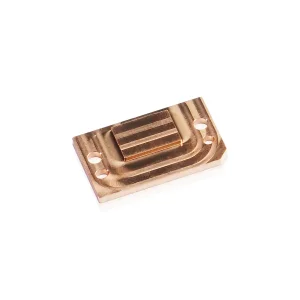
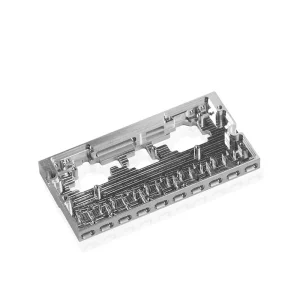
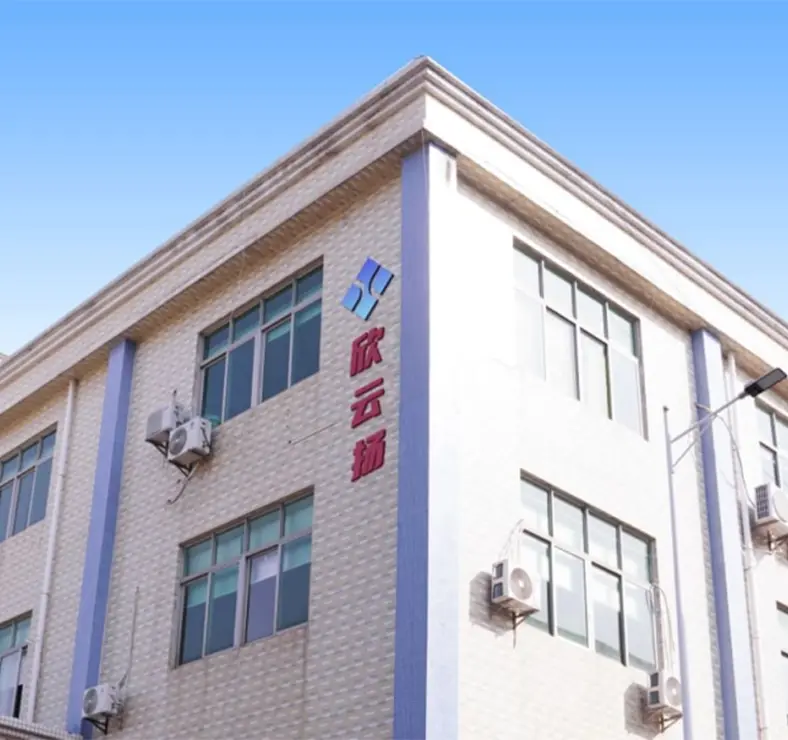
Founded in November 2014, Xinyunyang Precision Technology Co., Ltd. has established itself as an elite, innovation-driven industry benchmark. Adhering strictly to our founding principles of **Integrity, Innovation, Cooperation, and Sharing**, we have committed ourselves to paving the way in specialized metal fabrication.
Our core competitiveness lies in our industry-leading **Kovar precision processing technology**. We deeply cultivate high-reliability metal packaging and component manufacturing across critical sectors including semiconductors, optical communications, aerospace, medical devices, and the new energy and military industries. We specialize in engineering miniaturized, highly customized, and ultra-reliable metal packaging solutions that empower clients worldwide.
Our ultimate goal is clear: to reinforce our standing as a preeminent global supplier of hermetic package lids, Kovar alloy components, and precision CNC parts, continuously elevating standard industry expectations through technological breakthroughs and resilient partnerships.
 High-precision processing
Advanced equipment arsenal
Strict QC verification
Flexible customized services
High-precision processing
Advanced equipment arsenal
Strict QC verification
Flexible customized services
How we integrate veteran engineering experience with modern, smart manufacturing technologies to deliver unparalleled results.
An Industry Whitepaper on High-Precision CNC Metallurgy, Hermetic Packaging, and China's Smart Factory Infrastructure.
The manufacturing landscape is undergoing a paradigm shift driven by high-frequency electronics, semiconductor integration, and aerospace exploration. At the center of this revolution is the ability to acquire micron-level component accuracy. For global procurement teams, purchasing CNC machined components or buying industrial-scale production equipment is no longer simply about searching for the lowest price per unit. Instead, it involves deep-seated technical alignment, rigorous material science understanding, and robust quality guarantees. When sourcing from advanced factories, understanding raw capabilities, machine routing, and material handling is vital to avoiding high failure rates in the field.
Information Gain Indicator: In high-reliability applications, a mismatch in the Coefficient of Thermal Expansion (CTE) of component housings can cause catastrophic glass-to-metal seal fractures, resulting in hermetic failure and device loss. This guide details how specialized alloy machining acts as the ultimate countermeasure.
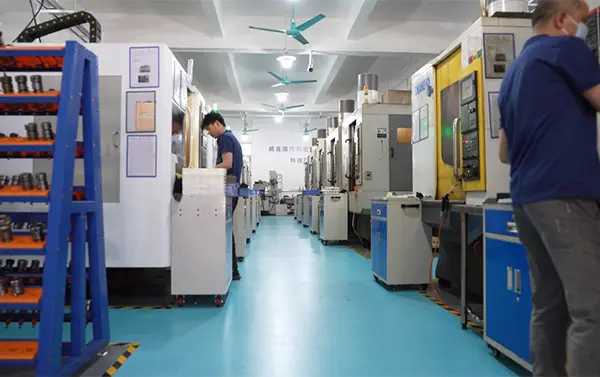
The technical roadmap for advanced CNC manufacturing relies heavily on simultaneous multi-axis machining (5-axis and above), turn-mill integration, and ultra-high-speed spindle tooling. Modern precision components require complex geometries that cannot be produced using standard three-axis systems without multiple setups, which introduces human error and compound tolerance stacks. By utilizing integrated Swiss-type turn-mill centers and five-axis gantry setups, factories can execute complex cuts in a single setup, achieving positional tolerances within ±2μm.
Looking ahead, the future of custom manufacturing lies in AI-optimized toolpath generation and active adaptive control systems. By monitoring real-time vibration, torque, and thermal displacement on the spindle, the modern factory's CNC machines dynamically adjust feed rates to compensate for thermal growth and tool wear. This active control maintains consistent surface finishes (Ra < 0.4μm) and dimensional tolerances over long production runs. Furthermore, combining traditional subtractive machining with selective laser melting (SLM) additive techniques opens new avenues for generating complex internally-cooled manifolds and high-density electronic chassis.
Allows single-setup processing of complex structural geometries, minimizing human error and reducing dimensional tolerance accumulation.
AI-driven sensor arrays monitor tool wear, spindle vibration, and thermal expansion to dynamically compensate for deviation.
Concurrently executes selective laser melting and high-speed CNC milling for complex, weight-optimized geometries.
Custom precision machining is the foundation for various high-growth technical industries:
Semiconductor Equipment: Ultra-vacuum chambers, gas showerheads, and electrostatic chuck components demand structural integrity free from microscopic fissures. These parts must resist high-energy plasma erosion and maintain perfect flatness at high operating temperatures.
Optical Communications & 5G: High-speed optical transceiver modules and RF cavity filters require rapid heat dissipation and minimal signal attenuation. Gold-plated Kovar packaging ensures excellent electrical shielding and hermetic sealing, which prevents moisture from damaging sensitive laser diodes.
Aerospace & Defense: Components operating in outer space experience extreme thermal cycling. The demand for lightweight materials with high structural strength, such as titanium and specialized superalloys, requires rigid CNC machining setups capable of processing these difficult-to-cut materials without inducing micro-cracks or residual stress.
Medical Devices: Implants, surgical tools, and analytical instruments require biocompatible materials with exceptional surface finishes. Our cleanroom manufacturing capability prevents cross-contamination, ensuring each piece meets strict regulatory standards.
China's CNC machining and precision manufacturing ecosystem has evolved from a simple low-cost hub into a sophisticated "Factory 4.0" powerhouse. This transformation is characterized by dense industrial clusters, integrated raw material supply chains, and highly automated production processes. Shenzhen and its surrounding regions host a comprehensive manufacturing network where raw alloy foundries, heat-treatment facilities, precision tool makers, surface treatment operations, and logistics providers operate in close proximity.
This geographic concentration allows companies like Xinyunyang to optimize every stage of the manufacturing cycle. Instead of waiting weeks for specialized material sourcing or thermal treatments, components move seamlessly through the production chain in days. Backed by intelligent ERP scheduling, our facilities maintain high machinery utilization rates and minimize changeover times. This level of supply chain integration reduces lead times by 15% to 20% compared to fragmented regional manufacturers, providing global buyers with both rapid prototyping and scalable production capabilities.
For international procurement managers, a successful sourcing strategy bridges the gap between design engineering and mass-production realities. When buying high-precision custom parts, a structured approach is essential:
Design for Manufacturing (DFM) Review: Collaborating with our engineering team early in the design stage helps identify potential manufacturing challenges, such as excessively deep blind holes or sharp internal corners, allowing for adjustments that lower production costs.
Material Traceability: Reliable components begin with certified raw materials. Every production batch of Kovar, titanium, or copper alloy is accompanied by mill test reports (MTR) detailing chemical composition and physical properties, ensuring absolute compliance with structural and thermal requirements.
Scalable Machining Operations: Projects often begin with small-batch prototyping to verify fit and function. We offer dedicated rapid-prototyping workflows that mirror our mass-production setups, ensuring that approved prototypes transition smoothly to high-volume manufacturing with identical tolerances and material properties.
Operating as a reliable global partner requires strict adherence to international quality standards and compliance frameworks. Our manufacturing processes conform to ISO 9001 quality management guidelines, ensuring every production run follows documented procedures and inspection protocols. We also maintain compliance with environmental regulations including RoHS and REACH, verifying that our components are free from restricted substances.
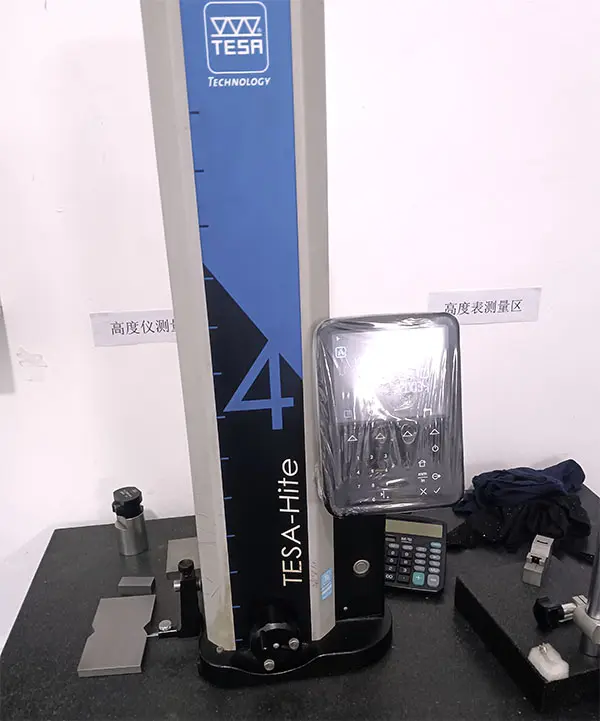
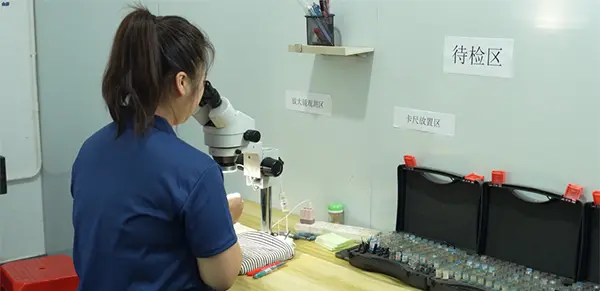
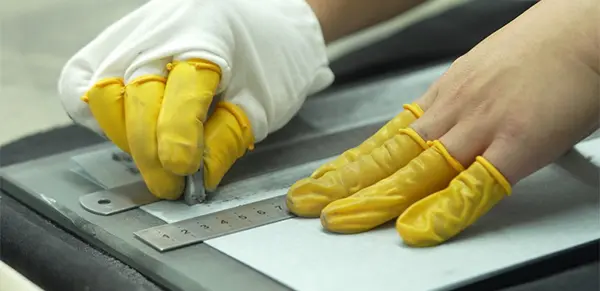
To support high-reliability applications, we utilize advanced quality assurance equipment, including coordinate measuring machines (CMM), optical comparators, helium leak detectors, and surface profilometers. For components like D-Sub contacts or hermetic lids, we perform rigorous salt spray resistance testing to verify surface plating integrity. This commitment to technical expertise, material compliance, and meticulous quality control forms the basis of our reputation as a trusted manufacturing partner.
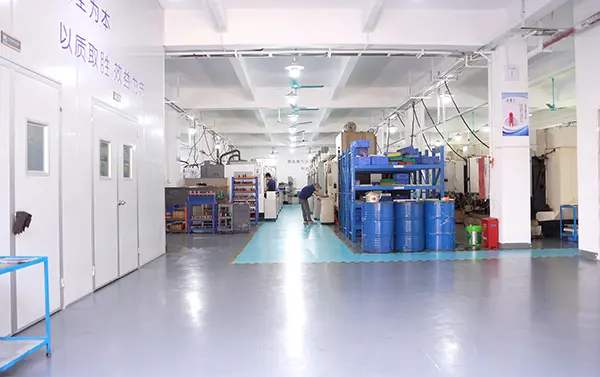
A transparent look inside our state-of-the-art facilities, QA labs, and advanced CNC machining centers.
Get answers to common technical queries about material processing, hermetic sealing, and sourcing standards.
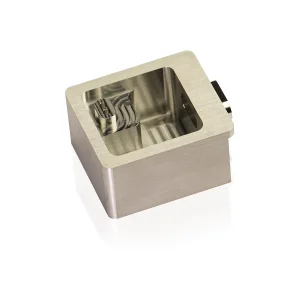
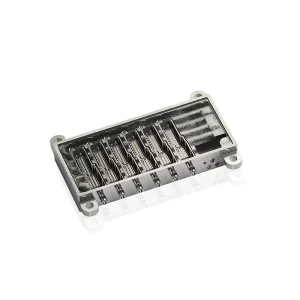
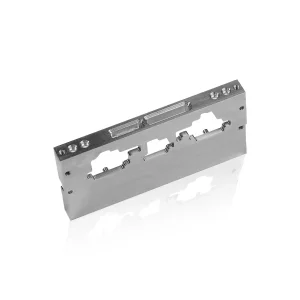
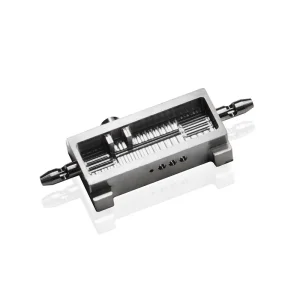
Review the rest of our catalog featuring specialized actuators, housings, and custom electronic chassis components.
 Xinyunyang Precision