Explore our top-tier precision CNC components, custom fabricated with micro-level surface optimization and material integrity.
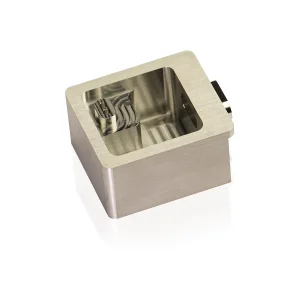
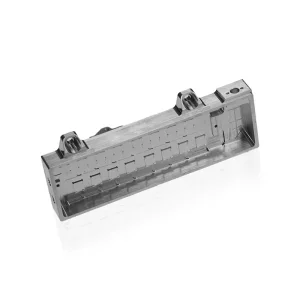
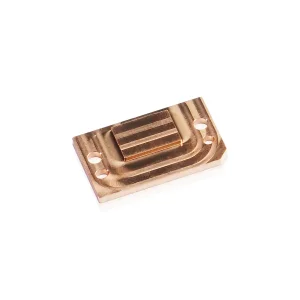
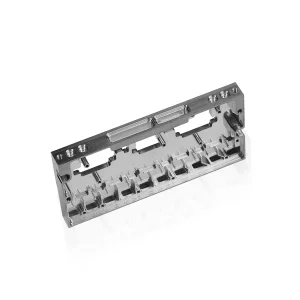
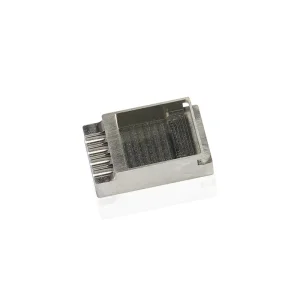
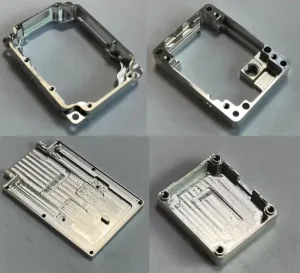
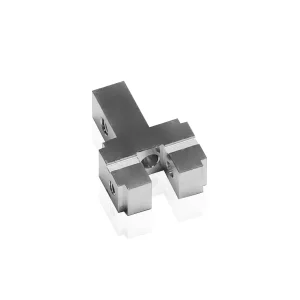
In high-precision manufacturing, surface roughness ($R_a$, $R_z$, $R_q$) is not merely an aesthetic parameter; it is a vital functional criterion that dictates structural integrity, fatigue life, hermetic sealing capacity, and electrical contact resistance. Modern industries such as semiconductor fabrication, defense electronics, aerospace engineering, and optical communications demand sub-micron geometric accuracies combined with specialized surface treatments to resist aggressive environments.
As a leading authority in material processing, Xinyunyang Precision Technology Co., Ltd. (founded in November 2014) has built its foundational competitiveness around advanced Kovar (4J29 alloy) structural engineering, stainless steel passivations, and copper ultra-finishing. By controlling microscopic surface morphology, we systematically eliminate micro-cracks, surface inclusions, and stress concentration zones, providing our global clientele with unmatched component reliability.
Our proprietary internal R&D tests confirm that transitioning from standard abrasive machining ($R_a$ 1.6 μm) to chemical-mechanical polishing combined with controlled nickel plating ($R_a$ ≤ 0.4 μm) improves Kovar-to-ceramic brazing yield by 22% and reduces the risk of long-term hermetic seal leakage under 10-9 Pa·m³/s down to absolute zero.
How global market shifts, rigorous material compliance, and microminiaturization are shaping modern aerospace and semiconductor sourcing strategies.
5G transceiver modules, optical communication devices, and high-frequency RF connectors require smaller footprints with zero surface deviations. Standard tooling marks cause significant signal loss due to the "skin effect" at high frequencies. Micron-level surface control has become mandatory.
Global Tier-1 procurement leads are enforcing absolute compliance with RoHS, REACH, and Conflict-Free sourcing initiatives. Heavy metal control in plating baths (e.g., elimination of hexavalent chromium and lead) is non-negotiable for aerospace and semiconductor components entering European and North American markets.
The rapid growth in harsh-environment operations has escalated the demand for special materials such as Kovar (4J29), titanium, and molybdenum. Sourcing from manufacturers capable of both machining these complex materials and performing certified surface coatings is key to reducing vendor complexity.
Operational and metallurgical parameters designed to ensure prompt delivery, process repeatability, and zero defects.
Our design, manufacturing, and QA departments work under a unified engineering protocol. This ensures that the design intent—especially micro-tolerances and specific surface topologies—is directly translated into CNC g-code and post-processing sequences without loss of detail.
We actively develop and implement hybrid tooling approaches, combining high-speed cutting (HSC) with custom abrasive flow machining (AFM) and precision chemical passivation. Our techniques are highly valued in aerospace and 5G optical telecom transceivers.
Every single raw material batch undergoes chemical composition testing using optical emission spectrometers (OES). Complete traceability is maintained, accompanied by physical dimension verification and surface profilometer scans to guarantee ISO compliant quality.
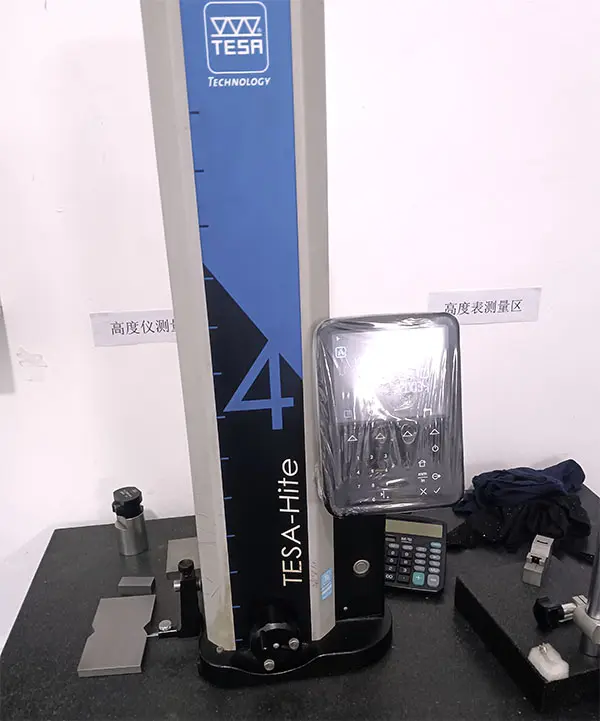
At Xinyunyang, we design tailor-made manufacturing workflows that address the unique paint, plating, thermal, and electrical demands of critical industrial segments:
By blending metallurgical knowledge with advanced surface science, we guarantee that our components maintain structural integrity under cryogenic cycles, ultra-high vacuums (UHV), and chemical cleaning protocols.
Our engineering projection for next-generation surface treatments, highlighting the transition into smart, eco-efficient manufacturing platforms.
Replacing classic nitric acid passivation with environment-friendly citric-acid systems and vacuum-assisted electrochemical operations. This increases the salt-spray resistance of 316L and Kovar components by up to 48% without altering outer dimensions.
Deployment of advanced Abrasive Flow Machining (AFM) systems capable of polishing internal fluid conduits and convoluted metal cavities down to a mirror finish ($R_a$ 0.05 μm). This is critical for space propulsion and next-generation lithography tools.
Integrating real-time laser scanner feedback loops inside our multi-axis CNC machines. The system dynamically measures the surface finish as the cutting tool moves, autonomously altering speeds, feeds, and coolant pressure to prevent tooling defects in real-time.
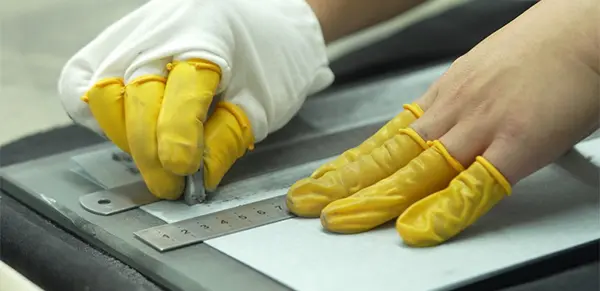
A look inside our state-of-the-art machine shops, material testing laboratories, and environmental control rooms.
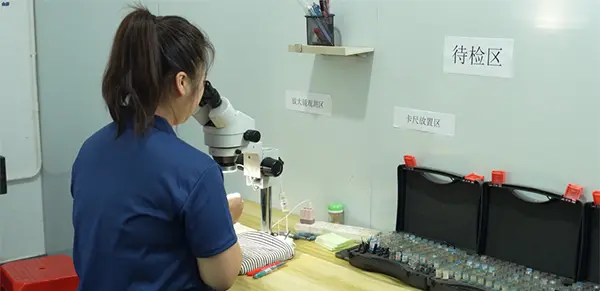
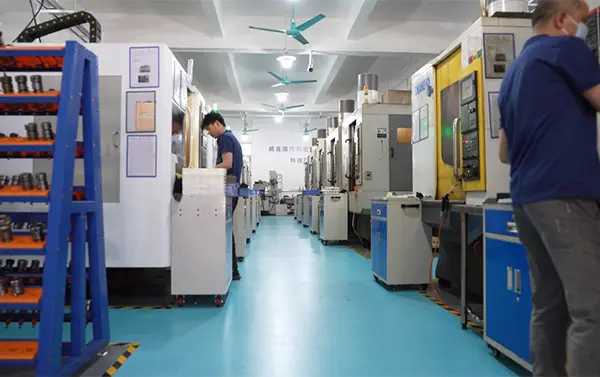
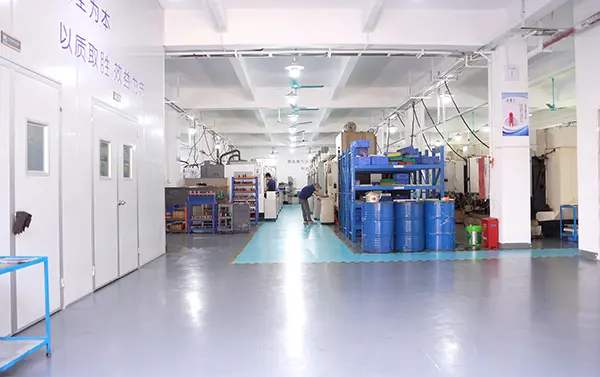
Our application engineers resolve common procurement and design questions related to high-tolerance CNC surface finishing.
Kovar alloy (UNS K94610 / 4J29) is a nickel-iron-cobalt alloy that exhibits high ductility and work-hardening characteristics. This makes it challenging to achieve a mirror finish through cutting processes alone.
If low-grade Kovar is used, micro-inclusions of sulfur or carbon can pull out during turning or milling, creating micro-voids ($R_a$ > 1.6 μm) that prevent reliable vacuum hermetic glass-to-metal seals. Xinyunyang uses premium, certified vacuum-melted 4J29 Kovar. This uniform grain distribution allows us to achieve a pristine surface finish of $R_a$ ≤ 0.4 μm right off the machine.
For austenitic stainless steels (such as 304L and 316L), we recommend a dual approach of electropolishing and passivation.
Electropolishing removes micro-peaks from the machined surface, minimizing the overall surface area while leaving a bright, mirror-like finish. This is followed by chemical passivation in accordance with ASTM A967 standards, utilizing citric or nitric acid. This depletes free iron from the surface and forms a robust, chromium-rich oxide layer, maximizing corrosion resistance and preventing oxidation in aggressive semiconductor process chambers.
Our raw materials (especially 4J29 Kovar and high-purity copper) are strictly sourced from certified, conflict-free melt shops. We undergo regular third-party audits to guarantee that our raw materials do not contribute to environmental or social exploitation.
Furthermore, all our metal coatings (electroless nickel plating, gold plating, and passivations) are 100% free of lead, cadmium, and hexavalent chromium. We provide complete documentation and material certifications (MTRs, RoHS compliance certificates, and third-party lab testing reports) with every production batch to support seamless integration into your supply chain.
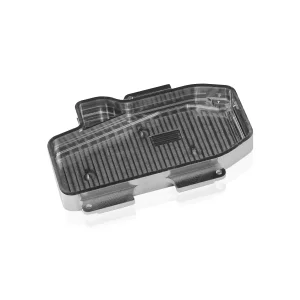
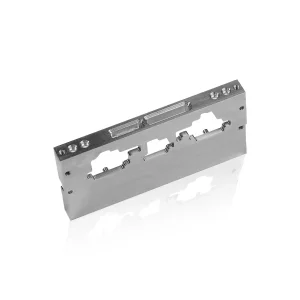
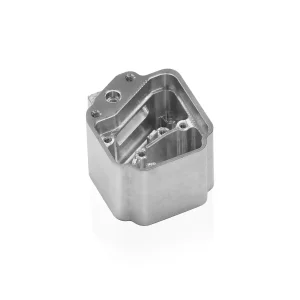
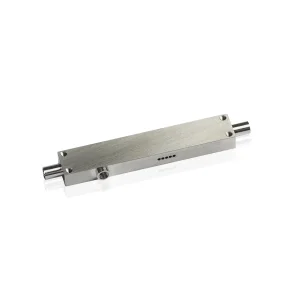
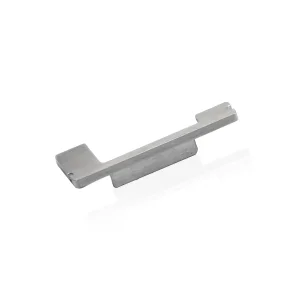
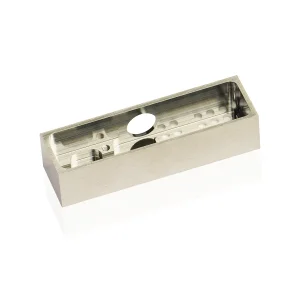
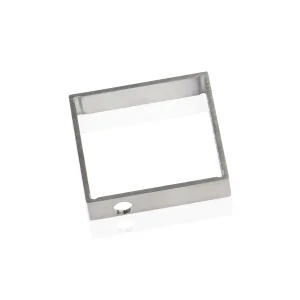
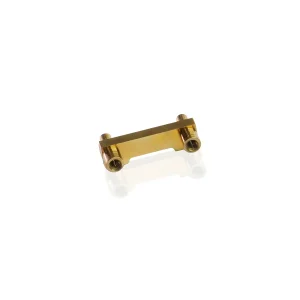
Complete our comprehensive component listing, engineered to withstand intense friction, heat, and structural wear.
 Xinyunyang Precision