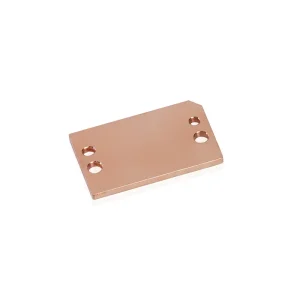
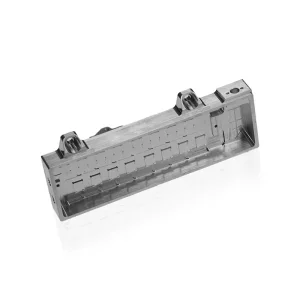
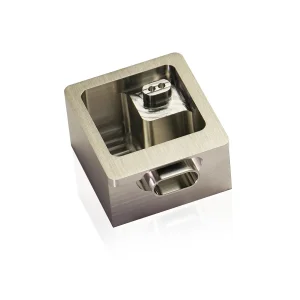
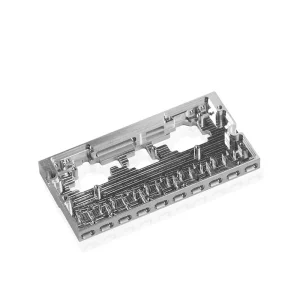
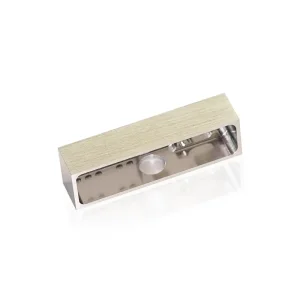
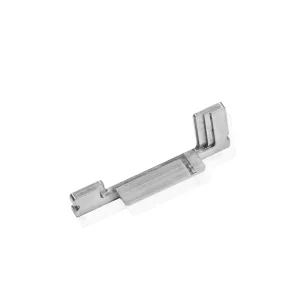
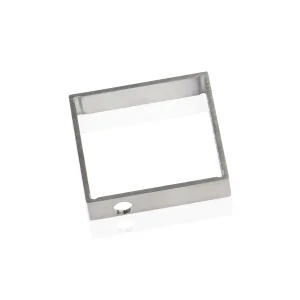
A curated selection of our cutting-edge, high-frequency, and ultra-high reliability products. Precision engineered for critical aerospace, optical communications, and 5G/6G infrastructures demanding thermal matching and strict dimensional tolerances.
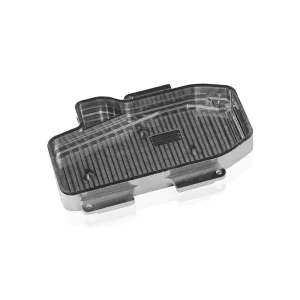
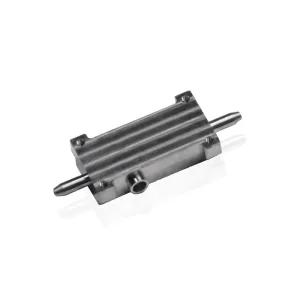
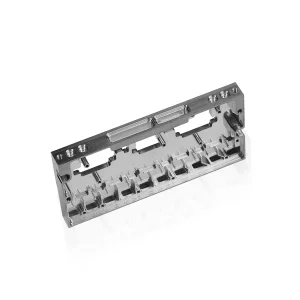
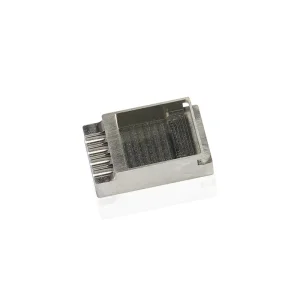
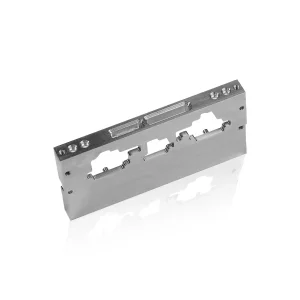
In high-reliability manufacturing, matching the Coefficient of Thermal Expansion (CTE) between metals and brittle materials like glass or ceramics is the primary technical barrier. Kovar (ASTM F15, commercially known in China as 4J29) is a vacuum-melted, Iron-Nickel-Cobalt nominal alloy consisting of approximately 29% Nickel (Ni), 17% Cobalt (Co), and a remaining balance of Iron (Fe).
What distinguishes Kovar from typical low-expansion alloys like Invar (which displays near-zero thermal expansion at room temperature but deviates aggressively as temperatures rise) is its remarkably linear, controlled expansion curve that specifically matches borosilicate glasses (such as Corning 7052, Schott 8250) and alumina ceramics from -80°C up to 450°C. However, in cryogenic engineering—typically operating from -196°C (Liquid Nitrogen, LN2) down to 4K (Liquid Helium, LHe) or millikelvin temperatures required by superconducting quantum circuits—standard Kovar grades face severe structural failure modes due to Martensitic Phase Transformation.
"A non-stabilized Kovar alloy exposed to deep cryogenic cycles undergoes a partial, diffusionless transformation from the FCC austenite phase to a BCC martensite phase. This structural shift induces an irreversible volumetric expansion (~1.5% to 3%), cracking glass-to-metal seals (GTMS) and ruining the hermetic vacuum state of optical packages and cryogenic sensors. Our cryogenic-grade 4J29 undergoes strict chemical trace optimization to depress the Martensitic Start (Ms) temperature far below absolute levels."
To assure structural phase stability under liquid helium temperatures, our proprietary metallurgy controls impurities to an absolute minimum: Carbon (C) ≤ 0.02%, Phosphorus (P) ≤ 0.015%, and Sulfur (S) ≤ 0.015%. Deep sub-zero stabilization heat-treatments at -196°C for a minimum of 4 hours are routinely executed on all rough-machined billets. This guarantees that when you buy our cryogenic Kovar components, the thermal and dimensional stability is absolutely preserved, mitigating any structural transformation risk in long-term critical missions.
Xinyunyang Precision Technology Co., Ltd. is a globally distinguished manufacturer founded in November 2014. From our very inception, our organization has adhered to the core business virtues of Integrity, Innovation, Cooperation, and Sharing.
We focus on Kovar precision processing technology as our absolute core competitiveness. Deeply cultivating advanced fields such as semiconductor packaging, high-frequency optical communications, aerospace instrumentation, medical device components, and new energy/military applications, we are committed to engineering miniaturized, highly customized, and ultra-high reliability hermetic packaging solutions for global customers.
Over a decade of unyielding devotion and close engineering partnership with leading global institutions has enabled Xinyunyang to emerge as a premium, internationally prominent supplier of hermetic package lids, Kovar alloy structural units, and micro-precision components.
 High-precision processing capability
Advanced technology and equipment
Strict quality control
Flexible customized services
High-precision processing capability
Advanced technology and equipment
Strict quality control
Flexible customized services
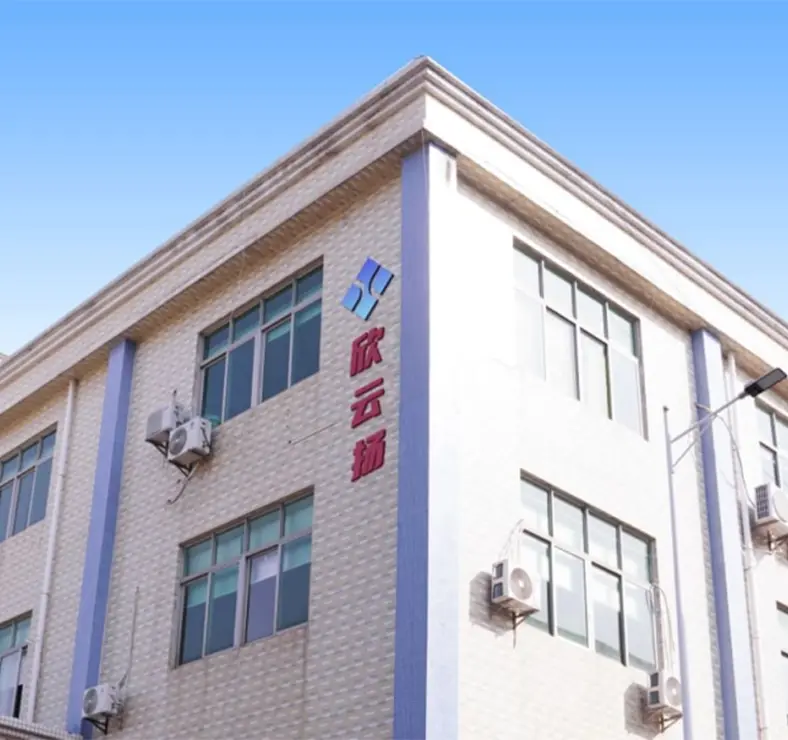
The company maintains a high-caliber professional workforce of over 100 dedicated manufacturing personnel. Impressively, qualified technical and metallurgical design engineers make up more than 30% of the entire workforce, allowing us to interact seamlessly with research institutions and top-tier global procurements.
Xinyunyang's core engineering leadership has been deeply engaged in precision metal and alloy processing for more than ten years. We continue to pioneer new pathways in advanced composite machining of special materials including Kovar (4J29), Invar 36, Titanium alloys, and heavy tungsten, proactively addressing cutting-edge microelectronic and multi-layered packaging needs in 5G/6G, artificial intelligence, quantum computing, and military aerospace applications.
Leveraging an ISO 9001 certified quality management system alongside an in-house developed intelligent digital production scheduling framework, Xinyunyang has successfully optimized lead times and manufacturing workflows. This implementation has achieved a significant 15% to 20% increase in the delivery efficiency of customized precision orders, ensuring we remain a vital global vendor possessing both technical depth and responsive speed.
Precision CNC machining of Kovar alloys presents unique metallurgical challenges. Known as a "sticky" metal due to its high nickel and cobalt concentration, Kovar exhibits intense work-hardening tendencies, fast heat accumulation at the cutting edge, and excessive tool wear. Standard machining processes often introduce significant localized mechanical stress. Without controlled stress-relief, this thermal-mechanical stress compromises the CTE matching properties, culminating in hermetic micro-voids during high-temperature glass-to-metal fusion or low-temperature cryogenic cycling.
At Xinyunyang, we counteract these issues with specialized heat-treatment protocols. Before final ultra-precision CNC finishing, components are subjected to a high-vacuum, hydrogen-decarburized annealing cycle (typically at 850°C to 1000°C). This process relieves localized lattice strains, homogenizes the grain boundaries, and yields a stress-free austenitic structure. The result is a highly dimensional-stable part that maintains critical geometries down to ≤0.005mm even after severe cryogenic shocks.
Additionally, specialized carbide tools with optimized rake angles and custom physical vapor deposition (PVD) coatings are utilized, along with high-pressure flood cooling, preventing micro-burrs and surface roughness variations that could disrupt the adhesion of subsequent gold or nickel plating layers.
For cryogenic applications, electroplating thickness and chemistry are crucial. Standard commercial plating often blisters under sudden thermal cycles. Xinyunyang guarantees strict micro-inch control of High-Phosphorus Electroless Nickel Plating (ASTM B733) or electrolytic Gold Plating (MIL-G-45204). High-phosphorus nickel plating forms an amorphous alloy barrier, ensuring maximum corrosion resistance and excellent solderability without becoming magnetic at absolute zero temperatures—a paramount requirement for super-conducting quantum qubits and magnetically sensitive space sensors.
Cryogenic environments are intensely unforgiving. The slightest mismatch in material expansion leads to immediate vacuum breakdown, signal attenuation, or mechanical rupture. The following high-tech sectors rely heavily on Xinyunyang's custom-engineered Kovar solutions:
Superconducting quantum computing systems operate inside dilution refrigerators at millikelvin levels (~10mK). Our highly-stabilized Kovar packages hold quantum chips securely, ensuring the thermal stress generated between the packaging material, feedthrough pins, and alumina or sapphire micro-substrates does not misalign or fracture critical circuitry.
Satellite focal plane arrays and deep-space infrared sensors operate at cryogenic temperatures to minimize thermal noise. Kovar components provide an exceptionally stable structural base and hermetic container for infrared optical windows. They reliably transition from room temperature during terrestrial preparation to -200°C or colder in deep space orbit.
Scientific equipment, synchrotron radiation facilities, and advanced semiconductor lithography chambers rely on ultra-high vacuum (UHV) systems. Here, cryogenic Kovar assemblies serve as key transition connections. They link internal glass laser sources or high-frequency coax feedthroughs with outer stainless-steel piping networks, ensuring zero helium leaks.
Sourcing advanced materials like stabilized ASTM F15 Kovar can be a logistical and cost challenge for global high-tech companies. By partnering directly with Xinyunyang Precision Technology Co., Ltd. in China, aerospace, medical, and quantum physics customers gain significant structural and financial advantages:
Located in China's premier advanced electronics and precision manufacturing hub, Xinyunyang has direct, rapid access to premium, raw vacuum-melted 4J29 materials. Our partners provide exceptionally pure alloy billets with comprehensive mill test certificates (chemical analysis, mechanical strength, and phase stability reports). This local raw material ecosystem cuts turnaround times significantly, allowing us to produce custom prototypes within days—compared to weeks or months when relying on Western boutique metal houses.
Our facility hosts high-speed 5-axis CNC machining centers, slow-wire electrical discharge machines (EDM), high-vacuum annealing furnaces, and high-precision inspection centers under one roof. By avoiding multi-vendor outsourcing, we maintain complete control over precision and minimize operational costs. We pass these savings directly to our customers, making our components up to 35% more cost-effective than standard European or North American manufacturers.
Geographical and Logistics Integration: Our location features direct connectivity to major shipping ports (Shenzhen and Hong Kong), allowing us to ship highly secured, shock-resistant, vacuum-sealed component orders via air freight or express delivery (DHL, FedEx, UPS) to North America, the UK, Europe, and the APAC region in as little as 3 to 5 business days.
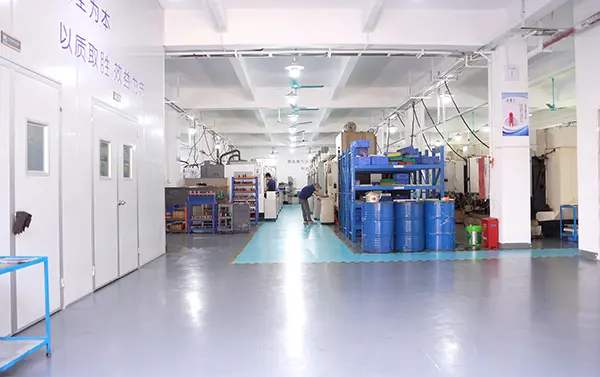
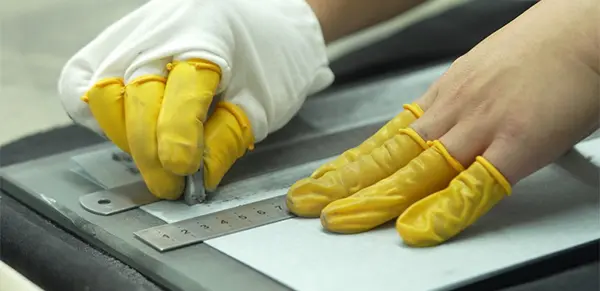
Step inside our precision engineering facility. Our manufacturing plant operates under cleanroom-equivalent and ISO-certified protocols. We utilize the finest Japanese and European machining technology alongside customized sub-zero thermal stabilization setups, ensuring every single component undergoes strict, zero-defect mechanical inspection.
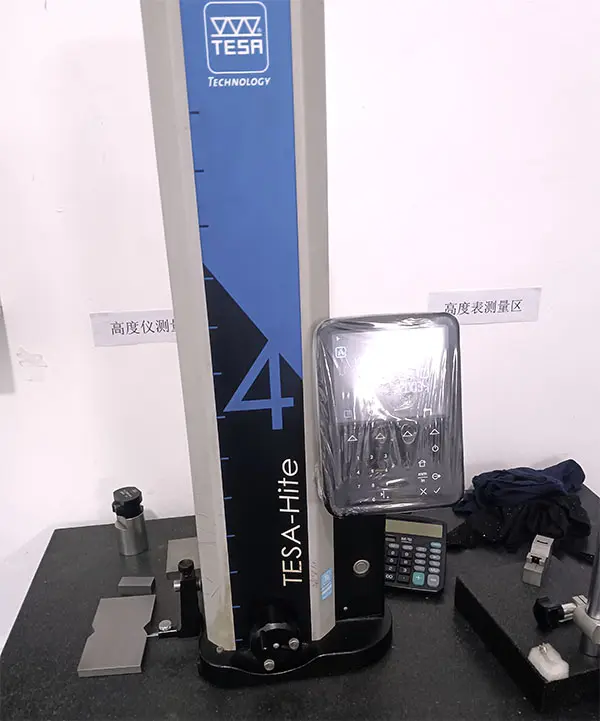
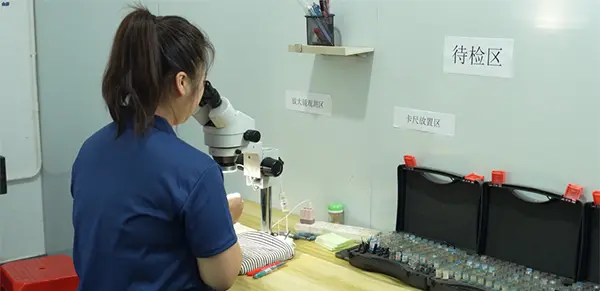
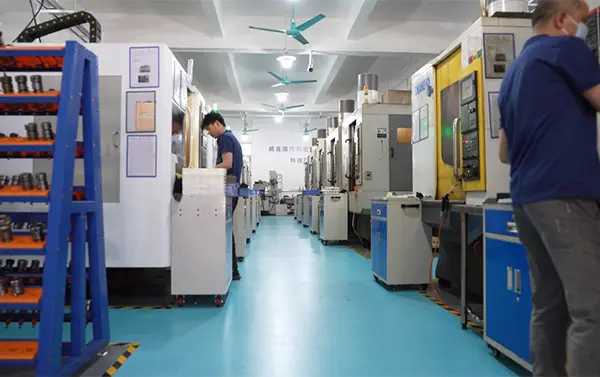
Modern microelectronics require absolute compliance with global environmental regulations. All materials manufactured by Xinyunyang Precision Technology Co., Ltd. are strictly verified and certified to comply with RoHS 3 (Restriction of Hazardous Substances Directive 2011/65/EU and 2015/863) and REACH regulations. We ensure no hazardous substances are introduced during plating, cleaning, or machining operations, preserving safety for green manufacturing requirements.
As the industry marches into the future of 6G satellite networks, autonomous driving radars, high-speed AI computing architectures, and ultra-cold quantum chips, the requirements for hermetic packages are escalating. The industry trend is driving toward ever-smaller, high-density, multi-pin packages. Xinyunyang is actively investing in new research involving the co-firing of 3D-printed Kovar components with customized multi-layered co-fired ceramics (HTCC/LTCC), pushing the envelope of hermetic reliability into the next decade.
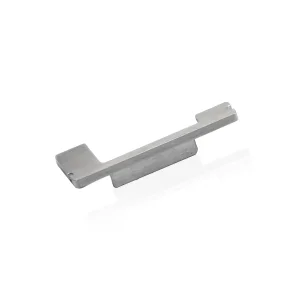
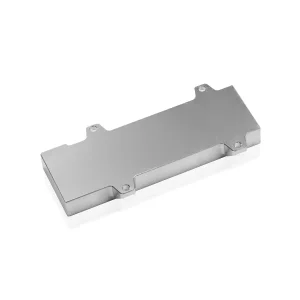
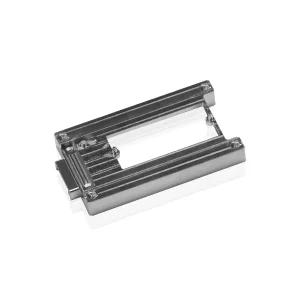
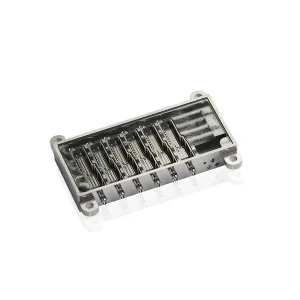
Explore our second product range, showcasing high-grade custom assemblies, multi-pin structural frames, and advanced RF shielding enclosures designed to perform under demanding mechanical, thermal, and electrical conditions.
 Xinyunyang Precision