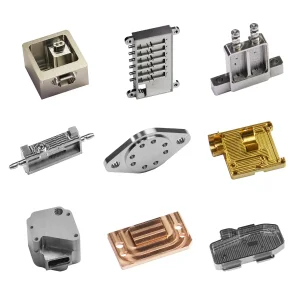
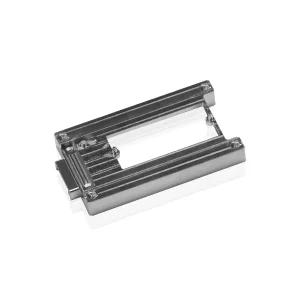
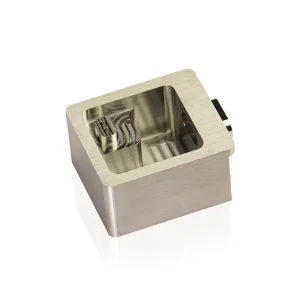
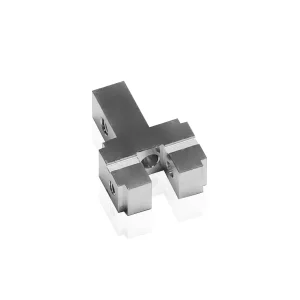
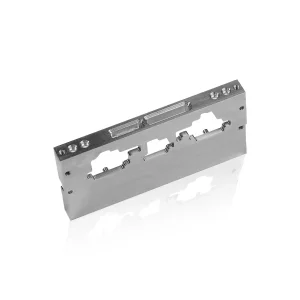
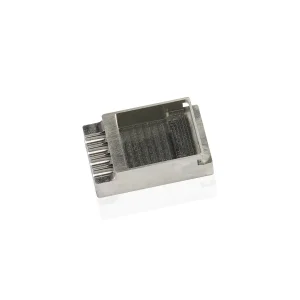
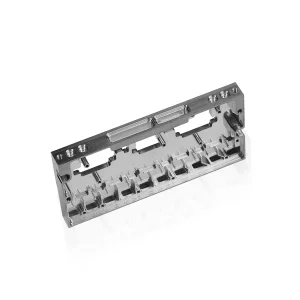
An industry-renowned high-tech powerhouse established in November 2014. Grounded in our foundational principles of Integrity, Innovation, Cooperation, and Sharing, we focus on high-precision Kovar processing technology as our core global competitiveness, serving the semiconductor, aerospace, optical communications, medical, and defense sectors.
In high-reliability engineering, material selection determines operational limits. Kovar alloy (ASTM F15), consisting of 29% Nickel, 17% Cobalt, and the balance Iron, represents the standard for glass-to-metal and ceramic-to-metal sealing. Because its controlled Coefficient of Thermal Expansion (CTE) of approximately 5.1 x 10^-6/°C from 30°C to 400°C precisely matches that of borosilicate glasses and alumina ceramics, Kovar is crucial for preventing stress fractures during thermal cycles.
As aerospace, 5G communications, artificial intelligence, and semiconductor fabrication advance, the demand for precision-machined Kovar components has reached historic highs. However, Kovar's tough, gummy nature and work-hardening tendencies make machining a challenge. Industrial buyers face high raw material costs and volatile production windows, requiring a lean-manufacturing paradigm: Just-In-Time (JIT) Manufacturing.
Globally, the supply chain for advanced hermetic packaging is centralizing. Modern electronic systems—from microwave modules in fighter jets to deep-subsea optical repeaters—depend on micro-machined Kovar feedthroughs, pins, and lids. JIT manufacturing of Kovar parts bridges the gap between raw metallurgy and mission-critical deployment, ensuring high-tolerance parts are fabricated and shipped exactly when they are required in assembly lines.
Executing a JIT workflow with high-nickel alloys like Kovar requires rigorous control. Standard materials like aluminum or brass are easily machinable and readily sourced. In contrast, Kovar requires specialized heat treatments (decarburization and pre-oxidation) to form a stable intermetallic oxide bond with glass.
Xinyunyang's JIT manufacturing framework is engineered to eliminate three key wastes in special alloy supply chains:
Our operation features a skilled group of more than 100 professionals, where technical R&D engineers make up 30% of the entire team, continuously advancing sealing performance limits.
Core engineering specialists bring over 10 years of experience in high-performance metallurgy, pioneering specialized machining techniques for complex alloys like Kovar and Titanium.
Utilizing an ISO 9001 certified quality framework and an automated scheduling platform, we boost delivery speeds by 15% to 20% for standard and customized orders.
Because Kovar parts maintain stable seals across temperatures from cryogenic ranges up to hundreds of degrees Celsius, they are utilized across a wide variety of key fields:
In modern semiconductor fabs and power-dense computing nodes, heat dissipation and hermetic protection are critical. As microchips shrink and operating currents increase, mismatching thermal expansion leads to micro-cracking at the solder junctions. High-precision Kovar baseplates, carrier lids, and lead frames from Xinyunyang provide a stable platform for high-power laser diodes, RF packages, and power transistors.
In space-flight applications, components face high vacuums, intense cosmic radiation, and temperature swings. Traditional housings fail because internal air pressure leaks through microscopic seal defects. Using ultra-precise dry machining processes, Xinyunyang produces high-vacuum-resistant Kovar housings, sensor bodies, and D-sub connector shells that withstand severe vibrations and preserve high levels of vacuum integrity.
Critical medical implants like pacemakers, defibrillators, and neurostimulators require decades of reliable operation inside the human body. Moisture ingress must be prevented. Kovar's compatibility with glass-to-metal and ceramic-to-metal sealing enables the creation of small, biocompatible feedthroughs that ensure electronic signals pass through the hermetic barrier without leakage.
Fiber optic networks rely on Transmitter Optical Subassemblies (TOSA) and Receiver Optical Subassemblies (ROSA). Laser alignment demands sub-micron stability. Even a minor shift in material expansion can misalign optical elements, leading to signal attenuation. Custom Kovar housings keep components in alignment, preserving clear high-bandwidth signals in transceivers and repeaters.
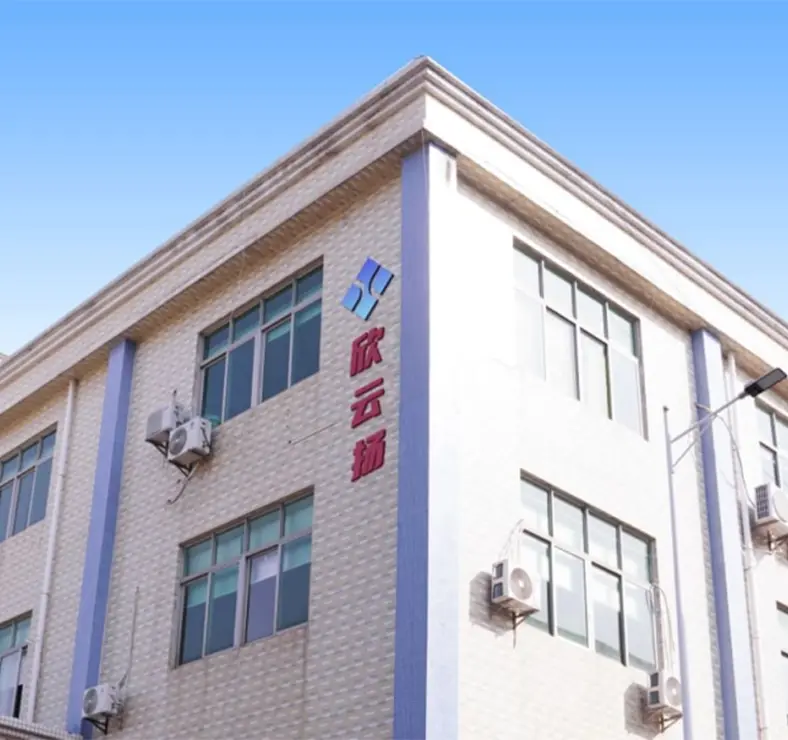
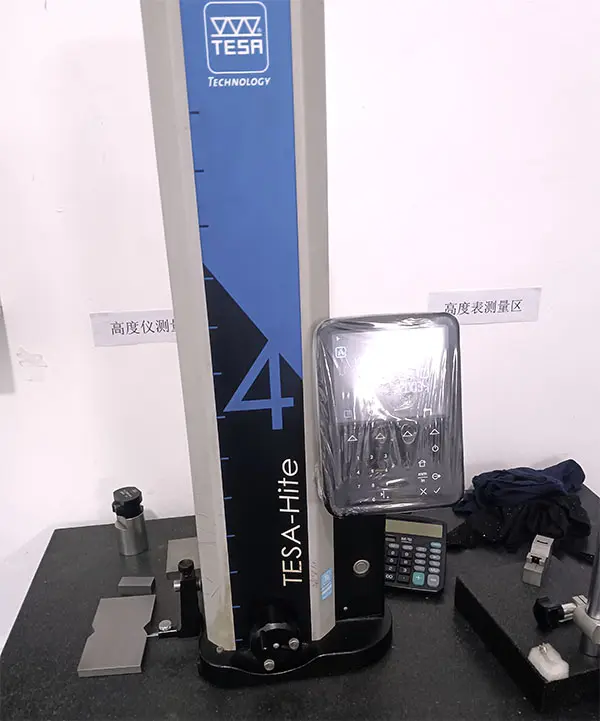
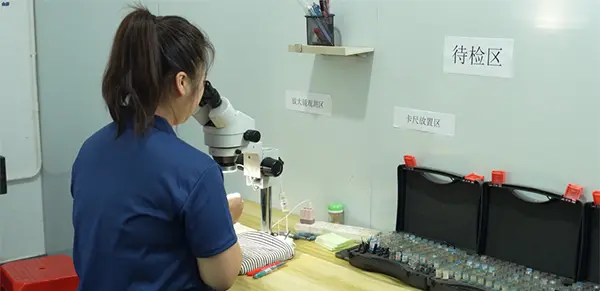
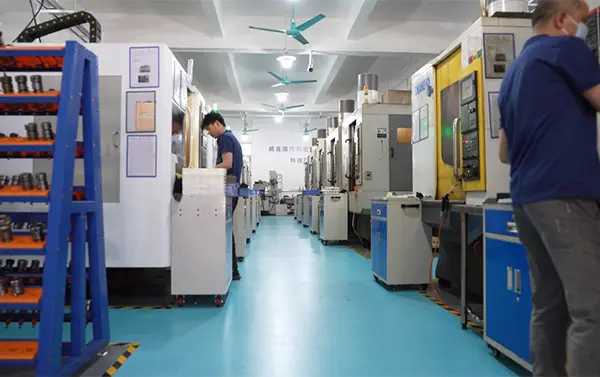
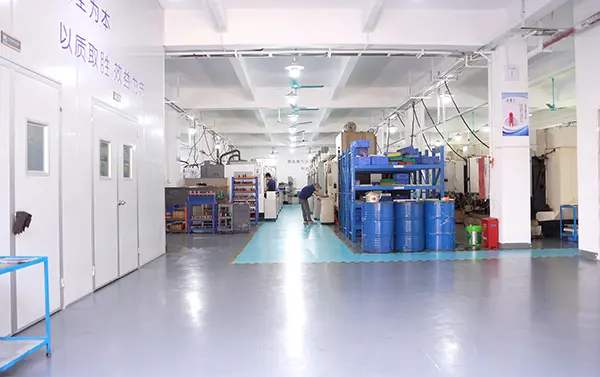
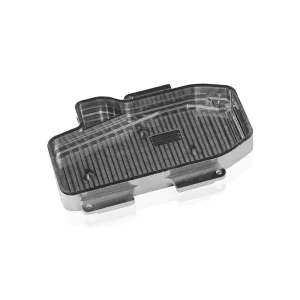
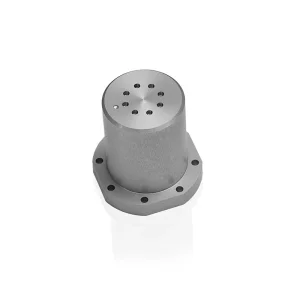
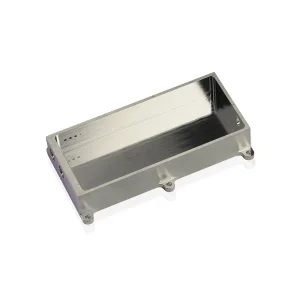
The production of high-precision Kovar components requires advanced facility control, state-of-the-art multi-axis CNC machines, and strict quality control protocols. Below is a look inside our specialized production facilities:
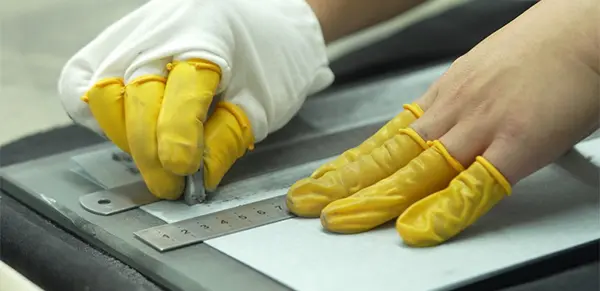
At the sub-micron scale, materials engineering dictates performance boundaries. Machining Kovar presents distinct material challenges. Because Kovar is tough and tends to work-harden rapidly, typical machining processes can cause micro-tearing and residual stress, which may distort the material's thermal expansion properties.
In ultra-high vacuum (UHV) systems, the presence of organic residues from machining oils can compromise sealing performance. Standard liquid coolants can get trapped inside microscopic surface pores, leading to outgassing under deep-space or semiconductor-chamber vacuums.
To address this, Xinyunyang's engineering team developed an advanced dry-machining process. By optimizing cutting speeds, rake angles, and using specialized solid carbide tool coatings, we achieve a surface roughness of Ra < 0.3μm without the use of liquid lubricants. This provides clean, residue-free parts that are ready for immediate integration into salt spray resistant D-sub contacts and high-vacuum feedthroughs.
As communication architectures transition from 5G to 6G, and high-performance computing centers scale up, packaging requirements are shifting. Xinyunyang is actively investing in composite processing technologies that blend Kovar with other high-performance materials, such as Titanium alloys and gold-plated structural alloys. Our technology roadmap focuses on:
Kovar is an iron-nickel-cobalt alloy whose coefficient of thermal expansion (CTE) matches that of borosilicate glass (approx. 5.1 x 10^-6/°C) from room temperature up to 400°C. This matching ensures the seal experiences minimal stress during cooling, preventing mechanical failure across typical operating temperatures.
Our Just-in-Time (JIT) manufacturing model utilizes Kanban scheduling and material pre-staging. This allows us to start production quickly, reducing lead times by 15% to 20% compared to traditional models, minimizing raw material waste, and allowing customers to maintain leaner inventories.
By optimizing tool geometries and using high-grade carbide tooling, we can consistently achieve a surface roughness of Ra < 0.3μm without liquid coolants. This helps avoid organic contamination, making the parts suitable for ultra-high vacuum applications.
Yes. Kovar typically undergoes decarburization to prevent gas bubbles in the glass seal, followed by controlled pre-oxidation to form an ideal oxide bonding layer. To improve solderability or corrosion resistance, parts are often plated with gold, nickel, or copper depending on application requirements.
We operate under an ISO 9001 certified quality management system. Every production run undergoes detailed dimensional and material verification using advanced coordinate measuring machines (CMM) and material inspection tools, ensuring complete batch traceability.
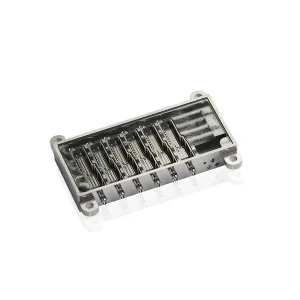
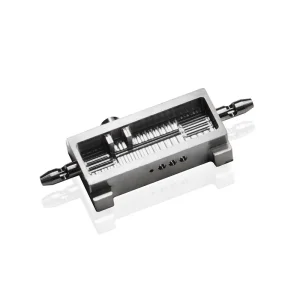
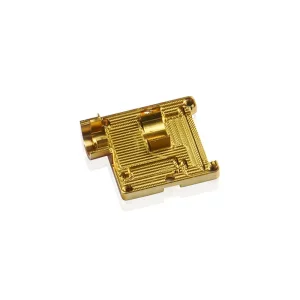
 Xinyunyang Precision