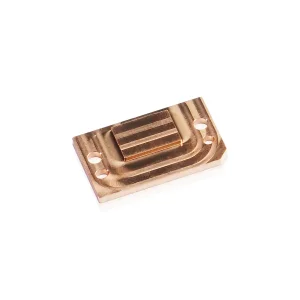
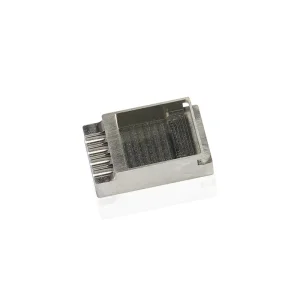
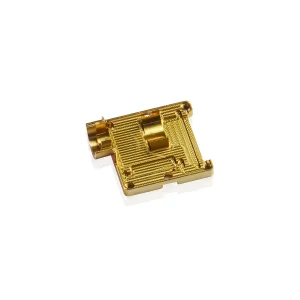
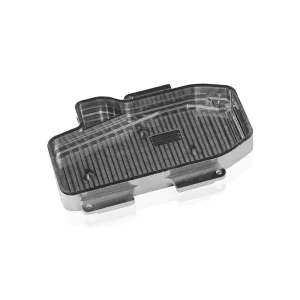
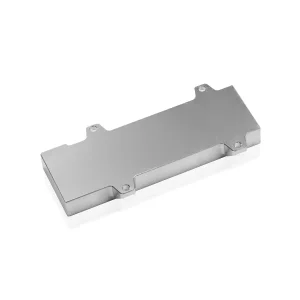
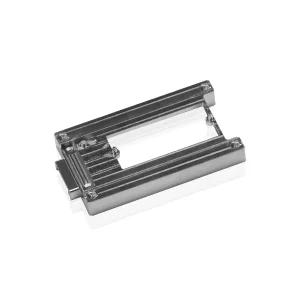
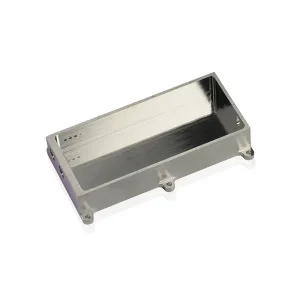
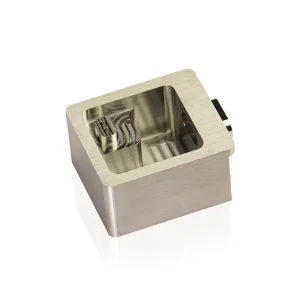
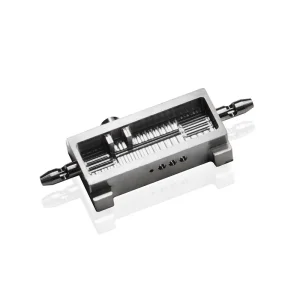
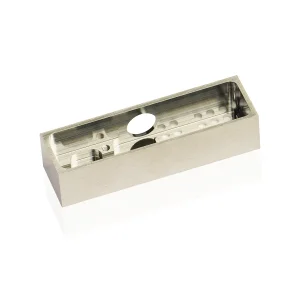
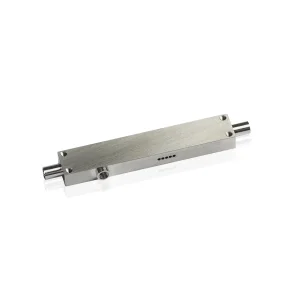
Explore our top-tier Kovar alloy components, hermetic seals, and precision CNC machined parts designed for harsh industrial environments.
When sourcing components for high-reliability microelectronics, aerospace systems, or optical communications, understanding the physical properties of your materials is paramount. Kovar (ASTM F15 / 4J29 alloy) is uniquely engineered to match the coefficient of thermal expansion (CTE) of borosilicate glasses and alumina ceramics. However, its thermal and electrical conductivity values are equally critical parameters that dictate the performance, thermal management, and signal integrity of hermetic packages.
Kovar is a nominal 29% Nickel, 17% Cobalt, and 54% Iron alloy. Its primary claim to fame is its controlled thermal expansion, but engineers must carefully balance this with its relatively low thermal and electrical conductivity compared to pure copper or aluminum. In high-frequency RF applications (such as 5G communication modules) or high-power semiconductor packaging, these conductivity values directly influence heat dissipation strategies and insertion losses.
"Selecting the right Kovar supplier requires more than verifying chemical composition. It demands a deep understanding of how thermal conductivity changes with temperature and how electrical resistivity impacts high-frequency signal propagation."
The thermal conductivity of Kovar is approximately 17.3 W/(m·K) at 30°C. As temperature rises, the thermal conductivity increases, reaching about 22.0 W/(m·K) at 400°C. While this is significantly lower than copper (~400 W/(m·K)), it is highly stable and sufficient for protecting sensitive internal electronics when paired with appropriate heat sinks or copper-cored designs.
Kovar exhibits an electrical resistivity of approximately 0.49 µΩ·m (or 49 microhm-cm) at room temperature, which translates to an electrical conductivity of about 3% IACS (International Annealed Copper Standard). In RF and microwave applications operating at frequencies up to 40GHz, this low conductivity can lead to increased skin-effect losses. To mitigate this, high-end factories apply precise gold or nickel plating to Kovar housings, combining Kovar's structural and expansion benefits with the superior surface conductivity of precious metals.
How modern industries leverage Kovar's physical properties to solve complex engineering challenges in harsh environments.
With the rollout of 5G and AI infrastructure, demand for high-reliability Kovar enclosures has surged. Our 5G Kovar alloy shells feature a CTE of 4.7±0.2×10⁻⁶/℃ and achieve an insertion loss of <0.26dB at 40GHz, ensuring flawless high-frequency signal transmission.
Military-grade RG connectors and aerospace sensors require hermetic seals that can withstand extreme thermal cycling. By sourcing ESG-validated, conflict-free 4J29 Kovar, defense contractors guarantee long-term reliability and compliance with international standards.
Implantable medical devices and new energy battery management systems rely on Kovar's glass-to-metal sealing capabilities to protect sensitive electronics from moisture and biological fluids, ensuring decades of maintenance-free operation.
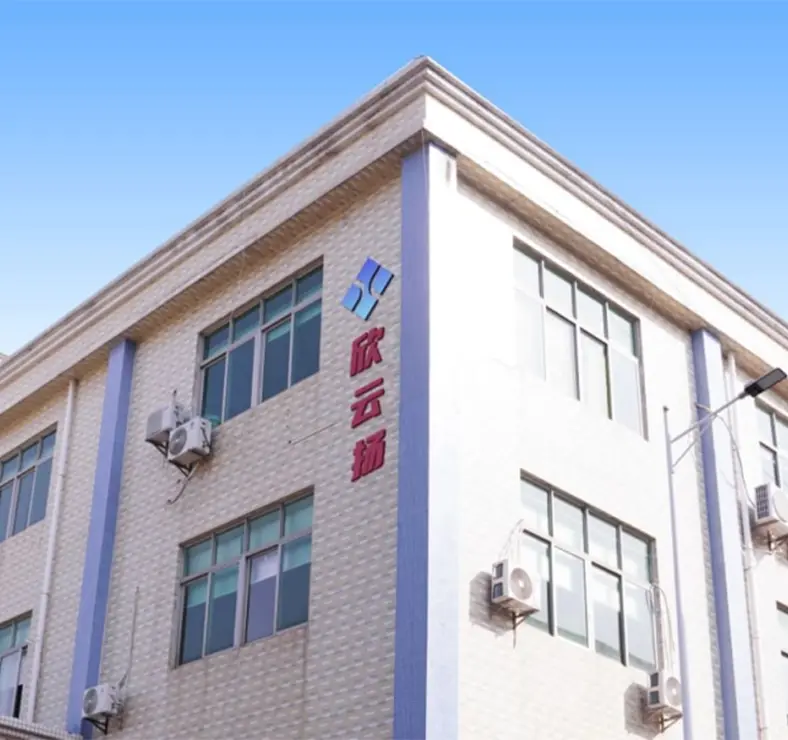
Founded in November 2014, Xinyunyang Precision Technology Co., Ltd. has adhered to its initial intention of industry, sticking to the business principles of Integrity, Innovation, Cooperation, and Sharing. The company focuses on Kovar precision processing technology as its core competitiveness, deeply cultivating the fields of semiconductors, optical communications, aerospace, medical devices, and new energy/military industries.
We are committed to providing miniaturized, customized, and high-reliability metal packaging solutions to global customers. Our goal is to become a significant hermetic package lids, Kovar alloy components, and precision parts supplier in China and worldwide after years of continuous effort, with the support of our partners and customers.
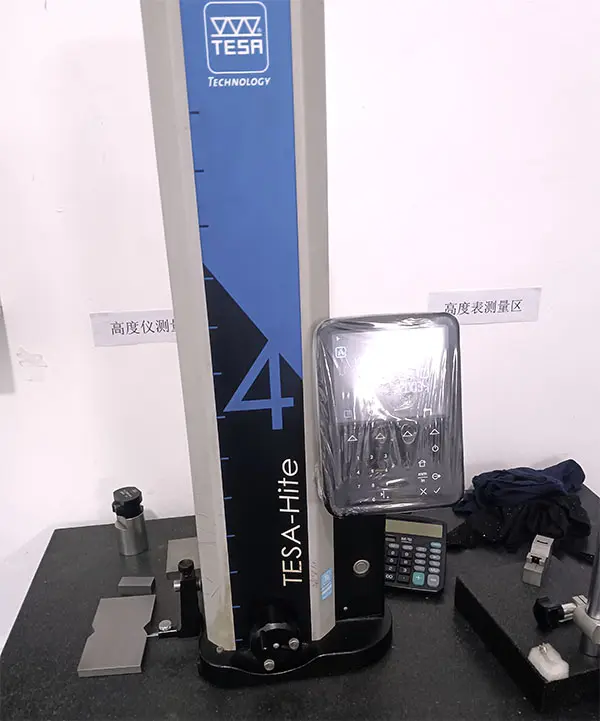
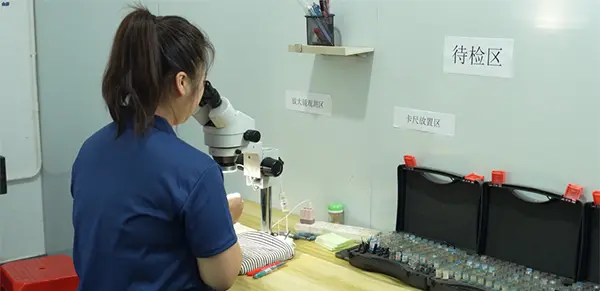
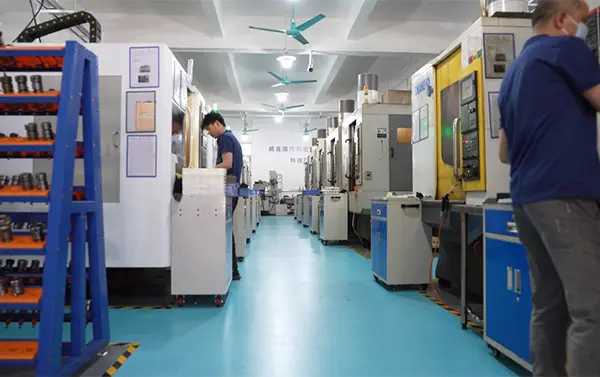
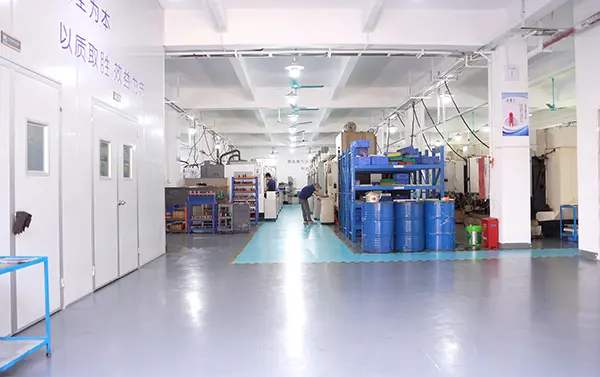
 High-precision processing capability reaching micron-level tolerances. Advanced CNC technology, multi-axis machining, and state-of-the-art testing equipment. Strict quality control systems certified under ISO 9001 standards. Flexible customized services tailored to unique engineering blueprints and material specs.
Take a virtual tour inside our state-of-the-art manufacturing facility, where high-precision Kovar components are engineered to perfection.
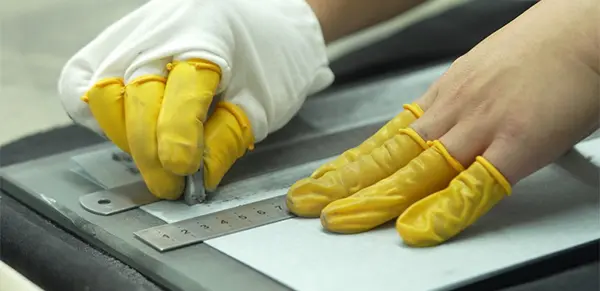
As microelectronics continue to shrink and operate at higher power densities, the demands on Kovar packaging are shifting. Our technical roadmap focuses on three primary pillars to ensure we remain the premier global supplier of Kovar alloy solutions:
Environmental compliance is no longer optional. Xinyunyang is actively pioneering green manufacturing options for 4J29 Kovar. By optimizing raw material utilization, implementing closed-loop recycling for scrap metal, and ensuring conflict-free, RoHS-compliant sourcing, we provide sustainable solutions that align with global ESG mandates.
To overcome Kovar's inherent limitations in electrical conductivity, we are investing heavily in advanced electroplating technologies. Our proprietary gold and nickel plating processes ensure uniform thickness even inside complex, deep-cavity CNC machined housings, minimizing insertion losses for next-generation 6G and satellite communication systems.
Modern optical transceivers and quantum computing modules require dimensional tolerances measured in single-digit microns. By upgrading our CNC centers and utilizing custom alloy steel tooling fixtures, we consistently deliver complex geometries with zero structural defects, ensuring perfect hermeticity when sealed with glass or ceramic lids.
Get expert answers to the most common technical and commercial questions regarding Kovar conductivity values and sourcing.
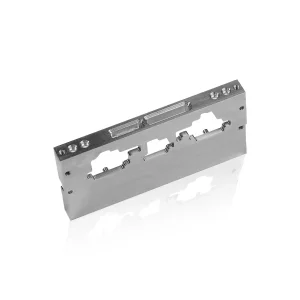
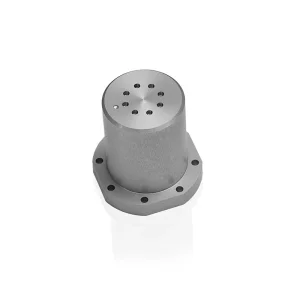
From ultra-precision tooling to multi-channel rotary joints, discover how our manufacturing capabilities support global industrial automation.
 Xinyunyang Precision