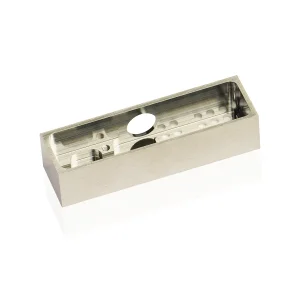
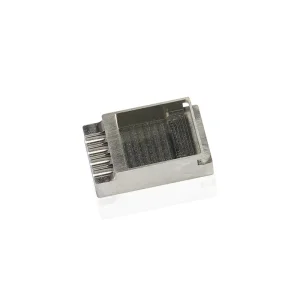
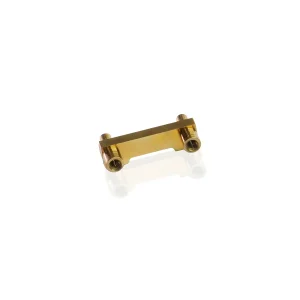
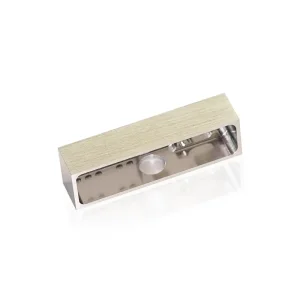
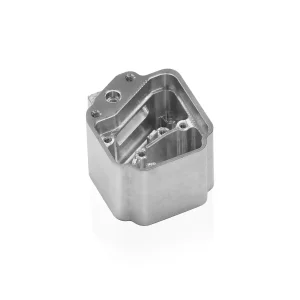
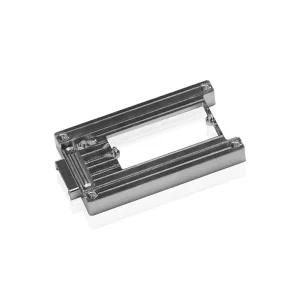
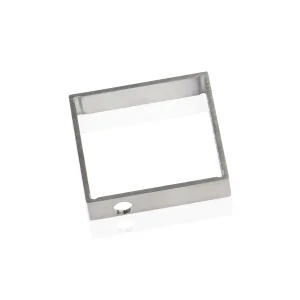
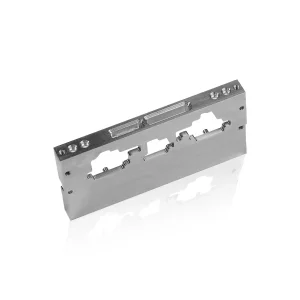
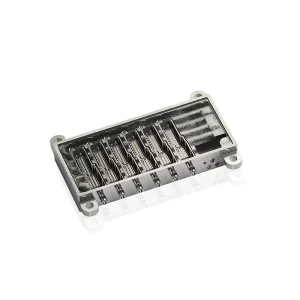
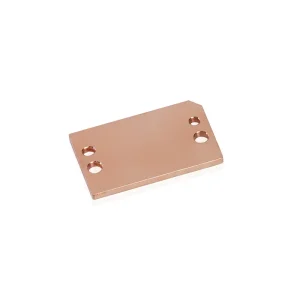
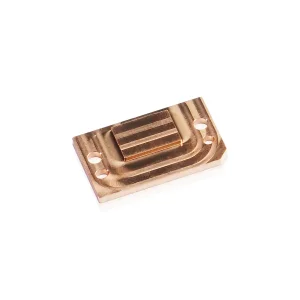
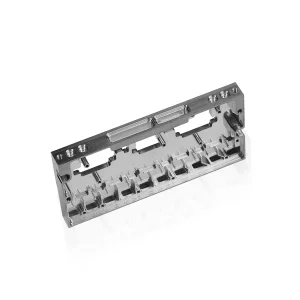
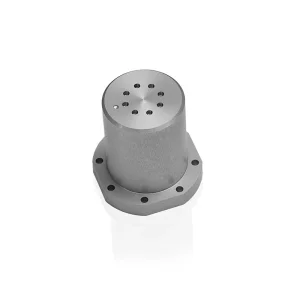
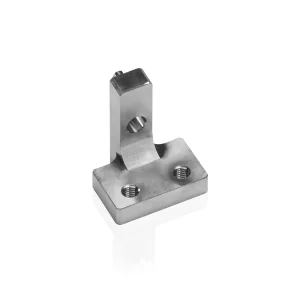
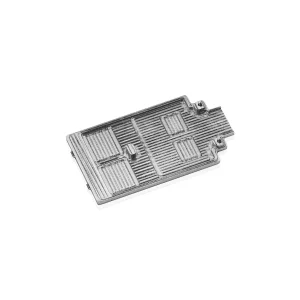
Explore our state-of-the-art CNC machined special metal housings, precision tooling fixtures, and Kovar alloy packaging systems designed for harsh environments.
In high-density electronic encapsulation, micro-cracks and seal fatigue caused by thermal expansion mismatches are the leading causes of critical failures. Kovar alloy (an iron-nickel-cobalt chemical formulation regulated by ASTM F15) is uniquely designed to counter these effects. Undergoing extreme temperature swings, ordinary metals expand and contract rapidly, fracturing fragile borosilicate glass or alumina ceramic substrates. Kovar provides a precise, controlled coefficient of thermal expansion (CTE) that aligns exactly with these glass and ceramic materials, maintaining absolute hermetic sealing from cryogenic zones up to over 400°C.
Strict controls prevent Kovar from transitioning to a low-temperature martensitic phase down to -196°C, averting sudden volume expansion that triggers seal breaches.
By forming a highly structured, dense cobalt-nickel-iron spinel oxide scale, our Kovar alloys bond seamlessly with molten glass to create chemical hermetic adhesion.
Tested through thousands of liquid-nitrogen to boiling-oil thermal shock rounds, demonstrating zero micro-crack generation or vacuum loss.
Supply chain resilience, rigorous metallurgical certification, and exact machining tolerances are paramount for international OEM procurement divisions. Purchasing high-reliability Kovar alloy components is not merely a transaction; it is a critical step in preserving the performance integrity of multi-million dollar systems.
Whether sourcing raw 4J29 Kovar rods, pre-machined headers, or high-density glass-to-metal (GTMS) connector arrays, global supply chain directors look for key technological parameters:
Under cyclic thermal environments, standard metals such as copper, stainless steel, and aluminum undergo rapid deformation. When joined directly to ceramics or glass, the resulting differential expansion induces devastating tensile stress. By strategic deployment of Kovar components in critical pathways, we establish a robust structural transition zone.
| Material Type | CTE (x10^-6/K, 30°C-400°C) | Thermal Shock Resistance | Vacuum Hermeticity Suitability | Primary Industrial Use Case |
|---|---|---|---|---|
| Kovar Alloy (4J29 / ASTM F15) | 4.6 - 5.2 | Excellent (Minimal hysteresis) | Highest (Forms dense chemical oxide bond) | Optoelectronic modules, deep-space transceivers, defense electronics |
| 304 Stainless Steel | 16.0 - 18.0 | Moderate (Triggers glass shear fracture) | Poor when directly bonded to glass | Structural framing, general industrial packaging |
| Alumina Ceramic (96% Al2O3) | 6.8 - 7.5 | High (Brittle to mechanical tension) | Requires metalized transition layers | Insulating substrates, semiconductor wafers |
| Borosilicate Glass (Pyrex type) | 3.2 - 4.0 | Low (Highly susceptible to thermal shock) | High (Requires close matched-CTE companion metal) | Hermetic vacuum viewports, optical windows |
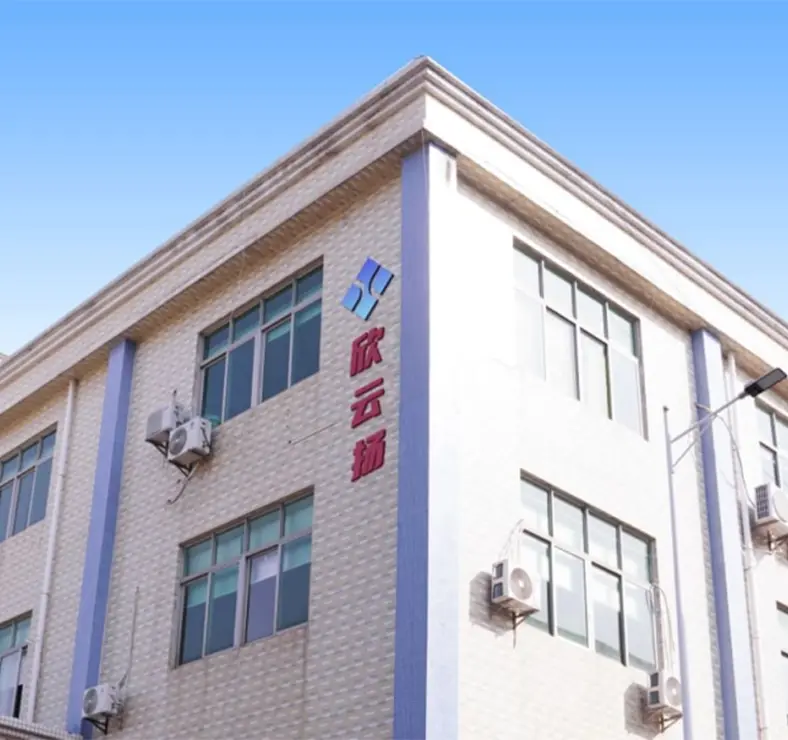
Established in November 2014, Xinyunyang Precision Technology has positioned Kovar precision processing and special metallurgical component fabrication at the absolute core of its global competitiveness. Sticking to our foundational tenets of Integrity, Innovation, Cooperation, and Sharing, we deliver customized, highly reliable packaging architectures to strategic high-tech niches worldwide.
Leveraging dynamic positioning centers to machine sophisticated geometry configurations in low-machinability superalloys like Kovar and Titanium.
Equipped with high-performance multi-axis machining facilities capable of producing thin-walled, hermetic cavity designs with tight positional limits.
100% helium leak test protocols, coordinate measurement inspections, and rigorous metallurgical audits ensure defect-free production runs.
As telecommunication architectures scale toward Terabit bandwidths and deep space sensors descend into cryogenic gas environments, packaging performance requirements continue to tighten. Traditional hermetic formats are giving way to high-density, multi-material integration setups.
Modern AI hardware accelerators and multi-channel high-frequency transceivers generate large amounts of thermal energy. Standard packages fail due to rapid thermal fatigue. Next-generation Kovar housings feature integrated, high-thermal-conductivity copper or diamond-composite heat spreaders. This creates localized heat dissipation zones without losing matched-CTE hermetic sealing at the package boundary.
Global environmental guidelines call for clean, green material manufacturing. Transitioning to advanced green manufacturing protocols for 4J29 Kovar alloys involves eliminating hazardous auxiliary substances, reducing energy consumption during extensive vacuum melting processes, and utilizing clean recycling methods for scrap metal offcuts.
For quantum computing chambers, optical cryogenic sensors, and advanced space telescopes, Kovar alloys must function down to 4 Kelvin (-269°C). Standard Kovar can undergo a destabilizing martensitic transformation under these cold conditions. Our customized heat treatment routes lock Kovar's FCC crystal structure, ensuring reliable structural properties and dimensional stability down to cryogenic levels.
Modern complex designs call for specialized manufacturing strategies. Working directly with engineers during initial product design helps optimize Kovar components for efficient CNC toolpaths. This reduces manufacturing waste, shortens lead times, and maintains accurate dimension control across high-volume production runs.
A visual tour inside our advanced machining workshops, thermal processing facilities, and quality inspection cleanrooms.
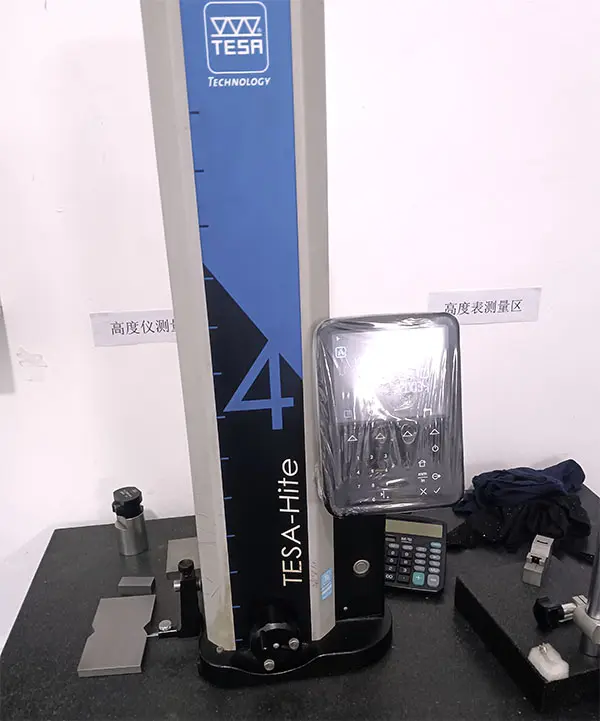
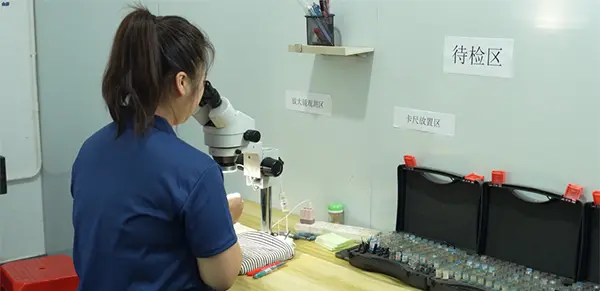
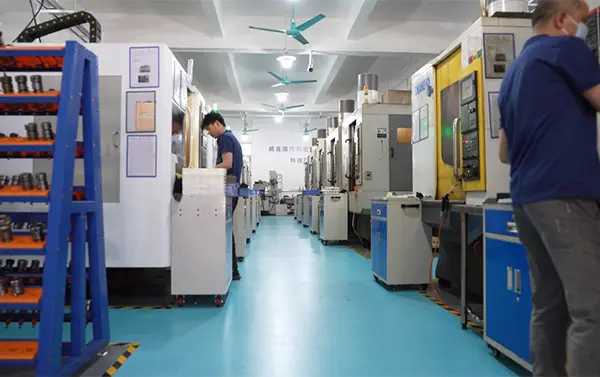
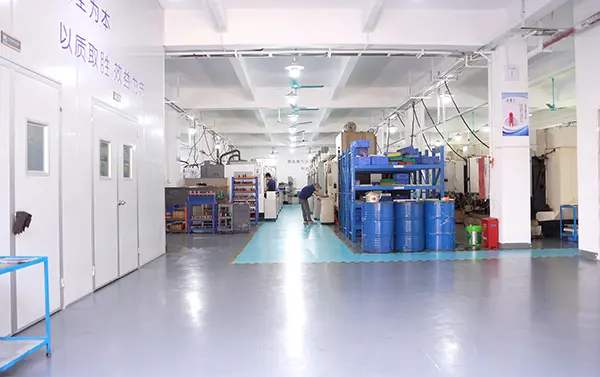
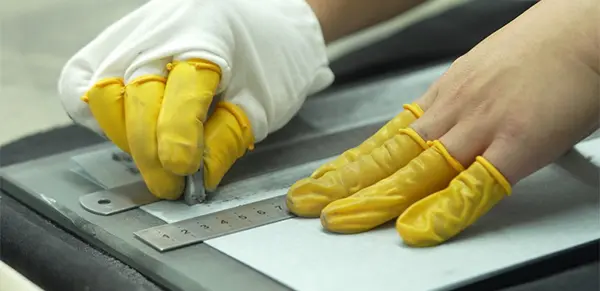
High-performance component supply chains require solid, comprehensive compliance frameworks. We implement strict quality control systems at every stage of Kovar processing to meet the high standards of global defense, medical, and aerospace manufacturers.
Every batch of Kovar alloy products is certified free of prohibited substances, satisfying environmental directives for seamless global distribution.
Every shipment is accompanied by complete mill reports, vacuum heat treatment certifications, and detailed mechanical test data.
Fast, reliable international delivery networks coupled with engineering support to assist with structural design questions, CTE matching calculations, and plating specifications.
Find deep technical explanations addressing key procurement and engineering inquiries regarding Kovar alloys and thermal cycling resistance.
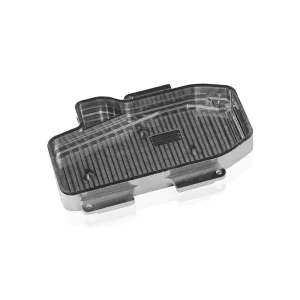
High-reliability CNC components, copper heat sinks, and communication housing systems built for global industries.
 Xinyunyang Precision