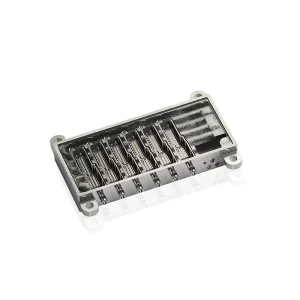
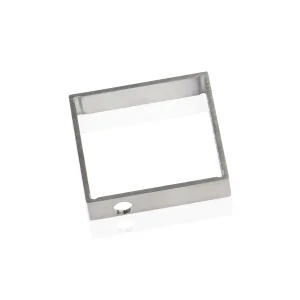
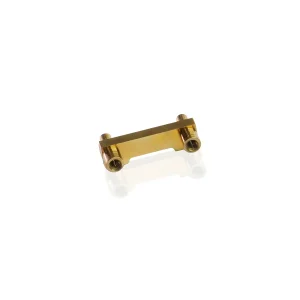
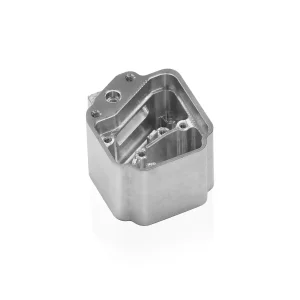
Engineered options engineered to meet complex Harmonized Tariff Schedule guidelines, ensuring duty reduction and supply chain resilience.
In the modern era of industrial protectionism, international trade policies such as U.S. Section 301 tariffs, the European Union's Carbon Border Adjustment Mechanism (CBAM), and regional counter-tariffs have forced global procurement directors to re-evaluate their strategic supplier portfolios. Navigating this labyrinth requires more than simple geographic relocation; it demands the implementation of engineering-driven Tariff Exemption Strategies.
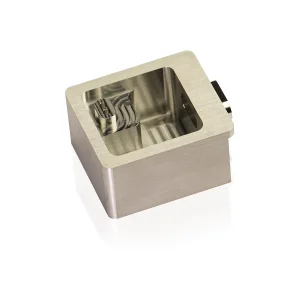
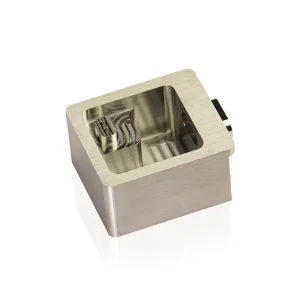
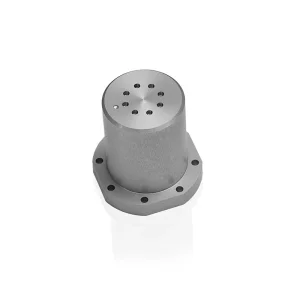
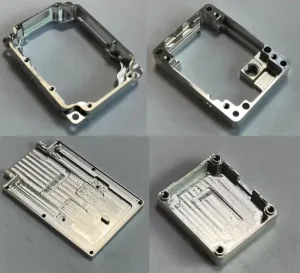
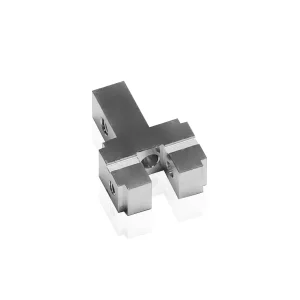
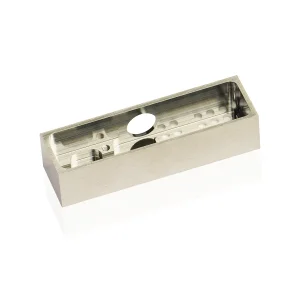
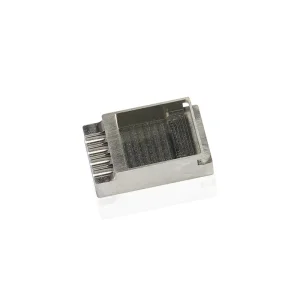
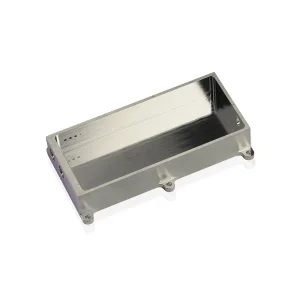
For advanced components such as Kovar hermetic packages, CNC high-precision housings, and ceramic-to-metal sealing assemblies, raw tariffs can exceed 25% if classified under generic raw metal schedules. Intelligent procurement recognizes that custom component transformation—wherein materials undergo major substantial transformations via complex CNC machining and precision sealing processes—allows for strategic reassignment under duty-advantageous HTS codes.
Utilizing high-purity Kovar (ASTM F15) alloy with controlled glass-to-metal coefficient thermal expansion matching. This level of base alloy specificity places parts under highly targeted customs headings, lowering the tariff exposure.
Guaranteeing complete ESG compliance, Conflict-Free 4J29 Kovar certifications, and RoHS/REACH compliance. This compliance eliminates non-tariff barriers, guaranteeing smooth customs clearance at major international ports.
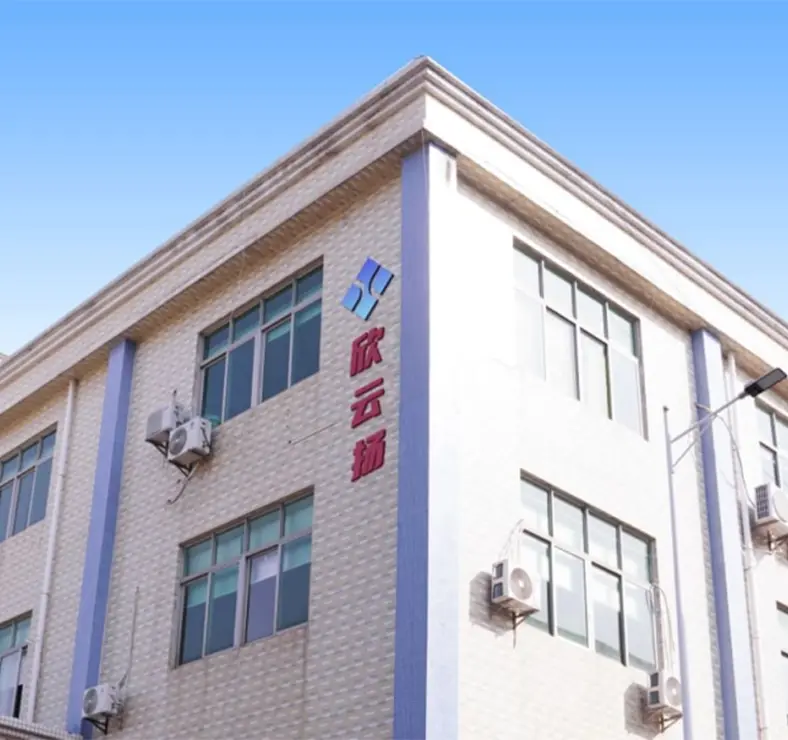
Founded in November 2014, Xinyunyang Precision Technology Co., Ltd. has established its core competitiveness at the intersection of material science and high-precision CNC manufacturing. Our business operates on the foundational principles of Integrity, Innovation, Cooperation, and Sharing.
By focusing on Kovar precision processing technology as our technical axis, we deeply service high-demand fields such as semiconductor assembly, optical communications, aerospace structures, high-end medical devices, and defense/military-grade new energy packaging. We specialize in providing highly customized, miniaturized, and exceptionally reliable metal packaging and seal solutions to global customers seeking premium product architectures that withstand international customs inspection protocols.
Through years of relentless continuous research, optimization of tooling, and deep partnerships with leading metallurgical research institutes, our goal is to solidify our presence as a premier, critical supplier of hermetic package lids, Kovar alloy components, and precision CNC parts in China and worldwide.
How Xinyunyang's advanced manufacturing infrastructure counters global duty increases with unprecedented industrial efficiency.
China's unique industrial clusters group raw metal processing, surface treatment, precision vacuum brazing, and CNC finishing within a tight geographic radius. This structural synergy reduces material handling time by up to 40% compared to fragmented western supply chains.
By utilizing high-speed machining centers paired with smart scheduling systems, we minimize setup times and tooling shifts. Standard raw stock is converted into finished parts in a single setup, resulting in immense cost-efficiency gains.
Specialized alloys like Kovar (4J29) are expensive and difficult to machine. Our proprietary tool-path algorithms and decade-long experienced machinist pool ensure a low rejection rate (less than 0.2%), preventing material waste and stabilizing prices.
When global tariffs place an extra 15% to 25% cost burden on imported metals, sourcing from a hyper-efficient Chinese manufacturer offsets this differential entirely. Xinyunyang's advanced supply chain integration means our unit manufacturing cost is structurally lower than Western counterparts, neutralizing the economic impact of custom duties.
Engineered infrastructure that transforms regulatory tariff pressure into distinct market advantages.
The company maintains a professional, highly trained workforce of more than 100 people, where advanced technical engineers constitute over 30% of our core human resources.
Our core technical team members have been deeply engaged in precision metal processing for over ten years, continuing to pioneer复合processing methods for special materials such as Kovar, Invar, titanium, and copper-tungsten. We actively prepare for future 5G, AI hardware, and new energy packaging requirements.
Utilizing our ISO 9001 certified quality management systems and advanced dynamic scheduling databases, Xinyunyang has successfully increased overall production and delivery efficiency by 15%-20%, establishing ourselves as a core global partner.
When exporting high-precision microelectronic packages to Europe, North America, or Japan, understanding localized customs regulations is paramount. Strategic manufacturers analyze the final function of the assembly to ensure it qualifies for duty exemption or mitigation lists.
By shipping components as "Fully Assembled Hermetic Lids and Cavities" (HTS Code 8547.90) rather than *unworked metal components*, importers can bypass standard Section 301 metal tariffs, utilizing key regulatory exemptions aimed at essential electronics manufacturing materials.
The European Carbon Border Adjustment Mechanism targets carbon-intensive base metal imports. Because our production features ultra-precise machining with green energy resources, and fully documented Conflict-Free 4J29 Kovar, your imports face zero administrative delays or extra carbon taxes at EU borders.
Aerospace sensors operate in extremely hostile thermal environments. Using Xinyunyang's Kovar alloy components (which match the exact thermal expansion profile of borosilicate glass) guarantees long-term vacuum integrity. These specialized components often qualify for scientific research and defense procurement tariff waivers.
Adapting to high-reliability packaging demand in the age of Artificial Intelligence and Next-Gen Telecommunications.
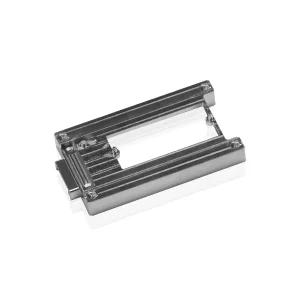
The continuous shrinking of silicon nodes requires packaging with extremely tight spatial tolerances. Kovar packaging frames must now include micron-level internal cavities to shield sensitive optical and RF signals from external electromagnetic interference.
Traditional single-metal structures are being replaced by multi-material composite packages. Bonding Kovar to copper-tungsten (CuW) or high-conductivity aluminum alloys provides optimal thermal dissipation while maintaining hermetic glass sealing integrity.
Global industrial brands require suppliers to demonstrate complete traceability of materials. Clean, conflict-free alloys like 4J29 and clean electroplating (RoHS compliant nickel and gold plating) are now mandatory for high-tier procurement channels.
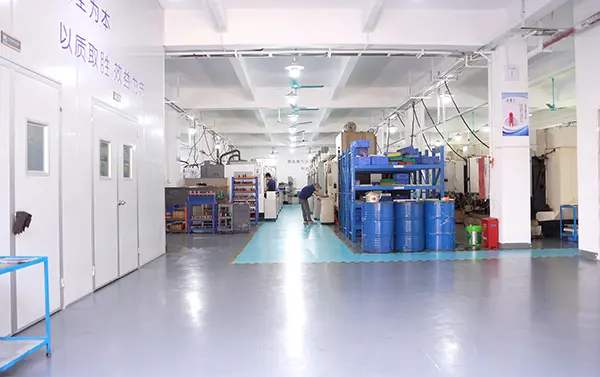
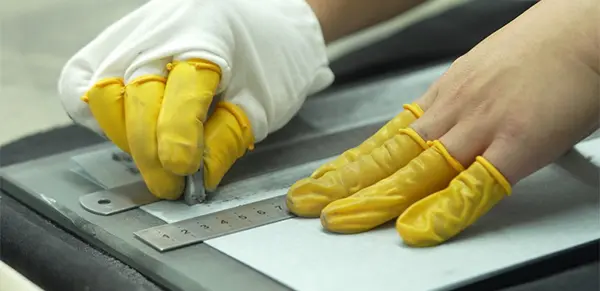
Inside Xinyunyang's precision CNC facilities, testing rooms, and high-performance manufacturing cells.
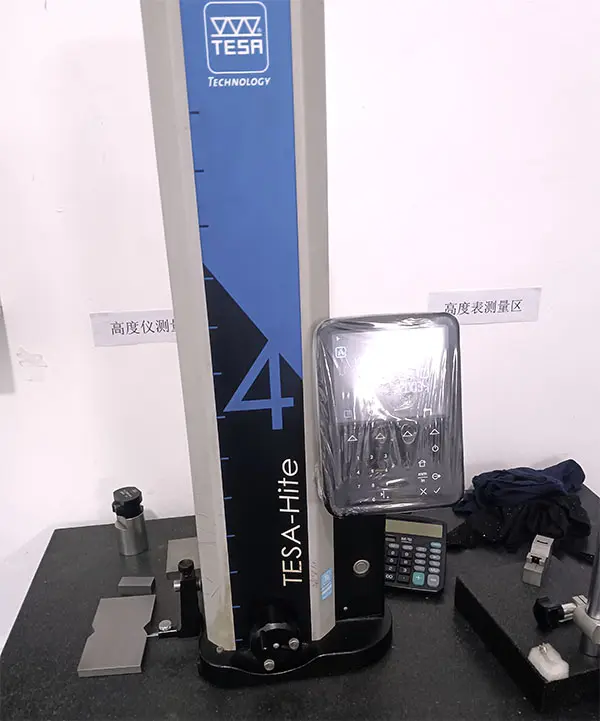
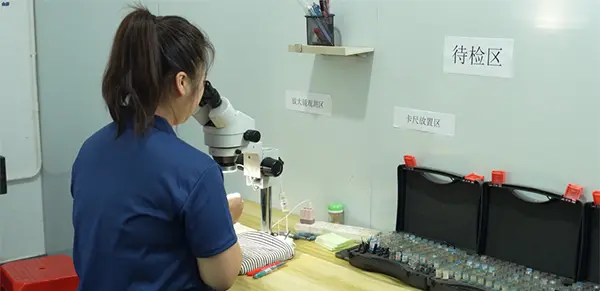
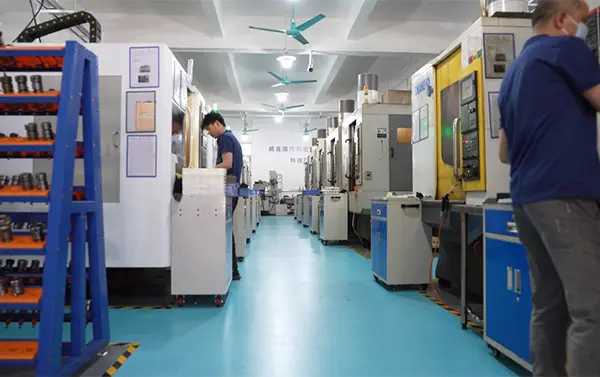
Clear, actionable compliance expertise for global procurement officers, import planners, and trade managers.
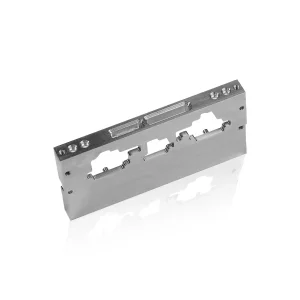
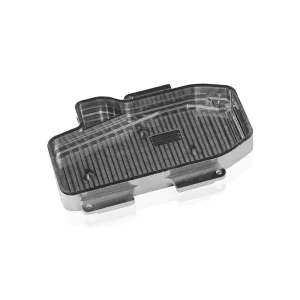
Explore our complete catalog of precision-processed metals and hermetic lids designed to lower structural landed costs.
 Xinyunyang Precision