Explore our premium grade hermetic enclosures, CNC components, and customized thermal casings built to meet AS9100 and ISO 9001:2015 stringent parameters.
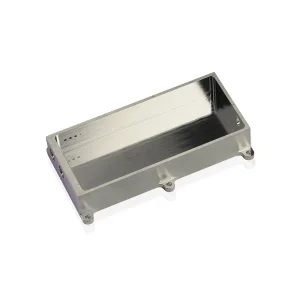
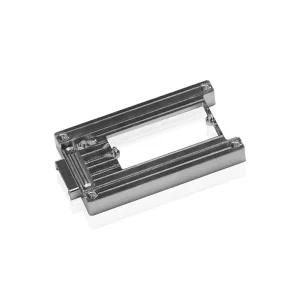
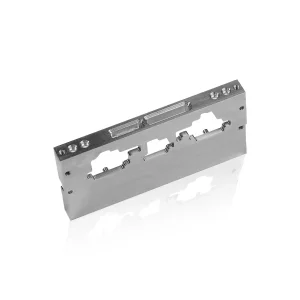
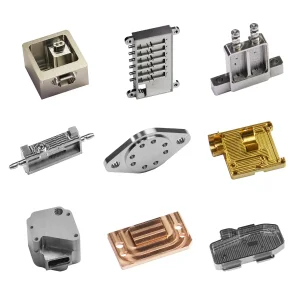
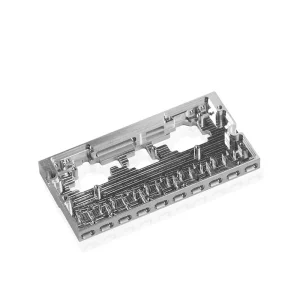
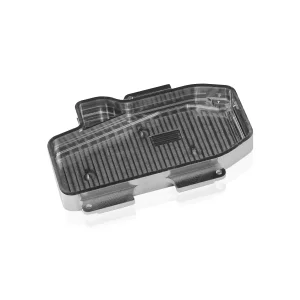
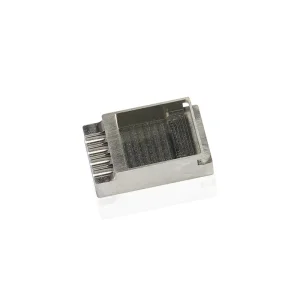
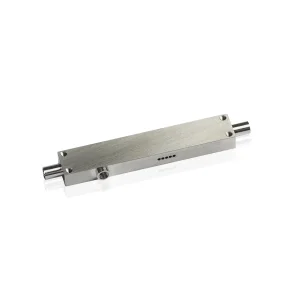
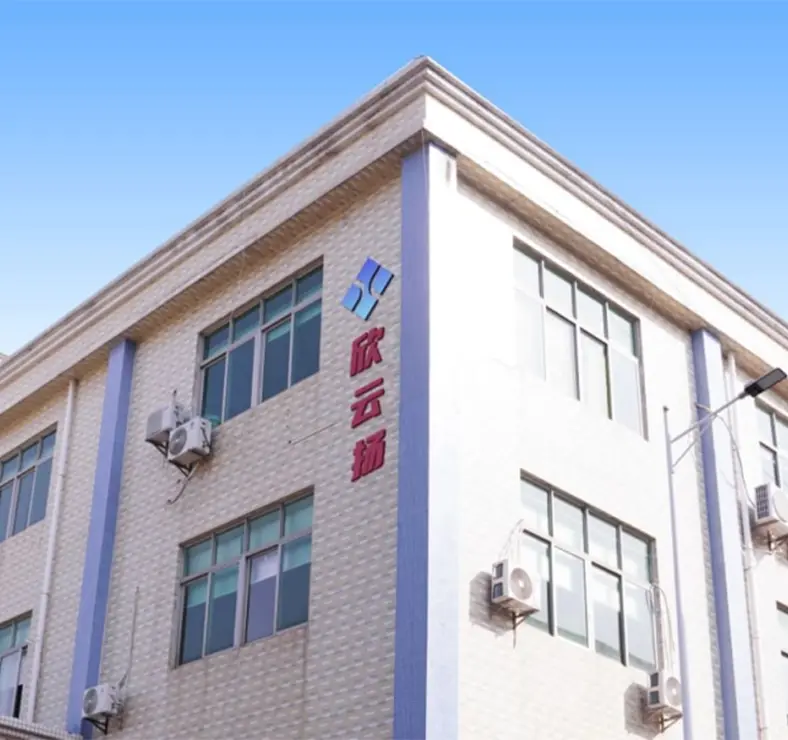
Founded in November 2014, Xinyunyang has steadily grown into a premium global tier-1 supplier of Kovar precision processing and advanced metallic systems. Over years of dedicated industrial R&D, we have rooted our business philosophy in four fundamental tenets: Integrity, Innovation, Cooperation, and Sharing.
We leverage our core competency in Kovar alloy component engineering to cultivate advanced microelectronics and structural packaging technologies, deeply serving high-demand industries such as semiconductors, optical communications, aerospace networks, medical implants, and new energy/military applications. Our ultimate strategic vision is to serve as the benchmark global supplier of miniaturized, highly customized, and ultra-reliable metal packaging products.
An expert analysis of physical properties, mechanical thresholds, and chemical structures required for reliable high-temperature systems.
In high-density industrial design, choosing the correct aluminium casting material directly impacts thermal efficiency, mechanical fatigue resistance, and overall product lifespan. Pure aluminium, while exhibiting excellent thermal and electrical conductivity, lacks the requisite structural yield strength required for heavy-duty structural applications. As a result, metallurgical processes introduce specific alloying agents—principally Silicon (Si), Copper (Cu), and Magnesium (Mg)—to generate high-performance casting grades such as A356, A380, and AlSi10Mg.
Silicon is the single most vital addition, elevating the alloy's fluidity during the molten phase and dramatically reducing solidification shrinkage. Copper significantly enhances mechanical strength and machinability at the expense of slight corrosion susceptibility, whereas Magnesium acts as a primary matrix-hardener via Mg2Si precipitation during heat treatment processes. Our casting processes utilize advanced grain refinement agents like Titanium-Boron (TiB2) alongside comprehensive rotary impeller degassing using High-Purity Argon to strip out dissolved Hydrogen gas and eradicate internal micro-porosities.
| Alloy Grade | Si Content (%) | Cu Content (%) | Mg Content (%) | Tensile Strength (MPa) | Thermal Conductivity (W/m·K) | Optimal Application Scenarios |
|---|---|---|---|---|---|---|
| A356.0 | 6.5 - 7.5 | < 0.20 | 0.25 - 0.45 | 230 - 290 | 150 - 170 | Military enclosures, aerospace housing, high-pressure pump bodies. |
| A380.0 | 7.5 - 9.5 | 3.0 - 4.0 | < 0.10 | 320 - 340 | 95 - 105 | Automotive engine brackets, standard electronic chassis, tool housings. |
| AlSi10Mg | 9.0 - 11.0 | < 0.05 | 0.20 - 0.45 | 300 - 350 | 110 - 130 | Additive manufacturing (SLM/DMLS), thin-walled hermetic enclosures. |
| ADC12 | 9.6 - 12.0 | 1.5 - 3.5 | < 0.30 | 310 - 330 | 96 - 110 | Optical transceiver packages, consumer electronics frame assemblies. |
Ensuring ultra-reliability, micro-precision tolerances, and seamless supply-chain integration across the globe.
Xinyunyang maintains a workforce of over 100 dedicated technical professionals. Crucially, active research engineers account for more than 30% of this specialized group, focusing entirely on metallurgical perfection, customized CNC parameterizations, and structural reliability.
Our core metallurgical team members have been deeply immersed in precision metal machining for more than ten years. We proactively develop hybrid component designs merging Kovar, titanium, and advanced aluminium matrices to optimize performance in 5G, next-generation radar, and AI infrastructure.
Utilizing highly systematic and intelligent factory scheduling software alongside rigid ISO 9001 operations, Xinyunyang consistently improves lead times by 15% to 20%. This operational excellence positions us as a premium high-volume manufacturing partner globally.
Anticipating the technological demands of ultra-dense microelectronics and thermal challenges for 2025 and beyond.
As operating power densities in optoelectronics and high-frequency communication transmitters climb exponentially, standard aluminium casting materials face severe thermal stress limits. The industry's next evolutionary milestone belongs to advanced Al-Sc (Aluminium-Scandium) and Al-Li (Aluminium-Lithium) matrices. By adding micro-doses of Scandium, the recrystallization temperature of the alloy rises drastically, preserving exceptional grain structures and mitigating thermal degradation under continuous 250°C operating profiles.
Concurrently, our technical roadmap features deep research into Thixocasting and Rheocasting (Semi-Solid Metal Processing). By feeding slurry containing globular, non-dendritic solid phases into the casting die, we can produce highly complex parts with near-zero porosity. These semi-solid castings possess incredibly fine microstructures, rendering them uniquely suited to direct hermetic sealing and high-vacuum military applications.
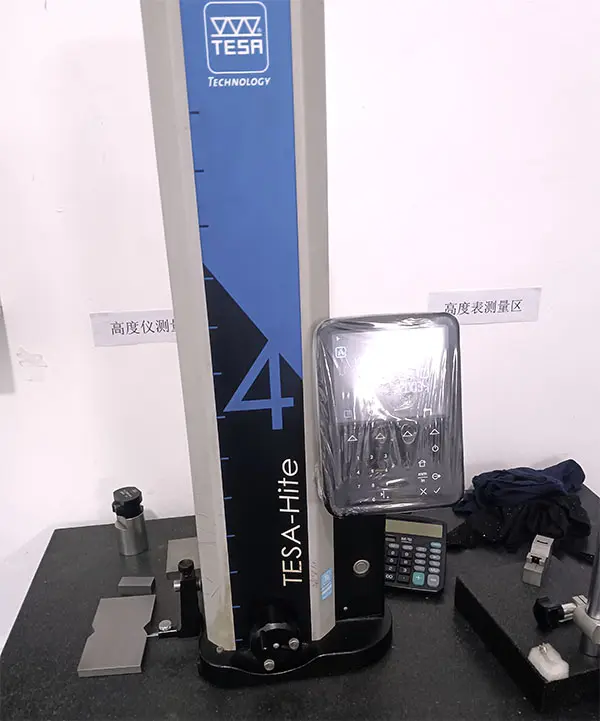
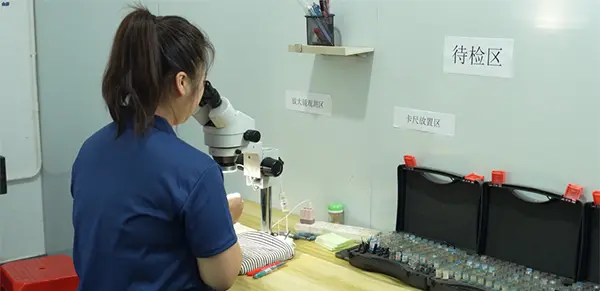
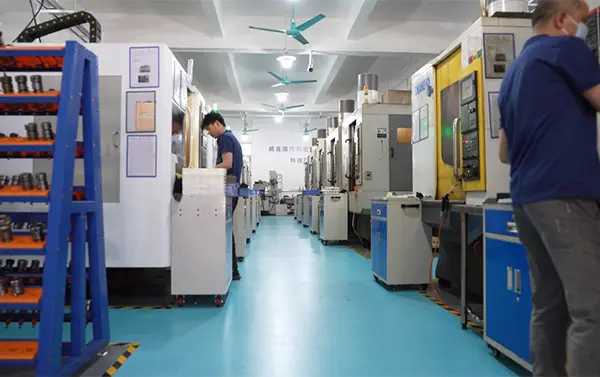
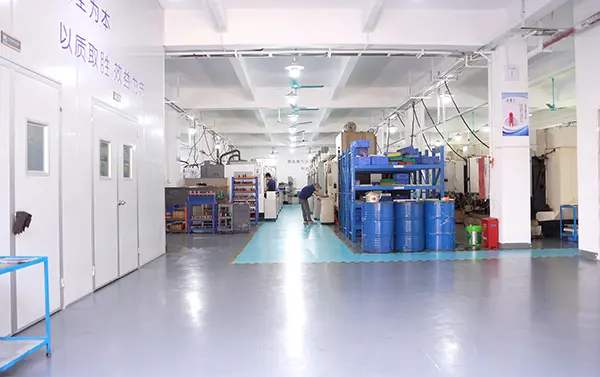
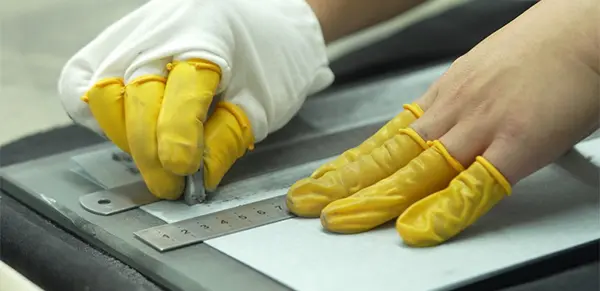
A closer look inside Xinyunyang's manufacturing plant, testing laboratory, and state-of-the-art multi-axis CNC machines.
How Xinyunyang blends intelligent digital logistics with advanced casting practices to shield global partners from supply disruptions.
Global logistics are increasingly volatile. To protect our partners from fluctuating energy costs and mineral supply bottlenecks, Xinyunyang relies on deep integration within China's premier industrial ecosystem. Through strategic proximity to major alloy refineries and domestic ports, we secure high-grade raw metals at predictable prices.
Furthermore, our integrated digital scheduling system automates inventory optimization, aligning raw ingot orders with real-time CNC queue calculations. By coordinating material processing and precision post-machining in a single facility, we eliminate intermediate transit times, raising dispatch rates and shortening production cycles by up to 20%.
Every industry faces distinct engineering challenges. For military optoelectronics, we deliver complex hermetic packages that maintain high sealing performance under extreme thermal shock. In the semiconductor field, our focus centers on sub-micron dimensional stability and extremely clean cavity finishes that prevent outgassing in vacuum conditions.
For the rapidly expanding E-mobility and automotive electronics sector, our lightweight aluminium cast designs combine efficient cooling fins with robust structural integrity, protecting delicate components from high-frequency vibrations and intense heat.
Modern enterprises prioritize environmental responsibility and supply chain transparency. As a leading exporter of critical components to Europe, North America, and across Asia, Xinyunyang strictly observes all international environmental mandates. Every shipment is backed by verified RoHS (Restriction of Hazardous Substances) and REACH compliance reports, ensuring complete exclusion of lead, mercury, cadmium, and hexavalent chromium.
Additionally, we maintain a robust program for sourcing conflict-free minerals, with comprehensive tracking audits for essential alloys like Kovar (4J29). This ensures that every element of your supply chain meets modern ESG (Environmental, Social, and Governance) goals. By working with Xinyunyang, you gain a partner that guarantees flawless performance alongside full alignment with modern corporate compliance standards.
Direct technical advice from our engineering team on casting quality, dimensional tolerances, and hermetic sealing optimization.
Porosity usually stems from dissolved hydrogen gas or air trapped in the mold cavity. To solve this, we inject high-purity argon gas through a rotary graphite impeller before pouring. This process attracts micro-bubbles of hydrogen and floats them to the surface. We also use advanced thermal analysis systems to adjust gate designs and cooling rates, ensuring smooth solidification and minimizing shrinkage porosity.
The main reason is the Coefficient of Thermal Expansion (CTE). Aluminium has a high CTE (approx. 23 × 10^-6/K), which can put stress on delicate optical glass components during thermal cycles, potentially breaking the seal. Kovar features a low CTE (approx. 5.1 × 10^-6/K) that matches borosilicate glass. For hybrid applications, we machine aluminum housings with customized Kovar inserts to combine efficient heat dissipation with reliable, long-lasting hermetic seals.
Depending on the application, we offer a range of protective finishes. These include thick-film anodizing (Type II and Type III hardcoat) for high wear resistance, electroless nickel plating (Mil-C-26074) to prevent corrosion in marine environments, and selective chemical conversion coatings (such as Alodine) to maintain electrical conductivity while protecting the surface.
We use a multi-step manufacturing process. First, we cast the component near its final shape to relieve internal stresses. Then, we perform precision machining on multi-axis CNC centers. Our temperature-controlled machining floors keep part dimensions highly stable, allowing us to maintain tolerances as tight as ±0.005mm on critical alignment holes and mating surfaces.
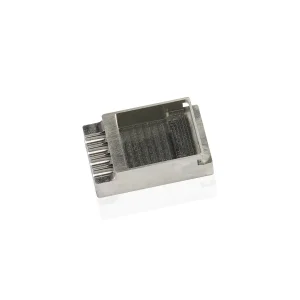
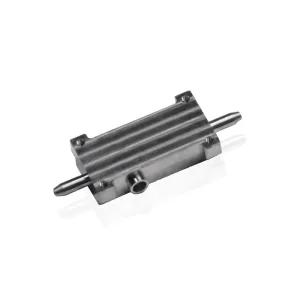
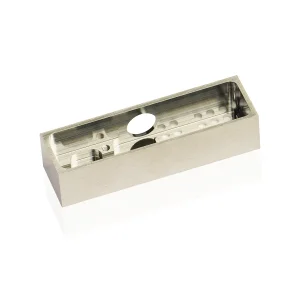
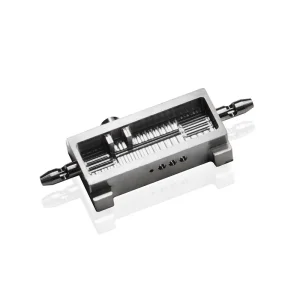
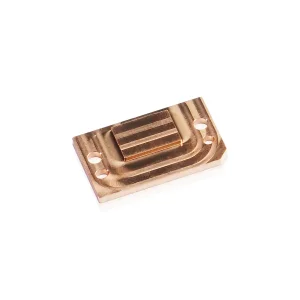
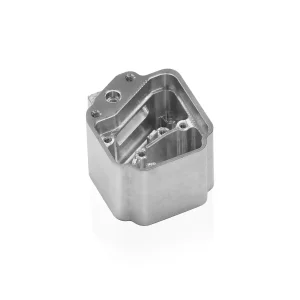
Premium components designed for high-frequency signal integrity, secure hermetic seals, and dependable performance in tough conditions.
 Xinyunyang Precision