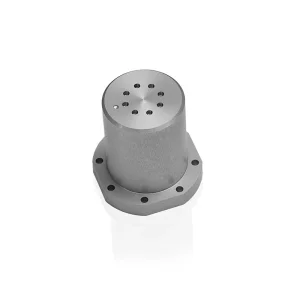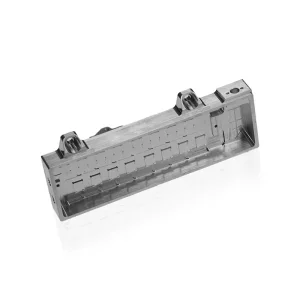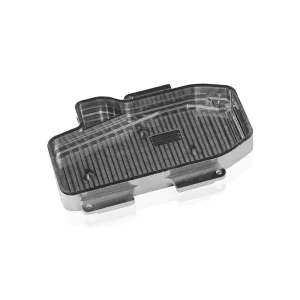
Joining ceramics to metals is one of the most critical material science challenges in modern high-performance engineering. Because ceramics (such as alumina, aluminum nitride, zirconia, and sapphire) feature high hardness, exceptional thermal resistance, and chemical inertness, they are ideal for insulation and wear-resistant applications. However, their ionic/covalent atomic structures make them naturally incompatible with metallic lattices, which rely on free-electron metallic bonds. Establishing a stable, gas-tight hermetic seal between these distinct phases requires advanced Ceramic-Metal Brazing methodologies.
At the center of ceramic-to-metal joining is managing the Coefficient of Thermal Expansion (CTE) mismatch. Uncontrolled CTE variance creates severe residual stress during the cooling cycle of high-temperature brazing operations (often exceeding 800°C). This can trigger brittle ceramic cracking, interface delamination, or early mechanical failure in field applications.
A single-step path utilizing filler metals alloyed with active elements like Titanium (Ti) or Zirconium (Zr) that directly react with the ceramic oxide grid, forming a chemical bond without pre-metallization.
The standard multi-step framework for alumina-rich substrates. A refractory molybdenum-manganese powder paste is applied, fired under high-moisture forming gas at ~1400°C, and nickel-plated to facilitate brazing flow.
Employing transition alloys like 4J29 Kovar, Molybdenum, or Tungsten whose expansion curves align closely with ceramics over wide thermal profiles, neutralizing residual joint stress.
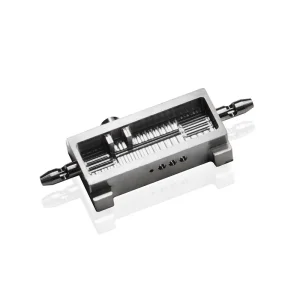
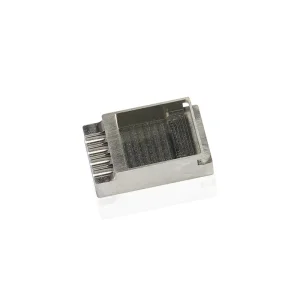
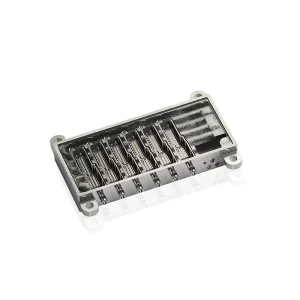
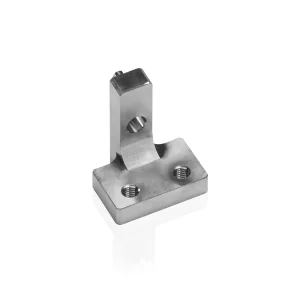
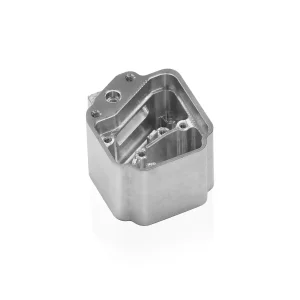
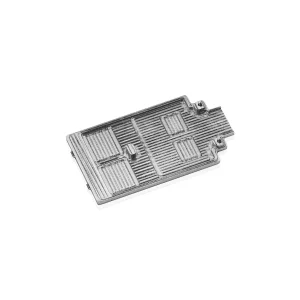
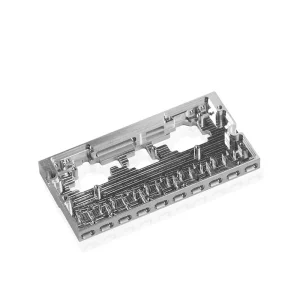
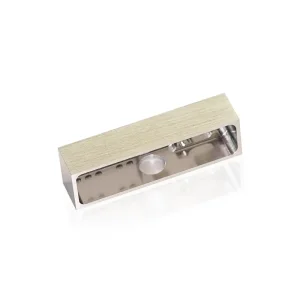
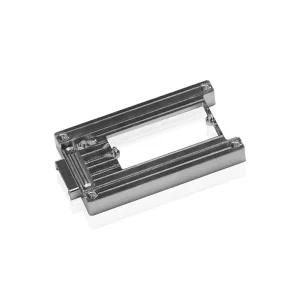
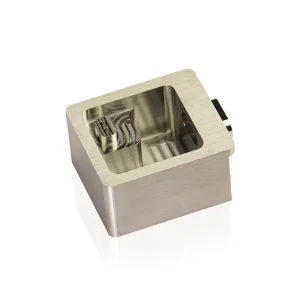
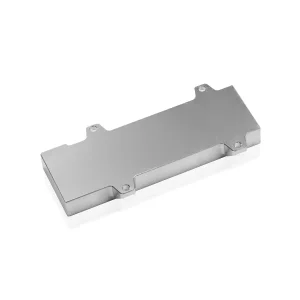
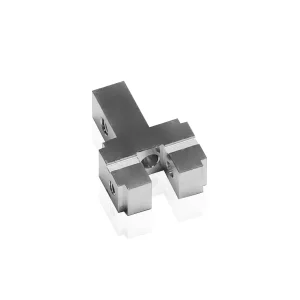
Using special CTE-matched structural components, such as Kovar alloy enclosures and precise transition pins, is the standard design standard for demanding hermetic assemblies. This specialized approach ensures that high-vacuum microwave tubes, optical housings, and sensor probes maintain zero leak rates even when subjected to extreme cryogenic or elevated operating cycles.
To deliver components capable of enduring demanding real-world conditions, a robust, highly optimized manufacturing workflow is required. Our processing roadmap combines high-precision fabrication, ultra-pure metallization, and controlled-atmosphere vacuum thermal cycling to guarantee flawless structural integrity.
1. Substrate Preparation & Cleaning: Ceramides and matching metallic frames undergo chemical etching and ultrasonic degreasing in deionized water and solvent baths. This ensures the complete removal of organic trace residues and oxide films, enabling optimal capillary action and surface wetting.
2. Refractory Layer Deposition (Mo-Mn Method): A micro-milled compound of molybdenum and manganese oxides is precisely screen-printed or airbrushed onto specific ceramic joint land patterns. Firing in a high-temperature moist reducing gas atmosphere reduces the metallic oxides, allowing the glassy elements of the ceramic to migrate into the porous molybdenum network, creating a strong atomic lock.
3. Nickel Plating & Sintering: The sintered Mo-Mn track is plated with an ultra-pure nickel outer coat. Sintering at $950^\circ\text{C}$ bonds this nickel layer, making the surface wettable by standard copper-silver eutectic brazing wires, preforms, or pastes.
4. Furnace Assembly & High-Vacuum Brazing: Components are placed into customized graphite or ceramic fixtures. Brazing preforms are positioned at the interface joints, and the assembly is processed in a high-vacuum chamber or a continuous dry-hydrogen conveyor furnace, yielding highly reliable, leak-tight joints.
The applications for Ceramic-Metal brazed structures span critical industries where component failure is not an option. By integrating high insulating strength with rugged metallic housings, these composite assemblies serve as key building blocks for advanced hardware systems:
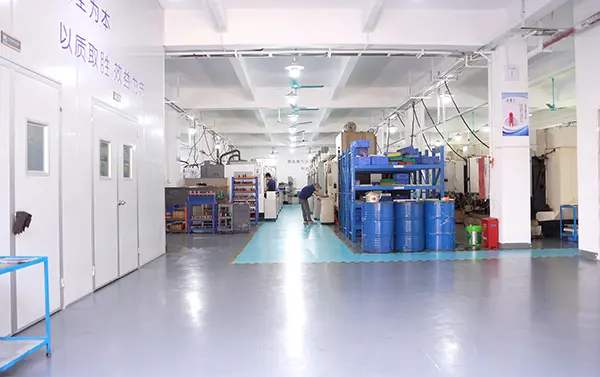
Leveraging advanced precision manufacturing hubs in China provides global enterprises with a strong competitive advantage in both technology and cost. Modern Chinese factories, such as Xinyunyang Precision Technology Co., Ltd., have transitioned from traditional toll-manufacturing setups to highly integrated Industry 4.0 intelligent production ecosystems.
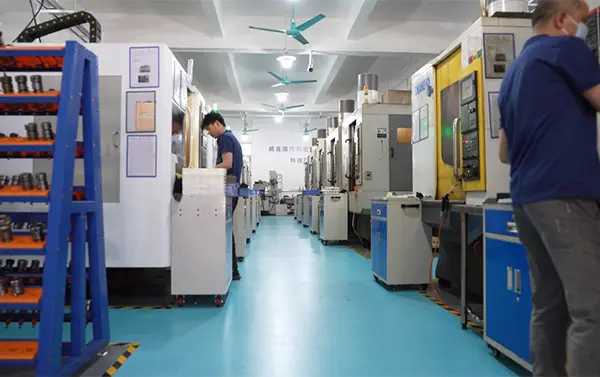
By pairing advanced CNC machining centers with state-of-the-art vacuum brazing furnaces and automatic plating systems in a single localized hub, we dramatically reduce transport steps and lead times. This vertical integration allows us to optimize manufacturing steps, ensure consistent quality, and deliver high-reliability ceramic-metal seals at an attractive price point.
With an automated, ERP-controlled production flow, we can seamlessly scale from rapid prototyping of custom hermetic assemblies to high-volume manufacturing runs. This streamlined manufacturing process minimizes scrap rates and shortens engineering lead times by up to 20-30%, helping you bring your products to market faster.
International procurement of high-precision brazed assemblies requires strong engineering support and adherence to strict regulatory guidelines. We ensure a smooth project experience through a comprehensive step-by-step engineering and compliance framework:
Design for Manufacturability (DFM) Support: We collaborate with your engineering teams early in the design cycle. By analyzing thermal expansion profiles, optimizing joint geometries, and refining plating specifications, we ensure designs are optimized for reliable manufacturing and cost-efficient production.
Strict Environmental Compliance: All manufactured components, materials, and platings are fully certified to meet international environmental regulations, including RoHS 3 (EU 2015/863), REACH, and Conflict Minerals protocols. This complete compliance ensures seamless, risk-free integration into your global supply chain.
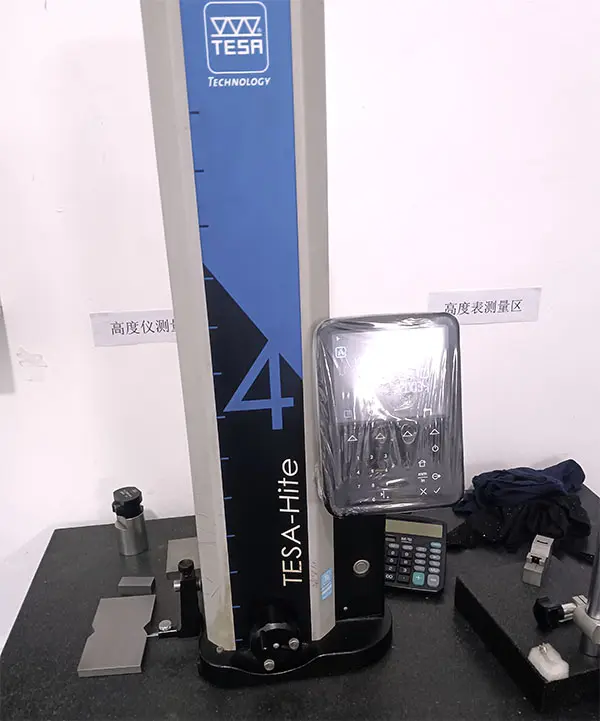
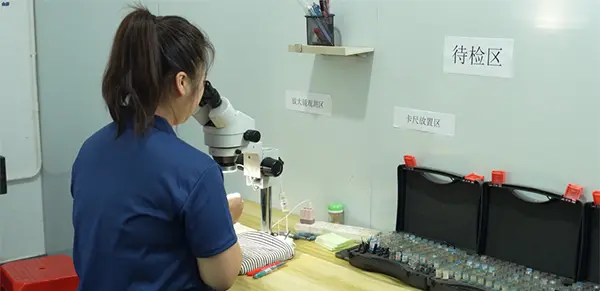
Complete Traceability & Testing: Every shipment is backed by comprehensive quality documentation, including raw material mill certificates, dimensional metrology reports, helium mass spectrometer leak test logs, and plating thickness measurements. This level of transparency ensures absolute reliability and peace of mind.
Founded in November 2014, Xinyunyang Precision Technology Co., Ltd. has established itself as a leading name in high-end precision metal processing and advanced hermetic packaging solutions. Over years of focused engineering development, we have stayed committed to our core principles of Integrity, Innovation, Cooperation, and Sharing.
We specialize in precision processing of high-performance alloys (such as Kovar, Invar, Titanium, and Molybdenum) and advanced joining technologies. We are dedicated to providing miniaturized, highly customized, and ultra-reliable metal-to-glass and ceramic-metal hermetic packaging solutions to global leaders in semiconductors, optical communications, aerospace, medical instruments, and advanced energy sectors.
 High-Precision Processing Advanced Vacuum Equipment Strict ISO 9001 Quality Flexible Custom Design
Our team consists of more than 100 dedicated manufacturing professionals, with over 30% of our staff serving as highly trained technical engineers focused on advanced materials processing.
Our core engineering members bring over a decade of hands-on experience in high-end precision metal processing, pushing the boundaries of composite machining for special alloys such as Kovar, Titanium, and Refractory metals.
Supported by a comprehensive ISO 9001 certified quality management system and advanced production scheduling, we have improved overall delivery efficiency for standard orders by 15-20%.
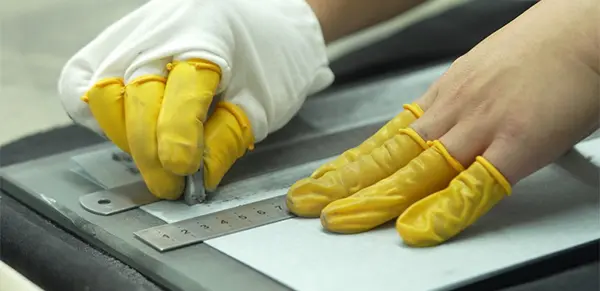
Because ceramics are inherently brittle and have low tensile strength, any significant difference in expansion or contraction rates between the metal and the ceramic during cooling (from brazing temperatures of 800°C+ to room temperature) creates high residual stress. This stress can cause the ceramic to fracture or lead to joint failure. Using matched alloys like Kovar (whose thermal expansion curve closely tracks alumina) minimizes this internal stress, ensuring a durable, reliable hermetic seal.
The Mo-Mn process is a reliable, multi-step method best suited for alumina ceramics. It requires high-temperature firing to apply a refractory metallic base coat, followed by nickel plating, before standard brazing can take place. Active Metal Brazing (AMB) is a streamlined, single-step process that uses active elements like Titanium (Ti) directly in the filler metal. This active filler reacts with the ceramic to form a strong bond, making it highly effective for non-oxide ceramics like Silicon Nitride (Si3N4) and Aluminum Nitride (AlN).
We verify joint integrity through rigorous testing methods. First, we use helium mass spectrometer leak detection to confirm hermetic seal rates of less than $1 \times 10^{-9}\text{ atm}\cdot\text{cc/s}$. We then perform high-frequency thermal shock testing (cycling between -65°C and +150°C) to ensure resistance to thermal stress, followed by ultrasonic inspection and shear testing to verify physical bond strength.
Yes. By pairing micro-precision CNC machining (achieving tolerances down to micron levels) with customized assembly fixtures, we can manufacture highly customized, miniaturized packages tailored to challenging layouts in optical communications, aerospace sensors, and medical implants.
 Xinyunyang Precision