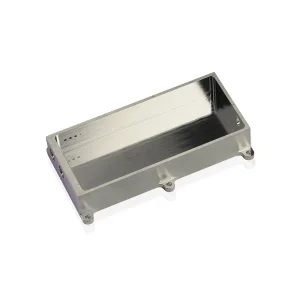
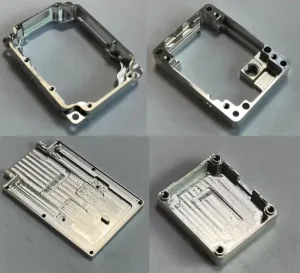
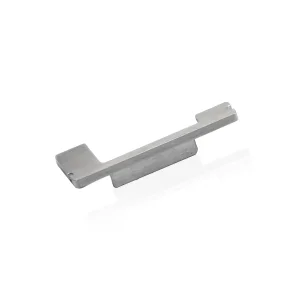
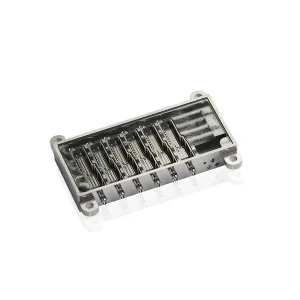
Explore our cutting-edge components engineered for optimal thermal conductivity, microscopic tolerances, and high-reliability mechanical performance.
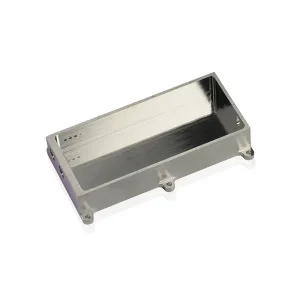
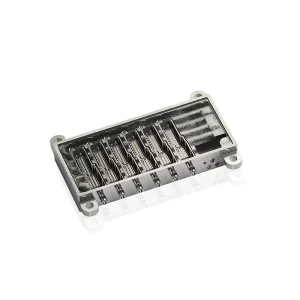
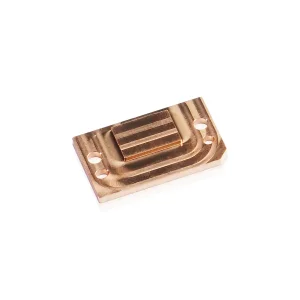
In the contemporary landscape of high-tier manufacturing, structural weight reduction paired with robust mechanical performance has evolved from an optional advantage to a strict engineering necessity. High-precision CNC machined aluminum components serve as the critical infrastructure sustaining this global industrial transition. Due to its outstanding strength-to-weight ratio, exceptional thermal and electrical conductivity, and high corrosion resistance, aluminum is selected as the primary substrate for critical components across aerospace, defense, telecommunications, semiconductor systems, and electromobility sectors.
However, translating raw aluminum alloys into sub-micron-accurate structural parts requires more than basic machining tools. It demands a highly synthesized ecosystem integrating material science, geometric dimensioning and tolerancing (GD&T), computer-aided design optimization, and state-of-the-art multi-axis CNC subtractive processing. Industrial applications now mandate parts that can withstand extreme environmental fluctuations, cyclic thermal stresses, and high mechanical fatigue without structural degradation. As a pioneering manufacturer, our facility is engineered to bridge the gap between design complexity and physical execution, providing structural components that operate reliably in the most demanding operating conditions worldwide.
Achieving high repeatable precision in aluminum machining requires systematic control over metallurgical properties and cutting mechanics. At our facility, the production pathway is strictly governed by advanced engineering methodologies that accommodate specific characteristics of high-performance aluminum grades (such as Al 6061-T6, Al 7075-T6, Al 5052, and Al 2024).
The performance of any machined component begins with its raw material integrity. We source premium-grade billets accompanied by certified mill test reports (MTR). For instance, Aluminum 6061-T6 is utilized for general structural designs that require excellent weldability and medium-to-high strength. In contrast, Aluminum 7075-T6, enriched with zinc, is chosen for high-stress aerospace applications requiring high tensile strength and yield performance equivalent to structural steel. Each incoming batch is subjected to material identification and microstructural validation to prevent stress micro-fractures during heavy high-speed milling operations.
Modern complex geometries cannot be achieved with traditional three-axis setups without requiring multiple setups, which compromises tolerance integrity. By implementing advanced 5-axis simultaneous CNC machining centers, we eliminate setup errors and ensure concentricity, cylindricity, and positional accuracy of complex spatial features. Multi-axis machining minimizes tool deflection, optimizes cutting speeds, and enables the creation of highly complex internal channels, deep pockets, and thin-walled structures down to 0.5 mm thickness without buckling.
Aluminum exhibits a relatively high coefficient of thermal expansion (CTE). During high-spindle speed cutting (often exceeding 18,000 RPM), heat generation can cause localized dimensional warping. We employ high-pressure, flood-coolant and through-spindle cooling systems to stabilize internal work temperatures. Furthermore, post-machining surface treatments are applied inside our facility to optimize wear and environmental endurance. These include Type II/III anodizing (MIL-A-8625) for high wear protection, chemical conversion coating (Alodine) for electrical conductivity and corrosion prevention, and precision electropolishing for micro-smooth finishes.
Dynamic tool wear compensation and real-time in-situ laser metrology systems verify critical tolerances during processing operations.
Optimized flute design and pressurized coolant channels prevent chip recutting, maintaining pristine surface finishes.
Custom vacuum and hydraulic fixtures reduce internal mechanical stresses during processing, protecting delicate thin walls.
Pioneering High-Precision Micro-Engineering and Custom Sub-Assembly Manufacturing Solutions Since 2014.
Founded in November 2014, Xinyunyang Precision Technology Co., Ltd. has established itself as an innovative high-precision manufacturer. Over years of development, the company has adhered to the core business principles of Integrity, Innovation, Cooperation, and Sharing, cultivating a global reputation for manufacturing excellence.
With our foundation rooted in specialized Kovar precision processing technology as our core competency, we have expanded our engineering capabilities. Today, Xinyunyang deeply cultivates and supports industries including semiconductors, optical communications, aerospace, medical devices, and new energy systems. We specialize in providing miniaturized, customized, and highly reliable metal packaging solutions and hermetic packages to demanding global customers.
Our long-term objective remains clear: to build the most dependable hermetic package lids, Kovar alloy components, and high-precision structural parts supply hub in China and worldwide. By continually upgrading our mechanical technology, we supply integrated solutions that combine core structural reliability with complex micro-machined details.
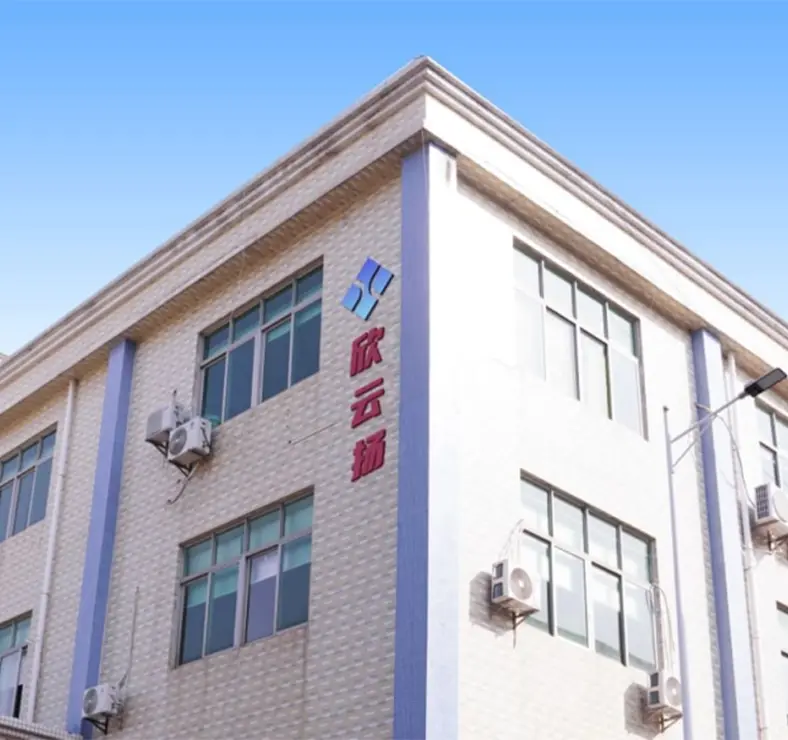
Our facility operates with a team of more than 100 specialists. Technical R&D engineers represent over 30% of our workforce, ensuring deep engineering and design-for-manufacturing (DFM) support for every custom part.
Our core members have been deeply engaged in precision metal processing for over a decade. We continue to explore composite processing of difficult metals such as Kovar, titanium alloys, and specialty stainless steels, meeting cutting-edge packaging needs in 5G, artificial intelligence, and new energy fields.
Leveraging a fully integrated ISO 9001-certified Quality Management System alongside an intelligent digital production scheduling system, we have boosted overall delivery efficiency for standard orders by 15% to 20% compared to traditional processes.
The industrial landscape for CNC machined aluminum parts is characterized by diverse, localized engineering demands integrated within high-efficiency global supply chains. Different geographical corridors demand distinct technical parameters based on local environmental constraints, commercial regulations, and localized support networks.
In highly regulated markets like North America and the EU, structural aluminum parts are subjected to strict testing protocols. CNC machined parts for semiconductor vacuum chambers, optoelectronic assemblies, and satellite transponders must satisfy high outgassing and cleanliness standards. Our localized engineering support ensures full compliance with international material specifications and offers complete certification records (including RoHS, REACH, and DFARS requirements), allowing direct integration into Western assembly lines.
With the rapid deployment of 5G, automated industrial lines, and electric vehicle (EV) ecosystems, Asia-Pacific remains a high-velocity consumption center for custom aluminum parts. High-power thermal management parts, such as multi-channel cold plates, optoelectronic enclosures, and liquid cooling radiator systems, require rapid turnaround and strict flatness tolerances. Our high-capacity machining setup, situated in China's advanced manufacturing cluster, handles high-volume requests with consistent precision and quick turnaround times.
Aluminum components machined by our CNC systems are regularly used in cryogenic cooling applications and ultra-high vacuum (UHV) systems. In these environments, material micro-porosities can lead to catastrophic pressure failures or virtual leaks. Through advanced billet verification and specialized high-speed milling cycles, we deliver structural components that perform reliably in demanding vacuum and temperature-sensitive applications.
A visual walkthrough of our high-precision machining divisions, testing laboratories, and manufacturing floors, where advanced material sciences transform into physical realities.
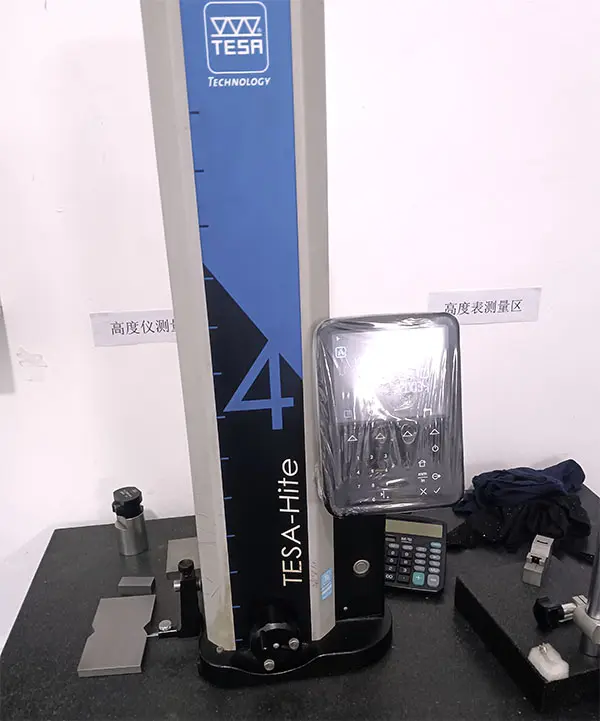
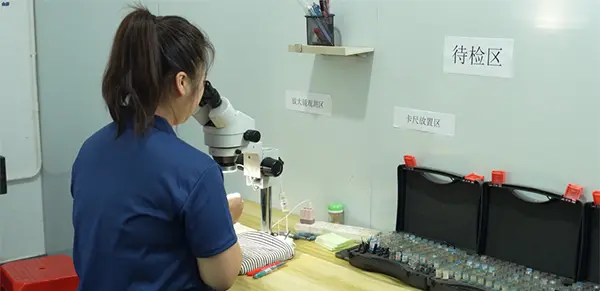
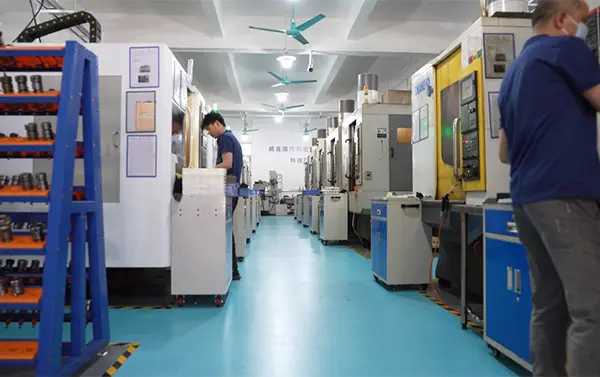
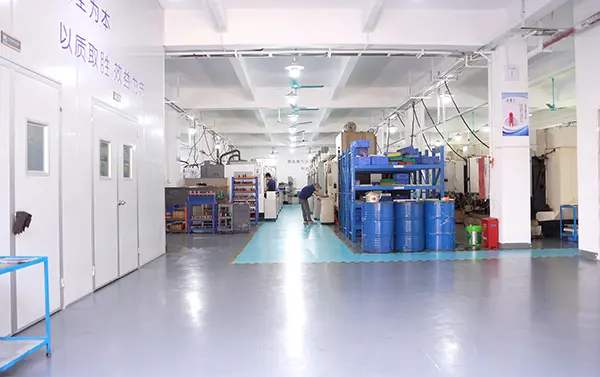
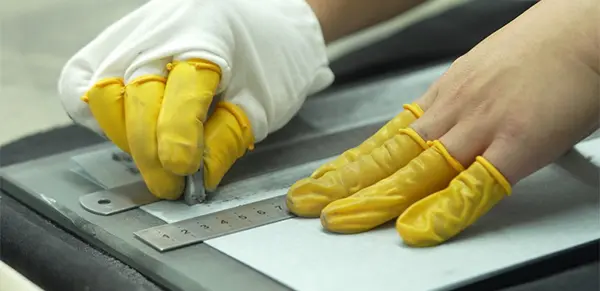
The global industrial sector is facing challenges from geopolitical changes, raw material supply fluctuations, and localized labor shortages. Within this complex global economic environment, China's high-precision manufacturing industry continues to offer significant efficiency, adaptability, and cost-effectiveness. Xinyunyang Precision Technology Co., Ltd. demonstrates these attributes through our modern facilities, situated in the heart of China’s advanced industrial manufacturing zone.
Our facility benefits from direct access to a localized network of raw material suppliers, certified heat treatment facilities, and advanced surface finishing centers. This eliminates delays associated with trans-regional transport. Within a 50-kilometer radius, we can secure certified custom alloys, specialty cutting tools, and custom fixtures. This proximity minimizes logistical friction, allowing us to accelerate custom design cycles and decrease time-to-market compared to regional competitors in North America or Western Europe.
Modern supply chains require manufacturing partners capable of transitioning rapidly between prototype-scale projects and high-volume mass production. Our digital manufacturing setup features automated tool changers, dynamic pallet systems, and computerized scheduling software. This allows us to transition from proof-of-concept prototype runs to high-volume assembly manufacturing within a single, integrated workflow. This technical flexibility helps global procurement partners avoid high minimum order quantity (MOQ) penalties while maintaining access to optimized high-volume pricing structures.
By integrating computerized planning systems, we track the progress of every workpiece in real-time. This provides comprehensive digital traceability for global procurement offices. This modern management structure reduces material waste, optimizes machine utilization rates, and yields a direct 15% to 20% increase in overall processing efficiency. This optimization allows us to mitigate raw material price fluctuations, passing the cost savings directly to our global customers.
As we look toward the next decade of advanced manufacturing, CNC machining of aluminum and specialty alloys will integrate closely with smart automation, artificial intelligence, and sustainable green manufacturing standards. Our facility is continually upgrading our technical capabilities to remain at the forefront of these industry developments.
By integrating advanced CAM software with real-time sensor feedback, our upcoming machining platforms will implement adaptive milling speeds. Sensors monitoring spindle torque, cutting tool resonance, and local thermal shifts will automatically adjust feed rates in real time. This minimizes tool wear, eliminates machining failures on high-value billets, and guarantees consistent surface finishes across large production runs.
The future of component design lies in hybrid manufacturing, combining additive metal 3D printing with subtractive precision CNC finishing. Complex internal cooling channels or custom hollow lattices are first printed using high-grade aluminum powder, followed by our sub-micron 5-axis CNC machines finishing critical sealing mating surfaces, o-ring grooves, and threaded connections. This combined approach reduces component weight by up to 40% while preserving high mechanical strength.
Global industries are placing increasing emphasis on environmental accountability. Our factory is taking steps to implement sustainable, green manufacturing practices. We are deploying zero-emission coolant recycling setups, high-efficiency chip compactors, and certified closed-loop recycling loops for aluminum scrap. These initiatives reduce our overall carbon footprint while helping global partners achieve their corporate environmental sustainability metrics.
Find direct, highly analytical answers regarding tolerances, material selections, customization processes, and lead times for high-precision CNC aluminum parts.
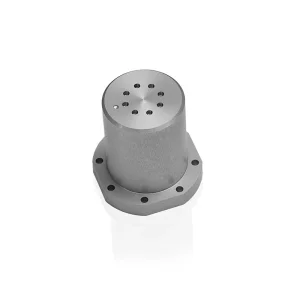
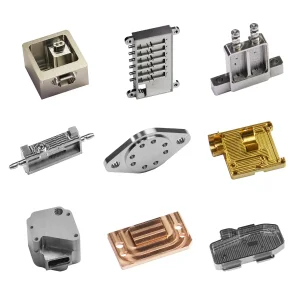
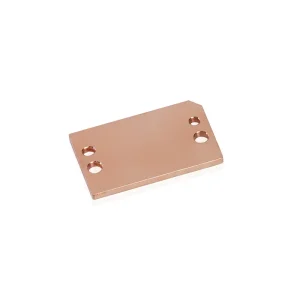
Browse our full range of specialty alloy components, including rapid prototypes, copper connectors, and ultra-precise tooling fixtures.
 Xinyunyang Precision