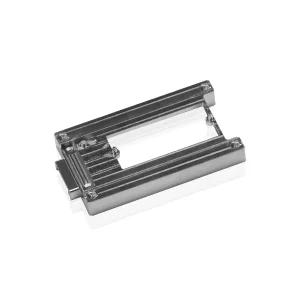
Explore our elite line of ultra-precision engineered components featuring proprietary micro-milling technologies, tailored for mission-critical industries globally.
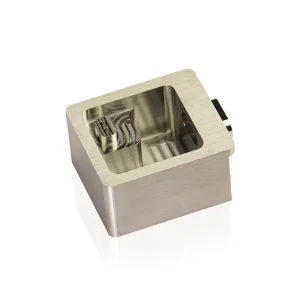
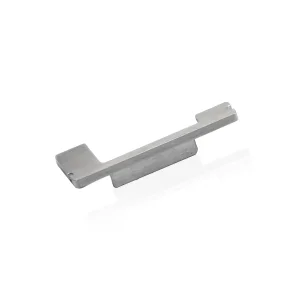
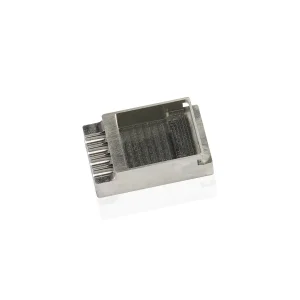
An engineering whitepaper on sub-micron execution, thermal expansions matching, and next-generation packaging technologies.
In modern industrial applications, the demands for high-frequency signal transmission, hermetic integrity, and absolute mechanical precision have elevated the standards required for CNC milling precision. Specifically, specialized alloys such as Kovar (Fe-Ni-Co), Titanium, and precision grade Aluminum Alloys serve as the cornerstone for packaging critical avionics, micro-optoelectronic systems, and medical implants.
This whitepaper outlines the current global commercial and industrial ecosystem, details our proprietary machining processes, examines multi-axis path optimizations, and establishes the E-E-A-T foundations that position Xinyunyang Precision Technology Co., Ltd. as an industry-leading global manufacturing partner.
The global CNC precision machining landscape is undergoing a structural paradigm shift. With the rapid deployment of 5G infrastructure, high-altitude low-earth-orbit (LEO) satellite constellations, and electric vehicle (EV) silicon-carbide (SiC) inverters, the requirement for precision is no longer measured in hundredths of a millimeter, but strictly in single-digit microns.
Major manufacturing hubs in North America and Western Europe have seen an escalating demand for reliable supply chains that can combine advanced CAD/CAM processes with real-world materials expertise. Tight tolerance housing, highly hermetic connector pins, and complex geometric structures demand CNC milling factories capable of continuous production with absolute mechanical stability and minimum component stress distortion.
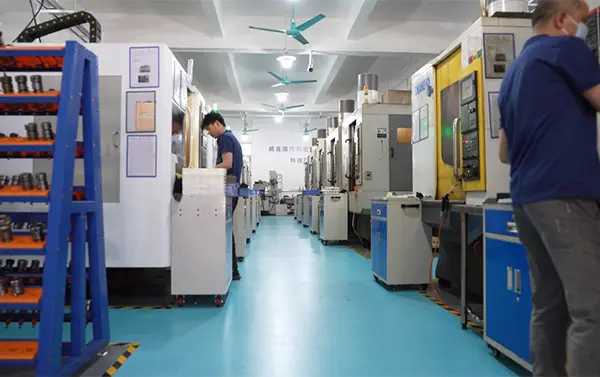
The foremost technical progression in precision milling is the transition from conventional high-speed milling to intelligent multi-axis autonomous machining. Real-time sensor integration allows cutting tools to adjust dynamic feeds based on instantaneous tool wear and heat generation, reducing scrap rates in premium alloys like Kovar and Titanium by over 40%.
Moreover, the green industrial revolution has mandated a reduction in cutting fluids. Xinyunyang's proprietary dry machining strategies (especially for Kovar alloys) achieve a surface finish rating of Ra < 0.3μm. This avoids chemical residues that interfere with high-vacuum and salt-spray-resistant applications, ensuring clean connectors for microelectronic devices.
Precision CNC components must comply with rigid localized regulatory standards globally. In the United States, military-grade and aerospace assemblies require compliance with tight AS9100 tolerances and DFARS-compliant material sourcing. In the European Union, the critical driver is environmental safety and material compliance under REACH and RoHS regulations.
By specializing in dry-machined and highly stable alloys such as Kovar 4J29, Xinyunyang ensures that all precision metal structures are completely free of hazardous coatings, maintaining compliance with both US and European environmental guidelines without degrading critical electrical or thermal performance characteristics.
Kovar alloy (Fe-Ni-Co) is heavily utilized in microelectronics because its coefficient of thermal expansion (CTE) matches borosilicate glass. However, its high nickel and cobalt content causes severe work-hardening and excessive tool wear during machining. High ductility leads to the formation of continuous chips that scratch critical surfaces.
Overcoming these challenges requires optimized cutter geometries, sub-micron surface planning, and thermal control. Our custom tooling paths maintain stable temperatures at the cutter-material interface, preserving the critical low-expansion characteristics of the finished product while guaranteeing hermetic seals when bonded with glass or ceramic packages.
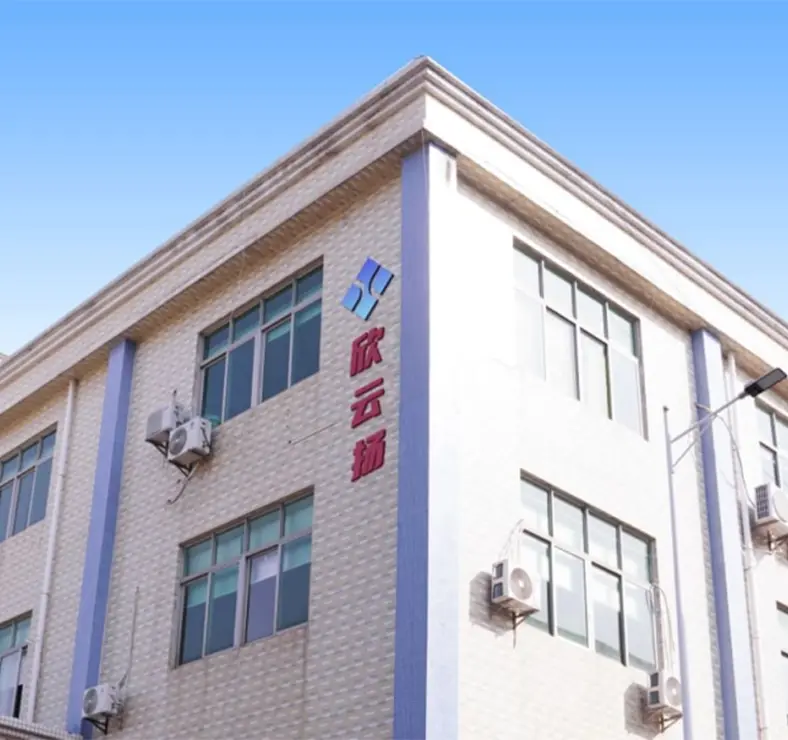
Founded in November 2014, Xinyunyang Precision Technology Co., Ltd. has established itself as an international benchmark in premium metal packaging and micro-milling. Built on the values of Integrity, Innovation, Cooperation, and Sharing, our core competency focuses on specialized Kovar precision processing technology. We are dedicated to providing miniaturized, highly customized, and ultra-reliable metal packaging solutions to global leaders in semiconductors, optical communications, aerospace, medical devices, and advanced military and new energy sectors.

Our operation is supported by a professional team of over 100 people. Our technical engineering division accounts for 30% of the entire workforce, bringing deep material science knowledge and CAD/CAM programming prowess.
Our core members have been deeply engaged in precision metal processing for more than ten years. We continue to explore the composite processing technology of special metals such as Kovar and titanium alloys, and proactively layout the cutting-edge packaging needs in the fields of 5G, artificial intelligence and new energy.
With our ISO 9001 certified quality management system and intelligent production scheduling system, Xinyunyang has increased the delivery efficiency of regular orders by 15%-20%, becoming a key supplier with both technical depth and service breadth in the global high-end manufacturing industry chain.
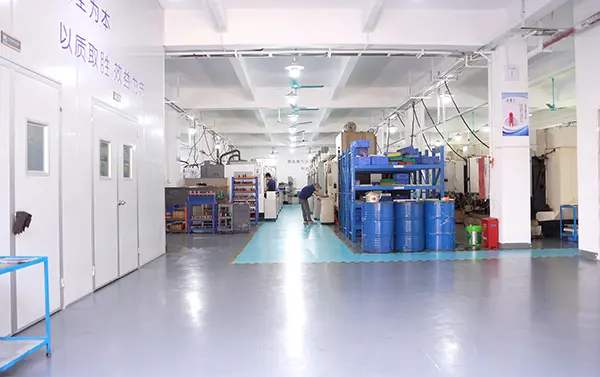
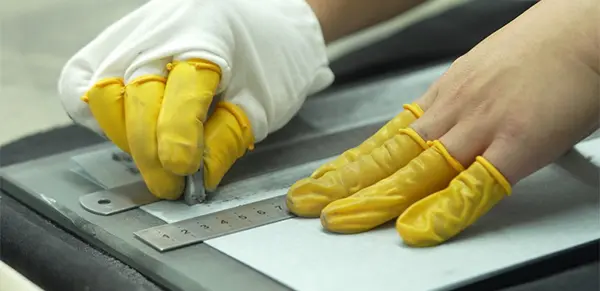
Mapping out Xinyunyang's core engineering milestones to deliver long-term value in high-precision micro-machining.
Pioneering ultra-precision dry machining processes for Kovar 4J29 and advanced titanium composites, achieving sub-micron roughness limits (Ra < 0.3μm) and establishing clean, oil-free component manufacturing lines.
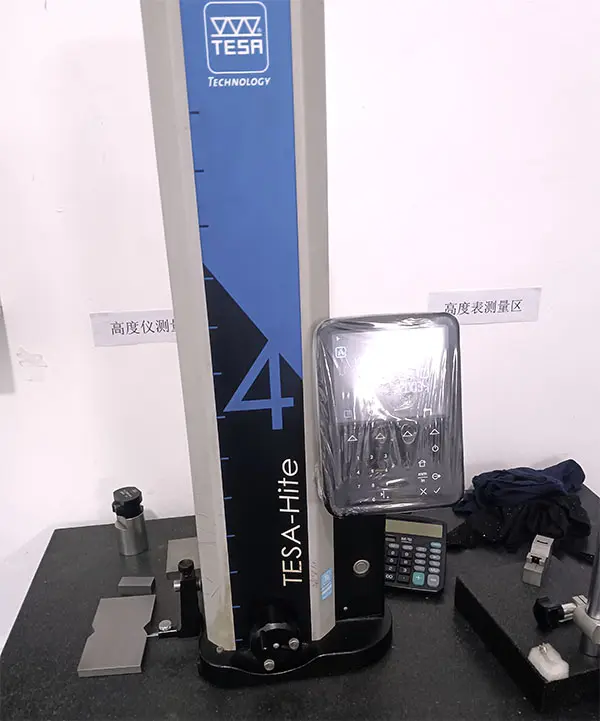
Integrating advanced closed-loop CAD/CAM workflows with automated metrology. Dynamic tool wear compensation guarantees consistent tolerances on complex multi-axis milling runs.
Optimizing custom microelectronic packaging interfaces to facilitate high-frequency signal transmission with zero hermetic leakage, reinforcing global supply lines in semiconductors and optical communications.
Direct engineering insights into Kovar alloy machining, CTE balancing, and ultra-precision industrial tolerances.
Kovar (Fe-Ni-Co alloy) features a coefficient of thermal expansion (CTE) that aligns with borosilicate glass and alumina ceramic substrates. Under cyclic thermal environments, this matching prevents expansion stresses that lead to cracks and failure in critical packaging seals.
By eliminating standard liquid coolants and utilizing proprietary ultra-sharp carbide insert geometries with specialized toolpaths, we avoid structural micro-cracks and material hydrogen embrittlement, yielding an pristine, oxide-free surface finish rating of Ra < 0.3μm.
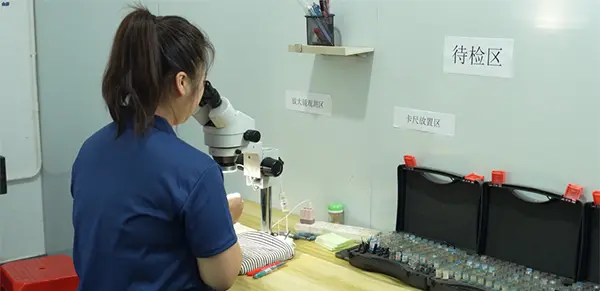
All our production facilities adhere strictly to the ISO 9001 certified quality management system. Integrated with an intelligent production scheduling program, we monitor process parameters from raw material inspection to final coordinate measuring machine (CMM) testing.
Our ERP and MES systems automatically coordinate materials preparation, multi-axis machine queue prioritization, and tooling availability. Real-time scheduling prevents idle periods and bottlenecks, boosting throughput speed without compromising quality.
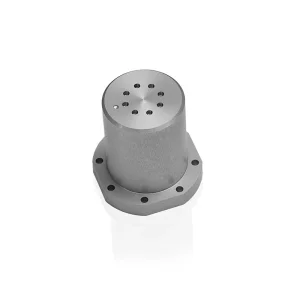
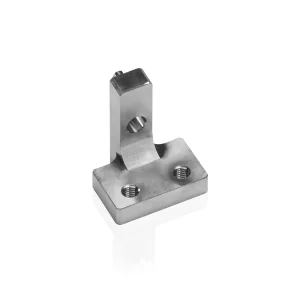
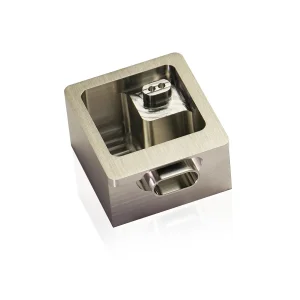
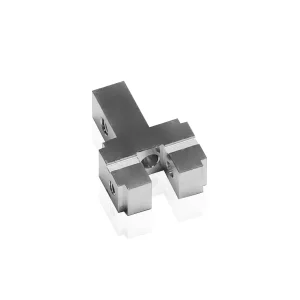
Additional custom solutions designed for high-corrosion, aerospace connectivity, and high-frequency microwave applications.
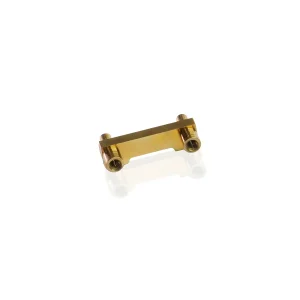
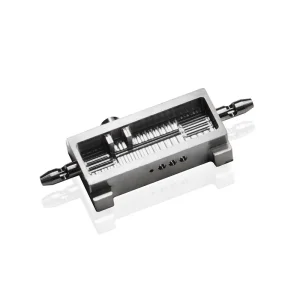
 Xinyunyang Precision