Ultimate Manufacturing Guide to 4J29 Controlled Expansion Alloy Machining & Precision Hermetic Packaging Solutions
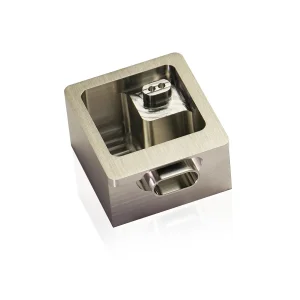
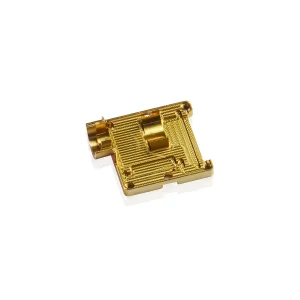
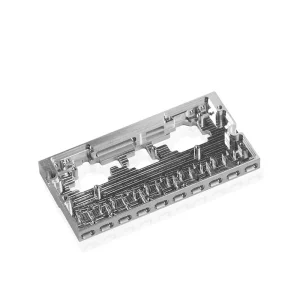
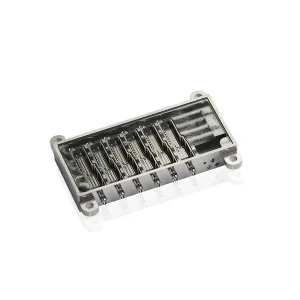
Explore our top aerospace-grade assemblies, precision micro-machined chassis, and controlled expansion connectors optimized for modern defense and optical applications.
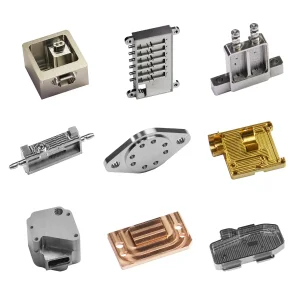
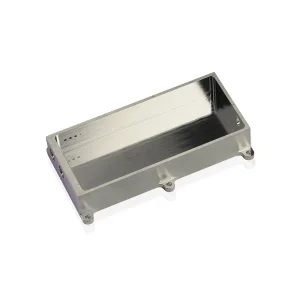
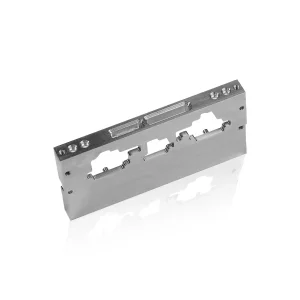
Ensuring absolute hermetic integrity across demanding microelectronics, semiconductor, and aerospace interfaces.
In modern mission-critical electronics, reliability cannot be compromised. Materials like Kovar (UNS K94610), an iron-nickel-cobalt alloy formulated with approximately 29% nickel and 17% cobalt, represent the gold standard for controlled thermal expansion applications. Crucially, its thermal expansion characteristics precisely mirror those of borosilicate glasses (such as Pyrex or Corning 7052) and high-alumina ceramic formulations.
When subsea repeaters, aerospace radar arrays, or optoelectronic modules experience drastic thermal cycles ranging from cryogenic depths up to 450°C, standard metals like aluminum or copper experience severe dimensional changes. This variation subjects direct glass-to-metal and ceramic-to-metal seals to fatal tensile stress, causing micro-cracking and loss of vacuum integrity. Custom Kovar components circumvent this engineering challenge by maintaining absolute hermetic seals.
This industry whitepaper explores the physical mechanics, tool configurations, and supply chain strategies crucial to executing high-precision CNC processes on controlled expansion metals. Leveraging actual performance metrics from Xinyunyang Precision Technology Co., Ltd., we deliver the comprehensive data technical procurement leads need to optimize global sourcing.
2014
Over a decade of industry presence
100+
Skilled engineers and operators
30%
Dedicated technical integration specialists
20%
Proprietary intelligent scheduling
Understanding expansion coefficients and phase stability across critical operational spectrums.
Kovar's ability to maintain a coefficient of thermal expansion (CTE) of approximately 5.1 × 10⁻⁶/°C between 30°C and 400°C is an engineered miracle. This behavior relies heavily on its unique, tightly controlled chemical balance. Alterations of even 0.1% in nickel or cobalt content will dramatically shift the Curie temperature (the point at which the magnetic properties change, altering the thermal expansion curve).
To ensure zero hermeticity failures down the line, procurement managers must evaluate chemical and phase stability. In low-temperature environments, unstable Kovar alloys can undergo an irreversible martensitic transformation, altering their crystal structure and causing localized swelling. Highly stable 4J29 alloys, processed through precise vacuum-melting techniques, guarantee structural stability down to -80°C, securing high vacuum performance over long deployment lifecycles.
| Physical Parameter | Value Ranges (Typical ASTM F15) | Relevance in Machining |
|---|---|---|
| Density | 8.36 g/cm³ | Structural weight calculations |
| Thermal Expansion Coeff. | 5.1 - 5.5 × 10⁻⁶/°C (30°C - 400°C) | Matches Borosilicate Glasses |
| Elastic Modulus | 138 GPa (typical) | Rigidity & stress tolerances |
| Tensile Strength | ≥ 450 MPa | High shear resistance |
| Curie Temperature | 435°C | Defines stable range limit |
Overcoming work-hardening and tool wear during high-volume production.
Kovar is notoriously gummy and prone to work hardening. Machinists must utilize high-strength submicron carbide tools with robust PVD coatings (TiAlN or AlTiN). Low cutting speeds (80-120 SFM) combined with deep, continuous feed rates ensure the tool cutting edge stays below the work-hardened boundary layer generated by previous passes.
Its low thermal conductivity prevents heat dissipation through chips. High-pressure through-spindle cooling systems (utilizing premium synthetic water-soluble micro-emulsions) are required to flush chips immediately, preventing localized thermal buildup that causes tool point deformation and dimensional variations.
Rough cutting operations generate significant residual stress. To achieve sub-micron tolerances, parts must undergo vacuum stress-relief annealing cycles between roughing and final finishing steps. Heating to 750°C to 850°C in protective hydrogen or vacuum atmospheres stabilizes structural geometry before critical micro-features are cut.
Pro-Tip: Micro-Drilling Custom Internal Orifices
When dealing with RF glass packages and complex internal sensor pathways, blind holes require careful micro-peck drilling routines. Dwell cycles at the bottom of hole cuts should be strictly avoided. If a tool dwells even briefly without positive chip load feed, it will immediately work-harden the bottom surface, making further drilling difficult and leading to tool breakage.
Unmatched precision manufacturing and engineering capacity since 2014.
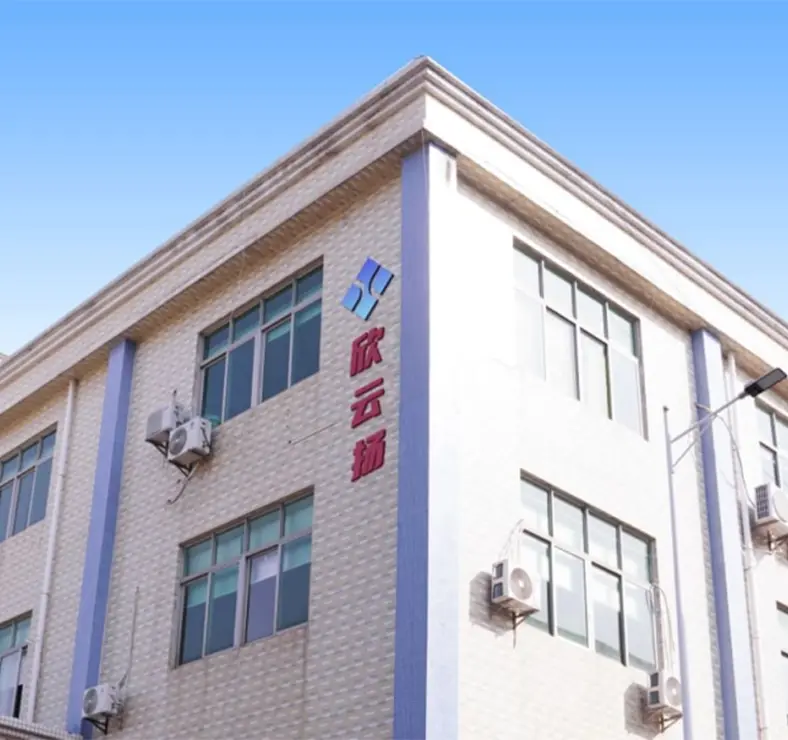
Founded in November 2014, Xinyunyang Precision Technology Co., Ltd. has established itself as an industry leader in controlled thermal expansion machining and high-reliability metal packaging. Built on core principles of Integrity, Innovation, Cooperation, and Sharing, the company specializes in manufacturing custom Kovar parts, hermetic package lids, and multi-pin ceramic/glass-to-metal housings.
Through continuous technical development, we support global industries including semiconductors, optical transceivers, aerospace systems, advanced medical devices, and defense microelectronics. Our goal is to serve as a world-class manufacturing partner, providing high-precision, customized components engineered to withstand demanding environments.

Sub-micron precision capability, providing tight dimensional tolerances within ±0.005mm and Ra 0.4 surface finishes.
Equipped with multi-axis CNC centers, Swiss-type screw machines, vacuum furnace lines, and optical inspection equipment.
ISO 9001 certified manufacturing, featuring full non-destructive testing (NDT), coordinate measuring machine (CMM) inspections, and helium leak testing.
Highly responsive engineering team providing comprehensive Design for Manufacturability (DFM) reviews to optimize production yield and costs.
Where high-reliability hermetic packaging meets demanding commercial and defense requirements.
In modern 5G transceivers and coherent optical communication sub-assemblies, localized heat generation is extremely high. Custom Kovar housings facilitate reliable thermal dissipation while maintaining a stable glass seal connection to optic fiber pipelines under continuous heat cycles.
From fighter jet radar chassis and guidance system modules to satellite microelectronics, weight and environmental resistance are critical. Our components deliver lightweight stability and long-term hermetic performance under vacuum, high vibration, and cosmic radiation.
Implantable pacemakers, cochlear implants, and high-energy diagnostic imaging sensors require biocompatibility and absolute hermetic integrity. Custom processed titanium-alloy and Kovar assemblies ensure internal electronics are protected from body fluid ingress over decades.
How integrated regional infrastructure accelerates time-to-market while reducing procurement overhead.
Sourcing precision components globally involves more than just unit costs; logistics speed, raw material traceability, and post-processing integration are critical variables. Shenzhen's advanced manufacturing cluster offers a robust ecosystem where raw material refiners, tool manufacturers, heat treatment centers, and gold plating facilities operate within a tight geographic radius.
Xinyunyang Precision Technology Co., Ltd. leverages this highly integrated network to streamline manufacturing pipelines. Utilizing localized material sourcing and advanced in-house operations, we reduce administrative delays. Combined with our intelligent production scheduling system, order delivery timelines are improved by 15% to 20% compared to fragmented supply chains.
This geographical efficiency allows us to provide rapid Design for Manufacturability (DFM) support, overnight sample prototyping, and scalable high-volume production, helping customers bring complex products to market faster.
Adhering to strict international standards for material sourcing, chemical compliance, and environmental footprint.
International aerospace, automotive, and defense industries operate under strict environmental and sourcing mandates. All materials processed by Xinyunyang are certified RoHS and REACH compliant. We adhere to rigid mineral-tracking systems to guarantee that our cobalt and nickel materials are ethically sourced and conflict-free.
Shipping high-end micro-machined parts globally requires robust logistics management. We provide full customs clearance support, precise HS-code classifications, and clean, specialized vacuum-sealed protective packaging to prevent atmospheric tarnishing or transit damage.
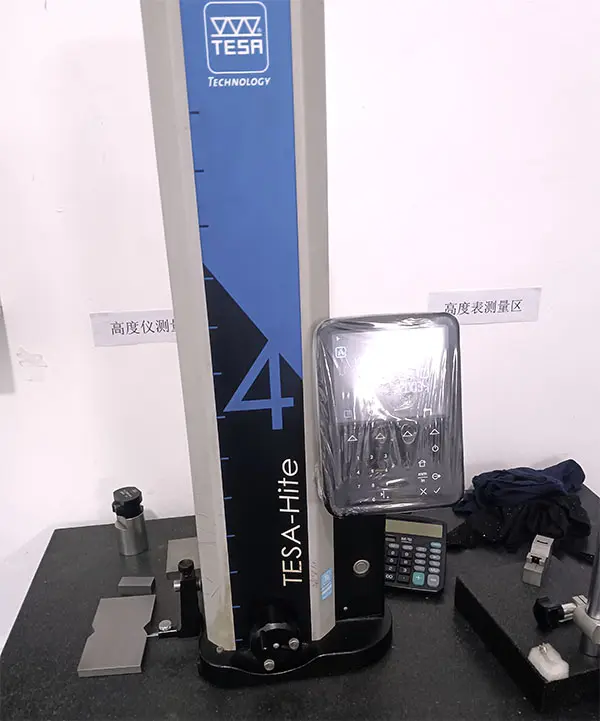
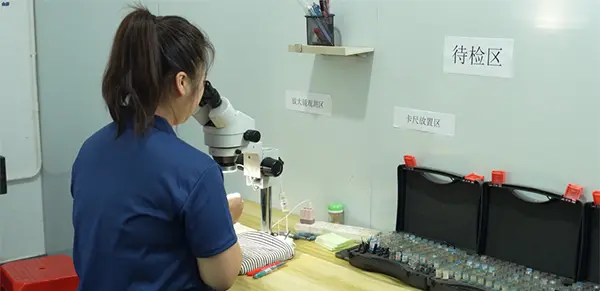
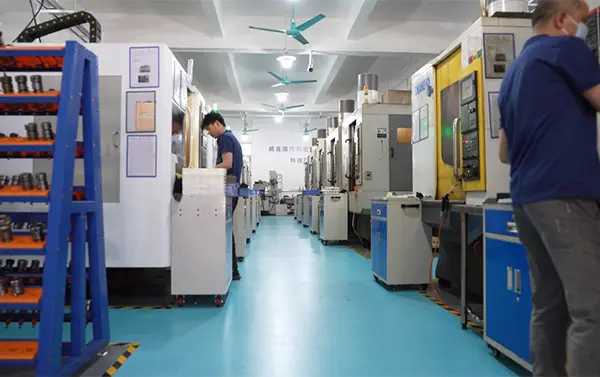
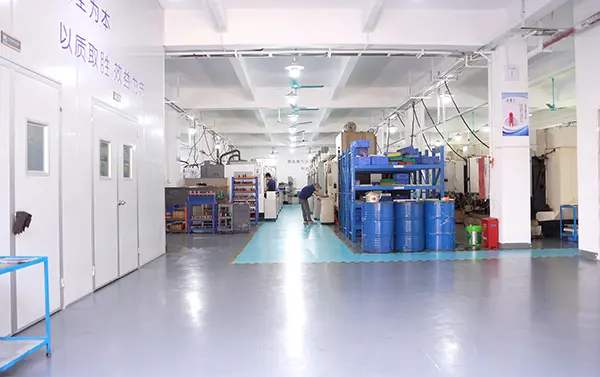
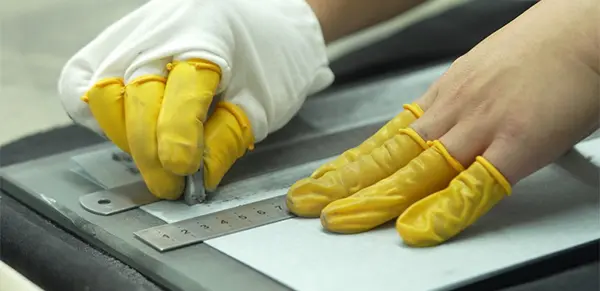
Take a look at the state-of-the-art facility where your components are processed, measured, and packed.
Direct answers to the most common engineering and procurement challenges.
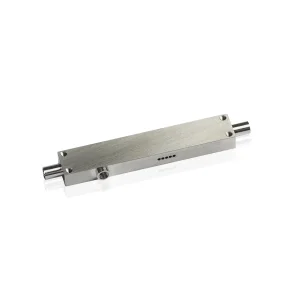
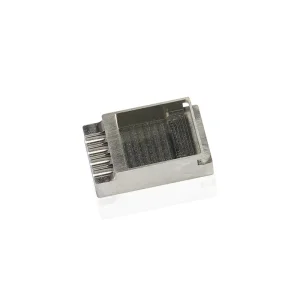
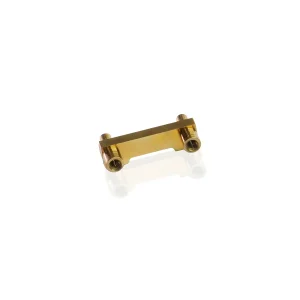
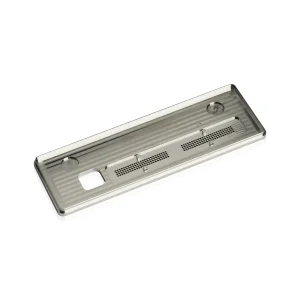
Review our extensive range of high-precision components, ESG-validated hermetic seal connectors, and ultra-durable industrial interfaces.
 Xinyunyang Precision