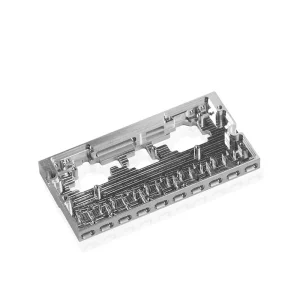
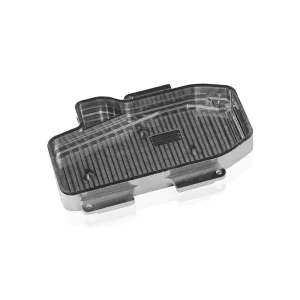
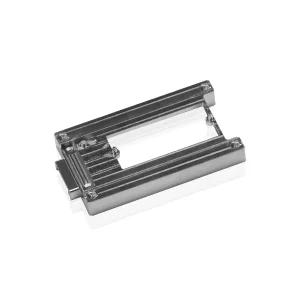
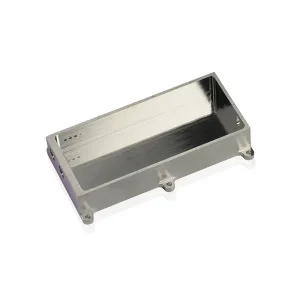
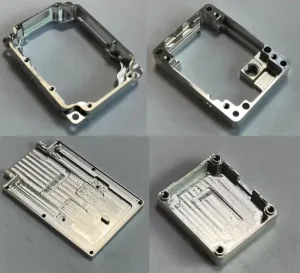
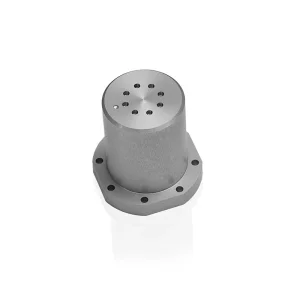
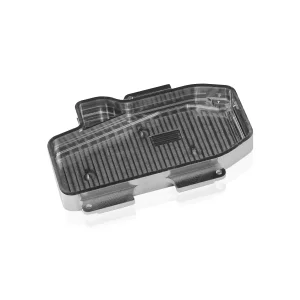
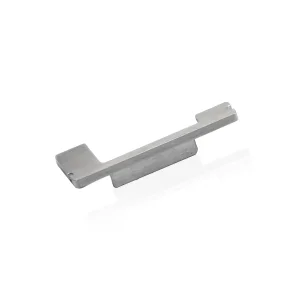
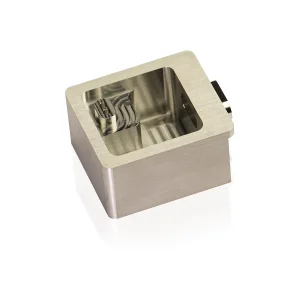
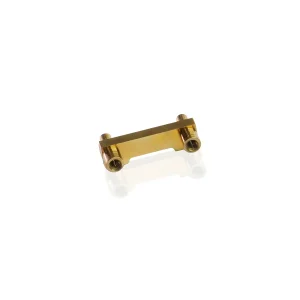
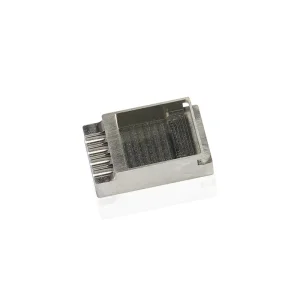
Advanced structural components developed through zero-tolerance multi-axis CNC fabrication.
In the contemporary digital-physical manufacturing sphere, the term "Wholesale CNC Machine And Design Factories" has progressed far beyond the realm of conventional component outsourcing. The modern supply chains driving the semiconductor, optoelectronics, aerospace, and biomedical sectors demand an unprecedented level of micro-dimensional integrity and metallurgical customization. Micro-precision manufacturing is no longer defined merely by mechanical throughput; it is defined by the integration of design engineering with micro-scale tolerance limits.
Internationally, original equipment manufacturers (OEMs) are shifting from generalist metal cutting shops to highly integrated design-to-production entities. Modern precision components require advanced thermodynamic properties, sub-micron spatial accuracies, and high compatibility with hermetic environments. Enterprises such as Xinyunyang Precision Technology Co., Ltd. represent the forefront of this industrial shift, specializing in complex metal structures like Kovar alloy processing, where exact thermal expansion matching is non-negotiable for vacuum integrity and semiconductor packaging viability.
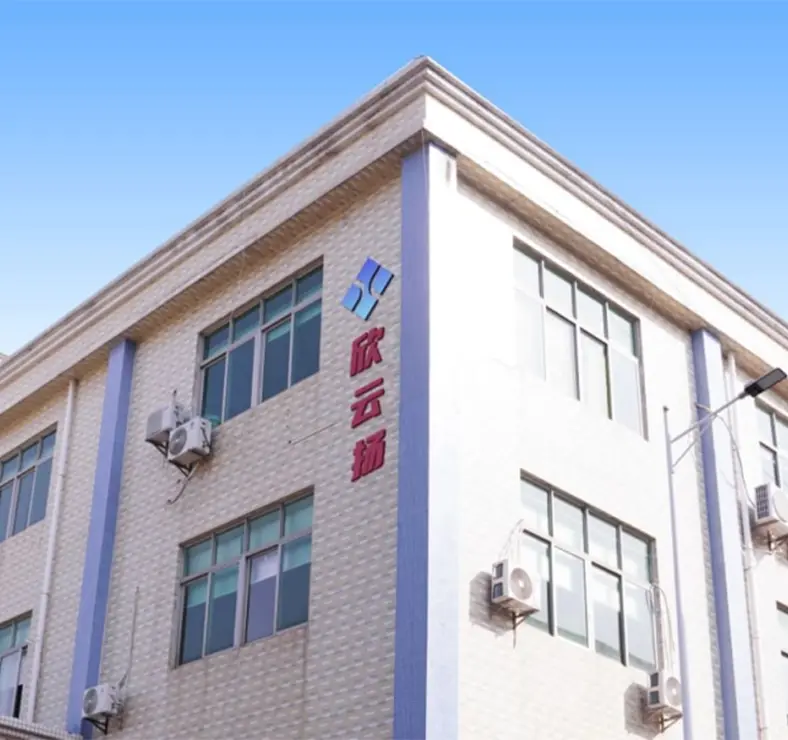
Founded in November 2014, Xinyunyang Precision Technology Co., Ltd. has established itself as an industry benchmark in the specialized field of Kovar and precision hardware processing. Adhering to the foundational enterprise virtues of Integrity, Innovation, Cooperation, and Sharing, the company has spent a decade refining its internal quality assurance systems and expanding its metallurgical capabilities to meet high global standards.
Xinyunyang focuses on Kovar precision processing technology as its core competitiveness. The company is actively committed to offering miniaturized, highly customized, and ultra-reliable metal packaging solutions to global clients operating in high-demand fields, including:
 Semiconductors and Solid-State Sensor Assemblies Advanced Optical Communications and Fiber Optic Housings High-Performance Aerospace Defense Systems Implantable Medical Devices & Bio-compatible Enclosures Next-Generation Energy Grids and Military Grade Componentry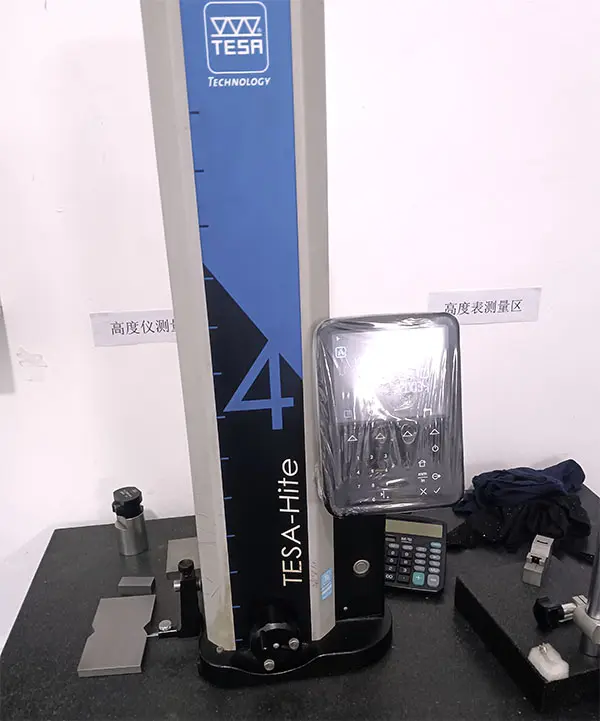
The company maintains a professional team of over 100 people, of which technical and R&D engineers account for 30%. This structure ensures that DFM feedback is provided swiftly and technical feasibility is rigorously evaluated.
Core members have been deeply engaged in precision metal processing for more than ten years. The engineering team continuously explores composite processing methodologies for specialty alloys such as Kovar (4J29) and Titanium, matching developments in AI and 5G technology.
With an ISO 9001 certified quality management system and an intelligent production scheduling system, Xinyunyang has successfully optimized the delivery efficiency of regular orders by 15%-20%, serving as a reliable supplier in the global manufacturing chain.
How downstream cluster integration and advanced automation drive rapid turnaround times without compromising accuracy.
Why do international enterprises prioritize partnering with Chinese precision factories like Xinyunyang? The answer lies in the highly integrated supply chain ecosystem. Unlike isolated facilities in regions with fragmented manufacturing footprints, Chinese industrial centers consolidate metal smelting, design validation, chemical surface treatment (e.g., gold plating, nickel plating), and rapid prototype validation within highly localized hubs.
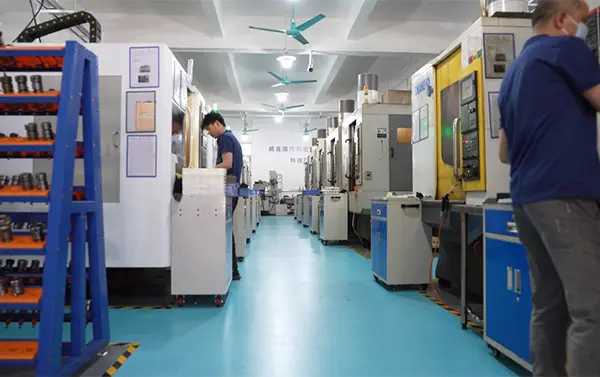
This integration is enhanced by systematic digital management. Our implementation of an intelligent scheduling system bridges the gap between raw supply procurement and multi-axis milling operations. When combined with advanced multi-axis machining centers, it allows Xinyunyang to reduce total product cycle times significantly.
Furthermore, local technical expertise enables fast design alterations. Our engineers can analyze structural specifications, identify potential mechanical issues, suggest alloy adjustments, and start production runs within timeframes that are difficult to match elsewhere in the industry.
Understanding the strict micro-tolerances and thermal expansion characteristics required for hermetic validation.
At the center of high-reliability microelectronics is the requirement for stable hermetic seals. Variations in temperature can cause unequal thermal expansion between glass, ceramics, and metals, potentially leading to micro-fractures that compromise vacuum integrity. Kovar (an iron-nickel-cobalt alloy, also known as ASTM F15 or 4J29) is formulated to exhibit thermal expansion characteristics that closely match those of borosilicate glasses and alumina ceramics across a wide temperature spectrum.
Machining Kovar presents distinct mechanical challenges. It is a work-hardening material that requires careful heat management during cutting. Standard milling methods can easily work-harden the surface, leading to accelerated tool wear and compromised dimensional accuracy. At Xinyunyang, our tooling experts adjust cutting speeds, feed rates, tool geometries, and cooling pathways to process Kovar without altering its internal grain structure or physical characteristics.
By using customized carbide tooling and state-of-the-art multi-axis CNC machines, we consistently achieve surface roughness values of Ra 0.4 or lower. This precision is critical for subsequent plating processes (such as gold, silver, or chemical nickel plating), which are essential for preventing oxidation and ensuring reliable brazing operations in optoelectronic and aerospace assemblies.
| Material Designation | Primary Composition | CTE (Coefficient of Thermal Expansion) | Common Industrial Application | Machining Complexity Rating |
|---|---|---|---|---|
| Kovar Alloy / 4J29 | Fe 54%, Ni 29%, Co 17% | 5.1 × 10⁻⁶/°C (30°C - 400°C) | Glass-to-metal seals, fiber-optic transceiver housings | High (Work-Hardening) |
| Invar 36 | Fe 64%, Ni 36% | 1.2 × 10⁻⁶/°C (up to 100°C) | Laser positioning parts, scientific instruments | Medium-High |
| Titanium Grade 5 (Ti-6Al-4V) | Ti 90%, Al 6%, V 4% | 8.6 × 10⁻⁶/°C (20°C - 100°C) | Aerospace structural components, medical implants | Very High |
| Aluminum Alloy 6061-T6 | Al 97.9%, Mg 1.0%, Si 0.6% | 23.5 × 10⁻⁶/°C (20°C - 100°C) | Electronic enclosures, lightweight frames | Low-Medium |
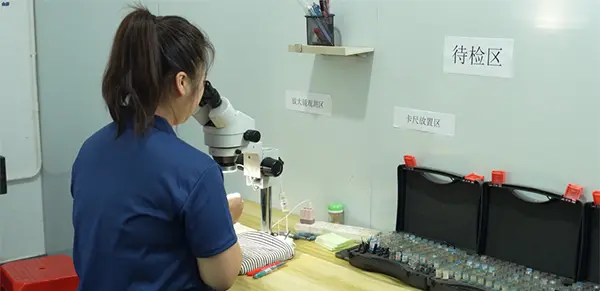
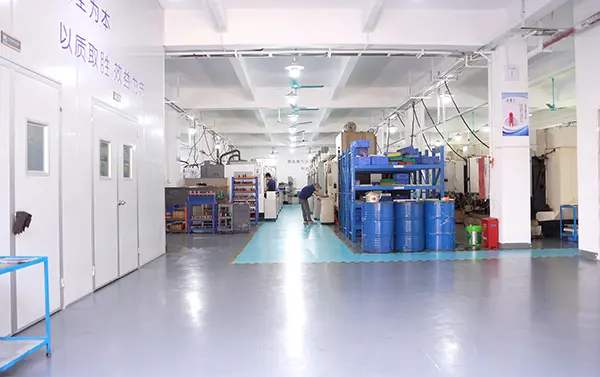
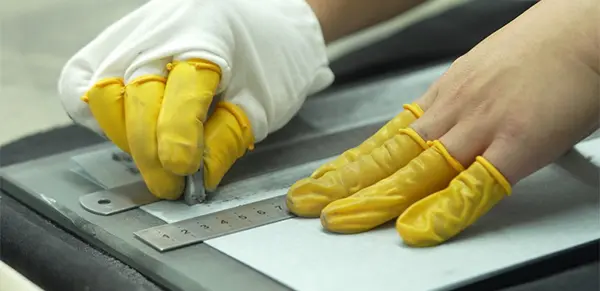
A closer look inside Xinyunyang's cleanrooms, quality testing facilities, and multi-axis production areas.
How smart tooling, micro-miniaturization, and green initiatives are shaping the next generation of manufacturing.
As semiconductor packaging requirements move toward higher densities, the demand for physical components with very small form factors has accelerated. Modern transceiver housings and hermetic lids require micro-grooves, ultra-thin walls, and complex internal channels that can only be produced using high-precision multi-axis machining centers. By combining milling, turning, and thread-cutting into a single setup, modern facilities reduce part handling and maintain accurate geometric tolerances across multiple features.
Environmental responsibility is increasingly important in global supply chain management. Procurement teams now require production processes that minimize material waste and energy consumption. At Xinyunyang, we support sustainable practices by optimizing cutting patterns to reduce scrap metal, using bio-degradable cutting fluids, and offering green manufacturing options for 4J29 Kovar alloy processing to lower the overall environmental footprint of production runs.
A structured approach for sourcing and hardware engineering managers seeking to minimize supply chain risk.
Verify that the factory has documented experience machining specialty alloys like Kovar, Invar, and Titanium. Standard carbon steel practices do not translate directly to these specialized materials.
Confirm the facility holds valid ISO 9001 certifications. Inquire about their quality control instrumentation, including Coordinate Measuring Machines (CMM) and optical comparators.
Look for manufacturers using modern Manufacturing Execution Systems (MES). Automated production scheduling improves tracking, maintains consistent lead times, and reduces delays.
Detailed technical answers to common questions encountered during the design and procurement of precision metal components.
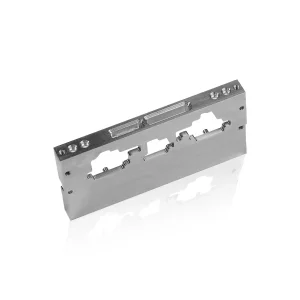
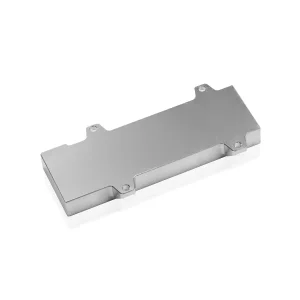
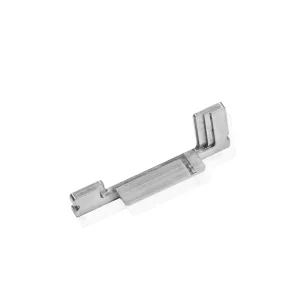
Specialty alloy structures, rapid prototyping models, and custom micro-connectors.
 Xinyunyang Precision