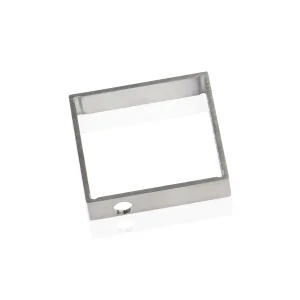
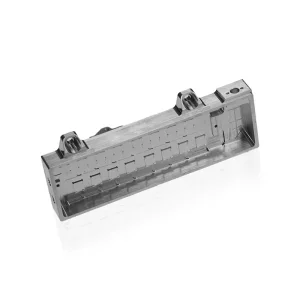
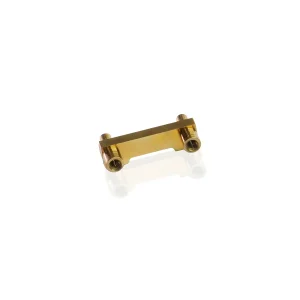
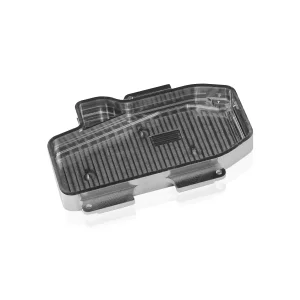
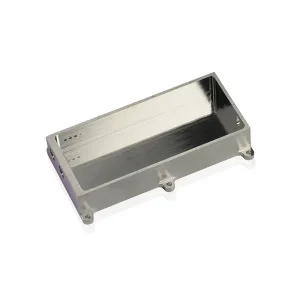
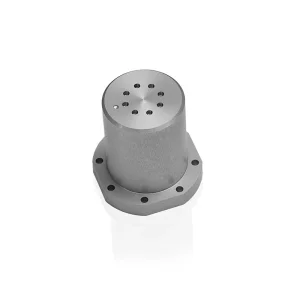
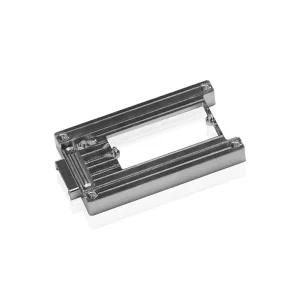
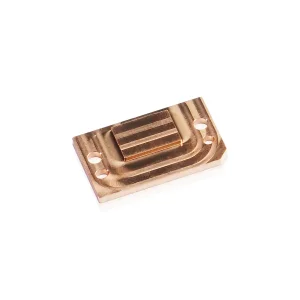
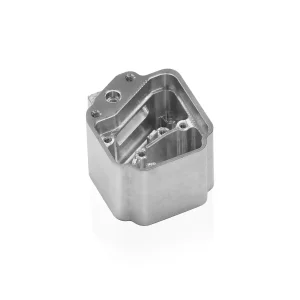
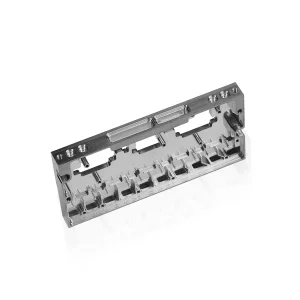
Explore our elite selection of high-precision metal structural frames, optical housings, and Kovar alloy customized CNC parts engineered for zero-failure electronic packaging applications.
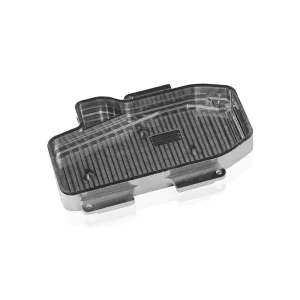
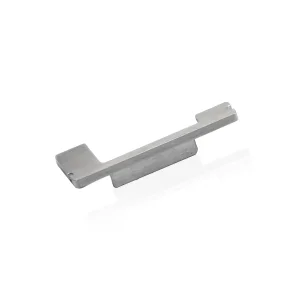
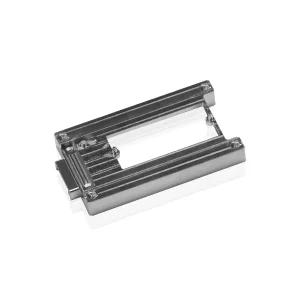
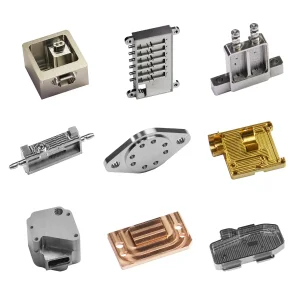
In the rapidly advancing landscape of high-density interconnects (HDI) and microelectronics, the demand for structural integration and hermetic safety has reached an unprecedented scale. Under the strict specifications of IPC-6012 (Qualification and Performance Specification for Rigid Printed Boards), Class 3 and Class 3A electronics (which govern aerospace, space exploration, defense, and high-reliability industrial systems) require printed circuit board assemblies that can survive severe operating environments. Central to this survival is the mechanical housing that provides environmental isolation, electromagnetic shielding, and thermal management.
Kovar Alloy (ASTM F15), a proprietary formulation of iron-nickel-cobalt (composed of approximately 29% Nickel, 17% Cobalt, and the remaining balance Iron), has emerged as the definitive material for high-reliability hermetic enclosures. Its thermal expansion coefficient (CTE) is precisely calibrated to match that of borosilicate glass and alumina ceramic substrates. This exact CTE matching eliminates interfacial mechanical stresses across temperature spikes ranging from -65°C to over 400°C.
When you combine the rigorous electrical and manufacturing standards of IPC-6012 with the advanced metallurgy of Kovar alloy housings, you achieve a flawless hermetic barrier. This integration ensures that the delicate glass-to-metal seals (GTMS) and multi-layered rigid PCBs remain free from micro-cracking, internal delamination, and hermetic degradation over decades of service.
Across the globe, industrial applications are experiencing a monumental shift. The aggressive deployment of 5G/6G communication arrays, active electronically scanned array (AESA) radar systems, high-altitude satellite payloads, and downhole drilling telemetry equipment are driving the demand for specialized packaging solutions. Design engineers are no longer satisfied with standard aluminum housings when packaging next-generation electronics; they require materials that maintain structural dimensions up to the sub-micron scale under intense thermal strain.
As a result, procuring wholesale IPC-6012 Kovar PCB housings has transitioned from a niche requirement to a strategic corporate procurement need. Original Equipment Manufacturers (OEMs) in North America, Europe, and the Asia-Pacific region are prioritizing supply chain partners that can deliver not just raw machining, but full manufacturing integration—including plating, glass-to-metal sealing support, and advanced dimensional verification.
Procuring Kovar housings presents a unique set of technical hurdles. Kovar is notoriously difficult to machine due to its work-hardening characteristics, toughness, and relatively low thermal conductivity. Standard CNC machining processes often lead to severe tool wear, heat accumulation at the cutting edge, and micro-deformations that compromise the housing’s dimensional tolerances (often requiring tolerance limits tighter than ±0.005mm).
Kovar alloy requires optimized feed rates, custom carbide tooling geometries, and specialized flood-cooling techniques to bypass the material’s tendency to work-harden under shear stress.
For high-reliability soldering and glass-to-metal sealing, Kovar housings must undergo gold or nickel electroplating. Maintaining uniform plating thickness inside deep cavities and micro-channels is critical.
Ultimate testing mandates strict helium leak detection protocols, proving a leak rate lower than 1x10^-8 atm·cc/sec, guaranteeing long-term gas-tight protection for internal circuits.
To ensure compliant procurement under the IPC-6012 framework, global enterprises look for manufacturers who demonstrate robust engineering practices. From raw material heat-treatment (stress-relieving annealing processes that ensure internal structural stability during and after CNC milling) to final quality inspection (using advanced coordinate measuring machines or CMM), the entire production workflow must be managed under rigorous quality controls.
In today's global supply chain environment, agility and cost efficiency are as crucial as technical quality. The integration of China's Factory 4.0 initiatives has radically transformed Kovar alloy precision manufacturing. By employing advanced manufacturing operations management systems (MOM), automated intelligent robotic arms, and digital twin monitoring, leading manufacturers can optimize every phase of the CNC cycle.
At our manufacturing facility at Xinyunyang Precision Technology Co., Ltd., we utilize an intelligent production scheduling system integrated with our ISO 9001 certified Quality Management System. This approach improves the response rate and delivery efficiency of regular orders by 15% to 20%. This technological efficiency ensures that we can scale up production of complex, multi-axis milled Kovar housings without experiencing the long lead times that frequently stall high-reliability electronic projects.
Founded in November 2014, Xinyunyang Precision Technology Co., Ltd. has grown to become an industry benchmark in precision metal manufacturing. From the beginning, our company has adhered to its core operational values of Integrity, Innovation, Cooperation, and Sharing.
We focus on Kovar precision processing technology as our core competitive strength. We serve critical industries, deeply cultivating the fields of semiconductors, optical communications, aerospace, medical devices, and defense/new energy industries. Our fundamental mission is to provide miniaturized, highly customized, and ultra-reliable metal packaging solutions to global customers.
 High-precision processing capability Advanced technology & equipment Strict quality control systems Flexible customized OEM/ODM services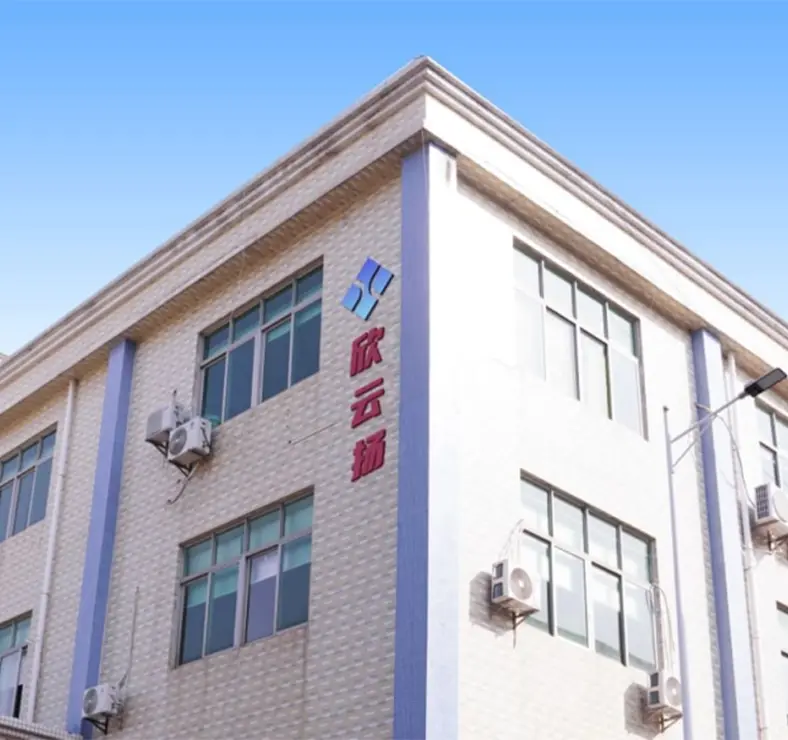
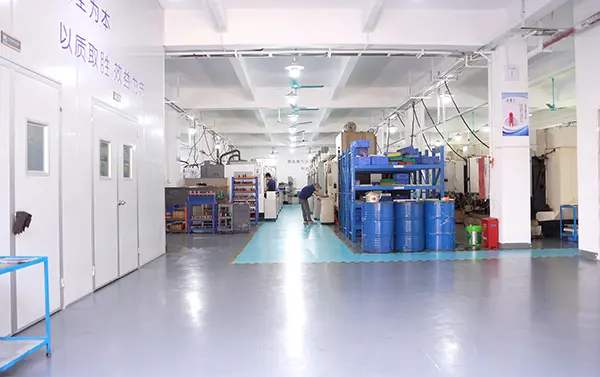
Xinyunyang Precision Technology Headquarters & Machining Facility
How our integrated engineering and design infrastructure supports high-reliability demands across global aerospace and telecom industries.
Our company maintains a dedicated, professional team of over 100 people. Out of this comprehensive talent pool, technical engineers account for 30%, giving us the engineering depth required to address complex manufacturing challenges.
Our core members have been deeply engaged in precision metal processing for over ten years. We continue to explore composite processing technologies for special metals like Kovar and titanium alloys, and actively track cutting-edge packaging needs in 5G, artificial intelligence, and new energy.
With our ISO 9001 certified quality management system and advanced intelligent scheduling system, we have boosted the delivery efficiency of regular orders by 15%-20%, serving as a key supplier with both technical depth and service breadth in the global high-end manufacturing industry chain.
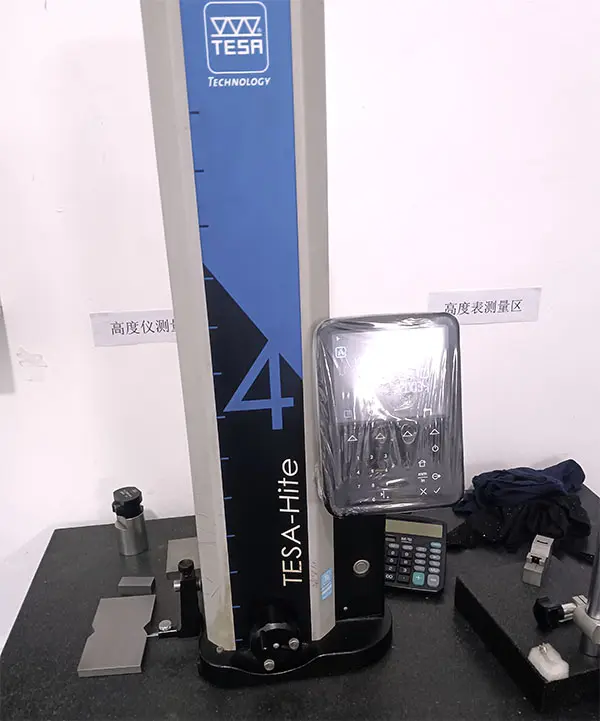
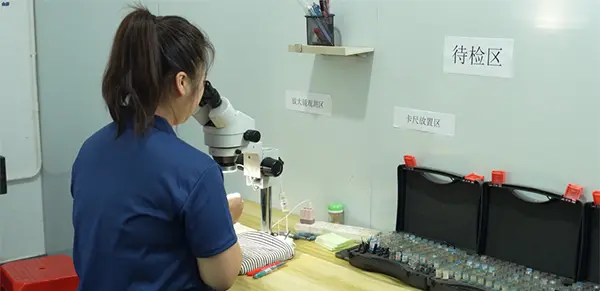
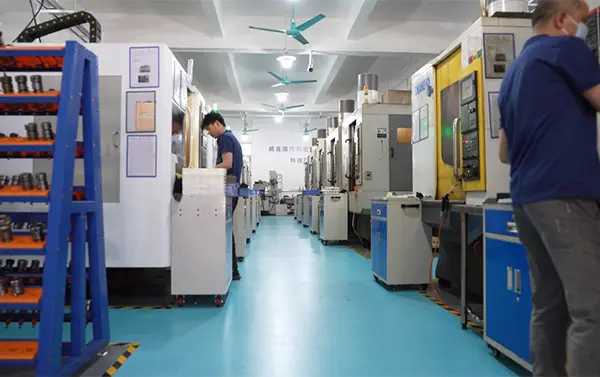
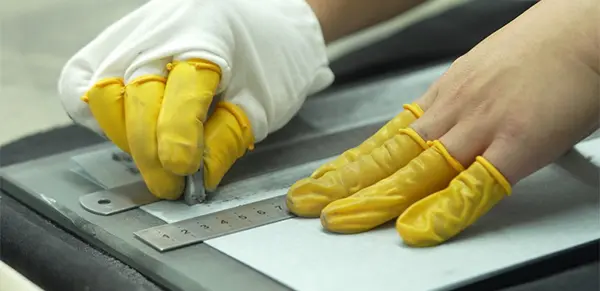
A transparent look at our advanced manufacturing floor, precision machinery, and state-of-the-art testing facility.
The extreme versatility of Kovar alloy has led to its deployment in a variety of challenging environments across the globe. By aligning our production techniques with localized geographic requirements and specific industry demands, Xinyunyang supports key global projects:
Subsea laser repeaters and high-bandwidth 5G/6G optical transceivers rely heavily on Kovar frames and housings. Located hundreds of meters deep under the sea or exposed on towers in tropical environments, these housings must maintain consistent hermetic sealing over a service life exceeding 25 years. The CTE match between Kovar and the optical glass fibers prevents signal loss caused by micro-deformations in the fiber alignments.
In downhole petroleum exploration, electronic packages must withstand temperatures up to 250°C and pressures exceeding 20,000 psi. In these environments, PCBs designed to meet IPC-6012 Class 3 requirements are protected inside thick-walled Kovar housings. This design shields the delicate sensing arrays from ambient gases and corrosive moisture while maintaining a reliable hermetic barrier.
Modern defense systems use Active Electronically Scanned Array (AESA) radar systems that generate significant amounts of heat. Because these systems are frequently subjected to rapid high-altitude thermal cycles, the integration of Kovar housings ensures that ceramic RF multi-chip modules do not experience solder joint fatigue, micro-cracking, or structural failures during high-G flight maneuvers.
Expert technical answers to common questions regarding IPC-6012 requirements, Kovar machining, and structural hermetic packaging design.
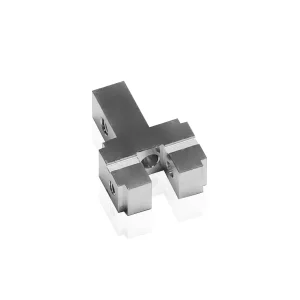
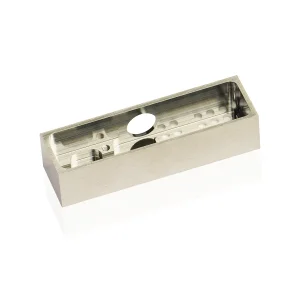
Discover more high-precision specialized connectors, mounting packages, and CNC metal housings optimized for industrial, medical, and communication markets.
 Xinyunyang Precision