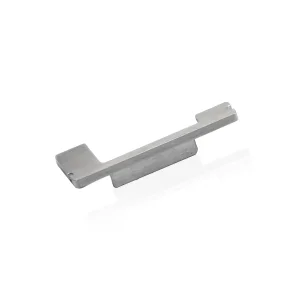
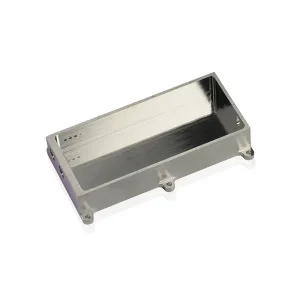
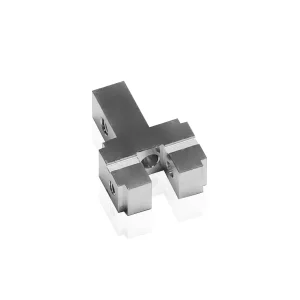
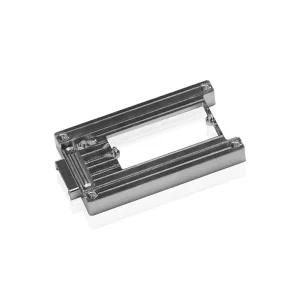
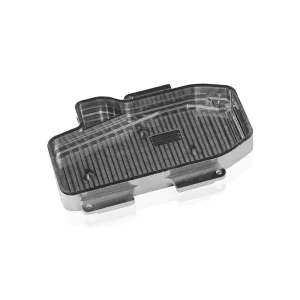
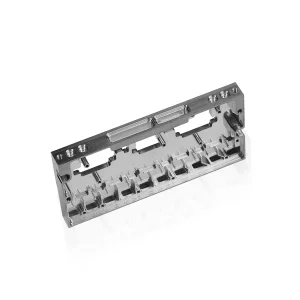
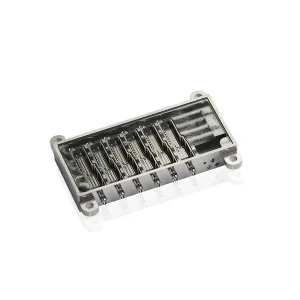
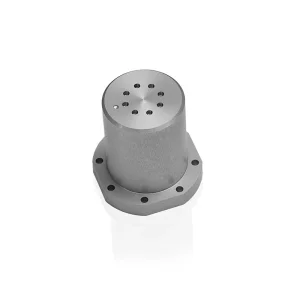
Analyzing structural growth, metallurgical compliance, and global market dynamics of Controlled Expansion Fe-Ni-Co alloys.
Kovar alloy (referenced internationally as ASTM F15, UNS K94610, and Werkstoff Nr. 1.3981 / 4J29 in standard Chinese industrial classifications) represents the cornerstone of controlled-thermal-expansion engineering. This structural formulation of approximately 29% nickel (Ni), 17% cobalt (Co), and remaining balance of iron (Fe) is designed specifically to exhibit a coefficient of thermal expansion (CTE) of approximately 4.7 ± 0.2 × 10⁻⁶/°C from a room temperature envelope up to 400°C. This linear thermal response mimics precisely the dilation profiles of borosilicate glasses (such as Pyrex or Corning 7052) and high-density alumina ceramics.
In modern industrial landscapes, the demand for high-reliability hermetic sealing systems has surged dramatically. Driven by expansion in high-frequency 5G/6G RF microwave networks, deep-space optoelectronic linkages, advanced cryogenic research, and implantable bio-electronic arrays, engineers face a non-negotiable directive: eliminate localized vacuum leaks at all costs. In these environments, material failure equates to catastrophic system loss. Consequently, procurement protocols are shifting from low-cost, short-lifecycle components to elite-grade materials backed by strict Quality Assurance guarantees, often referred to in structural procurement contracts as a "Lifetime Warranty."
Globally, the market is segmented between upstream vacuum induction melting (VIM) / vacuum arc remelting (VAR) raw stock metal suppliers and specialized downstream precision CNC fabricators. However, a systemic friction persists. Many standard component factories lack the proprietary tooling and thermodynamic knowledge necessary to maintain the structural phase stability of Kovar throughout high-stress material removal processes. When raw alloy structures are subjected to excessive thermal cycles or sub-par grinding matrices during fabrication, their crystalline configuration can transition from stable gamma austenite to alpha martensite, leading to critical dimensional deformation and seal compromise under operational extremes.
Empirical technical criteria verified in Xinyunyang’s metallurgical QA chambers.
A "Lifetime Warranty" in the vacuum metallurgy segment is not a simple marketing claim. It is a precise commitment backed by absolute structural compliance. For a Kovar alloy shell or feedthrough structure to achieve lifetime sealing integrity under thermal fluctuation and high humidity, we execute three rigorous thermodynamic and processing steps:
Ensuring Kovar remains in its face-centered cubic (FCC) gamma phase down to -196°C (liquid nitrogen cooling). Standard suppliers risk premature martensitic transformation (BCC phase shift) which introduces micro-fractures, volumetric expansion, and sudden seal failures.
Before bonding with molten glass, components undergo decarburization followed by tightly controlled pre-oxidation. A uniform, intergranular oxide skin (mostly Fe3O4 and FeO, free from crumbly Fe2O3 hematite) is generated, forming the critical chemical interdiffusion zone.
Precision CNC machining leaves residual mechanical stresses. Xinyunyang implements deep-vacuum thermal cycles reaching 850°C to 1050°C. This homogenizes the grain structures, eliminates micro-stresses, and secures the lifetime integrity of the final seal.
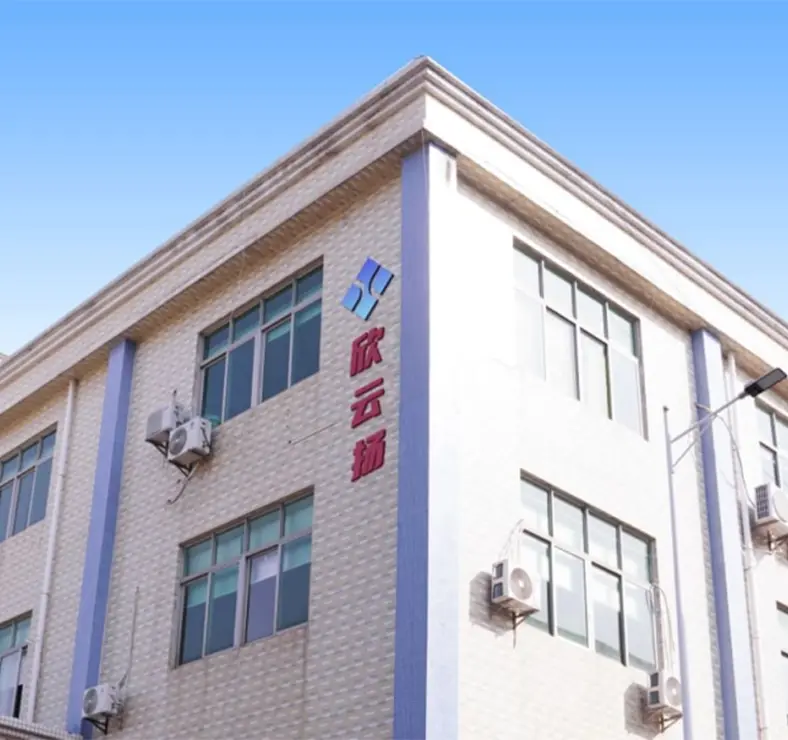
Founded in November 2014, Xinyunyang has adhered to its core values of Integrity, Innovation, Cooperation, and Sharing. Over years of dedicated material refinement and high-precision CNC manufacturing, we have positioned ourselves as a premier supplier of hermetic package lids, Kovar alloy components, and high-performance metal housings in China and global markets.

Achieving tolerances down to ±0.005mm using premium Japanese/Swiss CNC multi-axis machines.
Specialized micro-drilling, ultra-flat milling, and controlled-atmosphere vacuum furnace suites.
ISO 9001:2015 certified workflows complete with full spectral material verification certificates.
Providing expert rapid prototyping (from 1 piece) to full-scale mass production runs.
Our engineering roster exceeds 100 high-tier professionals, with 30% representing senior metallurgical, aerospace packaging, and mechanical CAD/CAM simulation engineers.
Core research teams boast more than a decade of experience in special metal processing, continuously testing micro-drilling limits of high-purity Kovar (4J29), Invar-36, and pure Titanium alloys.
Integrating dynamic production routing and digital MES suites boosts raw material utilization by 12% and accelerates standard order turnaround by 15% to 20% compared to traditional systems.
In high-reliability markets, manufacturing speed, supply stability, and volume capacity are critical for complex programs. Procurement managers sourcing Kovar components globally often encounter high cost barriers, long lead times, and brittle supply chains when working with boutique domestic workshops in the West. Operating within China's premier high-tech industrial cluster offers significant strategic advantages:
Where standard alloy grades fail, Xinyunyang’s specialized Kovar parts perform flawlessly under extreme operating environments.
Military and commercial satellites operate in hard vacuum systems subject to rapid temperature swings from -120°C to +150°C. Our Kovar protective assemblies, sensor housings, and signal connector shells maintain leak-proof seals under high vibration, protecting sensitive interior electronics and optical pathways from cosmic radiation and micro-meteorite impacts.
High-speed fiber transceiver designs, 40GHz+ optoelectronic modules, and subsea repeaters demand reliable protection against moisture ingress and thermal drift. Xinyunyang’s 5G-optimized Kovar alloy enclosures provide consistent, long-term CTE matching with optical laser diodes and quartz lenses, securing reliable signal transmission for decades.
For implantable pacemakers, cochlear stimulators, and down-hole chemical monitors, biological hermeticity is vital. Our biocompatible electro-polished Kovar shells, paired with matching borosilicate or high-grade alumina glass interfaces, prevent body fluid intrusion and safeguard inner micro-circuitry over the system's entire service life.
Take a digital tour inside Xinyunyang’s state-of-the-art precision workshop floor, QA chambers, and research facilities.
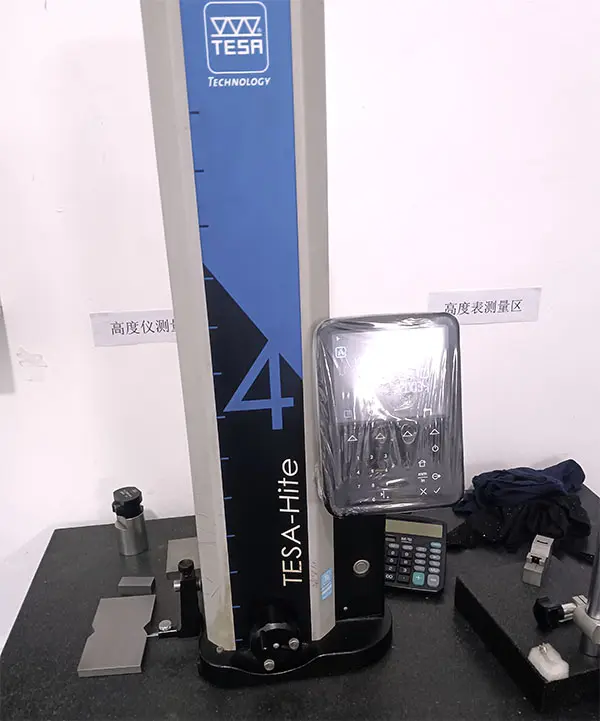
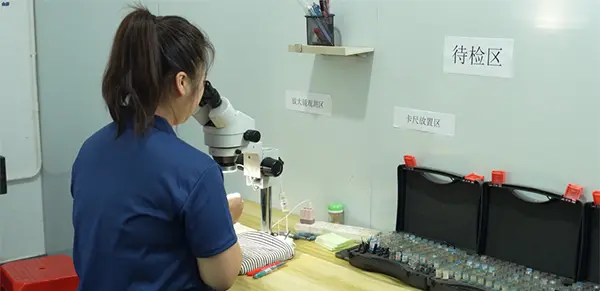
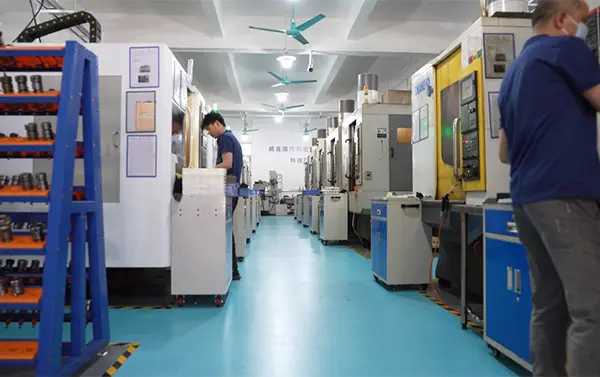
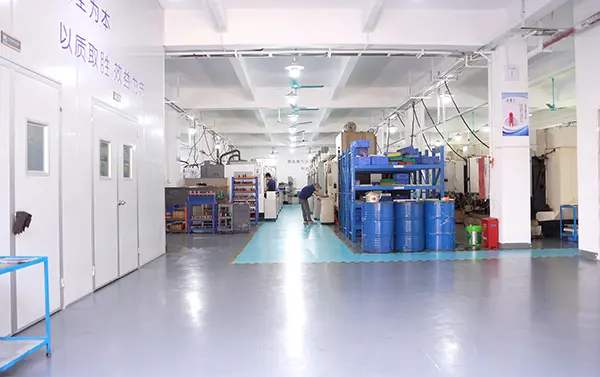
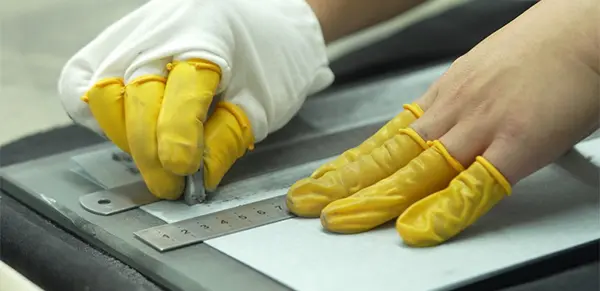
The pace of modern engineering demands continuous material innovation. While traditional ASTM F15 / 4J29 Kovar alloys have served the aerospace and electronics industries reliably for decades, newer, more demanding application environments are pushing the limits of current material science. Xinyunyang’s R&D team remains at the forefront, developing advanced solutions for next-generation packaging challenges:
To address heat dissipation challenges in high-frequency radar modules, we are developing hybrid solutions that combine structural Kovar rims with high-conductivity Aluminum Silicon Carbide (AlSiC) bases. This approach pairs the excellent thermal conductivity of AlSiC (up to 200 W/mK) with the precise glass-sealing capabilities of Kovar.
As medical implants and portable optical devices shrink, feedthrough diameters are falling below 0.3mm. Our micro-machining cells leverage specialized high-speed spindles (up to 60,000 RPM) to machine ultra-fine Kovar pins and headers with exceptional surface finishes, ensuring hermetic seal integrity even at sub-millimeter scales.
We actively champion green manufacturing by using high-efficiency, biodegradable ester-based cutting oils. Our facility features closed-loop mist filtration systems and advanced scrap alloy briquetting presses, helping us reduce our carbon footprint, maintain high material recovery rates, and support environmentally conscious global supply chains.
To support a true "Lifetime Warranty" standard, every Kovar precision component undergoes a rigorous, multi-tiered quality control process before leaving our facility. This comprehensive testing regimen ensures reliable field performance, even under extreme operational stresses:
Professional insights into material selection, heat treatment, and custom glass-to-metal sealing.
Kovar is a highly ductile, "gummy" material that tends to work-harden rapidly during machining, which can cause excessive tool wear, micro-tearing on finished surfaces, and internal stress buildup. Xinyunyang overcomes these challenges by using specialized sub-micron carbide tooling with optimized geometries, high-pressure cooling systems, and proprietary cutting feeds. Additionally, we perform vacuum stress-relief annealing after machining to restore the material's stable austenitic grain structure, ensuring long-term dimensional stability.
A reliable hermetic seal relies on a chemical bond between the glass and the oxide layer on the Kovar surface. First, the Kovar component undergoes hydrogen decarburization to remove surface carbon. Next, we apply a tightly controlled pre-oxidation treatment to grow a thin, uniform intergranular oxide layer (primarily Fe3O4/FeO). During the sealing process, the molten borosilicate glass dissolves a portion of this iron oxide, forming a strong, hermetic chemical bridge between the metal and the glass substrate.
These terms refer to the same basic controlled-expansion alloy system. ASTM F15 is the standard specification set by the American Society for Testing and Materials. 4J29 is the corresponding Chinese national standard (GB/T 14985). UNS K94610 is the Unified Numbering System designation. While chemically nearly identical (typically containing 29% Ni, 17% Co, and balance Fe), minor differences in trace element limits can occur depending on the specific standard, which Xinyunyang verifies via mill test certifications.
When unannealed Kovar is subjected to sub-zero temperatures (such as cryogenic systems or deep-space environments), residual mechanical stresses can trigger an irreversible phase transition from the stable gamma austenite phase to the brittle alpha martensite phase. This transition is accompanied by a volumetric expansion that can warp the component, distort tolerances, and compromise the hermetic glass-to-metal seal. Deep-vacuum stress-relief annealing prevents this phase change, ensuring stable performance down to -196°C.
We are committed to reducing our environmental impact by using eco-friendly, biodegradable ester-based coolants and lubricants instead of traditional petroleum-based oils. Our manufacturing facility utilizes high-efficiency scrap reclamation systems and closed-loop filtration setups to recycle materials and minimize waste. These sustainable practices allow us to provide high-quality Kovar solutions while helping our global partners meet their environmental and sustainability goals.
 Xinyunyang Precision