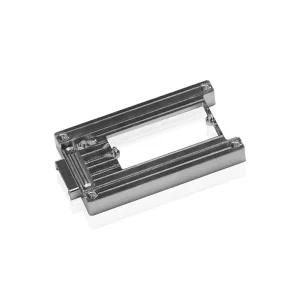
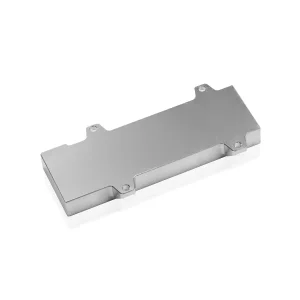
Deploying cutting-edge alloy post-machining capabilities to support aerospace, telecom, and deep-space hermetic engineering applications.
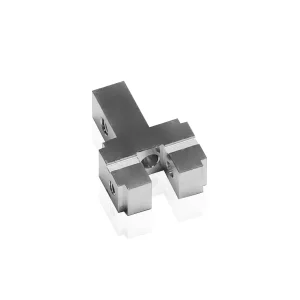
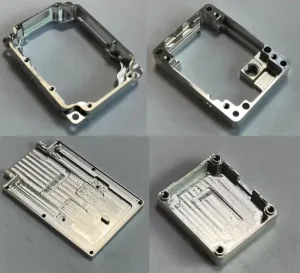
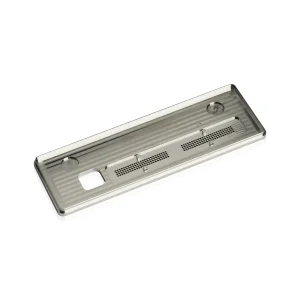
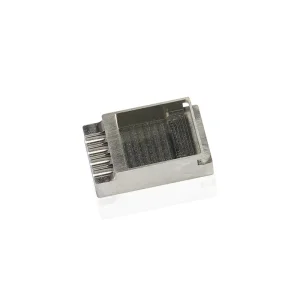
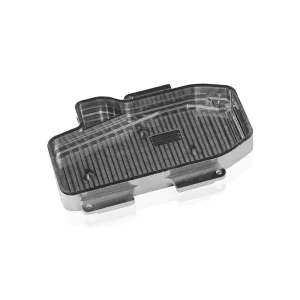
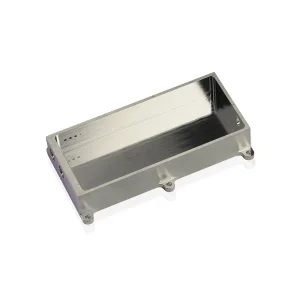
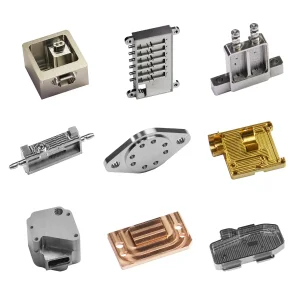
In the landscape of modern heavy industrial manufacturing, defense systems, and commercial electronics, the requirement for lightweight, structurally sound, and complex structural parts has never been more pressing. Machining cast aluminum sits at the intersection of metallurgy and advanced mechanical engineering.
Historically, manufacturers were forced to choose between the cost-effectiveness of casting and the precision-driven tolerances of wrought CNC machining. Today, leading wholesale machining cast aluminum manufacturers bridges this gap by integrating state-of-the-art foundry techniques with micro-tolerance computer numerical control (CNC) finishing. By using high-performance casting processes like High-Pressure Die Casting (HPDC), Gravity Die Casting (GDC), and sand molding, and augmenting them with secondary high-speed CNC milling, drilling, and tapping, modern engineering facilities offer parts that boast unmatched structural integrity, isotropic physical properties, and dimensions accurate to within microns.
This whitepaper offers a comprehensive exploration of the procurement landscapes, metallurgy specifications, manufacturing roadmaps, quality control paradigms, and micro-precision capabilities that enable global sourcing teams to secure high-performance, compliant, and cost-effective cast aluminum components.
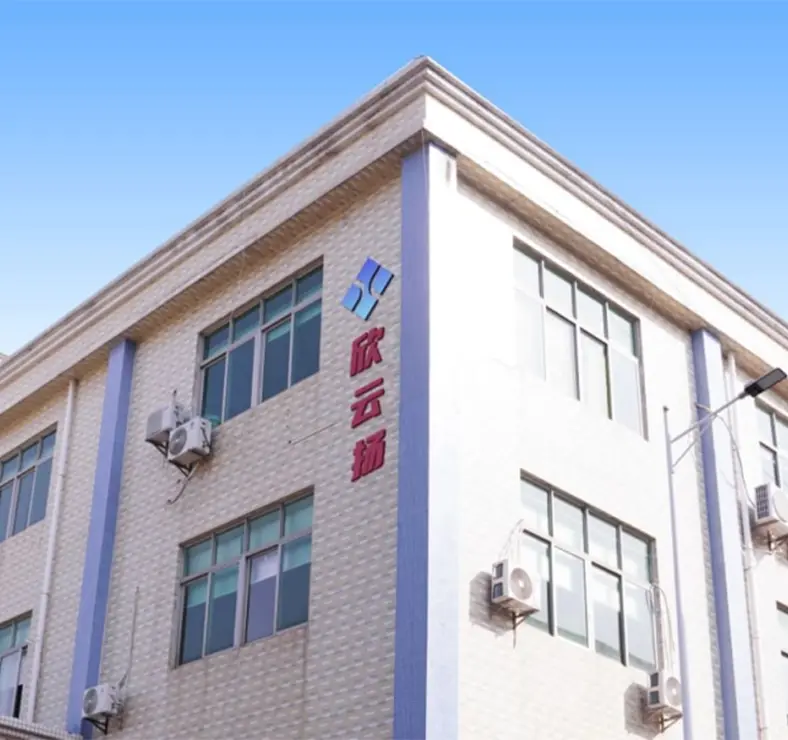
Deep-seated industry experience meeting global standards for customized micro-mechanical and metallurgical supply solutions.
Founded in November 2014, Xinyunyang Precision Technology Co., Ltd. has steadily climbed the ranks of the industry, adhering to its core business principles of Integrity, Innovation, Cooperation, and Sharing. The company focuses on Kovar precision processing technology as its core competitiveness, deeply cultivates the fields of semiconductors, optical communications, aerospace, medical devices and new energy/military industry, and is committed to providing miniaturized, customized and high-reliability metal packaging solutions to global customers.
Our long-term objective is to cement our role as a significant hermetic package lids, Kovar alloy components, and precision parts supplier in China and worldwide. Our success is built upon strategic partnership, customer-first service, and an uncompromising approach to technical precision.
 High-precision processing capability
Advanced technology & equipment
Strict quality control
Flexible customized services
High-precision processing capability
Advanced technology & equipment
Strict quality control
Flexible customized services
Ensuring absolute manufacturing reliability and reduced lead times through deep metallurgical expertise.
The company maintains a high-caliber professional team of over 100 individuals. Emphasizing intellectual capitalization, technical engineers make up 30% of the entire workforce, allowing us to manage extremely demanding client specifications in real-time.
Our core members have been deeply engaged in precision metal processing for more than a decade. We continue to pioneer and refine the composite processing technology of special metals, such as Kovar, titanium alloys, and precision cast aluminum, proactively addressing the cutting-edge packaging demands in 5G infrastructure, artificial intelligence accelerators, and new energy hardware.
Operating under a fully certified ISO 9001 quality management system combined with an intelligent production scheduling system, Xinyunyang has successfully elevated the delivery efficiency of regular orders by 15% to 20%. This establishes our position as a primary partner offering deep technical proficiency and exceptional service breadth across the global supply chain.
How modern strategic procurement departments align casting technologies with high-performance operational environments.
In aerospace, weight reduction corresponds directly to fuel economy and payload capacity. Aerospace-grade cast alloys such as A356-T6, post-machined to ultra-tight specifications, serve as light structural framing, sensor housings, and environmental control system manifolds. Sourcing managers must evaluate manufacturers on their capacity to run non-destructive testing (NDT), such as X-ray radiography and dye penetrant testing, to guarantee that no internal casting voids or gas porosity issues compromise parts operating in high-vibration, low-pressure environments.
Within semiconductor manufacturing facilities, components are subjected to aggressive chemical gases, high RF power levels, and ultra-high vacuum conditions. Cast aluminum chambers, finished via precision CNC milling, must possess extremely smooth surfaces (often requiring surface finishes under Ra 0.4μm) and specialized anodization layers to avoid particulate shedding. Sourcing from wholesale manufacturers who understand Kovar-to-aluminum thermal matching, structural stabilization, and vacuum-tight sealing techniques is critical for microchip yield stabilization.
5G optical modules, radio units, and heavy-duty industrial transceivers generate tremendous thermal output. Cast aluminum is the material of choice for complex heatsink structures due to its excellent thermal conductivity (ranging from 120 to 180 W/m·K depending on the alloy selection). Because of the complex array of high-aspect-ratio cooling fins, die-casting is used to form the base geometry, followed by high-speed CNC operations to fly-cut mating faces, ensuring a flat interface with thermal interface materials (TIMs) and electronics packages.
Navigating cast metallurgy challenges to optimize strength, weight, corrosion resistance, and finish quality.
Selecting the correct cast formulation dictates the mechanical yield limits of the final component:
Casting forms the structural core; CNC machining provides the functional finish. The challenges include:
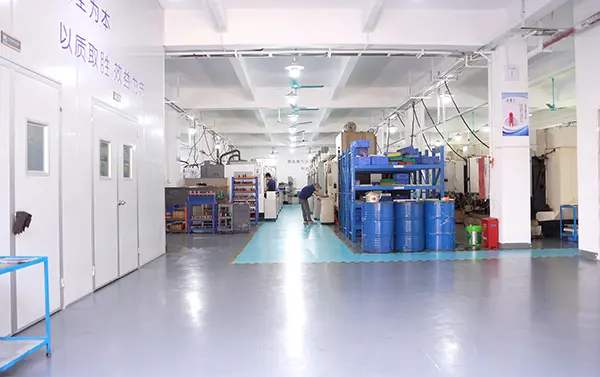
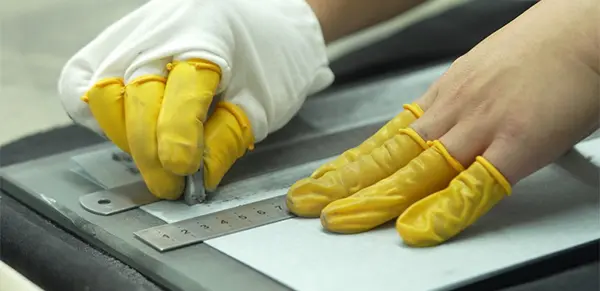
Inside our state-of-the-art production floors, environmental-control laboratories, and quality inspection hubs.
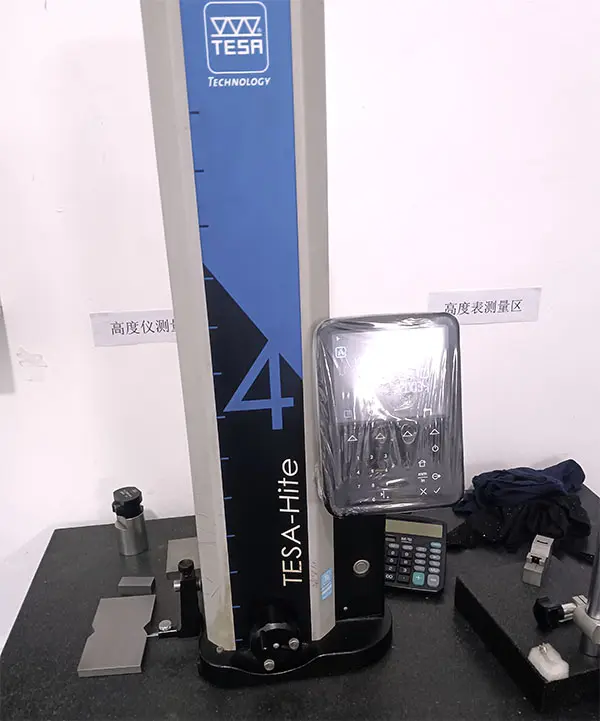
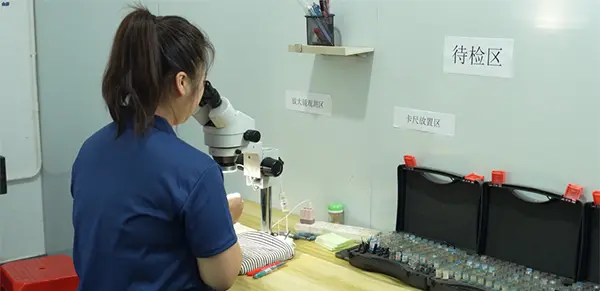
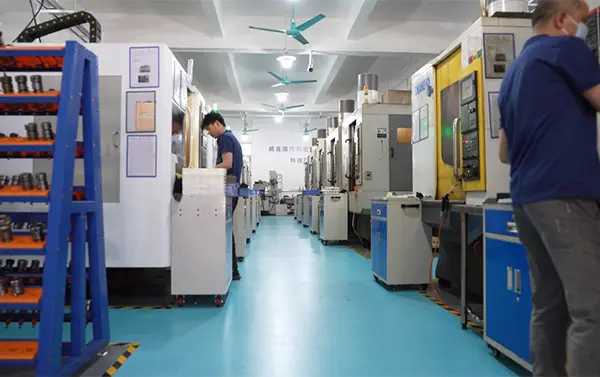
Ensuring that high-performance metallurgy matches modern socio-economic and environmental mandates.
In modern industrial procurement, selecting a supplier goes beyond reviewing mechanical blueprints. Global sourcing leaders must confirm compliance across environmental, social, and governance (ESG) paradigms. High-performance aluminum casting requires a significant footprint of heat and power; hence, sourcing from manufacturers that actively implement energy recovery systems and work with clean-source aluminum ingot suppliers is vital for corporate sustainability reporting.
At the same time, compliance standards such as RoHS (Restriction of Hazardous Substances), REACH (Registration, Evaluation, Authorisation and Restriction of Chemicals), and conflict-free mineral declarations are strictly verified. All components, packaging materials, and plating solutions are fully validated against these global standards. For critical aerospace, communication, and medical infrastructure, our certifications assure complete peace of mind, shielding our global clientele from administrative hold-ups or custom inspection delays in Europe, North America, and beyond.
Answering critical engineering questions regarding cast aluminum alloys, post-machining operations, and quality assurance.
A: Cast aluminum is melted and poured into molds, resulting in isotropic physical properties—meaning it handles mechanical stress uniformly in all directions. It is highly cost-effective for complex, curved geometries. Wrought aluminum (like 6061-T6 plate or bar stock) is extruded, providing high directional strength but restricted to simpler base shapes. Post-machining on castings allows you to achieve the tightest tolerances (<±0.005mm) while benefiting from the complex geometries enabled by casting.
A: Micro-porosity is a natural characteristic of cast metals caused by trapped gas during solidify cycles. We manage this through (1) advanced die-flow simulations to optimize gate configurations; (2) real-time thermal controls of our steel molds; and (3) vacuum impregnation using heat-cured polymer resins when pressure-tight hermetic seals are demanded by the client application.
A: Yes, but with specific considerations. High-silicon alloys (like A380/ADC12) do not anodize with the same uniform cosmetic brilliance as low-silicon wrought alloys (like 6061). A356 anodizes well, producing a highly durable defensive oxide layer. For high-silicon castings, we recommend specialized chemical conversion coatings, electro-less nickel plating, or powder coatings for superior surface protection and optimal electrical performance.
A: We run comprehensive inspection loops including Spectrographic Chemical Analysis to verify alloy ratios, Coordinate Measuring Machines (CMM) to verify dimensional positions, X-ray non-destructive testing for internal voids, and Helium Leak Mass Spectrometer testing for hermetically sealed electronics packaging housings.
A: Combining Kovar alloys (low thermal expansion, high hermetic reliability) with high-dissipation aluminum components is a core capability at Xinyunyang. Since 2014, we have mastered the challenging parameters of machining and mating these materials to prevent thermal mismatch failures in rugged environments like aerospace and 5G optical transmission.
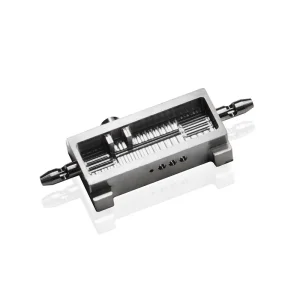
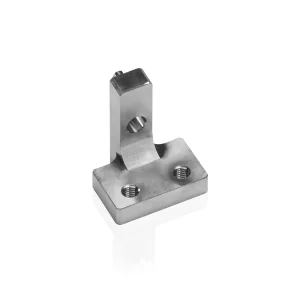
Direct procurement links to our engineered systems, specialized contacts, and micro-machining components.
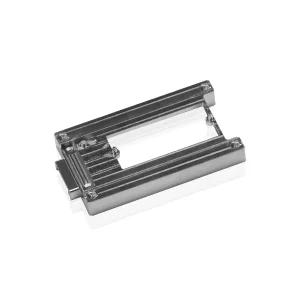
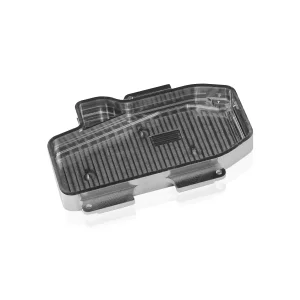
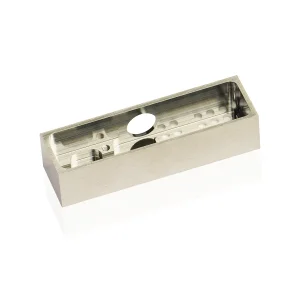
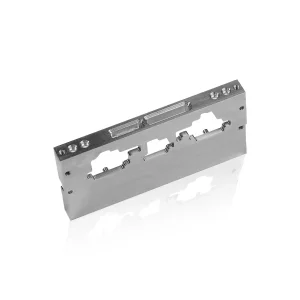
 Xinyunyang Precision