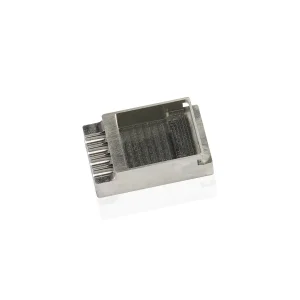
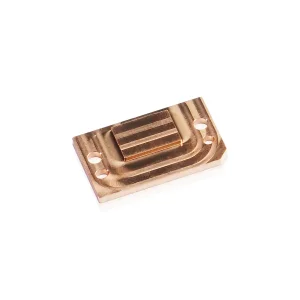
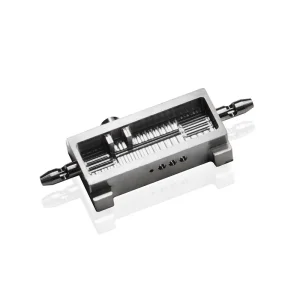
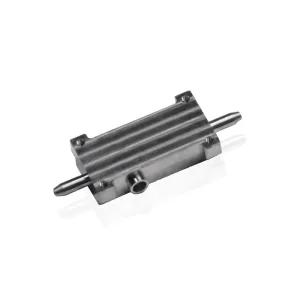
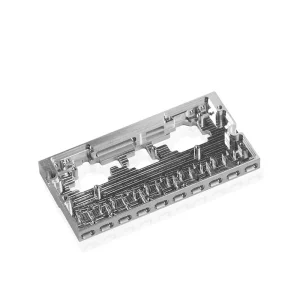
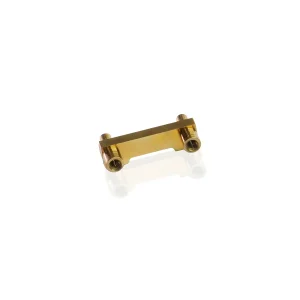
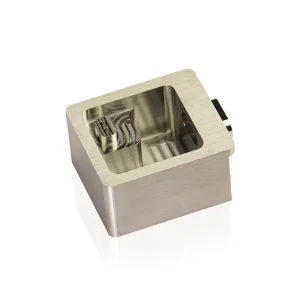
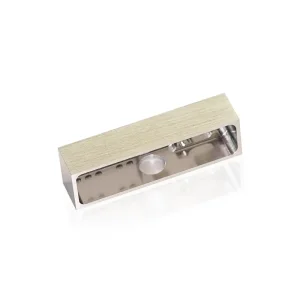
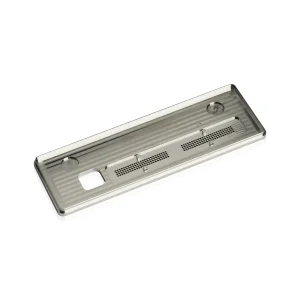
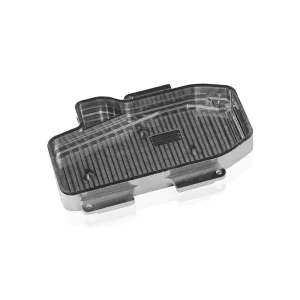
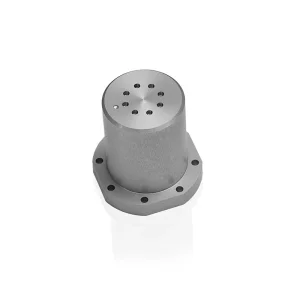
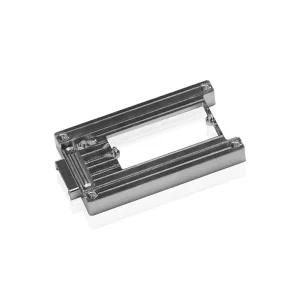
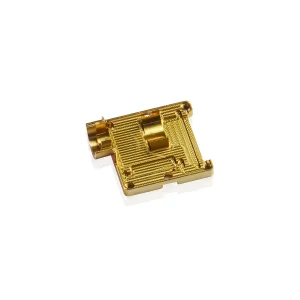
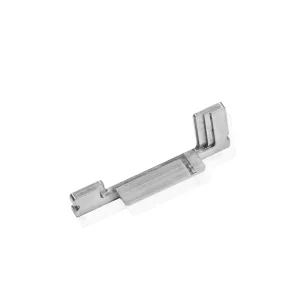
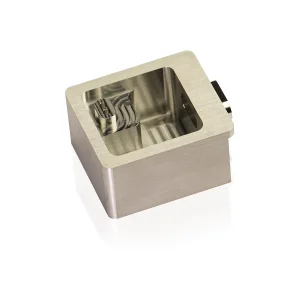
Explore our high-performance electronic connectors, CNC precision-engineered housings, and specialized aerospace sealing assemblies.
In modern microelectronics and extreme-environment engineering, the interface where metal meets ceramic represents one of the most critical structural nodes. Metal-Ceramic Sealing Components are engineered configurations where technical ceramics (typically High-Purity Alumina Al₂O₃, Zirconia ZrO₂, or Aluminum Nitride AlN) are permanently joined to high-performance metallurgy. This transition zone serves a dual, opposing purpose: providing robust electrical isolation while maintaining a bulletproof hermetic block against gas or fluid ingress.
Historically, early electronic designs leaned on Glass-to-Metal Seal (GTMS) structures. However, as operating environments migrated into deep cryogenic baselines, ultra-high vacuums (<10⁻⁹ Pa·m³/s), high thermal shocks (ranging from -196°C to over 600°C), and high mechanical stress, GTMS reached its physical limits. Technical ceramics offer superior mechanical strength, dielectric barriers, and thermal dissipation, positioning Ceramic-to-Metal Seal (CTMS) engineering as the definitive gold standard for high-reliability systems.
The fundamental challenge of this fabrication is managing mismatched Coefficients of Thermal Expansion (CTE). If a highly expansive metal is bonded directly to a rigid ceramic matrix, thermal cycling generates destructive shear stress at the interface, resulting in microscopic fractures and instant loss of hermeticity. High-tech manufacturing counters this threat using precisely matched materials—specifically Kovar Alloy (Fe-Ni-Co formulation) whose CTE is custom-engineered to match the thermal contraction curves of high-alumina ceramics across the entire brazing temperature spectrum.
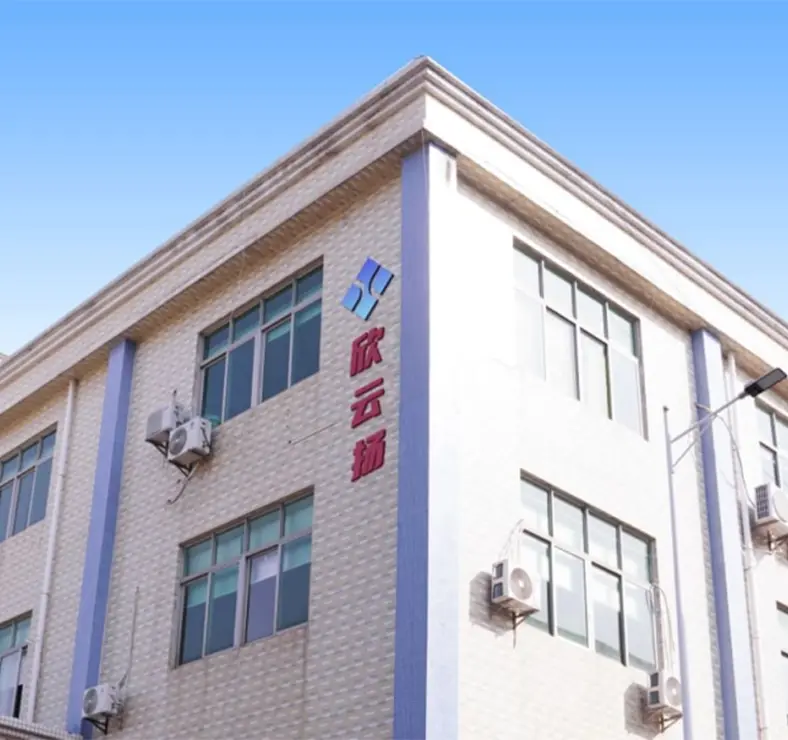
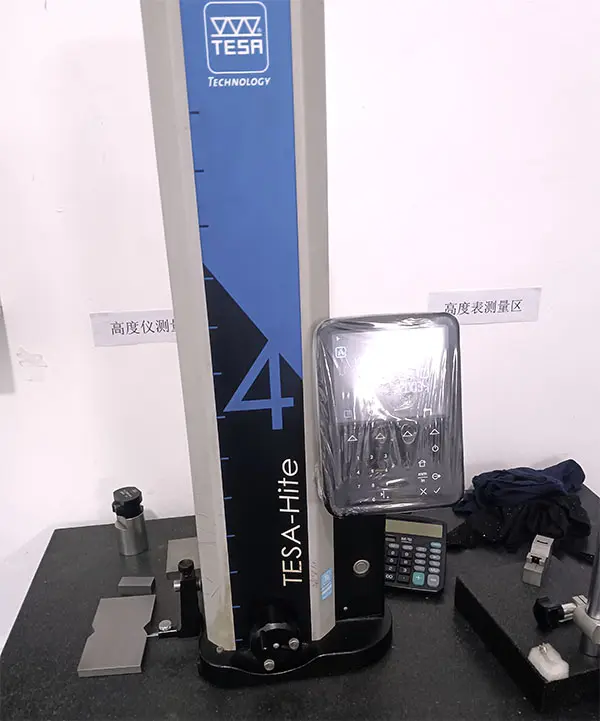
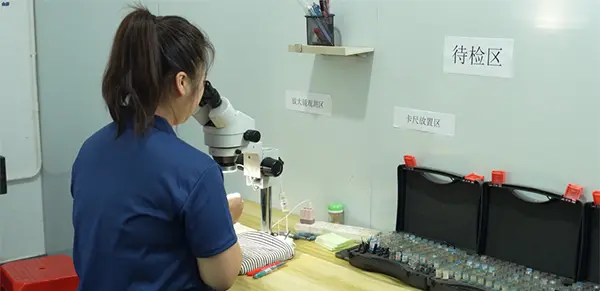
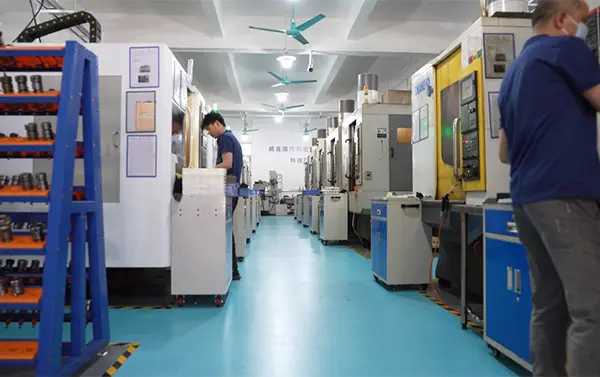
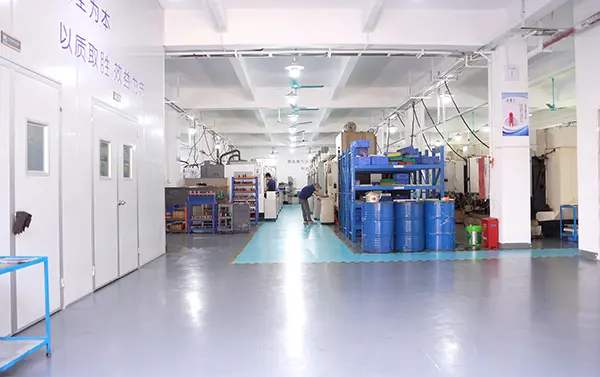
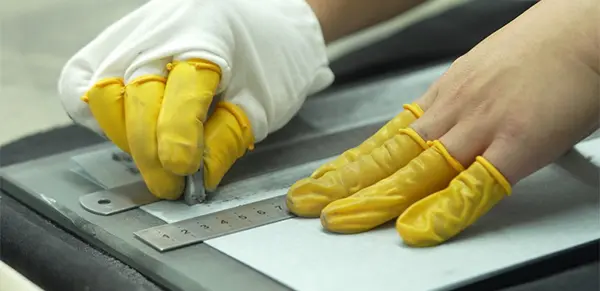
State-of-the-Art Production & Inspection Facility at Xinyunyang Precision Technology
Sticking to the core principles of Integrity, Innovation, Cooperation, and Shared Success to serve high-end global industries.
Founded in November 2014, Xinyunyang Precision Technology has established itself as an authoritative leader in the micro-precision engineering landscape. From day one, our primary operational focus has centered on Kovar precision processing technology, utilizing custom milling, precision turning, and specialized surface metallization as our core competitive pillars.
Today, Xinyunyang is a highly sought-after, strategic partner for world-class enterprises. We are dedicated to providing miniaturized, highly customized, and ultra-reliable metal packaging solutions, hermetic package lids, Kovar alloy frames, and sub-micron ceramic sealing interfaces to global customers across five dominant verticals:
Xinyunyang continues to build on internal infrastructure, creating custom methodologies that optimize execution speed, minimize micro-leaks, and support flexible custom designs. Our pillars include:
 High-precision processing capability: Capable of micro-tolerances down to ±0.002mm (2 microns) for multi-channel Kovar interfaces.
Advanced technology and equipment: Multi-axis CNC milling centers, slow-wire EDM cutting machines, and state-of-the-art vacuum furnace brazing lines.
Strict quality control: 100% Helium Mass Spectrometry leak testing, mechanical shear testing, and robust scanning electron microscope (SEM) interface analysis.
Flexible customized services: Supporting agile engineering workflows from fast prototyping to high-volume manufacturing.
High-precision processing capability: Capable of micro-tolerances down to ±0.002mm (2 microns) for multi-channel Kovar interfaces.
Advanced technology and equipment: Multi-axis CNC milling centers, slow-wire EDM cutting machines, and state-of-the-art vacuum furnace brazing lines.
Strict quality control: 100% Helium Mass Spectrometry leak testing, mechanical shear testing, and robust scanning electron microscope (SEM) interface analysis.
Flexible customized services: Supporting agile engineering workflows from fast prototyping to high-volume manufacturing.
Our engineering structure is built on 3 Core R&D Capabilities designed to deliver superior hermetic yield and dimensional accuracy.
Xinyunyang employs over 100 highly skilled personnel, with direct R&D and application engineers accounting for 30% of the total workforce. This heavy engineering density ensures every custom wholesale RFQ is reviewed against stringent metallurgical and mechanical standards.
Our core members have been deeply immersed in precision metal machining for more than a decade. They continuously explore advanced technologies, such as micro-milling composites, high-frequency active alloy brazing, and CTE matching of special refractory metals (e.g., Titanium, Molybdenum, Kovar) to support next-gen 5G, artificial intelligence, and new energy modules.
Backed by a certified ISO 9001 quality management system and an intelligent production scheduling engine, Xinyunyang has successfully optimized manufacturing lead times. We have increased the overall delivery efficiency of regular orders by 15% to 20%, allowing global buyers to meet tight project schedules without sacrificing precision.
How leading OEMs solve hermetic challenges, reduce procurement risk, and build resilient global component supply lines.
With the rapid rise of 5G infrastructure, satellite constellations, and electric vehicle battery hubs, components are shrinking fast. Modern designs require seal geometries with sub-micron tolerances, leaving no room for dimensional shifts or metal burs. Multi-axis CNC machining combined with fine-grinding and advanced laser verification ensures each custom envelope delivers perfect alignment.
In optoelectronics and 5G high-frequency transmission modules, metal housing interfaces must handle frequencies exceeding 40GHz with minimal Insertion Loss (IL <0.26dB). This demands metallized ceramic surfaces with exceptionally uniform thickness and extremely low dielectric constants, preventing signal cross-talk and phase shifts across extreme micro-strip layouts.
From deep-sea subsea cables to deep-space propulsion assemblies, components must withstand highly corrosive atmospheres, constant high-humidity environments, and corrosive fluids. Using proprietary chemical and electrochemical plating formulations (such as high-density gold plating over high-purity nickel barriers), we ensure parts exceed 1,000-hour salt spray testing without cosmetic or functional degradation.
Positioning Xinyunyang at the cutting edge of materials science and advanced microelectronics integration.
Traditional Mo-Mn (Manganese-Molybdenum) metallization requires high firing temperatures, often up to 1500°C in reducing hydrogen environments. Xinyunyang is actively developing Active Brazing Alloys (ABA)—using active elements like Titanium (Ti) directly in the filler alloy—to allow direct, single-step joining of un-metallized ceramic to metal under high vacuum. This protects sub-micron component structures from high-temperature deformation.
As global industries prepare for 6G and satellite laser communications, heat densities are rising rapidly. Xinyunyang is actively scaling its processing capabilities to handle Aluminum Nitride (AlN) and Beryllium Oxide (BeO) ceramic joints. These materials feature high thermal conductivity (exceeding 180 W/m·K), ensuring high-power optoelectronic modules run cool and last longer.
In line with global environmental standards like RoHS and REACH, Xinyunyang is continually optimizing its materials. We use strictly lead-free, cadmium-free, and hazard-compliant metallization and plating materials. This ensures our final metal-ceramic sealing assemblies are safe for critical environments like medical implants and eco-friendly EV power grids.
Step inside our state-of-the-art facilities to see where high-precision design meets high-reliability manufacturing.
Browse our expert answers to common technical, metallurgical, and sourcing questions about hermetic component assemblies.
Precision engineered high-performance housings, Kovar alloy packaging enclosures, and custom micro-machined industrial components.
 Xinyunyang Precision