Explore our state-of-the-art catalog of custom CNC machined metal parts engineered for demanding industries including semiconductors, 5G communications, aerospace, and medical instrumentation.
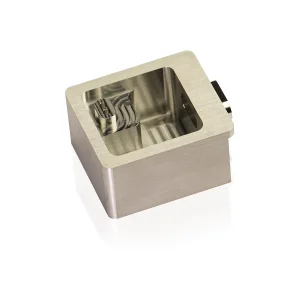
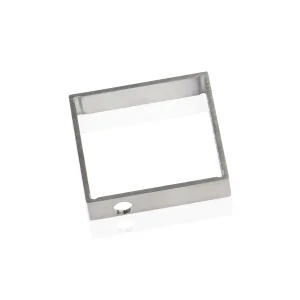
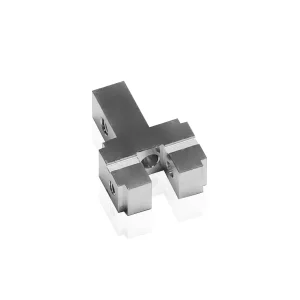
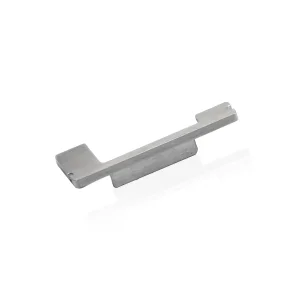
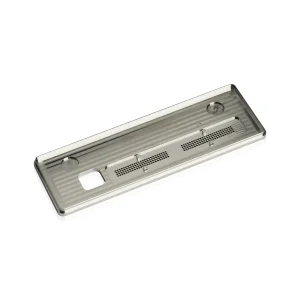
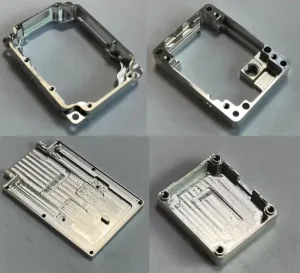
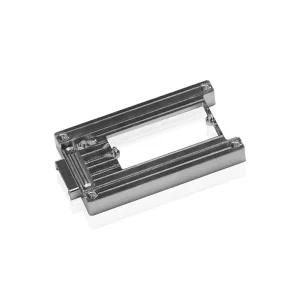
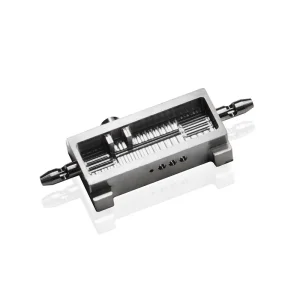
Founded in November 2014, Xinyunyang Precision Technology Co., Ltd. has steadfastly adhered to the foundational principles of Integrity, Innovation, Cooperation, and Sharing. Over the decade, we have established ourselves as a critical pillar in advanced precision manufacturing.
By leveraging Kovar precision processing technology as our core competitive strength, we provide ultra-precise, highly customized, and exceptionally reliable hermetic packaging and metal processing solutions to global enterprises. Our strategic deployments focus heavily on the high-barrier fields of semiconductors, optical communications, aerospace, advanced medical devices, green energy systems, and defense industries.
Our long-term operational objective is unambiguous: to emerge as a global benchmark supplier for hermetic package lids, high-performance Kovar alloy components, and complex multi-axis CNC machined parts.
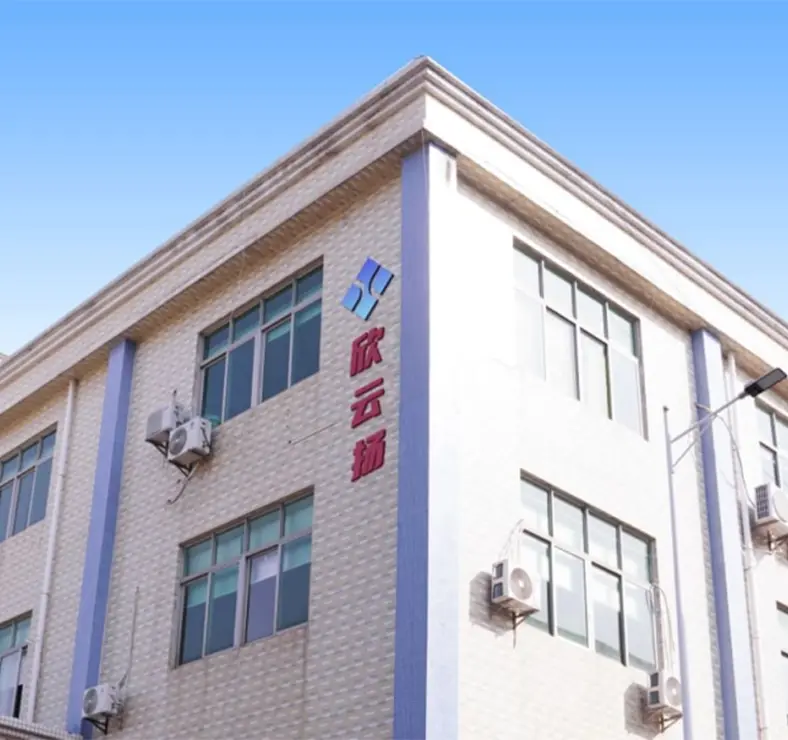

Our engineering breakthroughs rely on three structural competencies that guarantee structural precision, repeatable dimensional tolerances, and high efficiency.
Xinyunyang houses an active specialized team exceeding 100 highly skilled personnel. Remarkably, technical engineers and specialist metallurgists account for more than 30% of the entire workforce, bringing unparalleled expertise to complex component structural programming and hardware design cycles.
Our core R&D leaders have been deeply committed to high-precision metal machining and advanced thermal dynamics for over a decade. We specialize in processing challenging materials (e.g., Kovar alloy, Titanium alloys, Invar, and refractories), positioning ourselves at the vanguard of 5G, artificial intelligence, and new energy application packaging designs.
Operated via a robust ISO 9001 certified quality management system paired with an advanced intelligent production scheduling software suite, we have systematically enhanced standard order lead times. Our systems increase manufacturing and dispatch efficiency by 15% to 20% compared to typical peer-level factories.
In the modern high-tech industrial economy, precision is no longer a luxury; it is the fundamental baseline. CNC (Computer Numerical Control) machining represents the structural spine of mechanical and electronic manufacturing. As industries migrate toward higher frequency signals, sub-micron physical tolerance alignments, and extreme environmental resilience, the global sourcing profile of mechanical components has undergone a major shift.
Traditional manufacturing frameworks often fail to meet the tight tolerances demanded by micro-optoelectronic devices, hermetic electronic systems, and high-frequency communication infrastructures. Global supply chains now prioritize suppliers who exhibit a thorough grasp of metallurgy, complex tool geometries, and precise thermal expansion matching. Modern industrial systems demand parts that remain stable through vast temperature fluctuations, high-humidity environments, and corrosive conditions.
China's dominance in precision machining and advanced manufacturing stems from structural cluster advantages rather than merely low labor costs. Leading Chinese precision manufacturing zones, such as the Pearl River Delta, consolidate entire supply chains, giving facilities instantaneous access to specialized raw materials, advanced thermal post-treatment installations, and rapid surface finishing services. At Xinyunyang, our advanced workflow showcases this ecosystem’s efficiency:
Kovar alloy (typically comprising 29% Nickel, 17% Cobalt, and 54% Iron) is highly valued in modern industrial manufacturing due to its coefficient of thermal expansion (CTE). Having a CTE of 4.7±0.2×10⁻⁶/℃ (from 30℃ to 400℃), Kovar behaves almost identically to borosilicate glass and alumina ceramic packages. This precise match prevents stress fractures and hermetic seal failures during thermal cycling.
Machining Kovar, however, presents severe challenges. Its high toughness and susceptibility to work hardening demand rigid machine tools, precise spindle configurations, and specialized cutter materials. Traditional wet machining processes can introduce trace contaminants that compromise hermeticity. Xinyunyang’s dry machining technology routinely achieves a surface roughness of Ra<0.3μm. This mirror-like surface eliminates micro-fissures where corrosive elements could collect, ensuring that D-Sub contacts and hermetic packaging lids withstand harsh salt spray test environments without degradation.
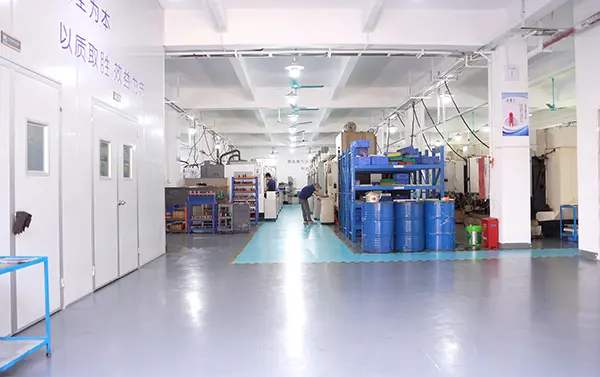
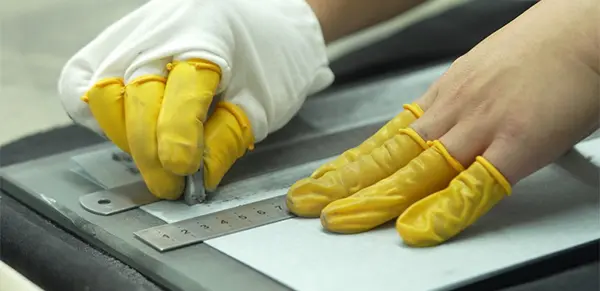
A transparent look inside Xinyunyang's cleanrooms, multi-axis machining centers, quality assurance facilities, and operational structures.
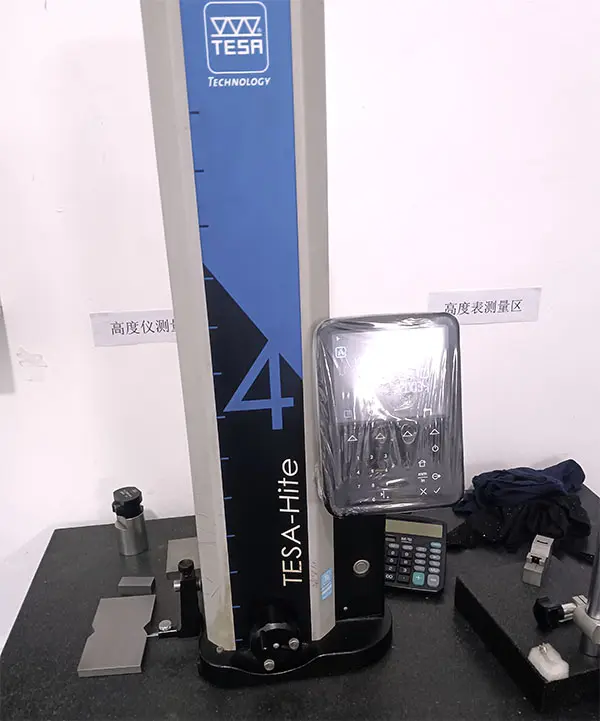
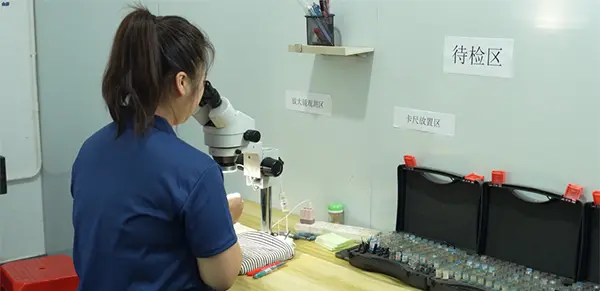
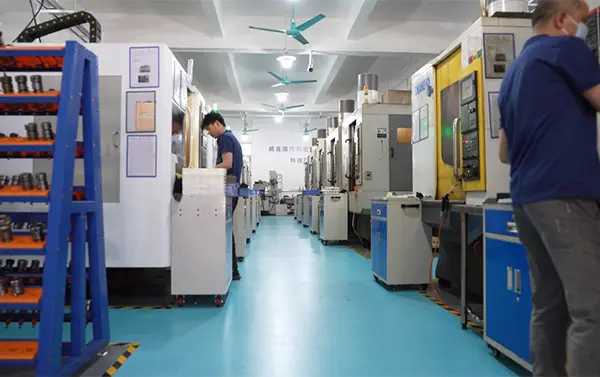
Different high-reliability industries impose distinct engineering demands on CNC machined components. Understanding these micro-level engineering needs is critical for supply chain optimization:
In high-frequency applications, signal attenuation is a major concern. High-precision 5G Kovar alloy enclosures and optoelectronic transceiver shells must feature low insertion losses (IL<0.26dB at 40GHz). Any dimensional deviation or micro-burr in the internal microwave cavity can cause signal reflections, degradation, or complete frequency drift. Tight tolerances of ±0.005mm are required to ensure continuous, high-speed data transmission.
Weight, strength, and thermal stability are critical parameters in aerospace engineering. Complex structures made of lightweight alloys, such as aluminum and titanium, act as protective enclosures for guidance computers and satellite payloads. These housings require high stiffness-to-weight ratios and impeccable surface finishes to withstand rapid depressurization and deep-space thermal gradients.
Within semiconductor cleanrooms, structural outgassing is a common cause of wafer contamination. Hermetic package lids, custom carrier plates, and internal chamber fittings must be completely free of surface pollutants. This level of purity requires ultra-clean manufacturing processes and specialized surface treatments, such as high-purity gold plating, nickel plating, or ultra-sonic solvent cleaning.
Implantable components and surgical tools demand biocompatible metals like titanium, cobalt-chrome, or 316LVM stainless steel. The CNC toolpaths must be programmed to prevent cross-contamination from carbon steels, while maintaining sub-micron accuracy for assemblies like fluidic pumps, micro-valves, and surgical lasers.
Evaluating and onboarding custom component manufacturers requires a structured framework that looks beyond unit cost to examine total cost of ownership (TCO) and operational risk:
Clear, detailed answers to technical and commercial questions about CNC machining, Kovar alloys, and custom component manufacturing.
Kovar (an ASTM F15 Fe-Ni-Co formulation) has a coefficient of thermal expansion (CTE) of 4.7±0.2×10⁻⁶/℃ from 30℃ to 400℃, which matches the CTE profiles of alumina ceramic and borosilicate glass. This matching expansion prevents mechanical stresses and fractures at the glass-to-metal interface during thermal cycling, ensuring stable hermetic protection for internal electronics.
We achieve ultra-smooth finishes through high-rigidity multi-axis CNC machine configurations, balanced spindle setups, and custom-ground carbide or diamond-like carbon (DLC) coated cutting tools. By optimizing feed rates, cutting speeds, and chip clearing parameters, we prevent work-hardening and heat-induced surface deformation without relying on liquid coolants that could contaminate the components.
Xinyunyang operates under a fully certified ISO 9001 quality management system. We offer full material traceability (providing Mill Test Certificates and heat treatment records) and conduct rigorous dimensional validation using Coordinate Measuring Machines (CMM), optical profile projectors, and helium mass spectrometer leak detection systems for hermetic packaging assemblies.
This improvement is driven by our integrated manufacturing system, which links our ERP with intelligent workshop scheduling software. This integration allows us to optimize machine tool loading, predict maintenance needs, and quickly adjust schedules to handle urgent requests or changing production demands.
Yes. Our engineering and production facilities are structured to accommodate both rapid prototyping (utilizing CNC rapid prototyping programs for quick turnarounds) and large-scale, multi-stage production runs. This flexibility allows global clients to easily transition from initial product development to volume production.
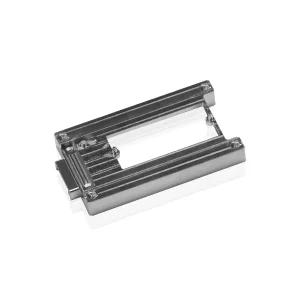
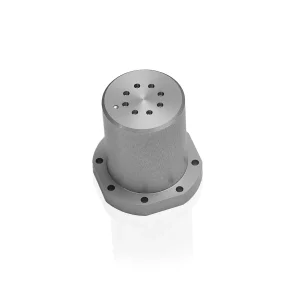
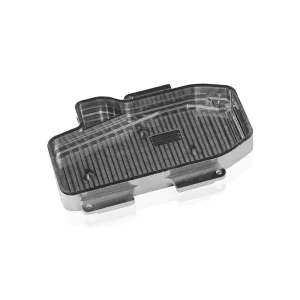
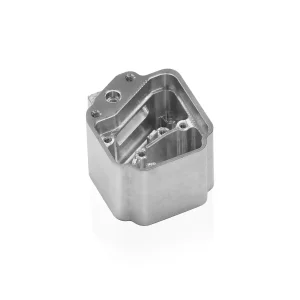
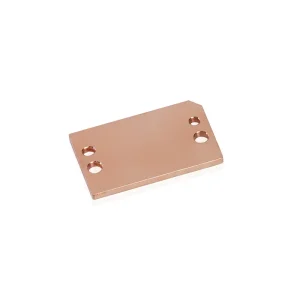
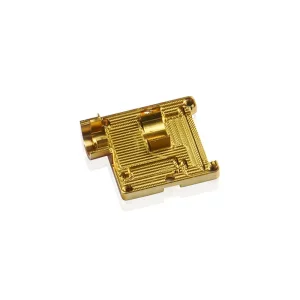
Explore more of our precision components, engineered to meet strict international standards and demanding performance parameters.
 Xinyunyang Precision