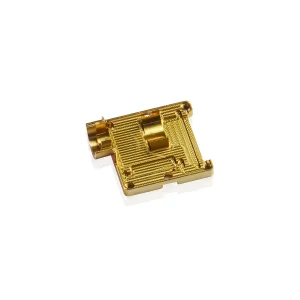
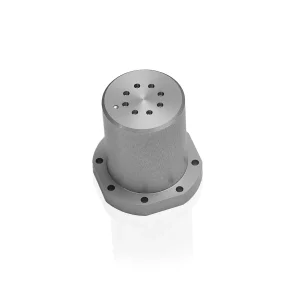
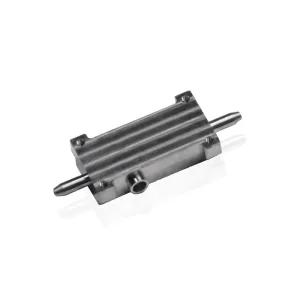
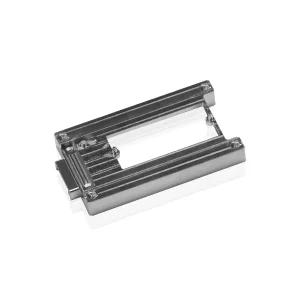
Explore our elite portfolio of CNC machined components, high-precision vacuum housings, and Kovar alloy seals designed for zero-failure performance.
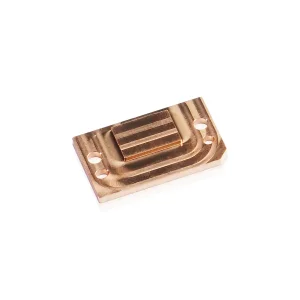
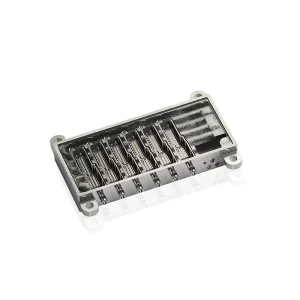
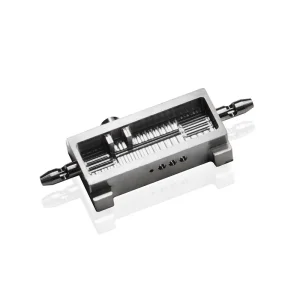
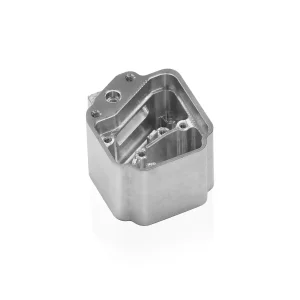
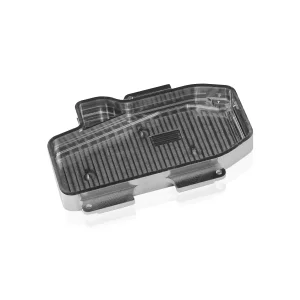
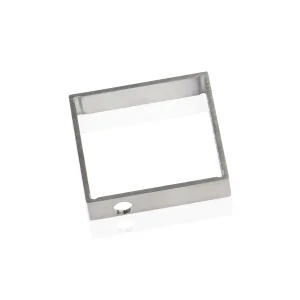
As optical communications, aerospace telecommunication arrays, and semiconductor packaging accelerate into ultra-high-frequency structures, the demand for stable material transitions under severe thermal fluctuations is paramount. Precision Kovar (Fe-Ni-Co) alloy housings form the cornerstone of this structural integrity.
In modern optoelectronics and microelectronics, maintaining hermetic seals is critical to protect sensitive solid-state circuitry from moisture intrusion, outgassing, and environmental contaminants. Traditional structural metals, such as aluminum, copper, or standard stainless steels, possess highly linear and aggressive Coefficients of Thermal Expansion (CTE). When bonded directly to brittle materials like silica glasses or ceramic feedthroughs, the differential stress induced during thermal cycles causes interfacial shear, culminating in micro-cracks and hermetic failure.
Kovar solves this challenge dynamically. Its non-linear thermal expansion curve mimics that of glass and ceramic elements up to its Curie point (~435°C). By maintaining absolute dimensional coherence, Kovar ensures that internal glass-to-metal (GTMS) and ceramic-to-metal seals remain under compressive or neutral stress across the entire operational range of critical subsystems.
| Property / Element | Composition Percentage | Physical / Mechanical Metric | Value |
|---|---|---|---|
| Nickel (Ni) | 29.0% Nominal | Density | 8.36 g/cm³ |
| Cobalt (Co) | 17.0% Nominal | Thermal Conductivity | 17.3 W/m·K |
| Iron (Fe) | Balance (~53%) | Modulus of Elasticity | 138 GPa |
| Manganese (Mn) | < 0.50% | Coefficient of Thermal Expansion (30-400°C) | 4.9 - 5.2 × 10⁻⁶/K |
For enterprise procurement officers and supply chain directors within Tier-1 defense and aerospace sectors, sourcing precision Kovar housings is not merely a question of unit price. Rather, it centers on **reliability vectors**, raw material pedigree, and precision machining competencies.
Built on Xinyunyang Precision Technology's 3 Core R&D Capabilities
Our workforce boasts over 100 dedicated specialists, where highly trained technical engineers constitute 30% of the structural pool. This allows us to rapidly translate complex RF cavity designs into structural, high-tolerance realities.
With deep engagement in precision metal machining spanning over a decade, our team processes complex composite geometries in specialized materials, including Kovar, titanium alloys, and high-purity copper.
Operating with a certified ISO 9001 management system alongside dynamic intelligent production scheduling systems, we boost traditional order delivery performance by 15% to 20% on all critical aerospace runs.
Inside Xinyunyang Precision's Modern Production & Quality Control Facilities
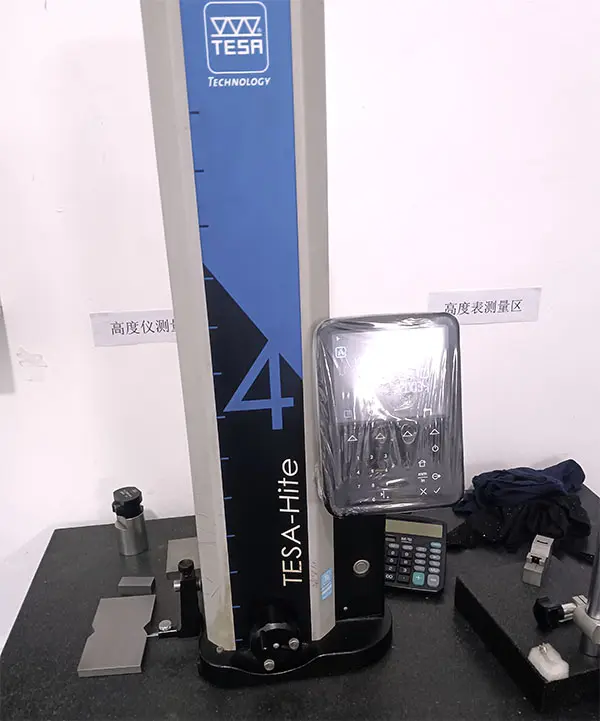
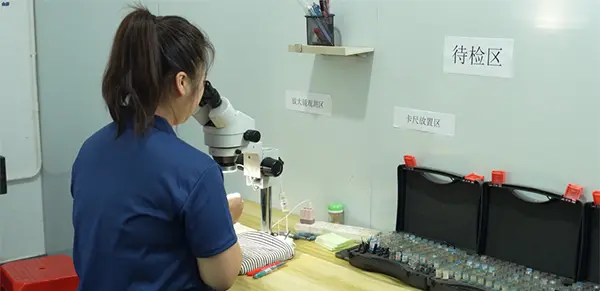
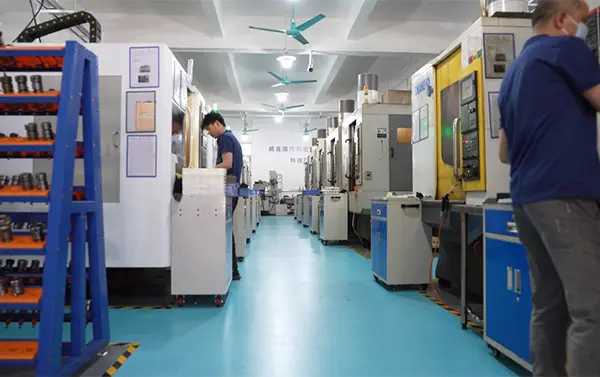
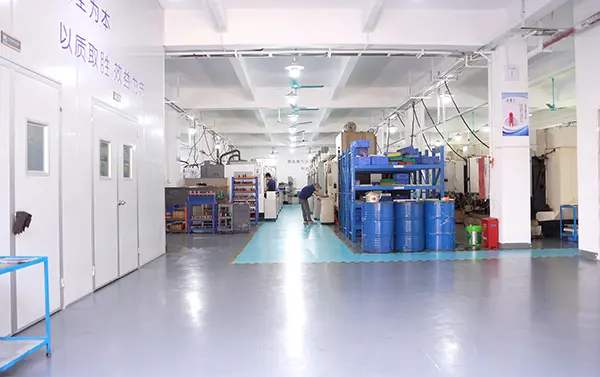
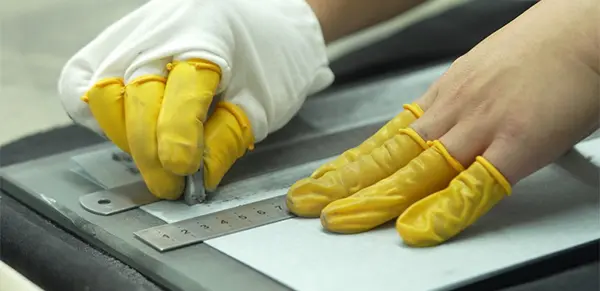
The development of ultra-high-speed network standards (5G-Advanced and 6G) alongside AI supercomputing backbones demands revolutionary shifts in sub-assembly architecture. High-power density modules generate localized heat spikes, which challenge traditional hermetic structures. Our technology roadmap directly addresses this critical dynamic:
To ensure optimal brazeability and corrosion resistance in coastal or high-moisture operational zones, our Kovar structures undergo custom electroless nickel plating and electrolytic gold finishes (conforming to **MIL-G-45204** and **ASTM B488** specifications). This mitigates micro-blistering, preventing premature failure during the high-temperature glass-to-metal sealing run.
The traditional reliance on cutting fluids poses risks of hydrocarbon absorption in porous metal surfaces. Our advanced dry-machining capabilities yield mirror-like surface qualities ($Ra < 0.3\mu m$) without utilizing heavy sulfur- or chlorine-based coolants. This translates to absolute zero outgassing during high-vacuum encapsulation, a non-negotiable benchmark for deep-space hardware and ultra-sensitive optical sensor cavities.
As subsystems become more miniaturized, combining Kovar directly with high-performance copper or stainless steel transitions provides selective structural performance. Our advanced brazing, laser welding, and micro-machining workflows allow unified integration of multi-metal parts without micro-cracking or stress concentration points.
Answers to critical questions regarding Kovar engineering, physical properties, and wholesale supply chain strategies.
Discover our custom industrial CNC and sheet metal offerings built for reliability and superior signal transmission.
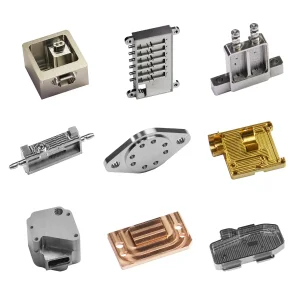
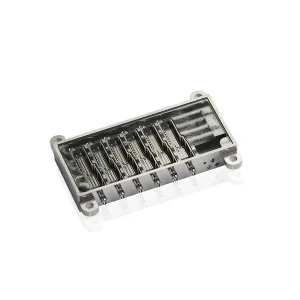
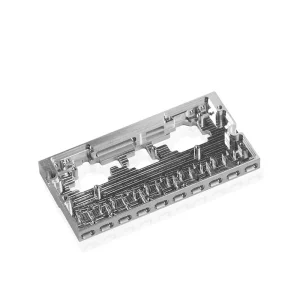
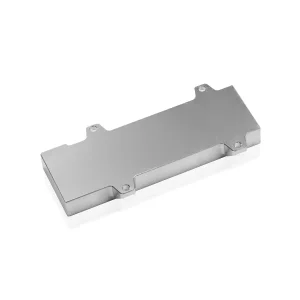
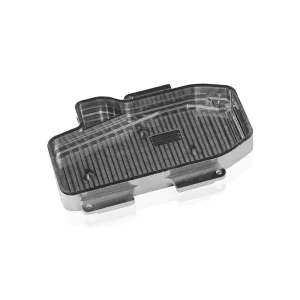
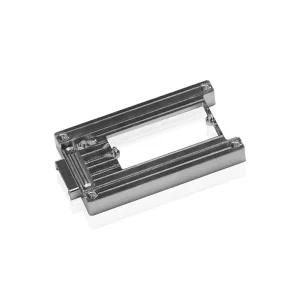
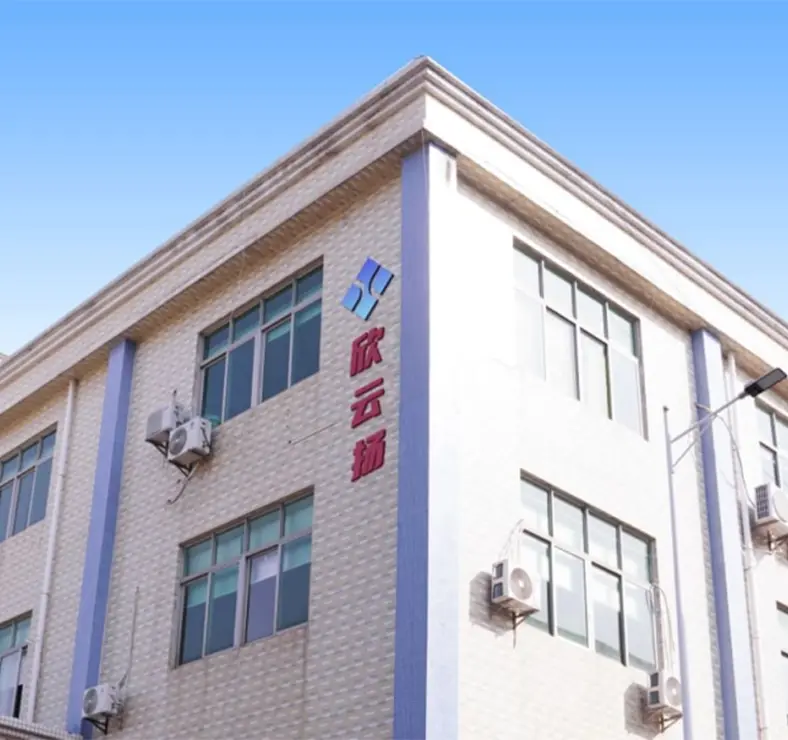
Founded in **November 2014**, Xinyunyang Precision Technology Co., Ltd. has established itself as an innovative, reliability-focused leader in specialized metallic processing. Grounded on our core operational principles of **Integrity, Innovation, Cooperation, and Sharing**, we strive to solve challenging manufacturing questions for deep-tech sectors.
By establishing Kovar precision processing technology as our foundational competence, we support demanding applications within **semiconductor packages, optical communications, aerospace, advanced medical devices, and clean energy systems**. Our overarching objective is to serve as the premier supplier of high-reliability hermetic packaging lids, Kovar alloy components, and complex multi-material sub-elements in China and across the global market.

Sub-micron tolerances across elaborate geometric surfaces.
State-of-the-art multi-axis CNC machines configured for heavy-duty alloys.
ISO 9001 certified workflows with comprehensive optical/vacuum inspection.
Tailored design revisions, packaging consultations, and prototyping scales.
 Xinyunyang Precision