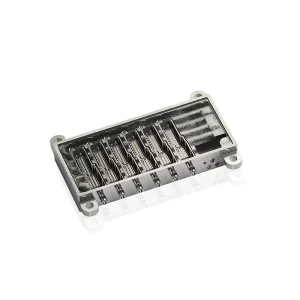
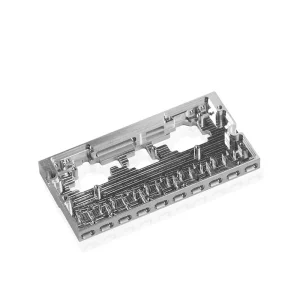
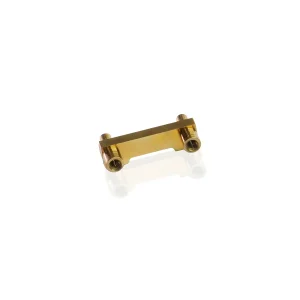
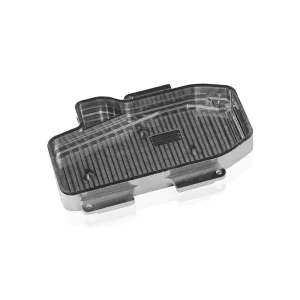
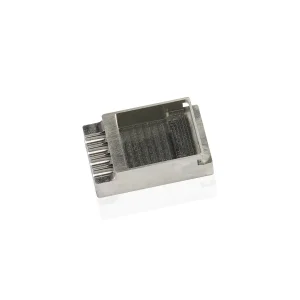
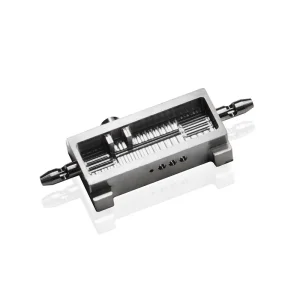
Explore our leading custom-engineered CNC turning-milling products designed for critical-mission operations.
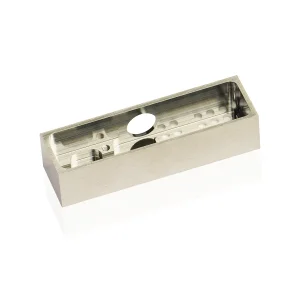
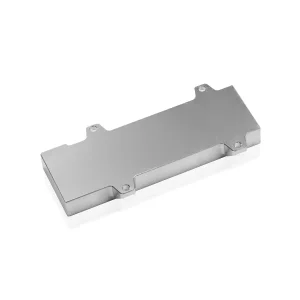
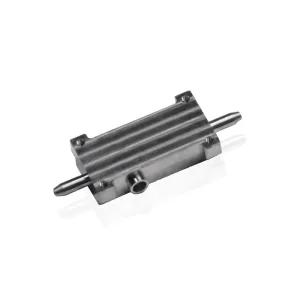
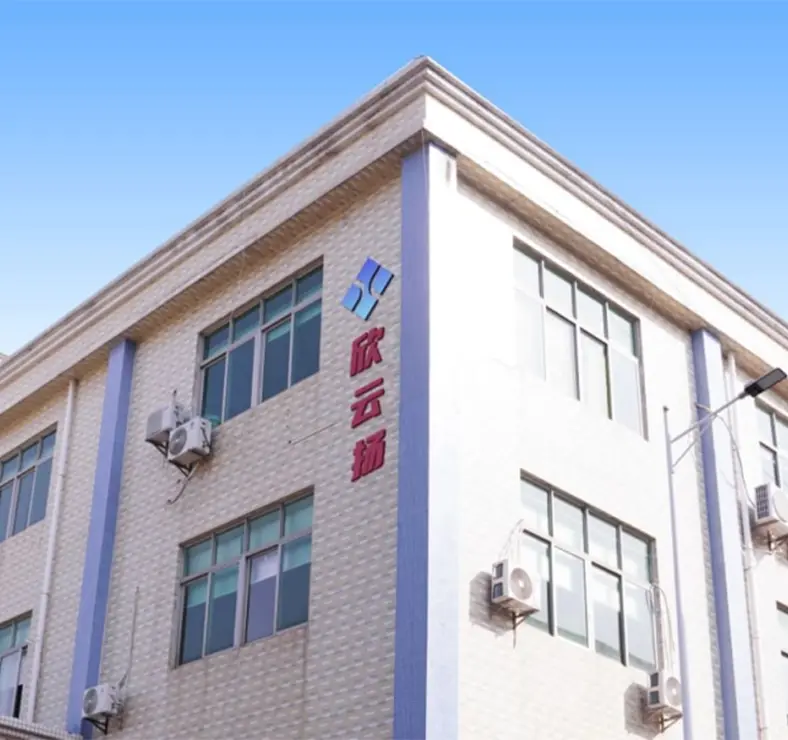
Founded in November 2014, Xinyunyang Precision Technology Co., Ltd. has established itself as an elite pioneer in CNC turning milling and complex metal alloy processing. Adhering strictly to our baseline principles of Integrity, Innovation, Cooperation, and Sharing, we deliver world-class component solutions.
By leveraging Kovar precision processing technology as our core competitive anchor, we deeply penetrate the supply chains of semiconductors, optical communications, aerospace, medical instruments, and defense. Our singular focus is offering highly customized, miniaturized, and ultra-reliable metal packaging solutions to tier-1 global customers.
 High-Precision Processing Cap
Advanced CNC Equipment
ISO 9001 Quality Control
Agile Customized Services
High-Precision Processing Cap
Advanced CNC Equipment
ISO 9001 Quality Control
Agile Customized Services
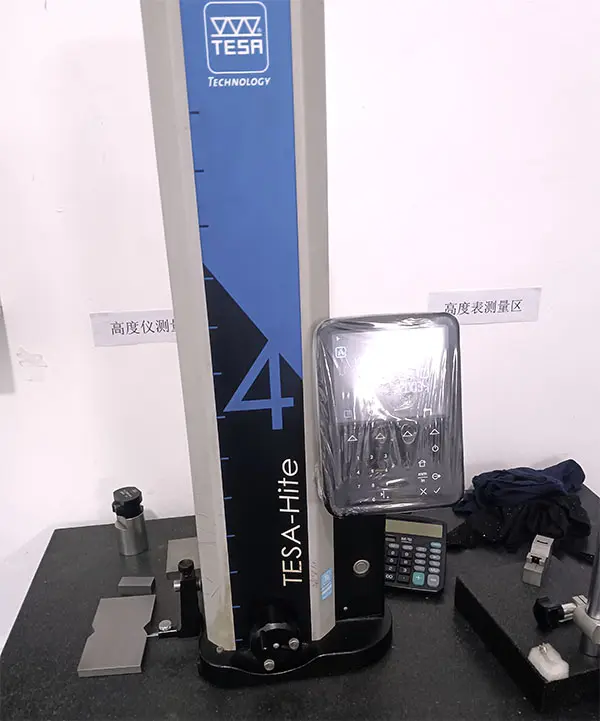
Combining design flexibility, high-performance machinery, and data-driven manufacturing execution.
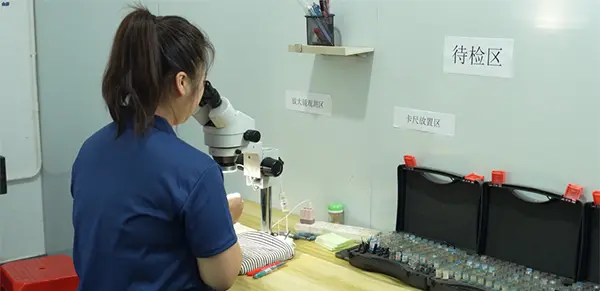
Xinyunyang maintains a highly trained professional team exceeding 100 specialists. Over 30% of our workforce consists of veteran CNC systems, structural, and materials engineers who oversee complex configurations daily.
Our core engineering members bring more than a decade of deep precision metal processing experience. We continuously advance composite turning-milling techniques for specialized materials (e.g., Kovar, Invar, titanium alloys), proactively deploying structural solutions for 5G, AI, and EV architectures.
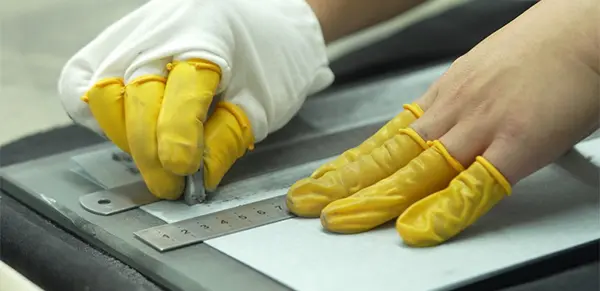
Operating under our ISO 9001-certified Quality Management System and supported by an intelligent production scheduling ERP, we have successfully optimized lead times. Standard orders achieve a 15% to 20% increase in delivery efficiency, solidifying our role as a trusted supply partner.
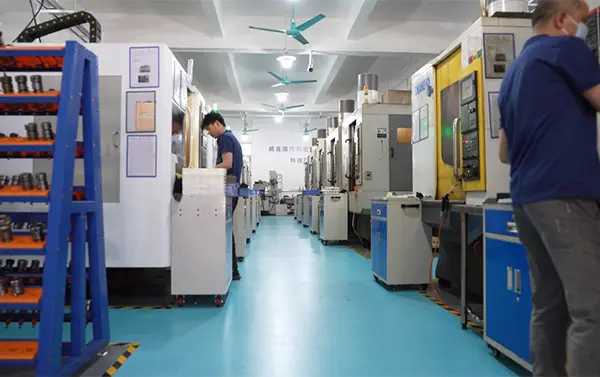
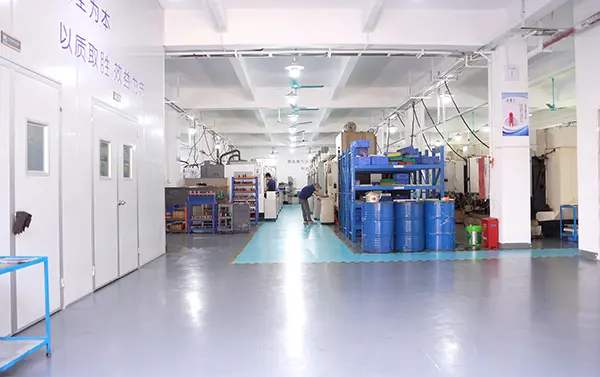
Our high-tech processing environment features climate-controlled precision turning-milling bays, clean rooms, and digital automation systems.
An in-depth analysis of processing science, Controlled Expansion (CTE) metallurgy, and strategic supply structures.
The global manufacturing landscape is undergoing a critical transition: moving away from multi-stage processing setups toward integrated, single-setup Mill-Turn (Turning Milling) systems. In complex electronics, optoelectronics, and aerospace assemblies, standard lathe turning or three-axis milling is no longer sufficient. Modern requirements call for simultaneous multi-axis control, which combines rotational and prismatic cutting processes.
Wholesale Turning Milling Machine Manufacturers and specialized fabrication partners represent the vanguard of this shift. Transitioning to complex mill-turn units drastically minimizes material handling errors and indexing variations. By combining operations onto a single machine, manufacturers can consistently achieve dimensional tolerances within ±0.002 mm. This is particularly crucial for defense, telecom, and deep-space telemetry housings that demand high consistency across high-volume production batches.
At Xinyunyang Precision Technology, we focus on processing Controlled Expansion (CTE) alloys like Kovar (ASTM F15, 4J29) and Invar. These special iron-nickel-cobalt alloys match the thermal expansion characteristics of borosilicate glasses and alumina ceramics. This compatibility is key for maintaining high-reliability hermetic glass-to-metal seals across broad thermal ranges, typically spanning from -80°C to +450°C.
"The critical challenge when dealing with Kovar is its high ductility, high work-hardening rate, and low thermal conductivity. Without optimized turning-milling parameters, tool tips degrade rapidly, which compromises surface finish and leaves tensile stresses that can damage glass seals."
To address these issues, we employ high-efficiency, multi-axis dry and minimal quantity lubrication (MQL) machining strategies. By maintaining precise tool geometries, using specialized carbide coatings, and managing chip load, we achieve a surface roughness of Ra < 0.3μm. This smooth finish helps prevent micro-cracking and provides excellent corrosion resistance under tough testing conditions, such as standard salt spray testing.
| Material Property Comparison | Kovar Alloy (4J29 / ASTM F15) | Titanium Alloy (Grade 5 / Ti-6Al-4V) | Standard Brass (C36000) |
|---|---|---|---|
| Density (g/cm³) | 8.36 | 4.43 | 8.50 |
| CTE (×10 &supmin;&sup6;/°C, 30°C–400°C) | 4.6 – 5.2 | 8.6 – 9.2 | 19.0 – 20.5 |
| Machinability Index | Medium-Low (~40%) | Low (~22%) | High (100% Base) |
| Primary Use Cases | Hermetic Glass/Ceramic Seals, Aerospace Packages | Structural Components, Medical Implants, Defense | Precision Contacts, RF Connectors, Hardware |
Engineering designs must translate seamlessly across different regions while complying with environmental and safety standards. Our manufacturing processes conform strictly to REACH and RoHS directives. Through dry machining and non-hazardous surface treatment methods, we provide sustainable components without sacrificing mechanical or electrical performance.
Whether delivering localized optical communication housings for European transceivers or high-reliability hermetic packaging for North American aerospace projects, our operations align with local standardizations. Our digital production tracking system maps quality inspections back to certified mill runs, ensuring full traceability from the raw alloy billet to the final plated component.
The future of precision manufacturing centers on artificial intelligence and adaptive closed-loop feedback systems. At Xinyunyang, we are laying the groundwork for real-time tool wear sensing and active thermal offset compensation.
By integrating in-process metrology sensors, our future setups will automatically adjust tool paths to counter thermal drift and tool edge degradation. This ensures consistent dimensions during extended production runs of difficult-to-machine alloys. Furthermore, as green manufacturing practices become more central to global sourcing, we continue to develop energy-efficient cutting strategies and waste-reduction cycles, minimizing our ecological footprint.
Expert clarifications regarding material specifications, design constraints, and quality assurance workflows.
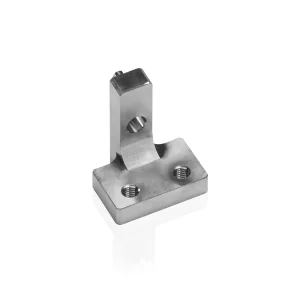
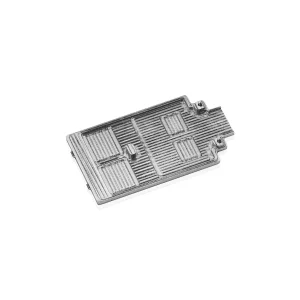
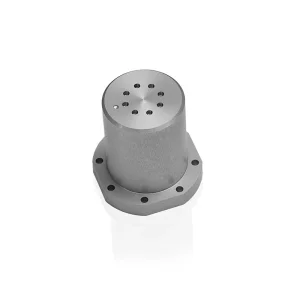
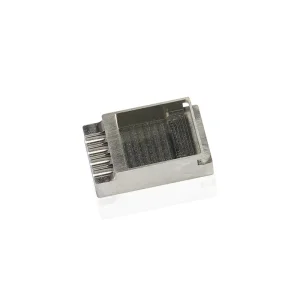
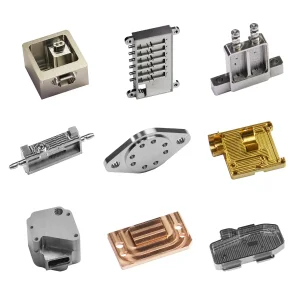
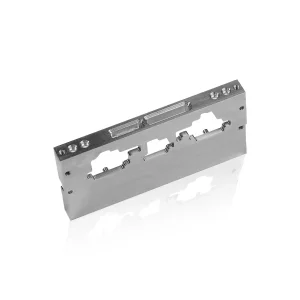
Browse our specialized components and connectors, optimized for high-reliability environments and long operational lives.
 Xinyunyang Precision