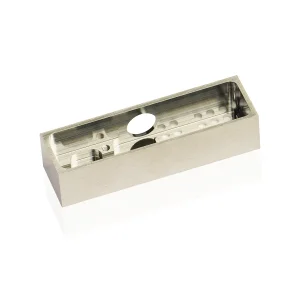
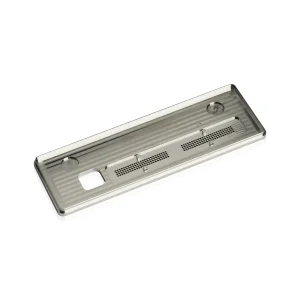
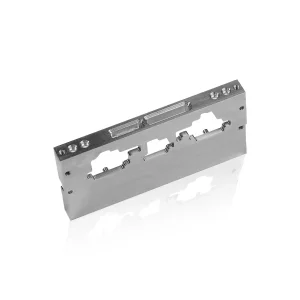
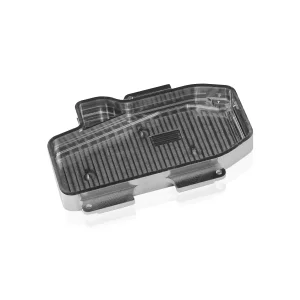
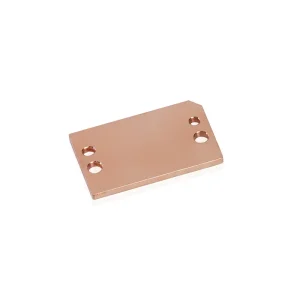
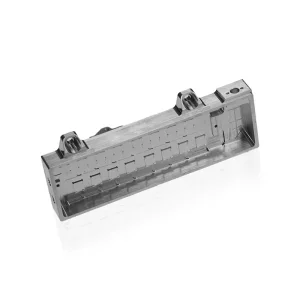
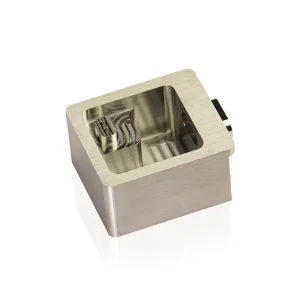
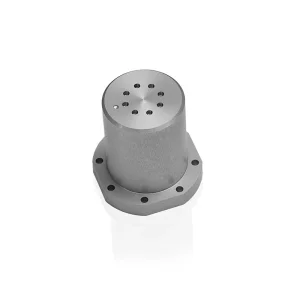
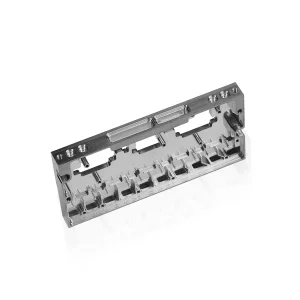
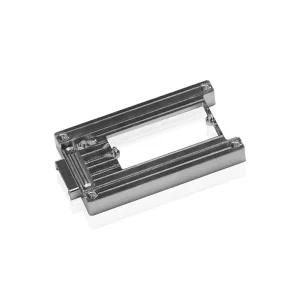
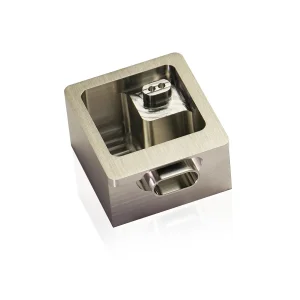
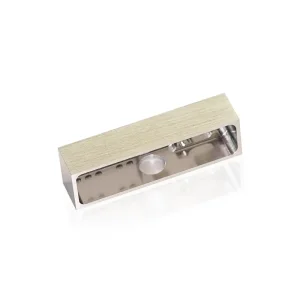
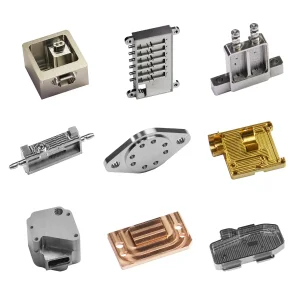
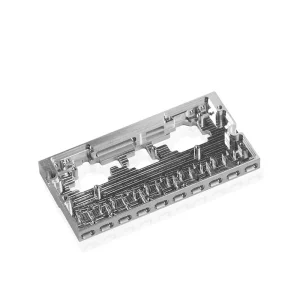
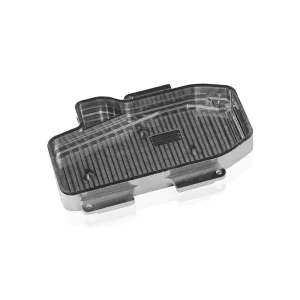
Explore our industrial-grade components designed to meet rigorous thermal, mechanical, and structural specifications.
Aluminum die casting has established itself as the cornerstone of structural lightweighting and thermal management across high-end industrial sectors. Utilizing advanced alloys such as A380, A360, A356, ADC12, and AlSi10Mg, manufacturers achieve an exceptional strength-to-weight ratio, superb corrosion resistance, and high dimensional stability.
To secure a reliable supply chain, global enterprises must thoroughly evaluate chemical composition limits, mechanical yield strengths, and thermal properties before production. Aluminum's native passive oxide layer provides basic resistance, but modern applications demand advanced structural consistency and high hermeticity to thrive in harsh optical, space, and sub-sea environments.
Why Tier-1 global enterprises partner with Chinese precision manufacturers for casting and secondary machining.
From raw material smelting to high-pressure die casting, multi-axis CNC secondary machining, and advanced surface coating, the Chinese supply chain provides a unified path that cuts down transit times and production overheads.
Operating under certified Quality Management Systems (ISO 9001), manufacturers implement inline coordinate measuring machines (CMM), real-time X-ray porosity scanners, and spectral chemical analysis to guarantee zero-defect shipments.
By blending core expertise in special metals (such as Kovar alloy 4J29, Titanium, and Copper-tungsten) with standard aluminum die-casting practices, advanced manufacturers offer hybrid assemblies that deliver unparalleled hermeticity and controlled thermal expansion.
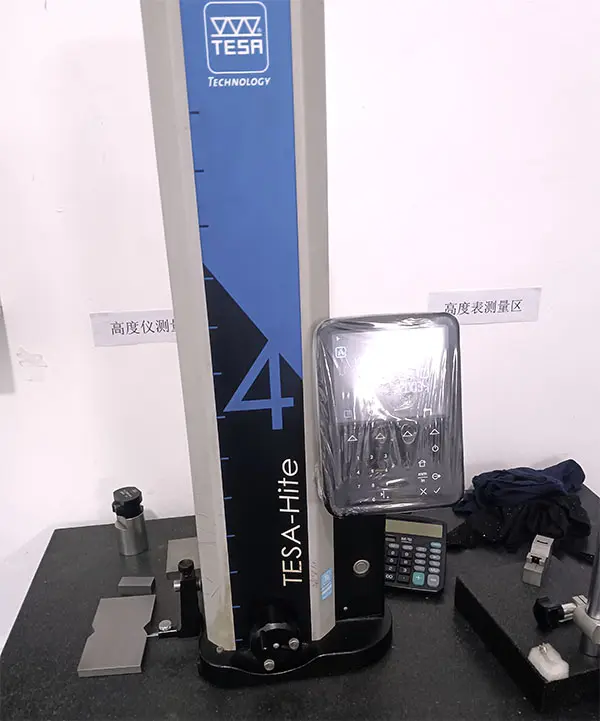
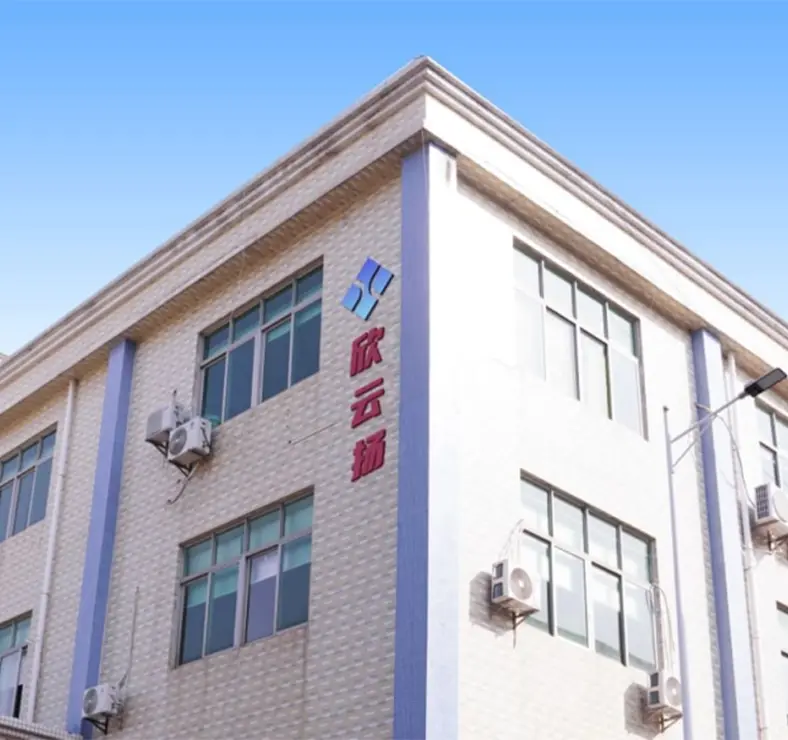
Founded in November 2014, Xinyunyang Precision Technology has established itself as an industry benchmark in high-precision metal processing. From the beginning, the company has adhered to its initial intention of industrial excellence, sticking to the business principles of Integrity, Innovation, Cooperation, and Sharing.
Our company focuses on Kovar precision processing technology as its core competitiveness, deeply cultivates the fields of semiconductors, optical communications, aerospace, medical devices, and new energy/military industry, and is committed to providing miniaturized, customized, and high-reliability metal packaging solutions to global customers.
 High-precision processing capability - Achieving micron-level tolerances across challenging geometries.
Advanced technology and equipment - Multi-axis CNC milling, high-pressure die casting, and hermetic sealing lines.
Strict quality control - Full trace and track system under ISO 9001 standards.
Flexible customized services - Engineering custom prototypes to volume production runs dynamically.
High-precision processing capability - Achieving micron-level tolerances across challenging geometries.
Advanced technology and equipment - Multi-axis CNC milling, high-pressure die casting, and hermetic sealing lines.
Strict quality control - Full trace and track system under ISO 9001 standards.
Flexible customized services - Engineering custom prototypes to volume production runs dynamically.
How Xinyunyang drives innovation, delivery speed, and dimensional reliability.
The company maintains a high-caliber professional team of more than 100 people, of which seasoned technical engineers account for 30%. This concentrated talent pool ensures that customized solutions undergo structural optimization and Mold Flow simulation prior to casting.
Our core members have been deeply engaged in precision metal processing for more than ten years. We continue to explore the composite processing technology of special metals such as Kovar and titanium alloys, and proactively layout the cutting-edge packaging needs in the fields of 5G, artificial intelligence, and new energy.
Supported by our ISO 9001 certified quality management system and intelligent production scheduling system, Xinyunyang has increased the delivery efficiency of regular orders by 15%-20%, becoming a key supplier with both technical depth and service breadth in the global high-end manufacturing industry chain.
A transparent look inside our state-of-the-art production floors, inspection centers, and assembly zones.
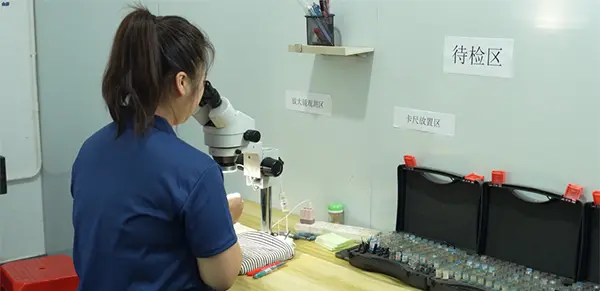
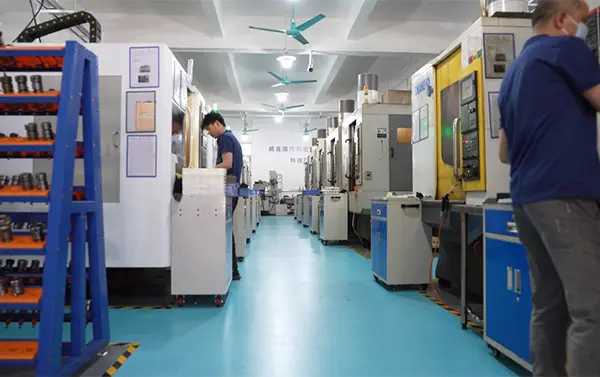
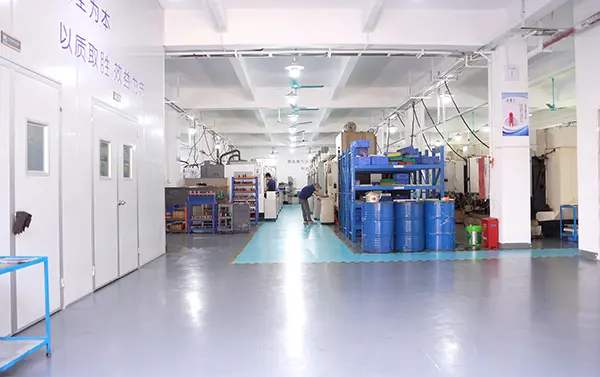
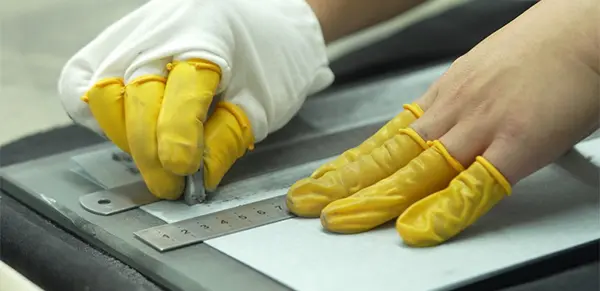
Deploying advanced aluminum and special alloy configurations in highly regulated target markets.
Globalized commercial deployment demands complete alignment with global regulatory directives. We support global enterprises by validating full compliance with:
Addressing structural, thermal, and mechanical concerns of engineering and procurement departments.
Explore our specialized range of hermetic cases, Kovar multi-axis prototypes, and custom framework panels.
 Xinyunyang Precision