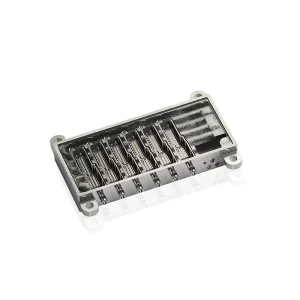
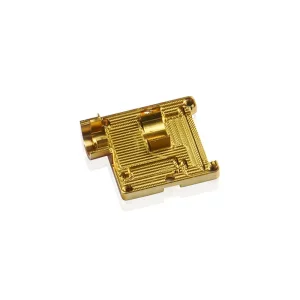
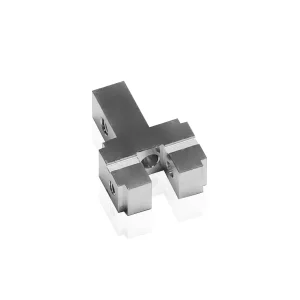
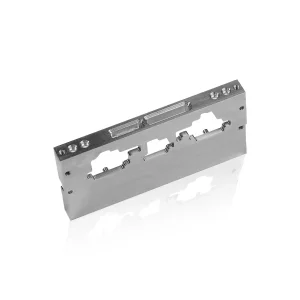
In the contemporary global manufacturing ecosystem, Computer Numerical Control (CNC) technologies—specifically CNC lathe turning and CNC milling—form the absolute backbone of complex hardware realization. As global industries accelerate their shift toward Industry 4.0, the requirement for ultra-high precision, micro-machining, and complex non-standard geometries has escalated. Modern aerospace structures, semiconductor housings, optoelectronic micro-packages, and biomedical implants demand tolerances measured at the sub-micron scale.
Historically, generic steel and aluminum formed the core raw materials for mass-market CNC production. Today, however, structural and material performance requirements are forcing manufacturing plants to master high-performance specialized materials. The processing of superalloys such as Titanium (Grade 5), Inconel, and specialty controlled-expansion alloys like Kovar (ASTM F15) has emerged as the true benchmark separating general-purpose machine shops from elite manufacturing partners. Globally, the supply chains that support aerospace propulsion, 5G RF filters, and ultra-high vacuum (UHV) hermetic cavities are centering around integrated factories that can supply both advanced raw alloy handling and multi-axis CNC micro-machining under a unified quality architecture.
"The convergence of high-speed multi-axis CNC milling and modern metallurgical chemistry has ushered in an era where micro-tolerances are no longer a luxury, but a structural baseline. Industrial growth is no longer dictated by throughput alone, but by thermal expansion matching, hermetic sealing integrity, and multi-disciplinary material design."
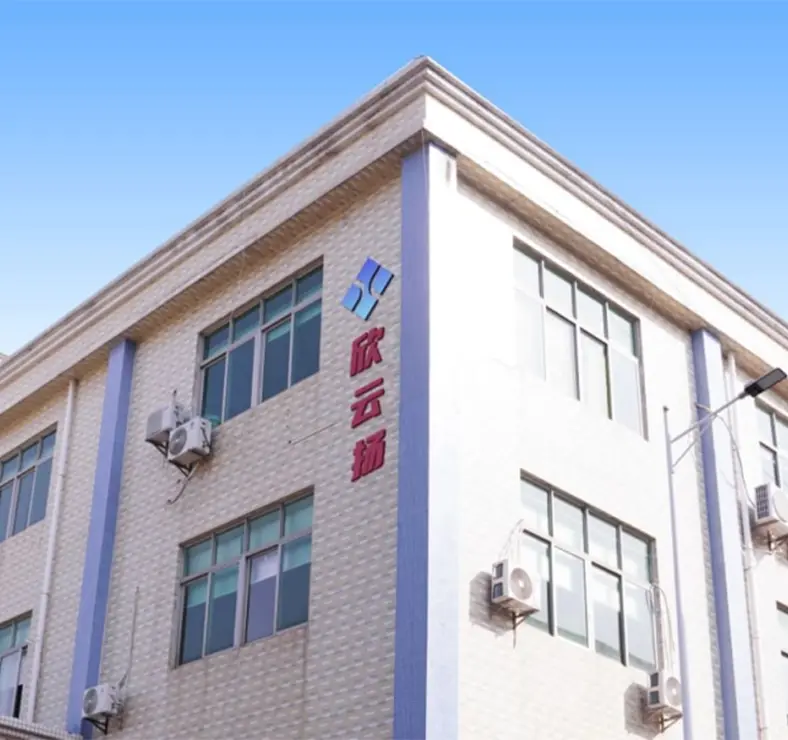
Leading Hermetic Package Lids, Kovar Alloy Components, and Precision Parts Supplier
Founded in November 2014, Xinyunyang Precision Technology Co., Ltd. has steadily grown from a highly focused machining workshop into a globally trusted industrial partner. Adhering to our founding business principles of Integrity, Innovation, Cooperation, and Sharing, we specialize in high-end metallurgical engineering and complex structural processing.
Xinyunyang focuses on Kovar precision processing technology as its core competitiveness. We deeply cultivate the demanding fields of semiconductors, optical communications, aerospace, medical devices, and new energy/defense. By combining advanced metallurgical science with high-speed multi-axis CNC machining, we are fully committed to providing miniaturized, customized, and high-reliability metal packaging and structural solutions to global customers. Our long-term mission is to establish Xinyunyang as the preeminent global partner for hermetic package lids, Kovar components, and complex precision parts.
 High-precision processing capability
Advanced technology and equipment
Strict quality control
Flexible customized services
High-precision processing capability
Advanced technology and equipment
Strict quality control
Flexible customized services
Our structure includes over 100 highly qualified professionals, with specialized technical engineers comprising over 30% of the total workforce, enabling comprehensive custom modeling and design verification.
Core members possess more than ten years of direct field experience in micro-precision metal processing. We proactively develop hybrid machining routes for special alloys (Kovar, Titanium) aimed at AI, 5G, and aerospace.
Operating an ISO 9001 certified quality ecosystem alongside intelligent ERP manufacturing, we ensure complete physical and chemical traceabilities, raising dispatch speeds by 15% to 20% on all specialized components.
As the manufacturing landscape shifts toward low-carbon and high-efficiency operations, three pivotal trends are defining high-end CNC milling and lathe activities globally:
Traditionally, lathe turning (rotational symmetry) and CNC milling (complex prismatic shapes) were executed on separate setups. However, modern high-precision parts, such as optoelectronic housings and multi-channel rotary joints, possess features that require both processes. Standard transfers between machines introduce microscopic axis alignment errors (stack-up tolerances). The adoption of multi-axis mill-turn technology integrates the lathe and milling spindle into one unified machine envelope. This eliminates setup changes, secures high concentricity, and reduces processing lead times.
For optical communications and vacuum electronics, standard cooling lubricants are a major source of microscopic chemical contamination. In hermetic devices, trace cutting fluids left in metal pores can outgas over time, causing component degradation or optical lens clouding. The absolute frontier of specialty milling is Dry-Machining, specifically on controlled-expansion alloys. Achieving a surface roughness of Ra < 0.3μm without fluid lubricants requires precise control over thermodynamic tool paths, specialized PCD/carbide tool coatings, and high-velocity chip extraction systems.
In high-precision manufacturing, a "one-size-fits-all" logistics chain fails. Regional hubs in the US, EU, and Asia Pacific require agile localized support, rapid prototyping verification (NPI phases), and secure regulatory compliances (such as REACH/RoHS). Elite global suppliers provide direct support by integrating localized design-for-manufacturability (DFM) support with robust ISO 9001 factories in China, creating a seamless cost-to-performance dynamic.
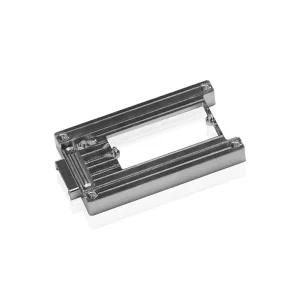
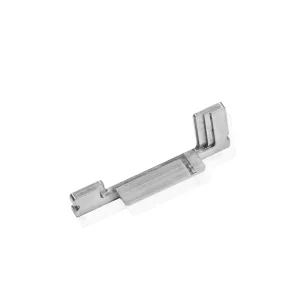
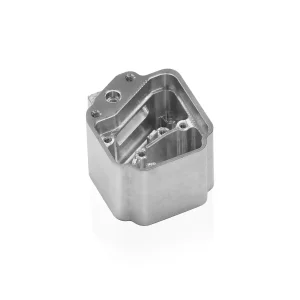
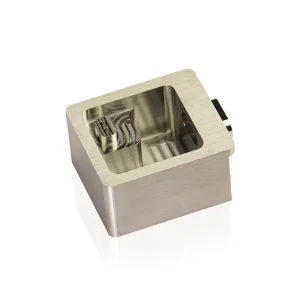
Take an inside look at our advanced manufacturing floor, standard testing labs, and state-of-the-art multi-axis CNC mills and high-speed automatic lathe units.
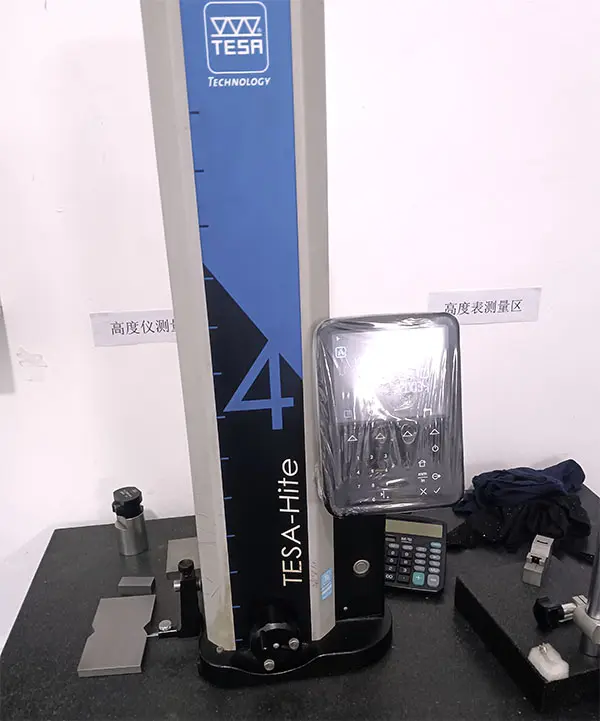
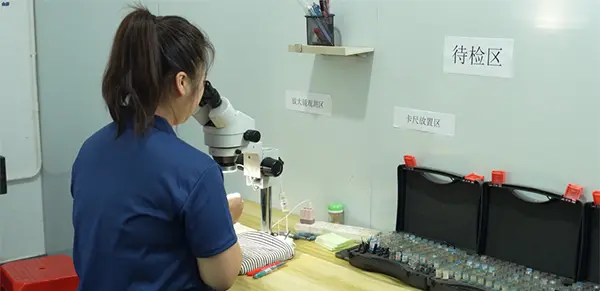
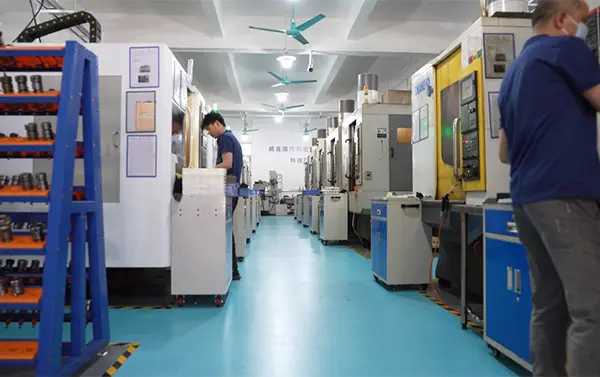
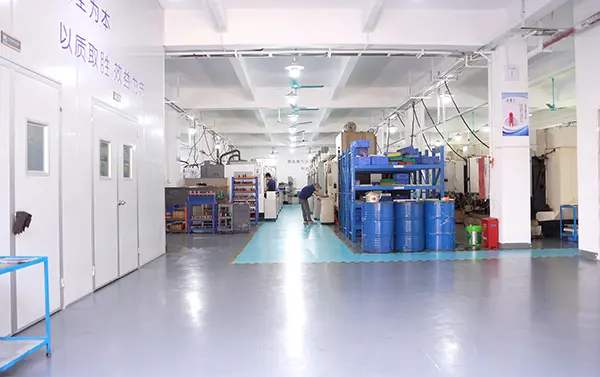
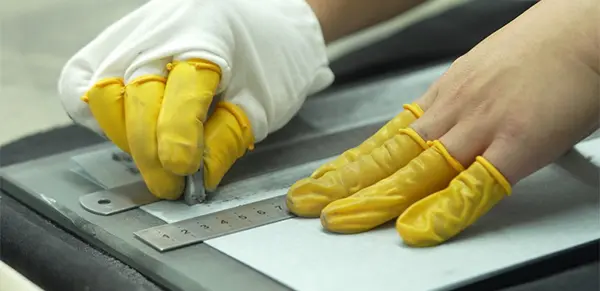
To successfully deliver high-precision components, a professional supplier must align its core CNC capabilities with specific industrial challenges. Below is how our specialized technological roadmaps resolve critical demands across high-growth verticals:
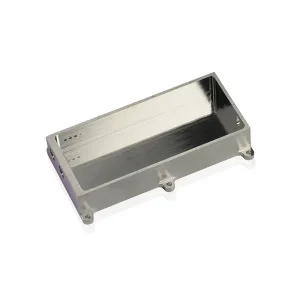
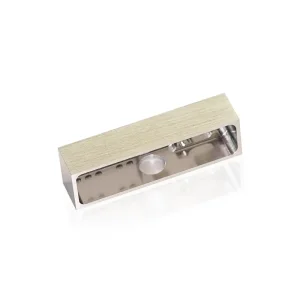
Laser diodes, optical transceivers, and hybrid integrated circuits generate high thermal loads and require reliable hermetic seals to protect sensitive internal components from environmental degradation. In these applications, materials like Kovar (Fe-Ni-Co alloy) are indispensable because their coefficient of thermal expansion (CTE) matches borosilicate glass. Xinyunyang specializes in producing complex **Kovar package bases and lids** that maintain structural integrity during extreme thermal cycles, preventing delamination or micro-cracks in glass-to-metal seals.
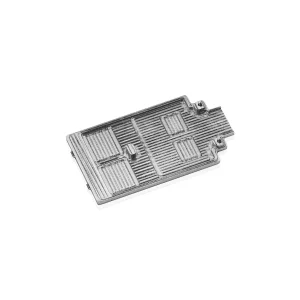
Aerospace electronic housing, structural support systems, and safety armor are exposed to high-frequency vibration, rapid pressure drops, and extreme thermal gradients. Our CNC milling processes are configured to machine structural parts from high-strength stainless steel and aerospace-grade aluminum. Utilizing state-of-the-art milling setups, we produce aerospace enclosures with optimized thin-wall configurations that maximize structural rigidity while minimizing component weight.
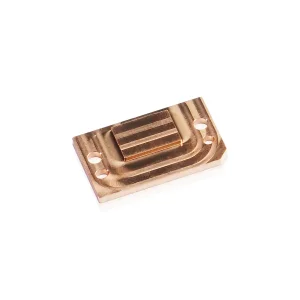
Advanced medical instrumentation, including diagnostic magnetic resonance imaging (MRI) and surgical equipment, requires biocompatible, non-magnetic, and dimensionally stable parts. Processing high-purity copper and specialized titanium grades requires precise control over tool speed and feed rate to avoid material contamination. Xinyunyang’s micro-machining centers ensure clean-room ready components with burr-free edges and tight geometric tolerances, complying with strict medical equipment specifications.
Answering the critical structural, mechanical, and logistical questions asked by global procurement directors and hardware engineers.
A1: Kovar is a nickel-iron-cobalt alloy that exhibits high ductility, low thermal conductivity, and a high work-hardening rate during machining. These characteristics often lead to rapid tool wear and surface tearing. Xinyunyang achieves a low surface roughness of Ra < 0.3μm through custom tool path planning, high-stiffness spindles, and advanced cutting tool materials (such as cubic boron nitride and optimized carbide grades). This allows us to offer dry-machining alternatives that eliminate cutting fluid contamination for high-vacuum electronic applications.
A2: Our ISO 9001 quality management system guarantees full traceabilities from raw materials to final dimensional inspection reports. In NPI phases, where designs are refined, our system minimizes manufacturing variations and provides detailed feedback to engineers. By using integrated CAD/CAM software and automated coordinate measuring machines (CMM), we accelerate the transition from initial prototype to volume production while maintaining process control.
A3: Hermetic packages must prevent gas leaks over long operational lifespans. We ensure this by sourcing high-purity, vacuum-melted alloys to prevent micro-porosity. Additionally, we use high-precision CNC lathe and milling setups to hold flatnesses within 0.005mm. This enables tight, uniform interfaces during subsequent glass-to-metal sealing (GTMS) or laser welding.
A4: To meet wear-resistance and electrical conductivity standards, we provide various surface finishes, including electrolytic/electroless nickel plating, gold plating, passivating, and anodizing. For high-frequency RF connectors and medical sensors, our gold-plated and passivated options are optimized to prevent oxidation and maintain electrical performance under demanding conditions.
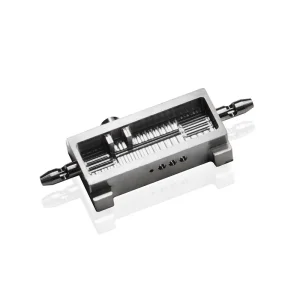
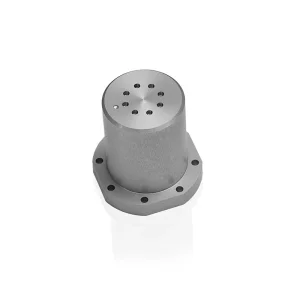
 Xinyunyang Precision