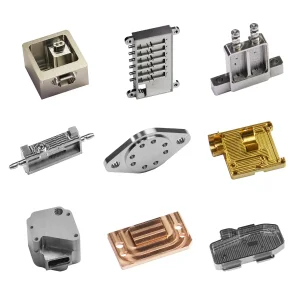
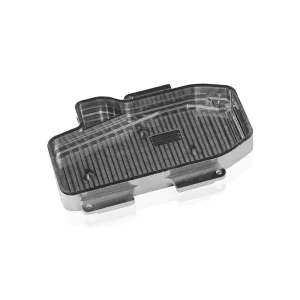
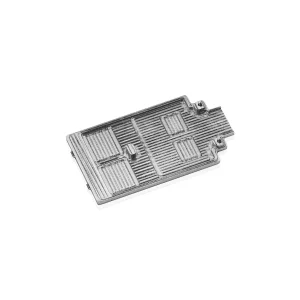
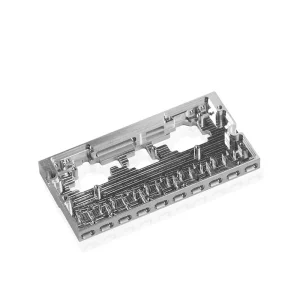
In the current global manufacturing paradigm, the performance of complex electromechanical systems is determined at the microscopic scale. Sub-micron structural integrity is no longer a luxury reserved for niche laboratory prototypes; it has become an indispensable baseline for standard commercial and defense applications. When searching to buy CNC machine running products, sophisticated procurers look beyond mere machine uptime to evaluate structural stability, surface roughness engineering, and structural integration.
For industries running high-frequency 5G networks, aerospace control modules, or advanced medical imaging machinery, structural variations of even 1.5 microns can introduce catastrophic signal degradation or systemic heat failures. Precision CNC Swiss turning and 5-axis milling technologies enable manufacturers to produce highly repeatable micro-scale components directly from challenging refractory and high-temperature alloys.
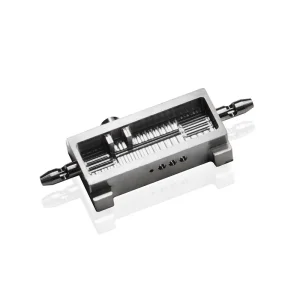
The transition toward autonomous driving networks, next-generation high-frequency telecommunications (including 6G developmental phases), and orbital satellite constellations has driven structural demand for advanced metal packaging solutions. Modern high-reliability electronics demand compact hermetic components that protect sensitive silicon and compound semiconductor dies from harsh atmospheric moisture, corrosive gases, and severe vibration profiles.
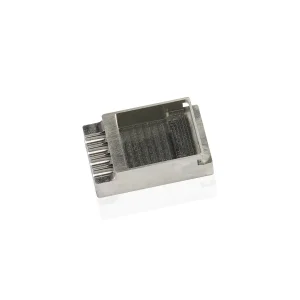
This operational challenge is addressed by customized Kovar and titanium-alloy machining. By aligning the thermal expansion characteristics of raw packaging frameworks with optical and borosilicate glass formulations, premium manufacturers successfully engineer highly resilient hermetic packages that maintain their seal integrity from cryogenic limits up to hundreds of degrees Celsius.
Kovar, an iron-nickel-cobalt alloy, is engineered to possess a coefficient of thermal expansion (CTE) that closely matches that of borosilicate glasses and alumina ceramics. Machining Kovar presents unique manufacturing challenges due to its high ductility and work-hardening traits. Implementing custom dry-machining pathways enables toolheads to cut cleanly, achieving a Ra roughness rating of under 0.3μm. This ultra-flat finish is essential to prevent micro-fissuring and galvanic corrosion along sensitive solder tracks.
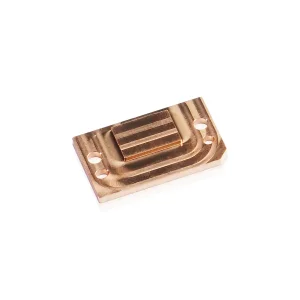
As processing densities rise, heat dissipation becomes a critical design bottleneck. Oxygen-free, high-conductivity (OFHC) copper is the preferred substrate for semiconductor microchannel coolers and high-performance electronic heat sinks. Precision CNC machining must maintain extreme dimensional stability when working with pure copper to avoid material deformation during heavy milling operations, ensuring maximum surface contact and heat dissipation.
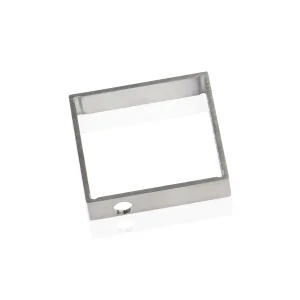
For structural housings and external components exposed to marine or chemically aggressive environments, standard structural alloys are insufficient. Manufacturers construct frames featuring rectangular and custom complex apertures from stabilized stainless steel grades (such as 316L). This ensures exceptional corrosion resistance, structural rigidity under physical impact, and long-term dimensional retention.
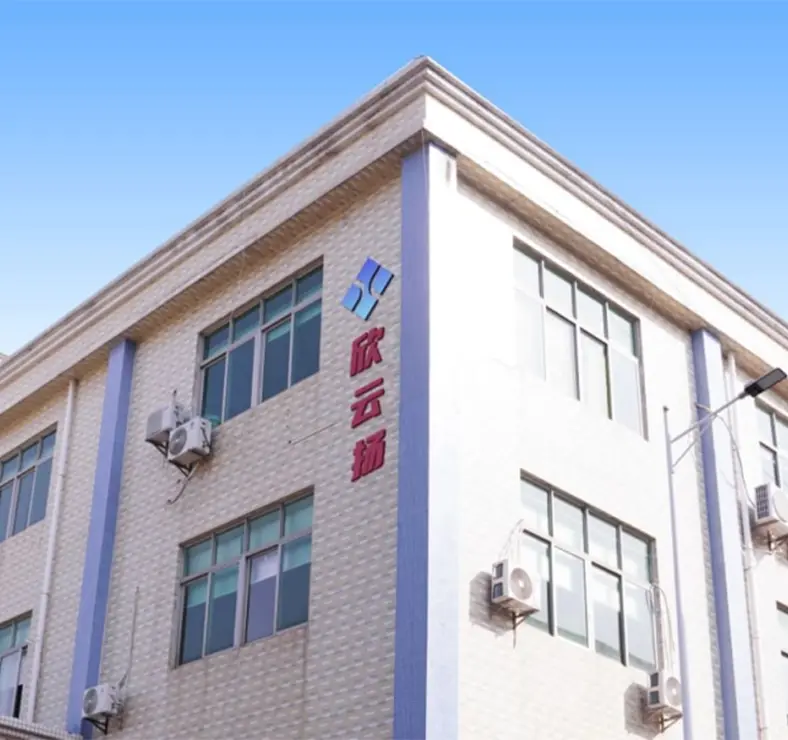
Established in November 2014, Xinyunyang Precision Technology Co., Ltd. has developed into a leading high-precision manufacturer. Centered on the core values of Integrity, Innovation, Cooperation, and Sharing, the enterprise has carved a niche as an industry authority in high-precision processing of challenging metals and composite materials.
Focusing primarily on Kovar precision processing technology, Xinyunyang designs, machines, and tests customized metal packages and precision core parts. Our components support critical global projects across semiconductors, optical communications, aerospace networks, medical devices, new energy frameworks, and specialized defense applications.
 High-Precision Processing
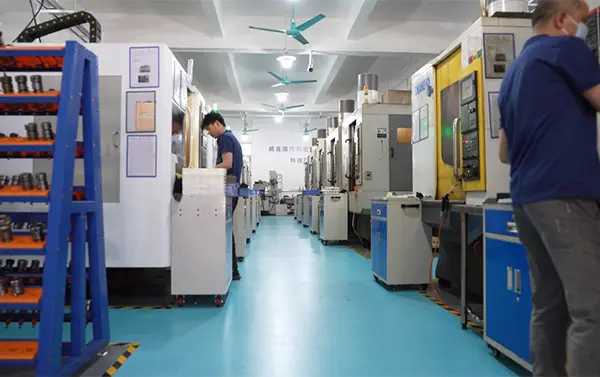
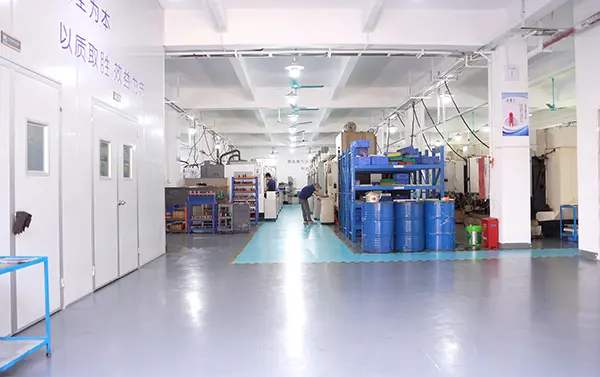
Advanced Equipment Fleet
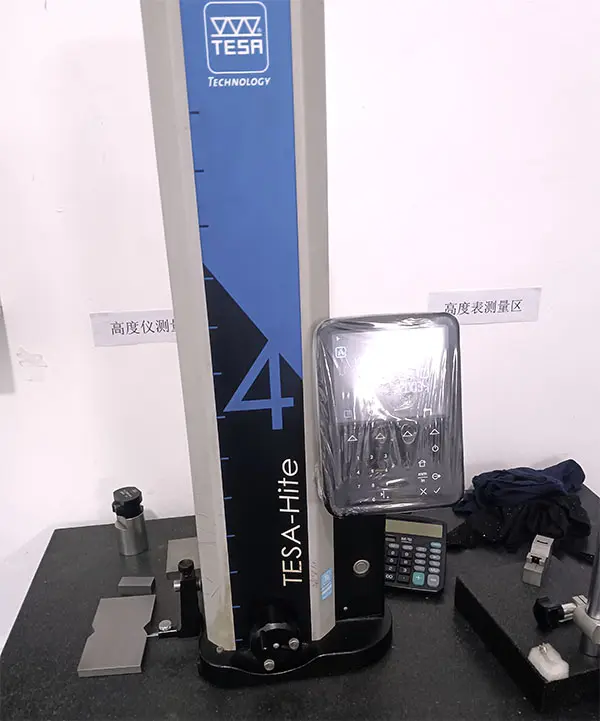
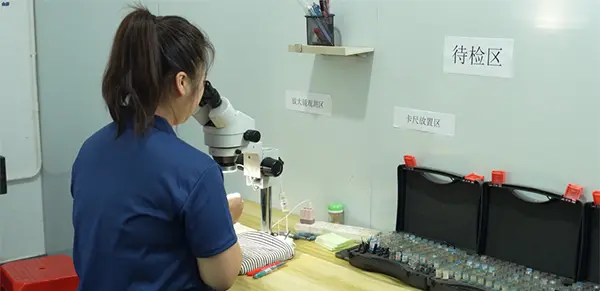
Strict Quality Control
Flexible Customization
High-Precision Processing
Advanced Equipment Fleet
Strict Quality Control
Flexible Customization
We maintain a dedicated workforce of over 100 specialists, with skilled technical engineers comprising 30% of our total staff. This deep engineering talent ensures quick prototyping and robust manufacturability reviews for highly complex, customized client orders.
Our core technical leaders bring more than a decade of specialized experience in high-end metal processing. We actively pioneer advanced composite processing techniques for specialized metals (including titanium alloys and Kovar) to support next-generation 5G, AI, and new energy designs.
Operating under a strict ISO 9001 certified quality management system paired with intelligent digital production scheduling, we have increased standard order delivery speeds by 15% to 20%, ensuring reliable supply chain support for global high-end production lines.
As manufacturing regulations tighten worldwide, chemical and environmental compliance has shifted from a voluntary option to a strict requirement. In markets across North America, the European Union, and East Asia, procurement agencies require full material compliance verification before importing high-tech products. Our precision parts are designed to meet international standards such as REACH, RoHS, and local environmental codes.
Furthermore, the introduction of sustainable manufacturing practices for nickel and cobalt alloys, such as 4J29 Kovar, represents a significant step forward in industrial environmental responsibility. By refining raw machining cycles to minimize cooling-fluid waste, implementing clean recycled scrap processing, and reducing carbon-intensive processes during thermal annealing, we supply components that help global clients reach their carbon reduction goals.
This focus on environmental, social, and governance (ESG) standards ensures that components sourced from our facility are suitable for long-term integration into government, commercial, and defense applications.
The next generation of high-precision component design will depend heavily on real-time feedback loops and machine-learning-driven CNC diagnostics. Our technical roadmap focuses on the integration of:
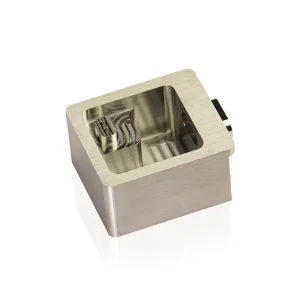
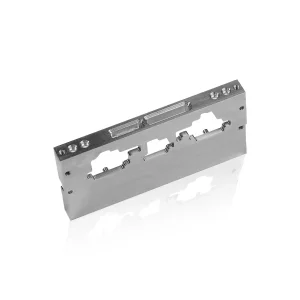
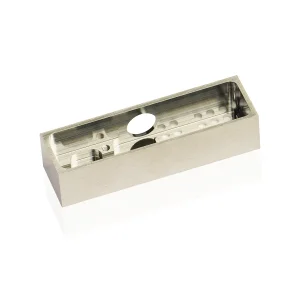
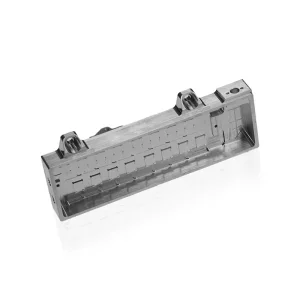
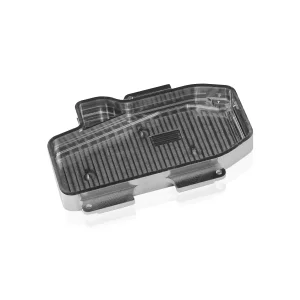
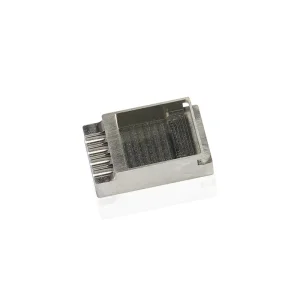
Kovar (ASTM F15 alloy, containing 29% nickel, 17% cobalt, and a balance of iron) features a non-linear thermal expansion profile designed to match that of hard borosilicate glass and alumina ceramics. In demanding electronic packaging applications, heat cycles generate stress across joints of different materials. By aligning the coefficients of thermal expansion (CTE) of the metal body and the glass isolators, Kovar prevents stress cracks, preserving hermetic integrity under extreme physical conditions.
Standard wet-cutting methods can sometimes lead to localized cooling shocks and thermal micro-cracking in highly ductile alloys like Kovar. Our specialized dry-machining process leverages custom-ground, high-lubricity tungsten-carbide or diamond-coated tooling, combined with optimized cutting feed paths and high-velocity air cooling. This removes heat cleanly from the shear interface, preventing build-up on the tool edge and yielding an exceptionally flat, polished surface finish under 0.3μm.
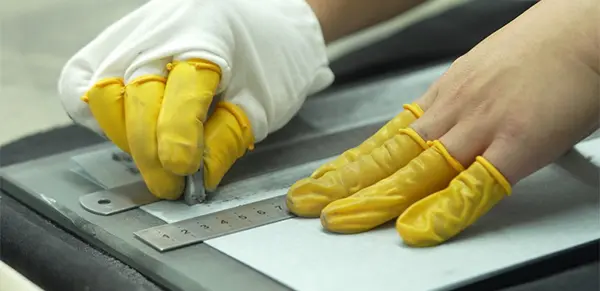
All incoming raw materials are subject to spectrographic analysis to verify their chemical composition. We maintain rigorous compliance documentation, including full REACH and RoHS statements, material test reports (MTR), and complete lot-code traceability records. Additionally, our shop floor operates under a certified ISO 9001 quality system, ensuring every component meets aerospace requirements and localized safety and performance regulations.
Our facility actively supports sustainable manufacturing practices by using energy-efficient CNC machinery, implementing advanced closed-loop coolant recycling systems, and recovering clean alloy chips. These measures minimize direct scrap losses, reduce raw carbon consumption during thermal treatments, and supply environmentally conscious products to global industries.
By integrating an advanced enterprise resource planning (ERP) system and a dynamic production scheduling framework, our shop floor responds in real time to shifts in equipment loading and material logistics. This close production monitoring minimizes machine idle time, reduces cycle transitions, and increases high-precision order fulfillment speeds by 15% to 20% compared to standard job shops.
 Xinyunyang Precision