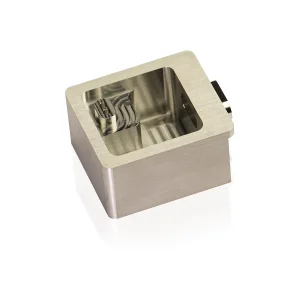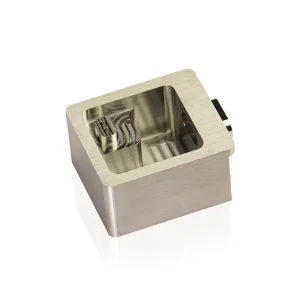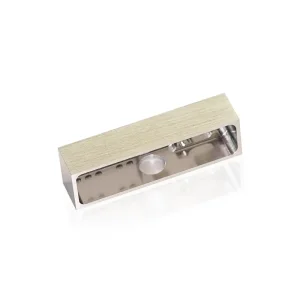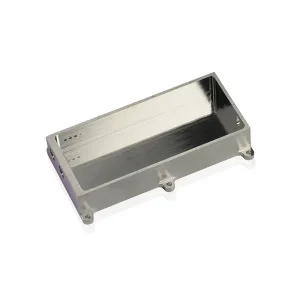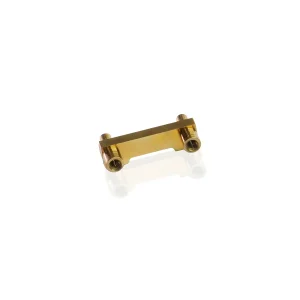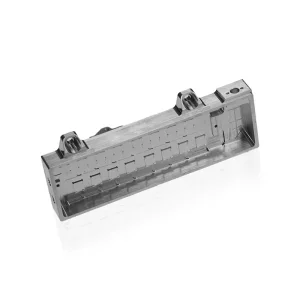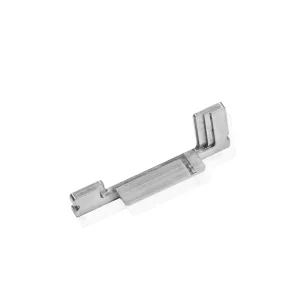
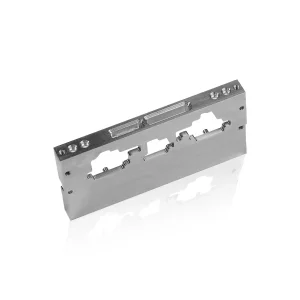
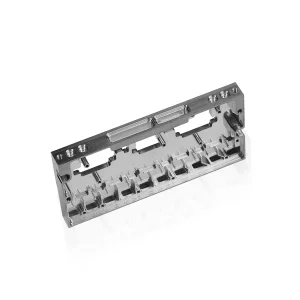
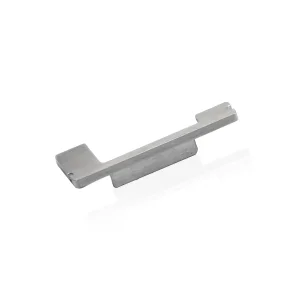
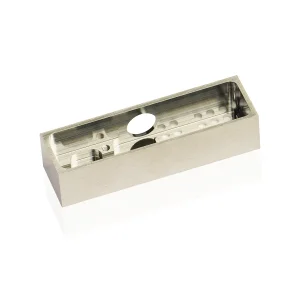
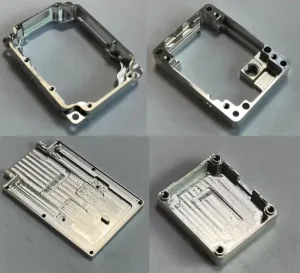
In the modern, highly demanding industrial sectors such as semiconductors, aerospace engineering, biomedical devices, and micro-optoelectronic systems, precision is not a luxury—it is an absolute baseline. The process to buy CNC parts machining suppliers requires more than a simple comparison of transactional pricing. It calls for an analytical examination of material capabilities, specialized tooling technologies, environmental and quality certifications, and long-term production scalability.
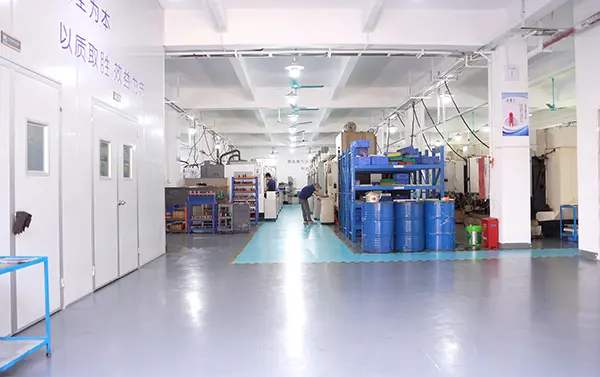
Xinyunyang Precision Technology Co., Ltd., established in November 2014, has positioned itself as a pioneer in ultra-precision processing technologies. Adhering to the corporate principles of Integrity, Innovation, Cooperation, and Sharing, we focus on Kovar precision processing technology as our core competitiveness. We deeply cultivate critical industry applications to deliver high-reliability hermetic packaging and custom components to elite manufacturing entities globally.

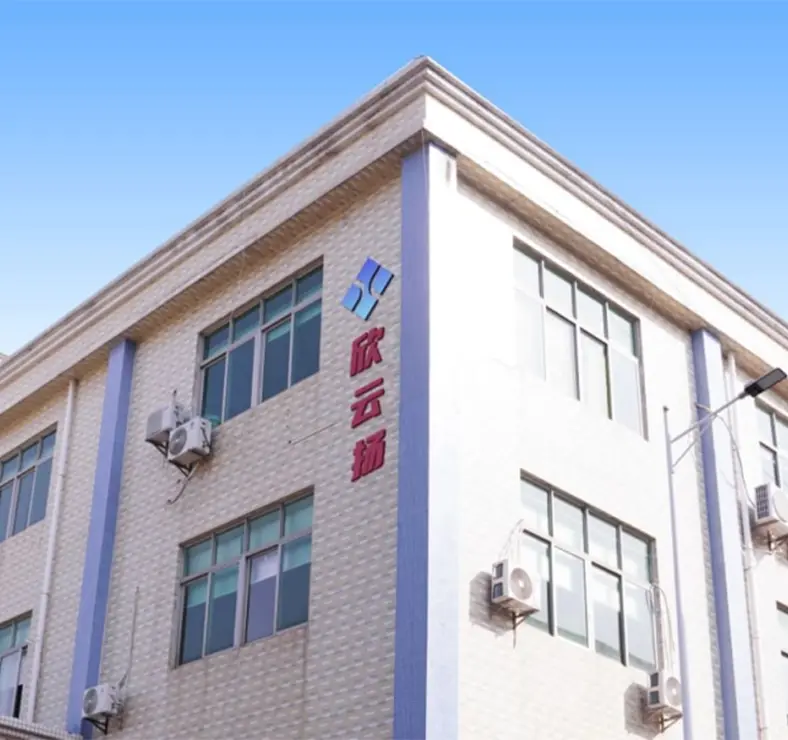
Our core asset consists of a professional team exceeding 100 individuals, where technical R&D and quality engineers constitute 30% of our total personnel. This concentrated intellectual capital allows us to handle complex mechanical modeling, multi-physics simulations, and optimized tool-path programming to minimize tooling wear and physical deformation in high-alloy machining.
The lead specialists at Xinyunyang have been dedicated to high-precision metal machining for over ten years. We specialize in compounding, machining, and finishing special metals like Kovar (ASTM F15 alloy), Invar, titanium alloys, and high-purity copper, proactively addressing advanced hermetic package demands in 5G optical communications, AI computing modules, and clean-energy infrastructure.
Operating an ISO 9001 certified quality management ecosystem, we utilize an intelligent, data-driven production scheduling system. This technological framework has increased the production efficiency of standard orders by 15% to 20%, ensuring that we function as an extremely reliable supplier in terms of product quality, engineering support, and punctual delivery.
Global supply chains are undergoing rapid evolution. Today, selecting a partner from whom to buy CNC parts machining suppliers is no longer just a purchasing department exercise. In a highly automated technological environment, microscopic structural variances in structural parts can result in massive, catastrophic system failures. For instance, when packaging critical semiconductor laser diodes or optoelectronic modulators, matching the coefficient of thermal expansion (CTE) of the metal substrate with that of the glass, silicon, or alumina ceramic is critical.
Across international markets, there is an escalating demand for micro-machined parts that can survive in challenging, harsh environments. Kovar (Fe-Ni-Co alloy) has emerged as the premier choice for manufacturing high-integrity packages, vacuum chambers, and RF modules. Because Kovar exhibits a thermal expansion coefficient that matches closely with borosilicate glass and alumina ceramic substrates, it prevents thermal stresses from rupturing microscopic hermetic seals during cycles from -65°C to over 400°C.
However, machining Kovar is notoriously difficult. Its high ductility, high tensile strength, and work-hardening traits result in rapid tool wear, localized heat generation, and dimensional instability if the cooling strategies, feed rates, and tool geometries are not optimized perfectly. Elite suppliers like Xinyunyang implement specific coolant channels, specialized solid carbide tools, and proprietary vibration-damping setups to combat these processing hurdles, maintaining tolerances under ±0.005mm reliably.
Why source CNC parts machining from China, particularly from integrated technology parks? The answer lies in the **complete localized ecosystem**. In cities like Shenzhen and Suzhou, raw material suppliers, specialized surface finishers (e.g., gold plating, nickel electroless plating), heat treatment plants, and logistical channels are located in close physical proximity.
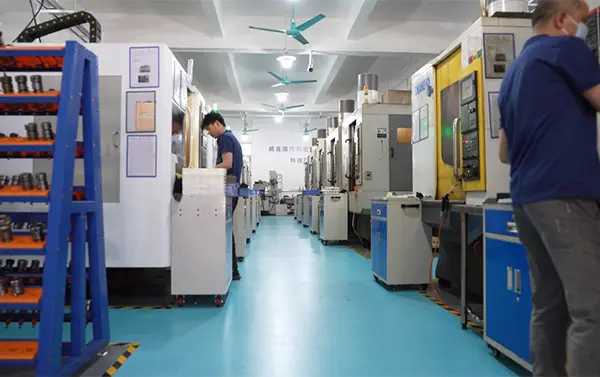
This localized density minimizes supply chain lead times and insulates international buyers from volatile transport logistics. Furthermore, Chinese manufacturers have heavily adopted automated, intelligent systems. At Xinyunyang, our advanced scheduling, real-time monitoring of tool wear, and automated dimensional testing ensure that large-batch scaling can occur rapidly without sacrificing component-to-component consistency.
Precision-machined parts play a major role in several technological industries:
| Material Type | Coefficient of Thermal Expansion (CTE) | Primary CNC Machining Challenge | Best Application Scenario |
|---|---|---|---|
| Kovar Alloy (ASTM F15) | ~5.1 x 10^-6/°C (30°C - 400°C) | High work-hardening, severe tool gumming | Hermetic glass-to-metal seals, laser modulators, 5G housings |
| Titanium Alloy (Gr5) | ~8.6 x 10^-6/°C | Low thermal conductivity, excessive tool-edge heat | Aerospace safety structural components, medical implants |
| Alloy Steel (Precision-Tooling) | ~11.7 x 10^-6/°C | Abrasive wear on carbide inserts | Ultra-precision production tooling fixtures, master assemblies |
| Aluminum Alloys (6061-T6) | ~23.0 x 10^-6/°C | High thermal distortion during heavy milling cycles | Embedded electronic housings, structural mounts, light enclosures |
Deploying compound multi-tasking setups that combine high-precision subtractive milling with additive cladding to achieve unprecedented design flexibilities for advanced hermetic packaging.
Real-time machine feedback loops that automatically adjust feed speeds and spindle rotation to compensate for tool wear when processing ultra-hard superalloys like Kovar and Inconel.
Refining processing lubricants and coolant recovery loops to align with stringent European RoHS and US EPA standards, establishing fully sustainable metal fabrication ecosystems.
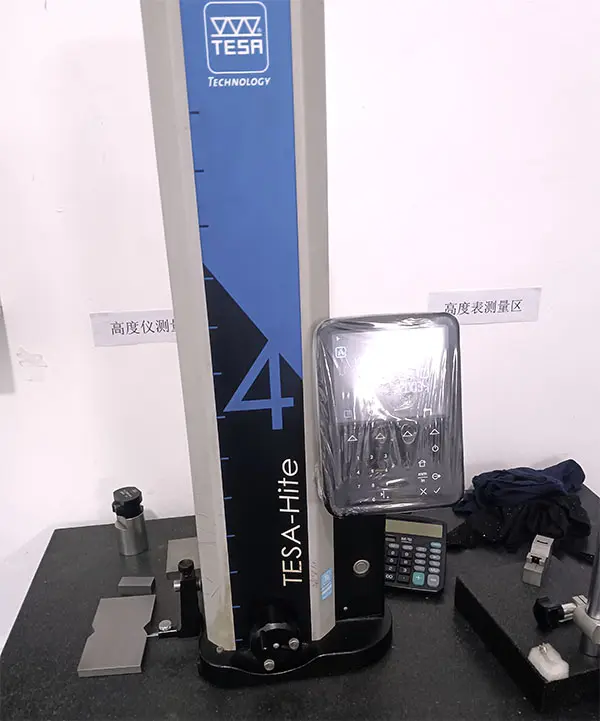
When international engineering clients buy precision metal parts, shipping is only the final step. The entire lifecycle—from the raw material mill test reports (MTR) to the final dimensional inspection records—must meet strict aerospace, defense, and medical certifications.
At Xinyunyang Precision Technology, we provide comprehensive documentation systems:
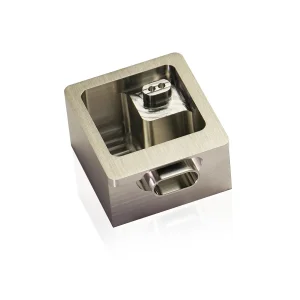
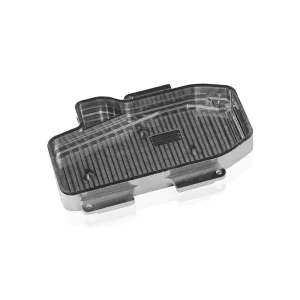
Kovar's popularity centers around its carefully controlled coefficient of thermal expansion (CTE), which matches glass and ceramics closely. Standard steels or aluminum alloys expand and contract at much higher rates during thermal fluctuations, which quickly compromises delicate glass-to-metal and ceramic-to-metal seals. Using Kovar prevents structural micro-fractures, maintaining absolute hermetic seals for sensitive inner optical fibers, semiconductor junctions, and sensor modules.
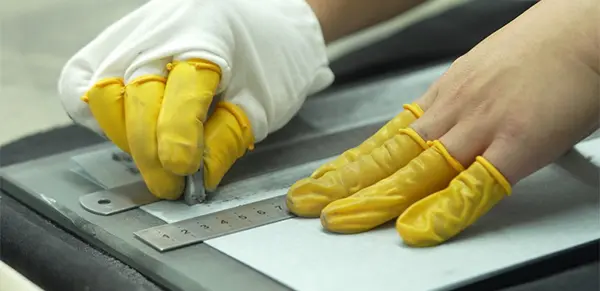
Utilizing specialized high-rigidity CNC setups, real-time temperature-compensated enclosures, and premium micro-tooling systems, Xinyunyang can reliably maintain geometric tolerances down to ±0.003mm (3 microns). For surface roughness finishes, we can achieve Ra 0.2 to Ra 0.4 without excessive manual post-polishing, which is critical for microwave housings, high-frequency RF cavities, and vacuum-sealed packaging components.
Because we operate within highly optimized Chinese precision industrial clusters, all complementary processing phases—such as vacuum annealing, passivating, laser engraving, gold plating, and electroless nickel plating—are executed by certified local facilities. This reduces logistic delays and ensures that lead times are 15% to 20% shorter than standard fragmented supply chains, lowering overall logistics overhead and protecting buyers from shipment delays.
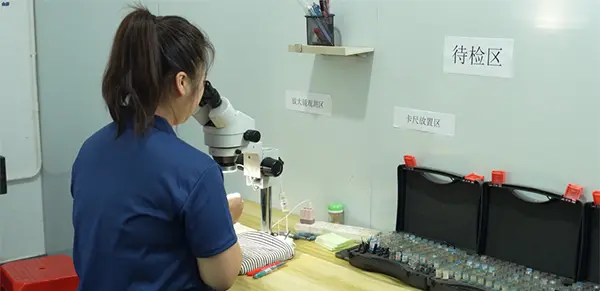
Our facility strictly adheres to an ISO 9001 certified Quality Management System. Raw metal stock undergoes chemical spectrographic analysis upon arrival to confirm exact cobalt and nickel content. Following CNC machining steps, components undergo extensive optical inspections, coordinate measuring checks, and where necessary, helium mass spectrometer leak detection to guarantee that they meet the rigorous requirements of high-vacuum or hermetic specifications.
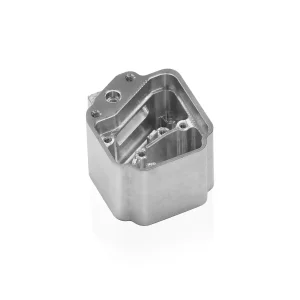
 Xinyunyang Precision