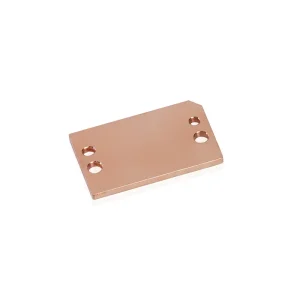
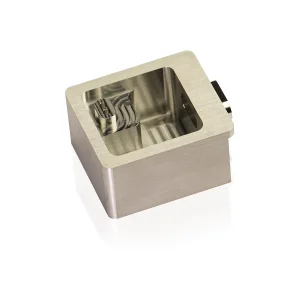
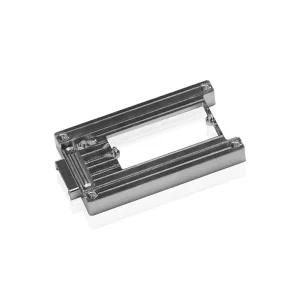
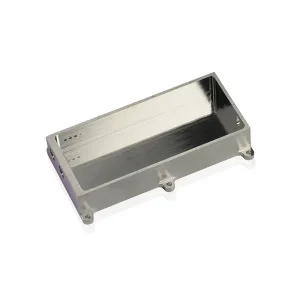
Explore our top-tier precision-processed metal and Kovar alloy components for high-reliability applications.
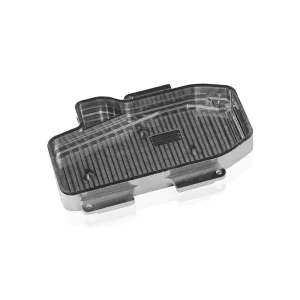
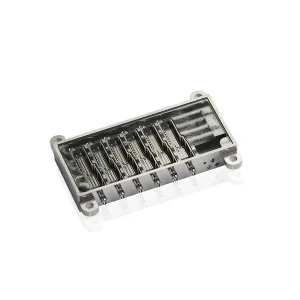
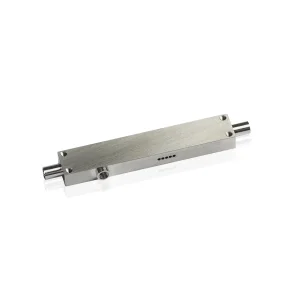
In the modern era of high-precision heavy industry, telecommunications, and defense, the ability to procure Laser Cutting Steel Sheet Design services from highly specialized suppliers is critical to global supply chain resilience.
The rapid expansion of high-end consumer electronics, defense infrastructure, automated tooling, and optical packaging has created an unprecedented demand for structural steel sheet fabrications. Historically, simple stamped panels were adequate for bulk housing. Today's components, however, require complex nested designs, precision micro-slit geometries, and specialized internal venting patterns to control heat and manage signal shielding.
Furthermore, global manufacturing centers are shifting from raw quantity production to advanced Engineering-to-Order (ETO) models. High-volume laser cutting is now standard; the actual competitive advantage lies in localized DFM (Design for Manufacturability) consultancy, automated nesting optimization, and material selection that ranges from structural carbon steels to complex, low-expansion alloys like Kovar (4J29) and Invar.
To remain competitive, Tier-1 factories optimize three essential pillars of design and production:
As fiber laser technology matures, factories globally are adopting artificial intelligence, automated loading, and multi-axis hybrid setups to deliver complex sheet designs.
Traditional CO2 lasers are fading. Modern factories utilize fiber lasers up to 20kW with gas-assist systems (N2 and O2) to deliver mirror-finish cut edges on thick carbon steel and highly reflective copper alloys without dross or warpage.
By leveraging advanced CAM software, engineers calculate structural layouts dynamically, arranging complex brackets and custom cutouts instantly. This reduces material usage, saves tool paths, and optimizes thermal dissipation across the sheet during cutting.
Today's projects do not rely on cutting alone. Leading suppliers provide integrated sheet designs that incorporate micro-welded seams, CNC milling, and high-performance CTE matching for hermetic microelectronics, ensuring unified product performance.
Modern industrial applications are moving beyond structural mild steel. In high-frequency 5G networks, aerospace components, and packaging modules, heat expansion is a critical design issue.
This is where companies like Xinyunyang Precision Technology Co., Ltd. excel. By combining standard laser-cut sheet designs with advanced low-expansion materials such as Kovar Alloy (4J29), which features a coefficient of thermal expansion (CTE) of 4.7±0.2×10⁻⁶/℃, we prevent structural damage or signal loss caused by thermal cycling.
This hybrid manufacturing methodology allows structural sheet components to integrate seamlessly with glass-to-metal seals (GTMS) and ceramic feedthroughs in microwave systems, multi-chip modules, and harsh environment electronics.
| Material Class | Common Alloys | CTE Range (x10⁻⁶/°C) | Ideal Application | Laser-Cut Machinability |
|---|---|---|---|---|
| Kovar (Precision Alloy) | 4J29 / ASTM F15 | 4.7 ± 0.2 | Semiconductor packaging, Hermetic sealing, 5G Shells | Excellent with specialized high-frequency fiber systems |
| Stainless Steel | SUS304 / SUS316L | 16.0 - 18.0 | Corrosive environments, Medical devices, Linear actuators | Standard, clean cutting with Nitrogen assist to prevent oxidation |
| Copper / Brass | C1100 / C1020 | 16.5 - 17.5 | High-conductivity busbars, Electrical connectors | Challenging; requires high-peak pulse reflective suppression lasers |
| Carbon Steel | SPCC / Q235 / Q355 | 11.5 - 12.5 | Heavy industrial framing, structural brackets, enclosures | Highly cost-effective; clean cutting up to 25mm thickness |
How global engineering teams translate raw metal sheet designs into highly specialized, mission-critical infrastructure across sectors.
In the telecommunications sector, high-frequency signals at 40GHz and beyond require extremely low insertion losses (<0.26dB). Heavy steel structures must be lightweighted using laser-cut designs, and optical cavities must be sealed to prevent humidity ingress.
By integrating laser-cut outer frameworks with precision CNC-machined Kovar alloy inner housings, factories can construct hermetically sealed 5G base station nodes. This hybrid solution prevents mechanical warping caused by extreme outdoor temperature fluctuations, from freezing arctic conditions to scorching desert operations.
The demanding environment of aerospace engineering leaves no margin for error. Sheet metal parts are used to build shielding plates, internal frames, avionics boxes, and heavy-duty armor packaging.
Our engineering team applies rigorous laser cutting designs combined with precision CNC post-processing to create structural assemblies that can withstand severe vibration, shock, and G-forces. The final products satisfy strict aerospace weight limits while providing reliable protective barriers for electronic controls.
The electric vehicle (EV) and energy storage boom has increased the demand for copper and steel sheet designs. Batteries require hundreds of high-conductivity busbars and secure outer packaging to ensure safe operation.
Utilizing high-power fiber lasers with real-time beam path adjustments, we manufacture complex copper busbars and stainless steel battery frames. These designs feature precise contact surfaces that lower contact resistance and resist thermal runaway during rapid charging cycles.
Precision linear actuators, conveyor frameworks, and automated robotic arms depend on high-accuracy sheet steel structural foundations that remain rigid under dynamic loads.
Combining laser cutting with secondary precision milling, we construct modular metal frames that support linear guideways. This hybrid process achieves the high flatness and parallelism required for smooth, high-speed automated processes.
Established in November 2014, Xinyunyang Precision Technology has established itself as an industry leader, adhering to our foundational core principles of Integrity, Innovation, Cooperation, and Sharing.
Our core competency centers on Kovar precision processing technology. We serve advanced, high-precision fields globally, including semiconductors, optical communications, aerospace, medical devices, and military/new energy industries.
Our long-term mission is clear: to be a premier supplier of high-reliability hermetic package lids, Kovar alloy components, and custom precision sheet designs in China and across the globe. Through years of dedicated engineering and partnership, we deliver customized, miniaturized, and durable metal packaging solutions that withstand the most challenging operational environments.
Our professional team consists of over 100 dedicated specialists, with senior technical engineers representing 30% of our total workforce.
Our core engineering members possess over ten years of hands-on precision metal fabrication experience. We continue to pioneer composite processing methodologies for special metals, including Kovar and titanium alloys, to support demanding 5G, artificial intelligence, and aerospace hardware needs.
Supported by our ISO 9001 quality management system and advanced scheduling software, Xinyunyang improves standard order delivery times by 15% to 20%, ensuring reliable and timely global logistics.
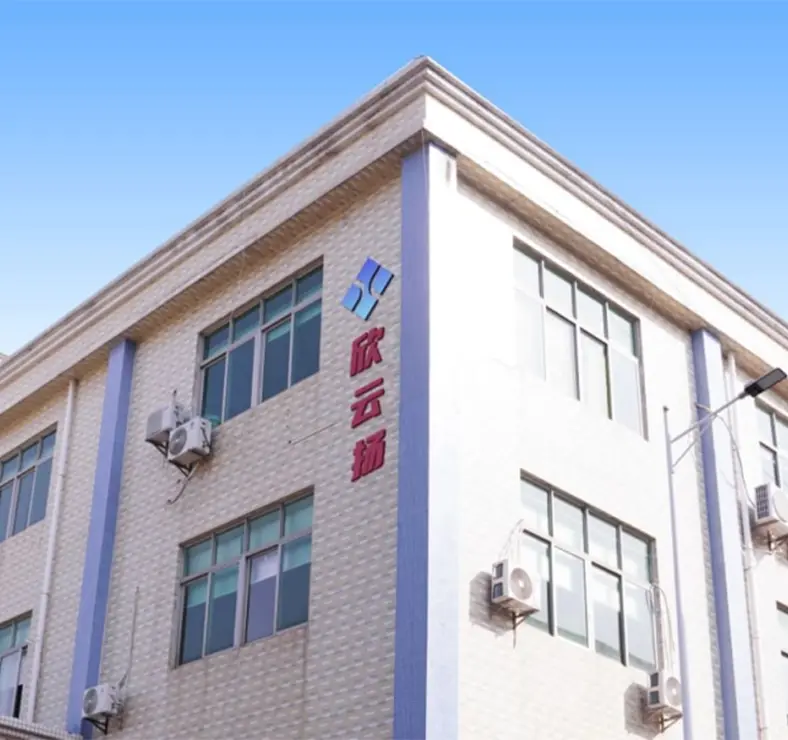
Xinyunyang Headquarters & R&D Production Base
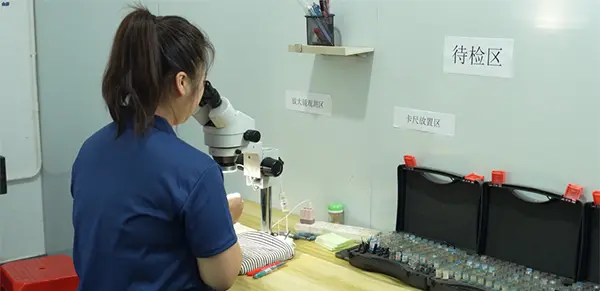
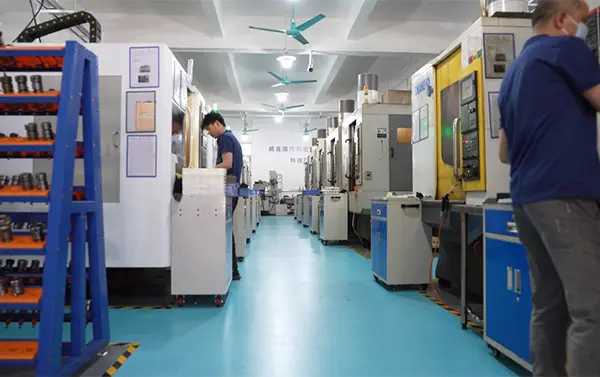
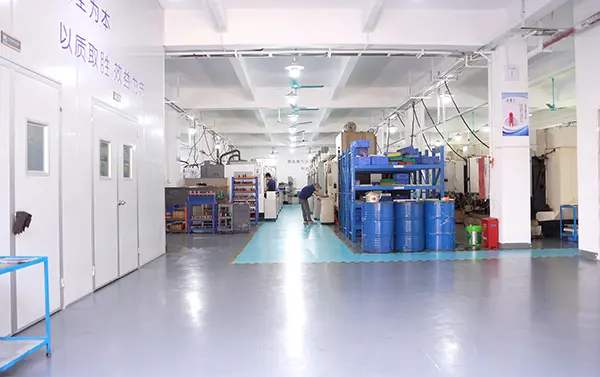
Addressing complex engineering, material tolerances, dynamic ordering, and supplier capabilities for global purchasers.
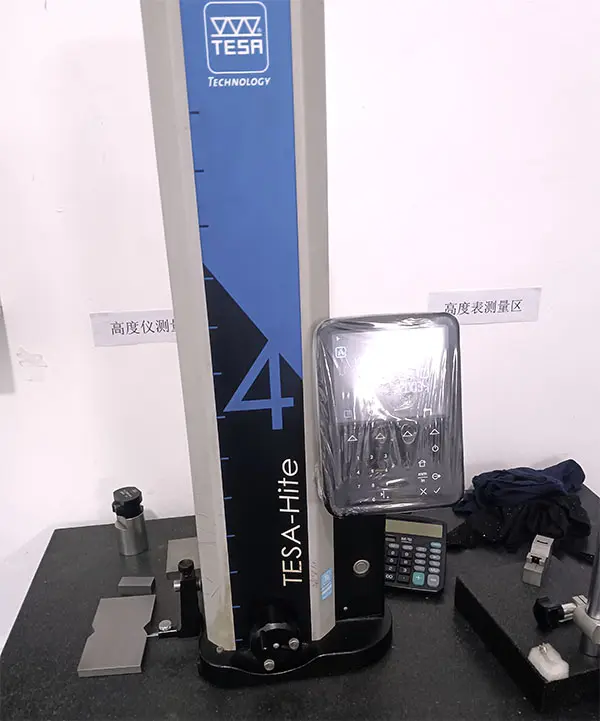
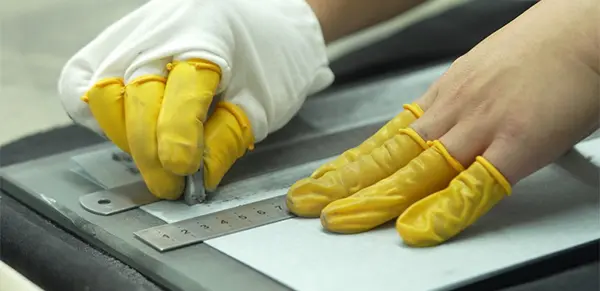
While standard industrial laser cutting achieves tolerances between ±0.1mm and ±0.05mm, high-precision applications require tighter control. By combining laser profiling with automated CNC milling, Xinyunyang achieves critical tolerances down to ±0.005mm. This hybrid method ensures clean, precise edges and exact fitment for complex assemblies.
Kovar alloy features a coefficient of thermal expansion (CTE) of 4.7±0.2×10⁻⁶/℃ within the 20°C to 400°C range. This matches the thermal expansion rate of borosilicate glass and alumina ceramics. Standard steels expand too quickly under heat, which can crack glass-to-metal seals and damage high-frequency hermetic packaging.
Our engineering team analyzes all CAD models prior to production. We check the slot-to-thickness ratio, minimum bend radius, and weld clearances to prevent heat deformation. By optimizing sheet layouts in CAM, we reduce scrap rates and decrease manufacturing cycle times by 15% to 20%.
Yes. We offer several post-processing surface treatments, including precision gold plating, electroless nickel plating, and silver deposition. These coatings enhance oxidation resistance, improve solderability, and lower high-frequency insertion loss to under 0.26dB at 40GHz.
Every batch of raw material undergoes spectral analysis for chemical composition and CTE verification. Our quality department performs 100% optical inspection on critical dimensions, helium mass spectrometer leak testing for hermeticity, and thermal cycling tests to ensure long-term reliability in harsh environments.
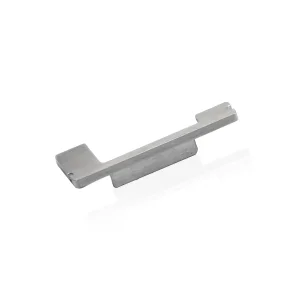
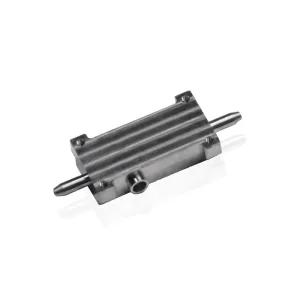
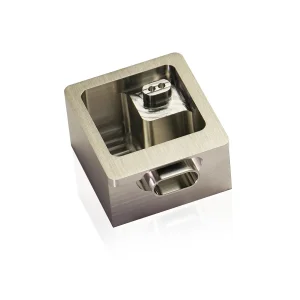
Review our comprehensive selection of high-durability assemblies, custom enclosures, and aerospace-grade components.
 Xinyunyang Precision